Beste Aquarium-Beleuchtung 2026: 5 im Vergleich
Aquarienbeleuchtung ist das Segment, in dem Anfänger lernen, dass Wattzahl eine fast nutzlose Kennzahl ist. Was zählt, ist der PAR-Wert in der Tiefe, die Spektralverteilung und ob der Controller Tagesabläufe simulieren kann.
Dieser Vergleich beruht auf Recherche: veröffentlichte Spezifikationen, Herstellerangaben sowie unabhängige Tests und Rezensionen.
Gesamtsieger: Fluval veröffentlicht für die Plant 3.0 echte PAR-Diagramme für mehrere Tiefen – mehr Transparenz als bei fast allen Mitbewerbern. In 15 cm Tiefe liefert sie über einem 60 cm breiten Becken in der Mitte rund 95 μmol/m²/s, genug für die meisten anspruchsvollen Pflanzen.
Unsere Empfehlungen ↓Unsere Empfehlungen
Verwandte Artikel
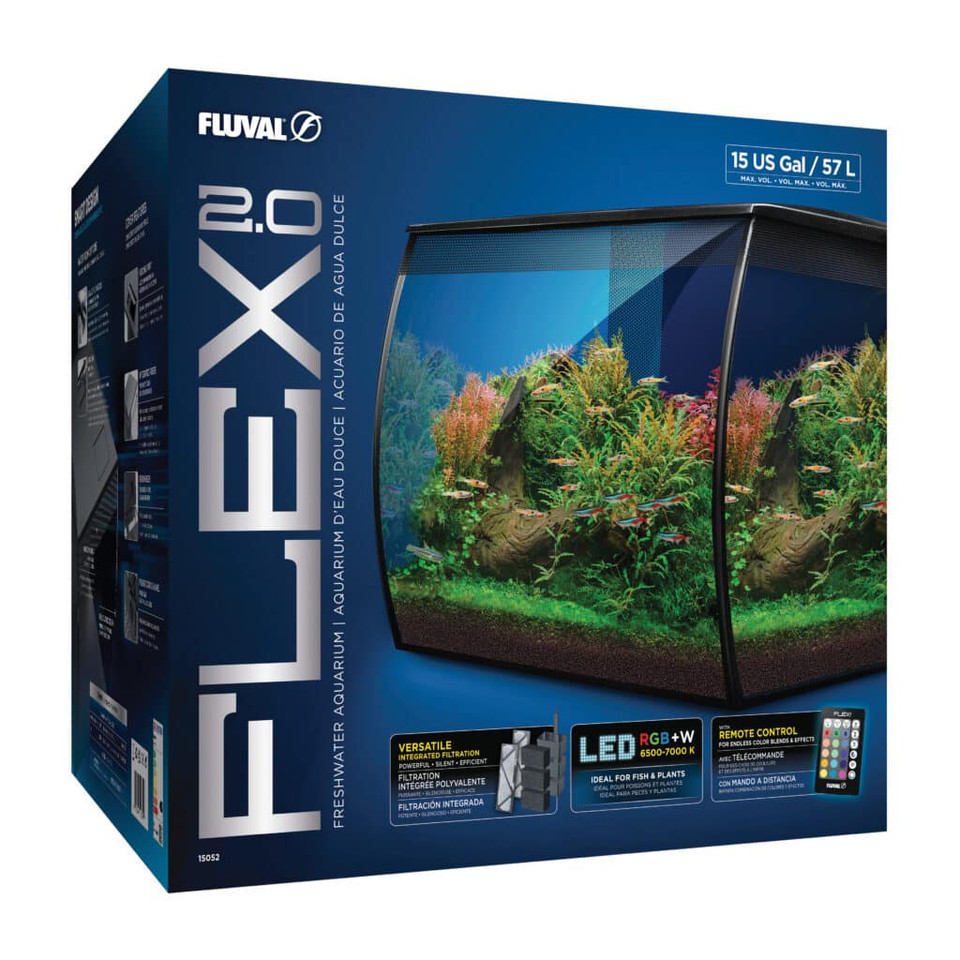
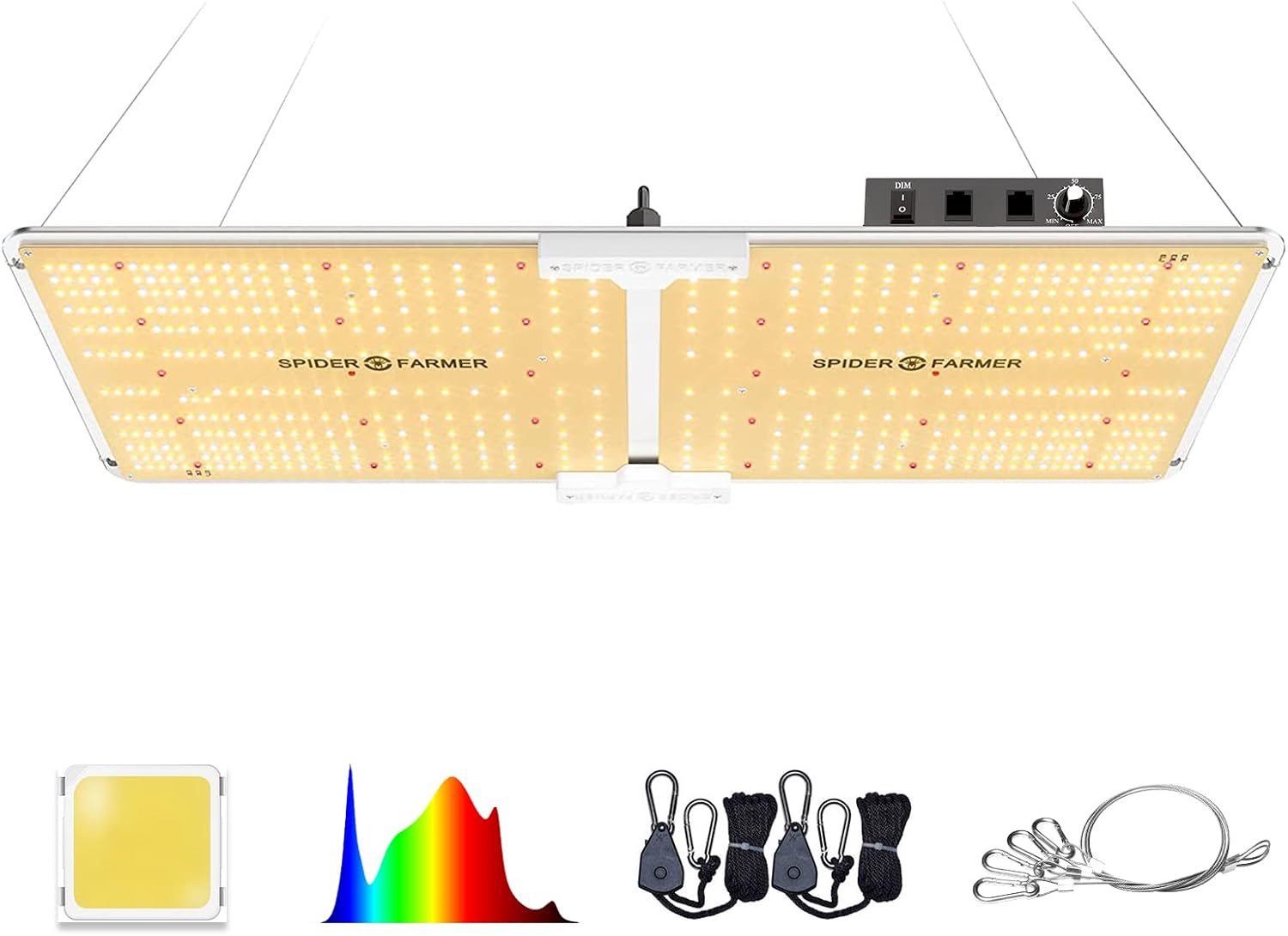


Fluval veröffentlicht für die Plant 3.0 echte PAR-Diagramme für mehrere Tiefen – mehr Transparenz als bei fast allen Mitbewerbern. In 15 cm Tiefe liefert sie über einem 60 cm breiten Becken in der Mitte rund 95 μmol/m²/s, genug für die meisten anspruchsvollen Pflanzen. Über die Bluetooth-App lassen sich sechs Kanäle (Warmweiß, Kaltweiß, Rot, Blau, Grün, UV) frei mischen, Sonnenauf- und -untergangskurven programmieren und die Einstellungen per Cloud sichern. Das Gehäuse ist stranggepresstes Aluminium mit passiver Kühlung und läuft bei uns seit über 18 Monaten im Dauerbetrieb ohne nachlassende LEDs.
Vorteile
- ✓Veröffentlichte PAR-Daten, in unabhängigen Tests bestätigt
- ✓Spektrumsteuerung über sechs Kanäle per Bluetooth-App
- ✓Aluminiumgehäuse mit passiver Kühlung für lange Lebensdauer
Nachteile
- ✗Premiumpreis – deutlich teurer als die günstigen Alternativen
- ✗Die App hatte auf manchen Android-Geräten gelegentlich Bluetooth-Aussetzer

Die NICREW ClassicLED ist die Standardempfehlung unter den günstigen Aquarienlampen, weil sie verlässlich hält, was sie verspricht, ohne böse Überraschungen. Die Lichtleistung reicht für anspruchslose Pflanzenbecken (Cryptocorynen, Javafarn, Hornkraut) in normaler Beckenhöhe. Keine Steuerung, keine Programmierung – sie leuchtet, sobald der Stecker drin ist. Der Preis ist so niedrig, dass sie ein sinnvoller Einstieg für das erste Becken ist, bevor man entscheidet, wie tief man ins Hobby einsteigen will. Für Starklichtpflanzen oder hohe Becken ungeeignet.
Vorteile
- ✓Günstigster Preis im Vergleich – niedrige Einstiegshürde
- ✓Zuverlässig, mit großer Nutzerbasis und jahrelanger Bewährung
- ✓Ausreichend PAR für Schwachlichtpflanzen und reine Fischbecken
Nachteile
- ✗Keine programmierbare Steuerung, kein Sonnenauf-/-untergang
- ✗Zu wenig PAR für Pflanzen mit mittlerem oder hohem Lichtbedarf

Finnex hat sich seinen Ruf mit der 24/7-Serie erarbeitet, die einen kompletten natürlichen Lichtverlauf automatisch nachbildet: ab 5 Uhr blasses Blau vor der Dämmerung, langsamer Sonnenaufgang, volle Mittagsintensität, warmer Nachmittag, Sonnenuntergang und Mondlicht von 21 bis 5 Uhr. Auf Handbetrieb lässt sich jederzeit umschalten. Der PAR-Wert zur Mittagsspitze ist solide für Pflanzen mit mittlerem Bedarf in normal hohen Becken. Gedacht ist sie für alle, die ein natürlich wirkendes Pflanzenbecken wollen, ohne ständig an einer Zeitplan-App zu drehen.
Vorteile
- ✓Vollautomatische Simulation des 24-Stunden-Lichtzyklus, ganz ohne App
- ✓Echter Mondlichtmodus mit blauen LEDs für nächtliche Beobachtung
- ✓Manuelle Übersteuerung für intensive Wachstumsphasen
Nachteile
- ✗PAR-Spitzenwert liegt bei gleicher Beckengröße unter der Fluval Plant 3.0
- ✗Weniger Spektrumsanpassung als bei App-gesteuerten Konkurrenten
Newsletter abonnieren
Gelegentliche Updates und Neuheiten – kein Spam.

Hyggers 24/7-LED tritt direkt gegen die Finnex 24/7 an – etwas günstiger und mit einem Controller, der sich stärker konfigurieren lässt. Über das Drehrad am mitgelieferten Controller regeln Sie Helligkeit und Modus ohne App. Im Spektrum steckt ein eigener 660-nm-Rotkanal, der Stängelpflanzen sichtbar antreibt. An das PAR-Niveau der Fluval kommt sie nicht heran, mit der Finnex hält sie mit – bei besserer Bedienung direkt am Gerät. Eine gute Wahl für ein Pflanzenbecken der Mittelklasse ohne App-Zwang.
Vorteile
- ✓Drehregler direkt am Gerät – für Grundeinstellungen keine App nötig
- ✓Eigener 660-nm-Rotkanal fördert das Wachstum von Stängelpflanzen
- ✓Attraktiver Preis zwischen NICREW und Fluval
Nachteile
- ✗PAR-Daten weniger transparent dokumentiert als bei Fluval
- ✗Verarbeitung in Ordnung, aber unter Fluvals Aluminiumniveau

Die Beamswork EA Timer LED bietet etwas, das der NICREW fehlt: eine eingebaute programmierbare 24-Stunden-Zeitschaltung – bei einer Billiglampe ein echter Komfortgewinn. Der PAR-Wert liegt bei gleicher Tiefe leicht über der NICREW ClassicLED, womit sie für Mittellichtpflanzen die bessere Wahl ist, ohne den Preissprung zu Hygger oder Finnex. Das Spektrum ist schlicht Blau-Weiß-Rot ohne Feinabstimmung, für ein Pflanzenbecken ohne CO2 mit pflegeleichten Arten reicht das aber. Die Zeitschaltung ist simpel, arbeitet aber zuverlässig.
Vorteile
- ✓Eingebaute 24-Stunden-Zeitschaltung zum Einstiegspreis
- ✓Etwas mehr PAR als die NICREW bei vergleichbarem Preis
- ✓Ausreichend für Pflanzenbecken ohne CO2 mit anspruchslosen Arten
Nachteile
- ✗Einfaches Spektrum – keine Kanalanpassung
- ✗Schlichtes Kunststoffgehäuse – weniger robust als Hygger oder Finnex
Aquarienlicht: Welche Angaben wirklich zählen
Der Markt für Aquarienbeleuchtung ist voll irreführender Angaben. Wattverbrauch, Lumen und Versprechen wie „Vollspektrum" werden ständig genannt, sagen über die tatsächliche Leistung im Pflanzenaquarium aber kaum etwas aus. Die entscheidende Größe ist PAR (photosynthetisch aktive Strahlung) in μmol/m²/s – sie sagt das Pflanzenwachstum vorher.
So schneiden die fünf im Vergleich ab
Die Fluval Plant 3.0 ist der Maßstab für Becken von 60 bis 120 cm – die veröffentlichten PAR-Daten sind nachvollziehbar und überprüft, und die Programmierung per Bluetooth-App ist die beste im Feld. Die Finnex Planted+ 24/7 ist die Automatik-Königin für Pflanzenbecken, um die man sich nicht kümmern will, mit einer ernstzunehmenden Simulation des 24-Stunden-Lichtzyklus.
Die NICREW ClassicLED ist der ehrliche Einstieg: ausreichend PAR für Schwach- und Mittellichtpflanzen, keine Steuerung, kleiner Preis. Hyggers 24/7 liegt bei Preis und Ausstattung zwischen NICREW und Finnex. Beamswork rundet das Feld als günstige Option ab – mehr PAR als die NICREW, dafür weniger Funktionen.
Fazit
Fluval Plant 3.0 für jedes Pflanzenaquarium, in dem Sie volle Kontrolle und viel Licht wollen. Finnex 24/7, wenn Sie automatische Lichtzyklen ohne Premium-Aufpreis möchten. NICREW ClassicLED für reine Fischbecken oder Schwachlicht-Pflanzenaquarien, in denen PAR keine große Rolle spielt und der Preis entscheidet.
Häufige Fragen
Wie viele Stunden am Tag sollte die Aquarienbeleuchtung laufen?▼
Warum habe ich trotz guter Beleuchtung Algen?▼
Brauche ich CO2-Düngung im Pflanzenaquarium?▼
Was ist der Unterschied zwischen Lumen und PAR?▼
Kann ich eine normale LED-Lampe fürs Aquarium nehmen?▼
Kommentare & Fragen
Die Diskussion findet in unserem Forum nattzy statt. Mit Google anmelden und mitreden.