Best Black Tea 2026: English Breakfast to Darjeeling
Black tea is the most consumed tea in the world, yet the quality gap between grocery-store teabags and quality loose leaf is enormous. Five widely available options are compared here, from bold everyday teas to refined single-origin choices, on leaf grade, origin, price per cup and what drinkers consistently say about flavour and body.
Quick answer
Pick by style, not brand. Twinings English Breakfast is the Assam-forward everyday classic; Vahdam's first-flush Darjeeling is the single-origin pick with genuine muscatel character; Harney & Sons Hot Cinnamon Spice is the flavoured option with a cult following; Republic of Tea's full-leaf round bags extract better than standard flat bags for daily drinking.
We assessed each product on flavor profile, sourcing transparency, value per serving, packaging integrity, and how well it performed across common use cases. Documented certifications and verified user reviews were cross-checked against marketing claims.
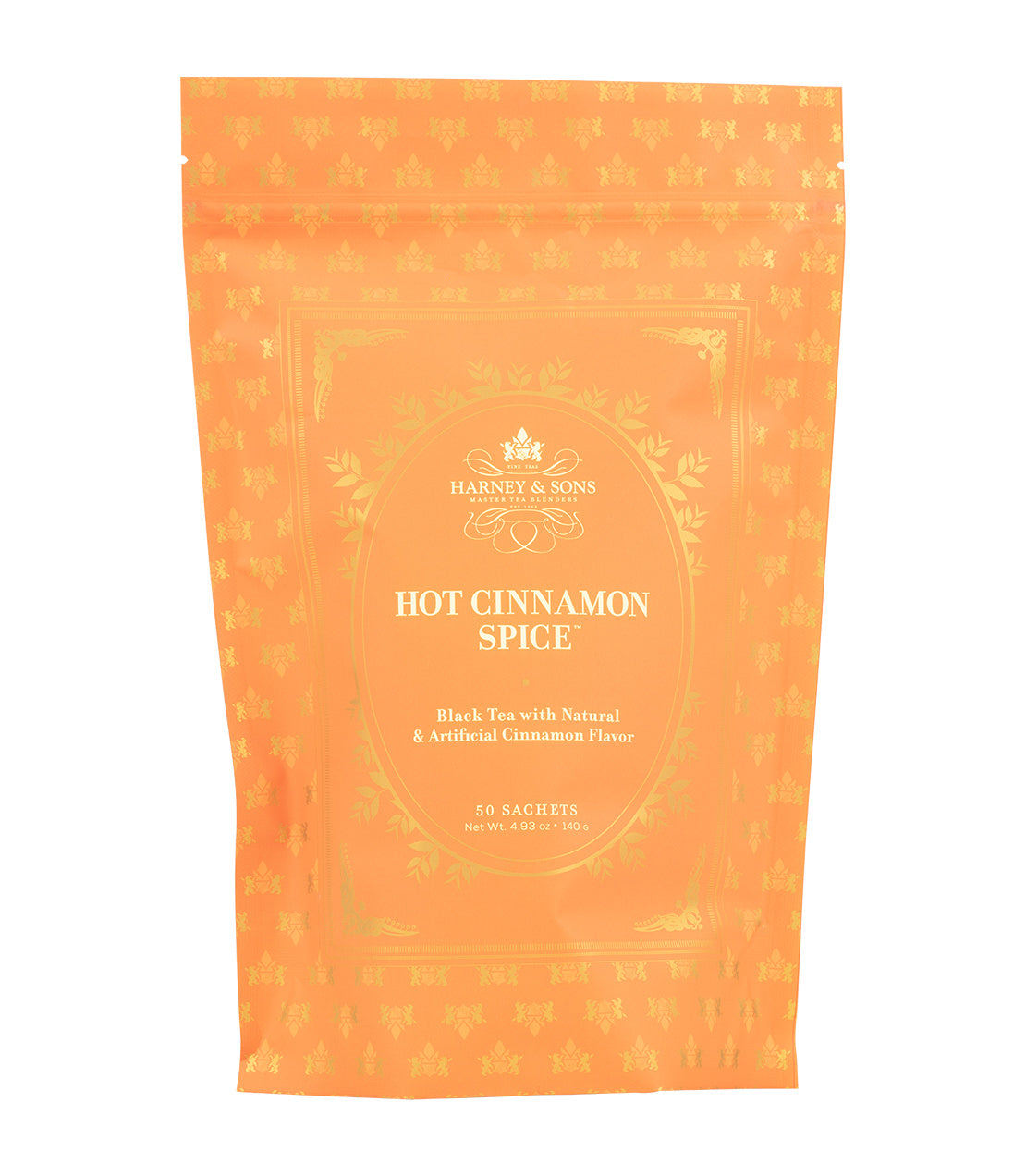
Harney & Sons Hot Cinnamon Spice Tea
Best Flavored Black Tea: Harney & Sons Hot Cinnamon Spice has a cult following for a reason — three types of cinnamon plus orange peel and sweet cloves on a bold black tea base. It's intensely aromatic and surprisingly balanced: the spice is forward but the tea underneath is real.
Top picks ↓| Product | Price | Link |
|---|---|---|
| $19.99Reference price | ||
| $8.49Reference price | ||
| $10.99Reference price | ||
| $11Reference price | ||
| $7.69Reference price |
Top picks
Related articles


Harney & Sons Hot Cinnamon Spice has a cult following for a reason — three types of cinnamon plus orange peel and sweet cloves on a bold black tea base. It's intensely aromatic and surprisingly balanced: the spice is forward but the tea underneath is real. Brews deep amber, works with or without milk, holds up to honey. If you want a flavored black tea that doesn't taste artificial, this is the benchmark. The tin is a nice bonus for gift-giving.
0
Twinings has been blending English Breakfast since 1837 and the formula still works. Assam-forward blend with enough malt and strength to cut through milk, which is the entire point of a breakfast tea. The teabag version is more accessible than it is exciting, but it's consistently good — same cup every time, in any water hardness. Loose leaf version is a step up in flavor complexity. For a reliable daily driver that won't disappoint, Twinings is the safe choice.
0
Vahdam sources directly from estates in Darjeeling and their first flush (spring harvest) is genuine muscatel — the distinctive musky, floral, slightly astringent character that defines real Darjeeling. Lighter amber than Assam blends, lower caffeine, best without milk. This is a completely different experience from breakfast tea: sip slowly, use water around 90°C, don't overbrew. The direct-estate sourcing means better traceability and freshness than legacy supermarket brands. For tea enthusiasts, this is worth knowing about.
0Subscribe to our newsletter
Occasional updates and new releases — no spam.
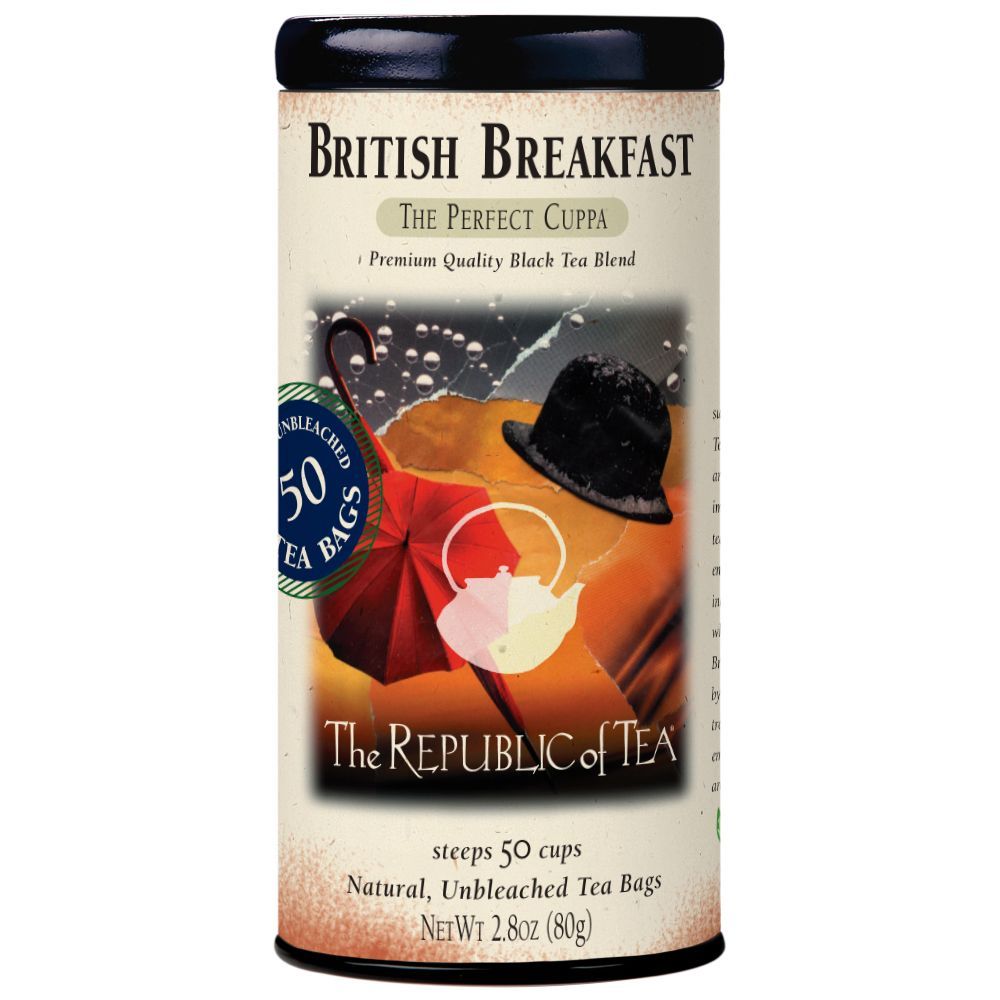
Republic of Tea's Daily Black uses full-leaf round teabags that give better extraction than standard flat bags. Medium body, clean finish, mild maltiness. Not as complex as loose leaf but significantly better than most grocery teabags. The recyclable tin keeps tea fresh between uses. At the price point it occupies, this is the most honest value in the category — better quality than you'd expect, no flavoring gimmicks, no dusty floor sweepings in the bag. Good choice for office kitchens or anyone who makes 2-3 cups a day.
0
Ahmad Tea is a hidden gem — a proper London tea company that sells at grocery store prices. English No. 1 is a brisk, malty blend that holds up well with milk and sugar, brews dark quickly, and doesn't go bitter if you leave the bag in too long. The flavor is clean and genuine, not perfumed. For the price, it beats almost everything on supermarket shelves. Widely available in Asian grocery stores and some major retailers. If you drink tea daily and don't want to spend on premium, this is the smart pick.
0Which one is right for you?
Best Flavored Black Tea
Harney & Sons Hot Cinnamon Spice Tea
Harney & Sons Hot Cinnamon Spice has a cult following for a reason — three types of cinnamon plus orange peel and sweet cloves give it a warmth that holds up to milk without turning thin or bitter.
Best Classic Breakfast Tea
Twinings English Breakfast
Twinings has been blending English Breakfast since 1837 and the formula still works.
Best Single-Origin
Vahdam Darjeeling First Flush
Vahdam sources directly from estates in Darjeeling and their first flush (spring harvest) is genuine muscatel — the distinctive grape-like sweetness that separates real Darjeeling from generic black tea.
Best Everyday Value
Republic of Tea Daily Black Tea
Republic of Tea's Daily Black uses full-leaf round teabags that give better extraction than standard flat bags.
Best Budget Black Tea
Ahmad Tea English No. 1
Ahmad Tea is a hidden gem — a proper London tea company that sells at grocery store prices.
How to Choose Black Tea
Origin, grade, and form (teabag vs loose leaf) determine most of the quality gap. Here's what to look for.
Bottom line
For a morning cup with milk, Twinings English Breakfast or Ahmad Tea No. 1 are reliable and honest. For a flavored tea that's actually worth drinking, Harney & Sons Hot Cinnamon Spice stands out. If you want to understand what real Darjeeling tastes like, Vahdam's first flush is the place to start. The biggest upgrade most daily tea drinkers can make is switching from generic grocery teabags to almost anything on this list.
Frequently asked questions
What's the difference between loose leaf and teabag black tea?▼
How much caffeine is in black tea compared to coffee?▼
How should I brew black tea?▼
What's a first flush Darjeeling?▼
Prices change. Check the retailer for the current price.
Comments & questions
Discussion happens on nattzy, our community forum. Sign in with Google to post — it takes a second.
Related articles
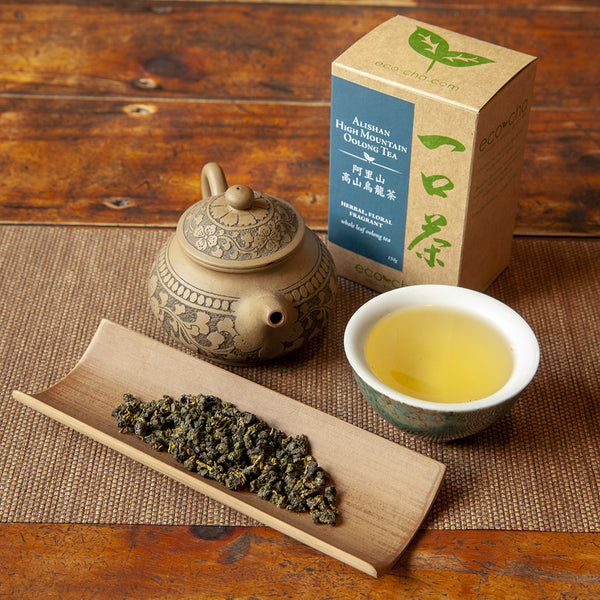
Best Oolong Tea 2026: Taiwan High Mountain vs Wuyi Rock

Best Rooibos Tea 2026: Red, Green & Honeybush Compared

ConoHa WING review (2026): setup, speed and pricing
Best JP rental server 2026: 5 hosts ranked

Best LED Face Masks 2026: 3 Light Therapy Devices Compared
Best Robot Vacuums 2026: 5 Models Compared Honestly