Best Climbing Shoes 2026: Beginner to Advanced
Climbing shoes are the most important piece of gear after safety equipment — a mismatch between shoe profile and your climbing style costs performance on every pitch. The difference between a neutral beginner shoe and an aggressively downturned performance shoe is not better/worse; it's different tools for different terrain. This guide compares 5 options using published specifications, manufacturer documentation and independent reviews.
Quick answer
The La Sportiva Tarantula is the shoe to start in — the standard beginner recommendation worldwide, and it earns that. Intermediates moving into performance terrain should take the Scarpa Instinct VS. The La Sportiva Solution is the World Cup reference boulder shoe, Black Diamond Momentum is built for gym sessions, and Five Ten Hiangle handles slab.
This comparison is desk research. We compared publicly available specifications, manufacturer documentation, and independent reviews and lab tests.
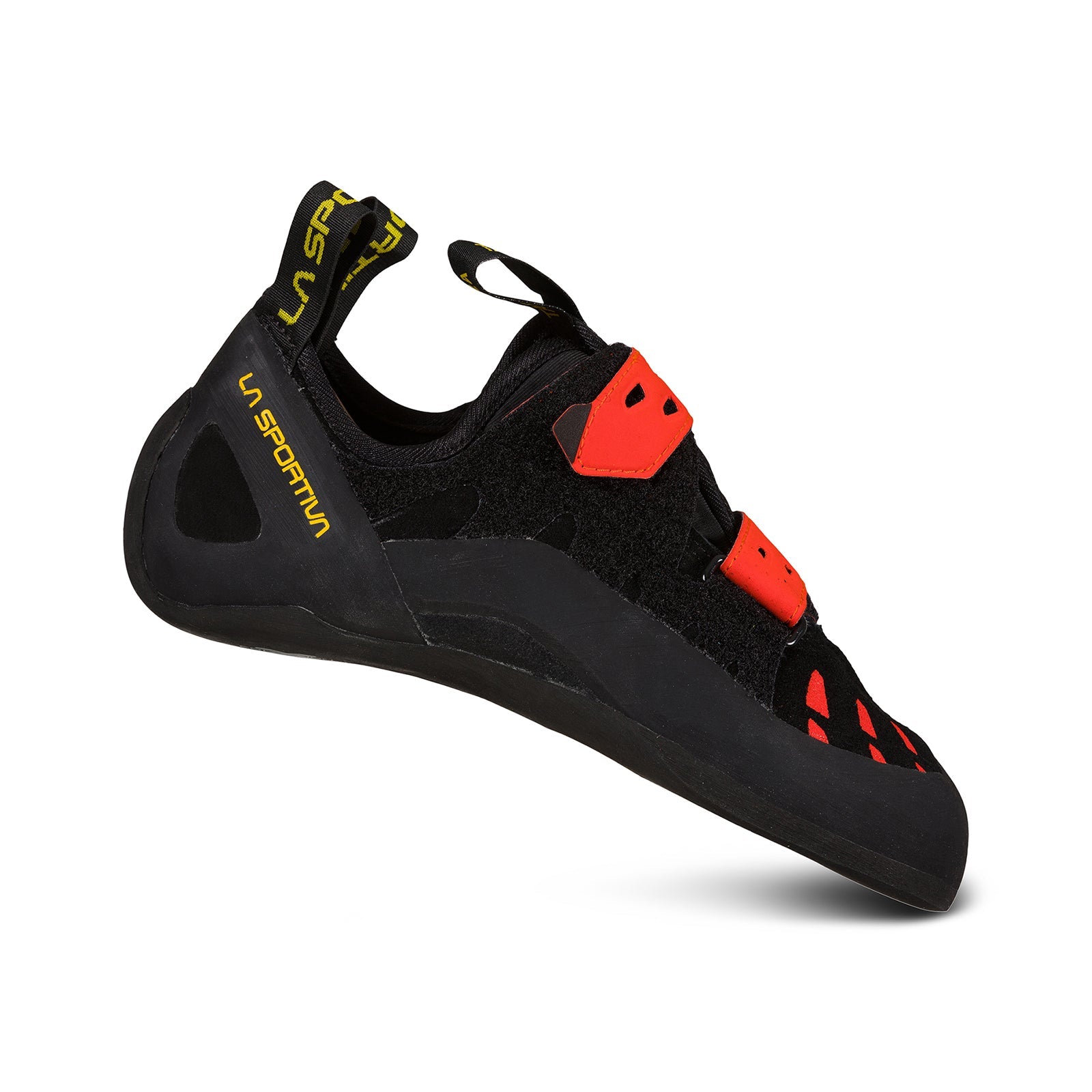
La Sportiva Tarantula
Best for Beginners: The La Sportiva Tarantula is the standard recommendation for beginner climbers worldwide, and it earns that status. The symmetric, flat last fits a wide range of foot shapes, the closure system (two straps + lace) allows precise fit adjustment, and the 3.5mm rubber provides reliable friction on moderate-angle rock.
Top picks ↓| Product | Price | Link |
|---|---|---|
| $128.95Price as of 2026-09-24 | ||
| $135.00Reference price | ||
| $180.00Reference price | ||
| $129.95Reference price | ||
| $120Reference price |
Top picks
Related articles
The La Sportiva Tarantula is the standard recommendation for beginner climbers worldwide, and it earns that status. The symmetric, flat last fits a wide range of foot shapes, the closure system (two straps + lace) allows precise fit adjustment, and the 3.5mm rubber provides reliable friction on moderate-angle rock. It's comfortable enough for multi-pitch days and multi-hour gym sessions. The Mythos rubber's stickiness on limestone and granite is consistent. For a climber just starting out, comfortable shoes that you can actually climb in for extended sessions beat technical shoes you can only tolerate for 30 minutes.
0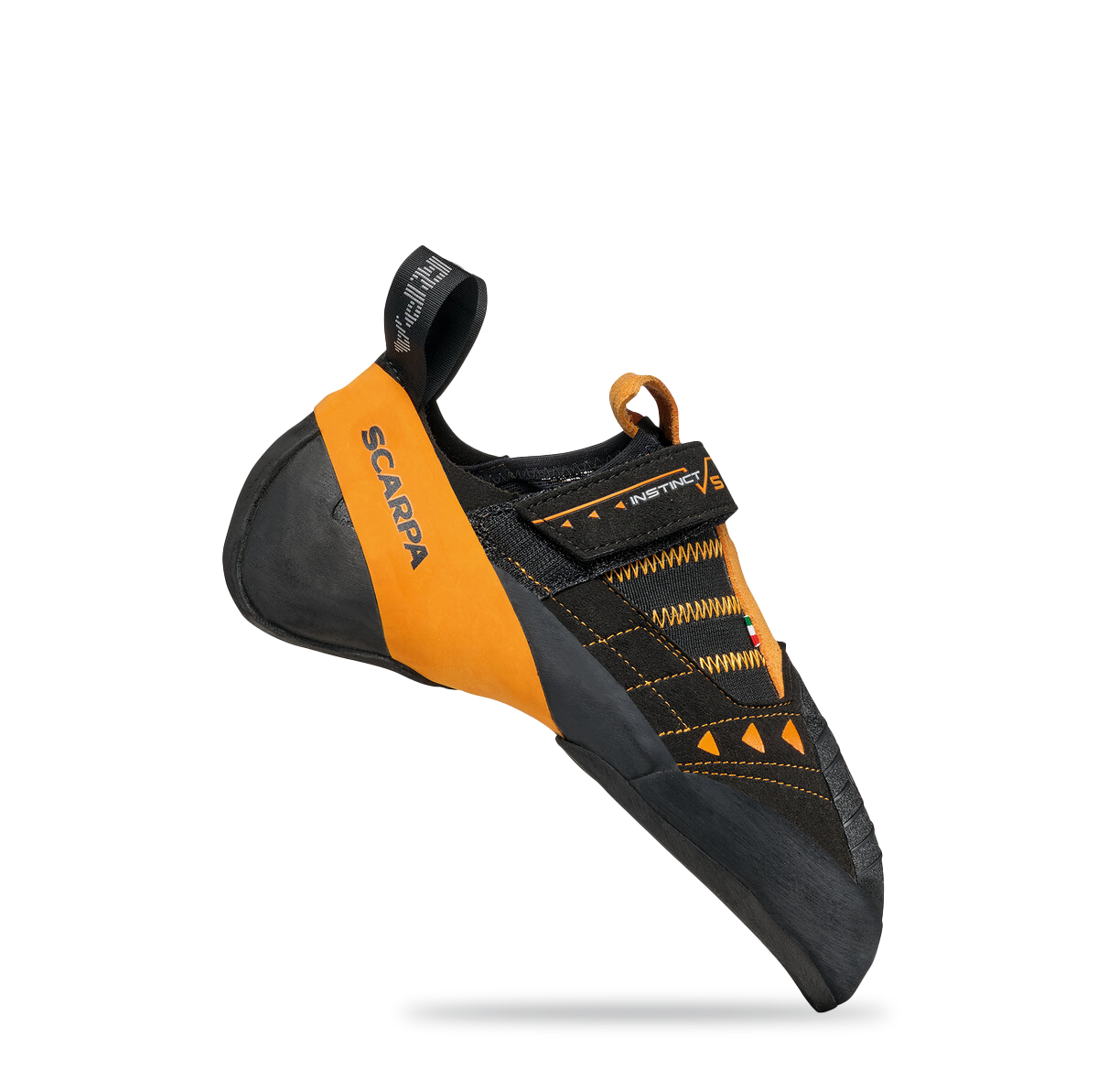
The Scarpa Instinct VS (Velcro Strap) is the shoe where intermediate climbers break into performance territory. The slight downturn, pointed toe box, and 3.5mm VS rubber deliver noticeably more precision on small holds without the extreme discomfort of aggressively asymmetric competition shoes. The Velcro closure allows quick adjustment between routes. Works on both indoor and outdoor terrain. Good for lead climbing and bouldering at V4-V8 / 5.10-5.12. The rubber life is reasonable with moderate use. A meaningful step up from neutral shoes for climbers who've been climbing 6-18 months.
0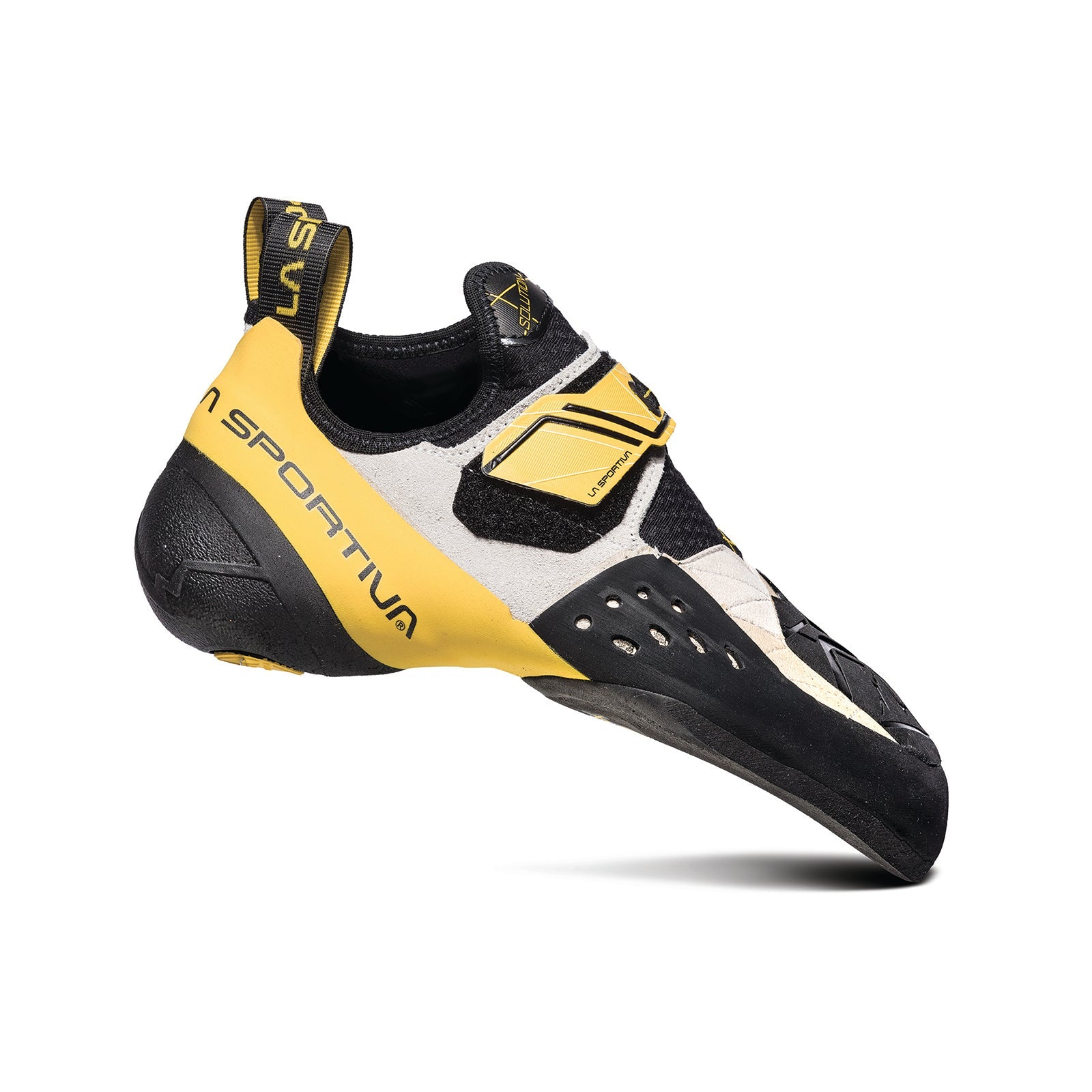
The La Sportiva Solution is the reference performance boulder shoe used at the World Cup level. The aggressive downturn, asymmetric toe box, and P3 System that maintains shape under pressure combine to produce maximum power transfer to footholds. Used with a curled toe position on steep overhangs. Not comfortable — this shoe is for focused hard climbing sessions, not multi-pitch days or 3-hour gym sessions. The Solution's heel cup is among the best for heel hooking, which is where it earns its competition pedigree. For boulderers pushing into V8+ territory, this is the tool.
0Subscribe to our newsletter
Occasional updates and new releases — no spam.
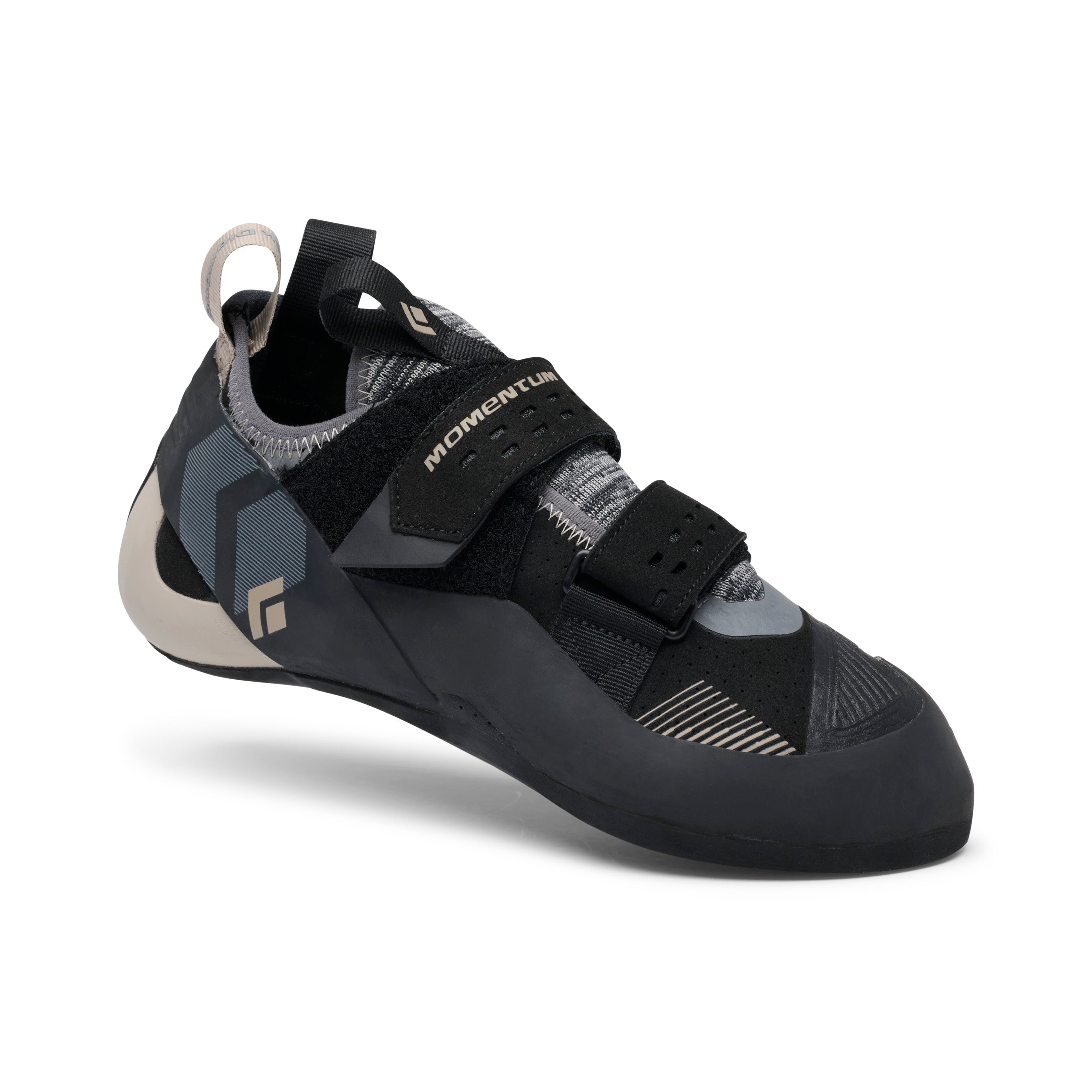
The Black Diamond Momentum was designed specifically for indoor climbing gyms, and it shows. The synthetic upper breathes and keeps odor down better than leather in a gym environment. The flat profile and neutral last make it suitable for beginners but the rubber (NeoFriction) and construction are notably better than entry-level competition. Comfortable for extended gym sessions. Available in half sizes. The price point places it in beginner territory, but the performance is above average for the category. Strong value for gym-primary climbers who want to step above budget shoes.
0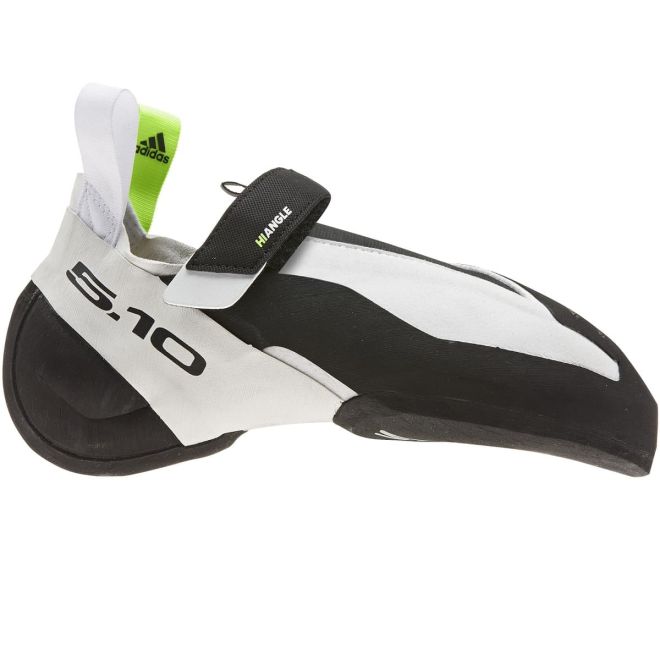
Five Ten Stealth rubber is widely considered the highest-friction outdoor climbing rubber available. The Hiangle's slight downturn and precise toe box combine the slab-crushing properties of Stealth C4 rubber with moderate performance shape. On friction slab (featureless granite where only rubber adherence keeps you on the wall), Five Ten rubber outperforms almost everything else. The trade-off is that Stealth rubber wears faster than stiffer compound. For slab-focused climbers or anyone climbing granite smears regularly, the Hiangle's rubber advantage is the deciding factor.
0Which one is right for you?
Best for Beginners
La Sportiva Tarantula
The La Sportiva Tarantula is the standard recommendation for beginner climbers worldwide, and it earns that status.
Best Intermediate Shoe
Scarpa Instinct VS
The Scarpa Instinct VS (Velcro Strap) is the shoe where intermediate climbers break into performance territory.
Best Performance Shoe
La Sportiva Solution
The La Sportiva Solution is the reference performance boulder shoe used at the World Cup level.
Best Gym Shoe
Black Diamond Momentum
The Black Diamond Momentum was designed specifically for indoor climbing gyms, and it shows.
Best Slab Shoe
Five Ten Hiangle
Five Ten Stealth rubber is widely considered the highest-friction outdoor climbing rubber available.
How to Choose Climbing Shoes
Last profile, rubber type, and closure system determine fit for different climbing styles and experience levels.
Bottom line
For beginners, the La Sportiva Tarantula remains the most universally recommended shoe — comfortable, versatile, and honest. For gym-primary climbers, the Black Diamond Momentum offers better performance than its price suggests. When you're ready to step into performance territory, Scarpa Instinct VS is the bridge between comfort and precision. The La Sportiva Solution is for committed boulderers who've accepted that performance footwear is uncomfortable by design.
Frequently asked questions
Should climbing shoes hurt?▼
How much should I size down in climbing shoes?▼
When should I resole my climbing shoes?▼
What's the difference between bouldering and lead climbing shoes?▼
Prices change. Check the retailer for the current price.
Comments & questions
Discussion happens on nattzy, our community forum. Sign in with Google to post — it takes a second.
Related articles

Best Weightlifting Shoes 2026: 5 for Squats & Cleans

Best Running Shoes for Flat Feet 2026: 5 compared
Best Coffee Grinders 2026: Five mills side-by-side

Best Electric Toothbrush 2026: 5 models compared honestly
Best Air Purifier 2026: 5 models compared honestly

ConoHa WING review (2026): setup, speed and pricing