Best Collagen Supplement 2026: 5 for Skin and Joints
Collagen supplements have moved from niche wellness product to mainstream grocery staple — and with that growth came a flood of products that vary enormously in quality, sourcing, and what they actual. Ingredient concentration and formulation compatibility matter more than brand reputation.
Quick answer
For most people, Vital Proteins is the pick — it built the mainstream collagen category and remains the benchmark everything else is measured against. Garden of Life is the only USDA organic plus NSF Certified for Sport option here, Ancient Nutrition is the one built on an actual bone broth base for multiple collagen types, Sports Research adds BSCG certification at a lower price, and Bulletproof dissolves into coffee.
This comparison is desk research. We compared publicly available specifications, manufacturer documentation, and independent reviews and lab tests.

Vital Proteins Collagen Peptides
Best Overall: Vital Proteins built the mainstream collagen supplement category and remains the benchmark by which every other product is measured. 20g of hydrolyzed bovine collagen (Type I & III) per serving dissolves completely in cold water, hot coffee, or smoothies without altering flavor — the near-invisible integration into daily habits is the product's most important feature.
Top picks ↓| Product | Price | Link |
|---|---|---|
| $42.99Reference price | ||
| $22.39Reference price | ||
| $38.96Reference price | ||
| $32.95Reference price | ||
| $44.95Reference price |
| Product | Collagen type | Serving size | Source | Added nutrients | Certifications | Flavor (unflavored) |
|---|---|---|---|---|---|---|
| Vital Proteins Collagen Peptides | Type I & III (hydrolyzed bovine) | 20g collagen per 2-scoop serving | Pasture-raised, grass-fed bovine hide | 80mg Vitamin C per serving | Whole30, Paleo, dairy-free, gluten-free | Undetectable in cold water and coffee |
| Garden of Life Grass Fed Collagen | Type I & III (grass-fed bovine) | 20g collagen per serving | USDA certified organic, grass-fed bovine | 1.5B CFU probiotics (L. plantarum) + Vitamin C fruit blend | USDA Organic, NSF Certified for Sport, certified grass-fed | Slight grassy mineral — undetectable in smoothies |
| Ancient Nutrition Multi-Collagen Protein | Types I, II, III, V, X (multi-collagen) | ~20g collagen per serving | Bovine, chicken (sternal cartilage), fish, eggshell membrane | Bone broth base with glycine and glutamine | Varies by SKU — check current CoA | Earthy, bone broth character — best in smoothies |
| Sports Research Collagen Peptides | Type I & III (hydrolyzed bovine) | 11g collagen per 1-scoop serving | Pasture-raised, grass-fed bovine hide | None (clean label) | BSCG (Banned Substances Control Group) certified | Essentially tasteless in coffee and smoothies |
| Bulletproof Collagen Protein | Type I & III (hydrolyzed bovine) | 18g collagen per serving | Pasture-raised bovine hide | None (clean label) | None (brand quality testing only) | Completely undetectable in black coffee — best in category |
Top picks
Related articles


20g Type I & III per serving, dissolves in cold or hot — the benchmark for daily use
Vital Proteins built the mainstream collagen supplement category and remains the benchmark by which every other product is measured. 20g of hydrolyzed bovine collagen (Type I & III) per serving dissolves completely in cold water, hot coffee, or smoothies without altering flavor — the near-invisible integration into daily habits is the product's most important feature. The limitation is real: no NSF or Informed Sport third-party certification for those who require independent lab verification.
Pros
- ✓20g collagen per serving dissolves completely in cold or hot beverages without taste impact
- ✓Added 80mg Vitamin C per serving supports the body's own collagen synthesis pathway
- ✓Widely available, consistent quality batch-to-batch across a decade of market presence
Cons
- ✗No NSF or Informed Sport third-party certification — independent lab verification not available
Score breakdown
| Collagen type | Type I & III (hydrolyzed bovine) |
| Serving size | 20g collagen per 2-scoop serving |
| Source | Pasture-raised, grass-fed bovine hide |
| Added nutrients | 80mg Vitamin C per serving |
| Certifications | Whole30, Paleo, dairy-free, gluten-free |
| Flavor (unflavored) | Undetectable in cold water and coffee |

USDA organic + NSF certified, 20g collagen + probiotics — best for verified quality
Garden of Life is the only USDA certified organic + NSF certified for sport collagen in this comparison — both certifications verified independently by third parties. 20g bovine collagen peptides with 1.5 billion CFU probiotics and Vitamin C from fruit blend. The faint grassy mineral quality in the unflavored version is noticeable in plain water but disappears in smoothies or juice. The 20–30% price premium over Vital Proteins is straightforward to justify if independent certification matters to you.
Pros
- ✓USDA certified organic + NSF Certified for Sport — the strongest third-party credentialing in this category
- ✓20g collagen with added probiotics (1.5B CFU) for combined gut and joint support
- ✓Independent testing for 270+ banned substances relevant to competitive athletes
Cons
- ✗Faint grassy mineral taste noticeable in plain water — disappears in smoothies or fruit juice
Score breakdown
| Collagen type | Type I & III (grass-fed bovine) |
| Serving size | 20g collagen per serving |
| Source | USDA certified organic, grass-fed bovine |
| Added nutrients | 1.5B CFU probiotics (L. plantarum) + Vitamin C fruit blend |
| Certifications | USDA Organic, NSF Certified for Sport, certified grass-fed |
| Flavor (unflavored) | Slight grassy mineral — undetectable in smoothies |

Ancient Nutrition Multi-Collagen Protein
5 collagen types from 4 sources + bone broth base — most comprehensive formula
Ancient Nutrition is the only product in this comparison built on an actual bone broth foundation — not just isolated peptides. The blend covers all five major collagen types from four animal sources, making it the most comprehensive formula on paper. The earthier flavor in hot liquids is real but manageable with the flavored versions; unflavored works best in smoothies.
Pros
- ✓5 collagen types (I, II, III, V, X) from 4 animal sources — the broadest coverage formula
- ✓Bone broth base retains glycine, glutamine, and other amino acids from whole-food simmering
- ✓Widely available at Costco, Walmart, and Target — lowest friction to reorder
Cons
- ✗Earthier, more pronounced flavor than pure collagen peptides — unflavored best used in smoothies
Score breakdown
| Collagen type | Types I, II, III, V, X (multi-collagen) |
| Serving size | ~20g collagen per serving |
| Source | Bovine, chicken (sternal cartilage), fish, eggshell membrane |
| Added nutrients | Bone broth base with glycine and glutamine |
| Certifications | Varies by SKU — check current CoA |
| Flavor (unflavored) | Earthy, bone broth character — best in smoothies |
Subscribe to our newsletter
Occasional updates and new releases — no spam.
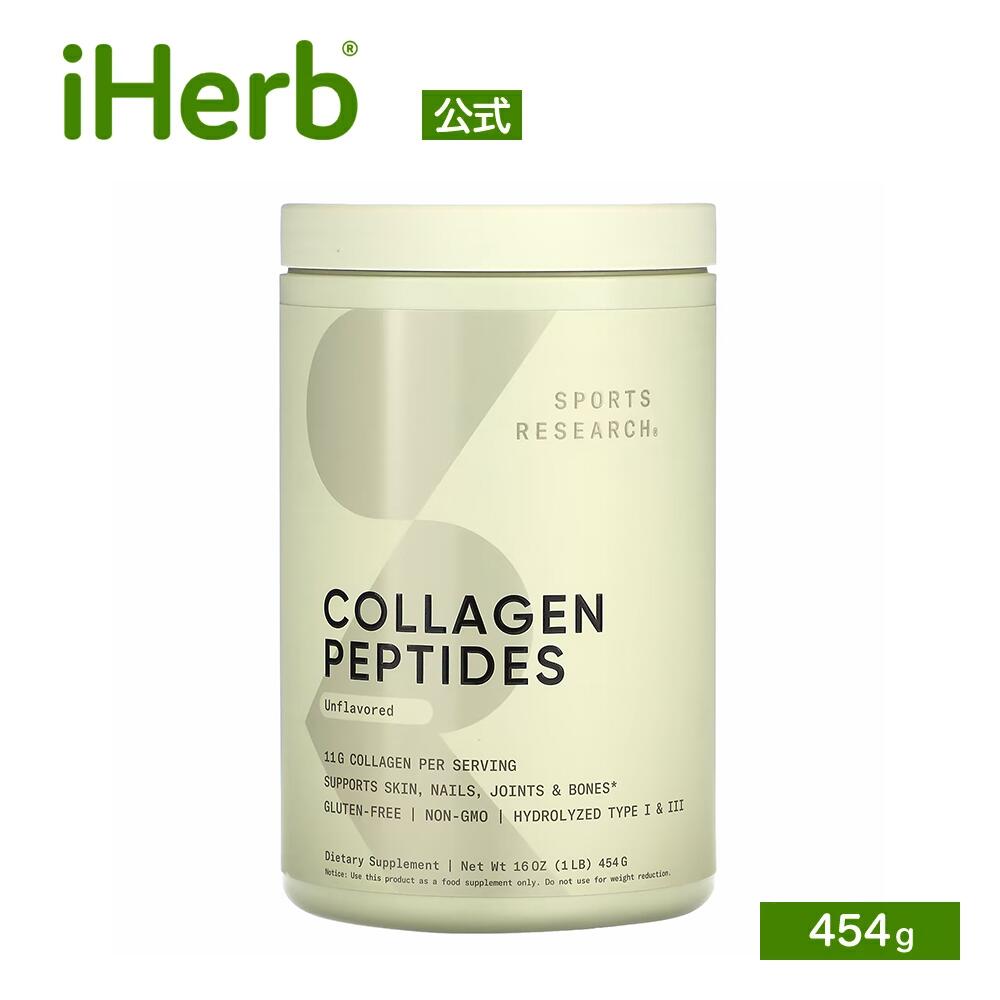
Sports Research Collagen Peptides
BSCG certified, 11g per scoop, best value with third-party testing
Sports Research makes the value argument most clearly: BSCG certification (one of the strictest third-party testing programs) at a price 10–15% below Vital Proteins. The 11g per scoop is at the lower end of the clinical range but within the dose where joint and skin benefits have been observed in controlled studies. Solubility is excellent — identical behavior to Vital Proteins in coffee and smoothies.
Pros
- ✓BSCG certified — one of the most stringent third-party supplement testing programs available
- ✓11g per scoop offers more servings per container; effective daily cost is lower than most competitors
- ✓Excellent cold and hot solubility — no clumping in coffee or smoothies
Cons
- ✗11g per serving is at the lower end of the clinical range; higher-dose protocols require double-scooping
Score breakdown
| Collagen type | Type I & III (hydrolyzed bovine) |
| Serving size | 11g collagen per 1-scoop serving |
| Source | Pasture-raised, grass-fed bovine hide |
| Added nutrients | None (clean label) |
| Certifications | BSCG (Banned Substances Control Group) certified |
| Flavor (unflavored) | Essentially tasteless in coffee and smoothies |

18g, no detectable flavor in coffee — optimized for daily coffee integration
Bulletproof Collagen is optimized for one use case: stirring into coffee daily without altering the experience. 18g per serving from pasture-raised bovine sources, with the cleanest flavor profile of any product in this comparison when added to black coffee. The honest limitation: no NSF or BSCG certification, and the keto positioning means you should understand collagen is not a complete protein.
Pros
- ✓Zero detectable flavor shift in black coffee — the cleanest-tasting unflavored collagen in this comparison
- ✓18g per serving from pasture-raised bovine sources, no fillers or artificial additives
- ✓Designed to integrate into Bulletproof-style coffee with MCT oil and butter without curdling
Cons
- ✗No NSF or BSCG third-party certification; collagen is not a complete protein (lacks tryptophan)
Score breakdown
| Collagen type | Type I & III (hydrolyzed bovine) |
| Serving size | 18g collagen per serving |
| Source | Pasture-raised bovine hide |
| Added nutrients | None (clean label) |
| Certifications | None (brand quality testing only) |
| Flavor (unflavored) | Completely undetectable in black coffee — best in category |
Which one is right for you?
For most people who want a simple daily collagen habit
Vital Proteins Collagen Peptides
20g per serving dissolves invisibly in any beverage — the lowest-friction option for consistent daily use.
For certified athletes and buyers who require third-party lab verification
Garden of Life Grass Fed Collagen
USDA organic + NSF Certified for Sport is the strongest credential combination in the collagen category.
For those who want comprehensive collagen type coverage in one product
Ancient Nutrition Multi-Collagen Protein
Five collagen types from four sources plus bone broth base — the most complete single-product formula.
For budget-conscious buyers who won't compromise on third-party testing
Sports Research Collagen Peptides
BSCG certification at 10–15% lower cost than competitors — the best value with documented quality assurance.
For daily coffee drinkers who want zero flavor impact
Bulletproof Collagen Protein
Specifically optimized to dissolve in black coffee without altering taste — unmatched in this use case.
Vital Proteins Collagen Peptides — The Market Standard, Unflavored, Dissolves in Anything
Garden of Life Grass Fed Collagen — USDA Organic, NSF Certified, Clean Label
Ancient Nutrition Multi-Collagen Protein — 5 Types from 4 Sources, Bone Broth Foundation
Sports Research Collagen Peptides — Third-Party Tested, Transparent, Strong Value
Bulletproof Collagen Protein — Keto-Friendly, Pairs with Coffee, Clean Unflavored
Frequently asked questions
Does collagen supplementation actually work, and what does the research show?▼
What is the difference between Type I, Type II, and multi-collagen supplements?▼
How long does it take to see results from collagen supplements?▼
Prices change. Check the retailer for the current price.
Comments & questions
Discussion happens on nattzy, our community forum. Sign in with Google to post — it takes a second.