Best Kids Water Bottles 2026: Leak-Proof and Easy to Clean
WriterPickly Editorial
Updated 2026-06-13
Kids lose water bottles, drop them down concrete stairs, and leave them in their backpacks until something grows inside. The best kids water bottles survive all three and still keep water cold. This guide compares 5 options using published specifications, manufacturer documentation and independent reviews.
Quick answer
For most school years, the Hydro Flask Kids 12oz Wide Mouth is the pick — TempShield double-wall insulation and a build that survives concrete stairs mean you stop replacing bottles every year. The Klean Kanteen Kid Kanteen's Sport Cap straw pulls cleanly with no bite required, the Nalgene Kids On the Fly 14oz suits ages 5+ with a wider opening for ice, and the CamelBak Eddy Kids is the value straw pick.
📋How we compared
This comparison is desk research. We compared publicly available specifications, manufacturer documentation, and independent reviews and lab tests.

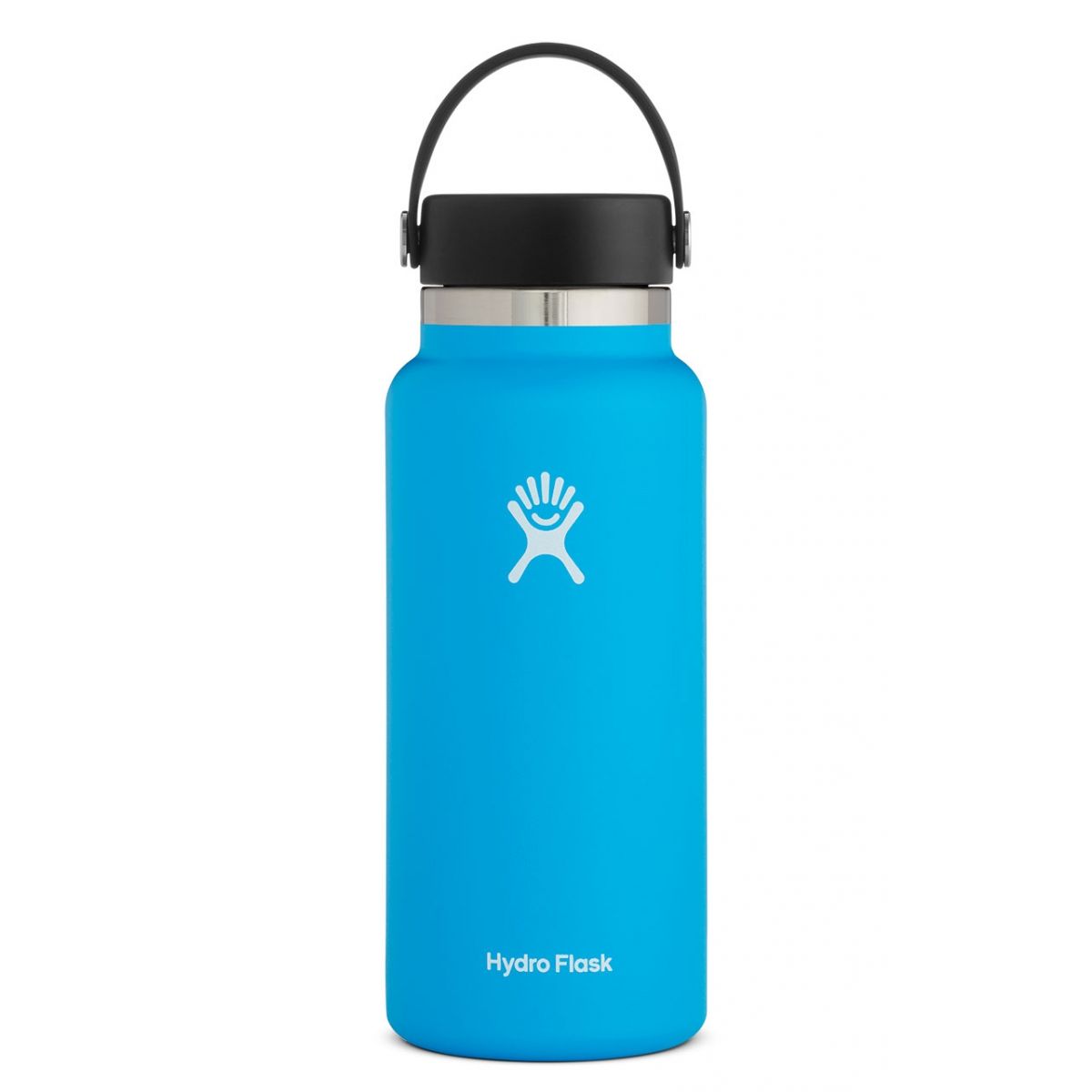
Best Overall: The Hydro Flask Kids 12oz Wide Mouth is the water bottle parents buy when they're tired of replacing cheaper options every school year. The TempShield double-wall insulation keeps water cold for most of a day — among the longest on this list.
Top picks ↓- 2

Related articles


1★ Best PickA+Best OverallHydro Flask Kids Wide Mouth Water Bottle 12oz
The Hydro Flask Kids 12oz Wide Mouth is the water bottle parents buy when they're tired of replacing cheaper options every school year. The TempShield double-wall insulation keeps water cold for most of a day — among the longest on this list. The DuraCoat powder finish generally resists chipping better than painted finishes, which is the real differentiator against painted competitors. The flex strap is easy for small hands to grip. Wide-mouth lid is easier to clean than any straw assembly.
Pros
- ✓TempShield double-wall vacuum insulation — the strongest insulation spec on this list
- ✓DuraCoat powder finish resists chipping better than painted finishes
- ✓Wide-mouth design is easiest to clean and dry completely
Cons
- ✗Wide mouth requires tilting to drink — less ideal for ages 3-4 than straw designs
- ✗Hand-wash recommended to preserve powder coat — extra step vs dishwasher-safe options
2ABest Straw BottleKlean Kanteen Kid Kanteen Insulated Water Bottle 12oz
The Kid Kanteen 12oz with Sport Cap straw is the best straw-design bottle on this list — the internal straw pulls cleanly through the cap with no bite required, making it usable for kids as young as 2.5. The chip-resistant ColorLast coating is more durable than standard paint finishes; owners report scuffs but rarely chips after repeated drops. Double-wall insulation delivers about 18 hours cold, slightly behind Hydro Flask. The Sport Cap disassembles for full dishwasher cleaning without requiring a brush.
Pros
- ✓Pull-straw design works for younger kids (2.5+) without biting required
- ✓Chip-resistant ColorLast coating holds up better than standard painted finishes
- ✓Sport Cap fully disassembles for dishwasher cleaning
Cons
- ✗Insulation (18hr cold) slightly below Hydro Flask's 22-hour performance
- ✗Straw design still requires disassembly and drying to prevent mold
3ABest for SchoolNalgene Kids On the Fly Water Bottle 14oz

The Nalgene Kids On the Fly 14oz is the right bottle specifically for school-age kids (5+) who need a larger opening for ice cubes and easy cleaning. The BPA-free Tritan plastic is lighter than stainless — 3.8oz empty vs 7oz for the Hydro Flask — which matters when it's in a backpack all day. The flip-straw design provides easy drinking without tilting. No insulation, so warm days mean warm water, but the wide opening means ice cubes go in easily in the morning. Fully dishwasher safe including the lid and straw.
Pros
- ✓14oz capacity with wide opening fits ice cubes and is easiest to clean
- ✓Lightest bottle on this list at 3.8oz — suitable for lighter backpacks
- ✓Fully dishwasher safe including all lid components
Cons
- ✗No insulation — water reaches ambient temperature within 2-3 hours outdoors
- ✗Tritan plastic less durable than stainless steel for heavy drop use
Subscribe to our newsletter
Occasional updates and new releases — no spam.
4B+Best Budget StrawCamelBak Eddy+ Kids Water Bottle 12oz

The CamelBak Eddy Kids 12oz is the value straw pick — the bite-and-sip straw valve is intuitive for kids who've used CamelBak hydration packs, and the entire lid assembly is fully dishwasher safe on the top rack. The Tritan plastic construction is BPA-free and handles drops without cracking, though it doesn't have the drop durability of stainless. No insulation, which is the main practical limitation. For school-age kids whose bottle lives in an air-conditioned classroom, the lack of insulation matters less than it would for outdoor sports.
Pros
- ✓Bite-and-sip straw valve is intuitive for kids familiar with CamelBak
- ✓Fully dishwasher-safe lid assembly — no special cleaning required
- ✓Budget price makes it easy to replace without significant expense
Cons
- ✗No insulation — water warms to room temperature within 2 hours
- ✗Tritan plastic less impact-resistant than stainless for outdoor or sports use
5B+Best Value InsulatedThermoflask Kids Insulated Water Bottle 14oz

The Thermoflask Kids 14oz is the answer to wanting stainless steel insulation without Hydro Flask pricing. Double-wall vacuum insulation is listed at up to 24 hours cold — on par with Hydro Flask — at roughly half the price. The included straw lid and chug lid give two drinking options out of the box. The powder coat finish may show wear sooner than Hydro Flask's DuraCoat after drops, but functionally the insulation performance is nearly identical. Two of these for the price of one Hydro Flask is a legitimate value argument.
Pros
- ✓24-hour cold insulation matches Hydro Flask at half the price
- ✓Includes both straw lid and chug lid in the box — two configurations
- ✓Stainless steel construction with BPA-free design
Cons
- ✗Powder coat may show wear and chips sooner than Hydro Flask DuraCoat
- ✗Less brand recognition — less exciting for brand-conscious older kids
What Makes a Kids Water Bottle Worth Buying
The fundamental tension in kids water bottles is durability vs cleanability — stainless steel handles drops better than plastic but can be harder to dry inside. Straw designs are easier for small kids but grow mold faster than spout designs if not dried properly. The best options find a middle ground without compromising on either.
Straw vs Spout vs Wide-Mouth
Straw designs are easiest for kids under 5 to use independently without tipping and spilling. Spout designs (like the Nalgene On the Fly) require a slight tilt but are easier to clean. Wide-mouth bottles are the easiest to clean and fill with ice but require tilting to drink — more difficult for toddlers but fine for school-age kids.
Insulation for Hot Weather
Double-wall vacuum insulation keeps water cold for 8-24 hours depending on quality. At outdoor sports practice in summer heat, the difference between an insulated bottle and a plastic water bottle is your child actually drinking enough water. Single-wall stainless or plastic bottles brought to soccer practice in July will have warm water by halftime.
Cleaning Ease
Straw assemblies trap residue in the tube and around the valve — they need to come apart for real cleaning, which means the components need to be dishwasher-safe or easy to scrub with a narrow brush. Wide-mouth designs are by far the easiest to dry completely inside, which prevents the mold growth that ruins otherwise good bottles.
Durability
Powder-coated stainless steel generally holds up to drops on concrete better than painted finishes, which tend to chip. That makes the Hydro Flask's DuraCoat powder finish a meaningful advantage over painted competitors. Plastic bottles crack and dent plastic instead of denting stainless, but stainless dents are typically cosmetic rather than functional.
How These Five Stack Up
The Hydro Flask Kids Wide Mouth and Klean Kanteen Kid Kanteen are the clear tier-one picks — both have genuine TempShield and food-grade stainless construction that outlasts multiple school years. The Hydro Flask wins on insulation duration and drop durability; the Klean Kanteen wins on straw convenience for younger kids. The Nalgene Kids On the Fly is the best choice specifically for kids who need a larger-opening bottle for school lunch — the wide opening works for ice cubes and the Tritan plastic is lighter than steel.
The CamelBak Eddy Kids is the value-leader straw bottle — dishwasher-safe, reasonable insulation, and the bite-and-sip straw design works for kids who struggle with conventional straw pull. The Thermoflask Kids 14oz is the budget insulated stainless pick — up to 24 hours of cold performance at a price that makes it rational to buy two so there's always a clean one ready.
Bottom Line
The Hydro Flask is the buy-once-use-for-years pick if you want the best all-around. The Klean Kanteen is the right call for kids aged 3-5 who need a straw for independent drinking. The CamelBak Eddy Kids is the value straw pick for school-age kids. The Thermoflask is the best budget insulated option if you want stainless steel without the Hydro Flask price. The Nalgene is specifically the right answer for kids who need a bigger opening for ice and easy cleaning.
Frequently asked questions
Is stainless steel safe for kids water bottles?▼
Are kids water bottles dishwasher safe?▼
How long do insulated kids water bottles keep water cold?▼
How do I prevent mold in kids water bottles?▼
What size water bottle should I get for my child's age?▼
Check the details of the products in this article
- Hydro Flask Kids Wide Mouth Water Bottle 12oz$29〜35Reference price
- Klean Kanteen Kid Kanteen Insulated Water Bottle 12oz$25.95Price as of 2026-10-27
- Nalgene Kids On the Fly Water Bottle 14oz$13〜18Reference price
- CamelBak Eddy+ Kids Water Bottle 12oz$25.69Price as of 2026-10-27
- Thermoflask Kids Insulated Water Bottle 14oz$18.89Price as of 2026-10-27
Prices change. Check the retailer for the current price.
Comments & questions
Discussion happens on nattzy, our community forum. Sign in with Google to post — it takes a second.
Still deciding? Ask the community your own question — Post a question on nattzy ↗
Related articles

Best Kids Tablet 2026: 5 Picks for Learning and Play

Best Kids Lunch Box 2026: 5 That Keep Food Safe and Fresh
Best Kids Headphones 2026: Puro vs LilGadgets vs JBL JR310

Best Kids Scooters 2026: Safe, Durable Picks Age 2 to 12

Best Gifts for Kids 2026: 8 Ideas by Age

Best Coconut Water 2026: Vita Coco vs Harmless Harvest