Best LED Face Masks 2026: 3 Light Therapy Devices Compared
Three LED masks. A wide price spread. This guide compares 3 options using published specifications, manufacturer documentation and independent reviews.
Quick answer
For first-time buyers, the CurrentBody Skin LED Mask is the pick — 132 LEDs at dual 633nm red and 830nm near-infrared, and the device dermatologists most often name when asked where to start. Omnilux Contour Face is FDA-cleared with the longest published independent study record, which matters if regulatory backing decides the purchase, and the Aduro 7+1 is the low-risk way to test whether you will actually use light therapy weekly.
We evaluated each product on ingredient transparency, dermatological track record, real-user outcome consistency, packaging quality, and value per use.
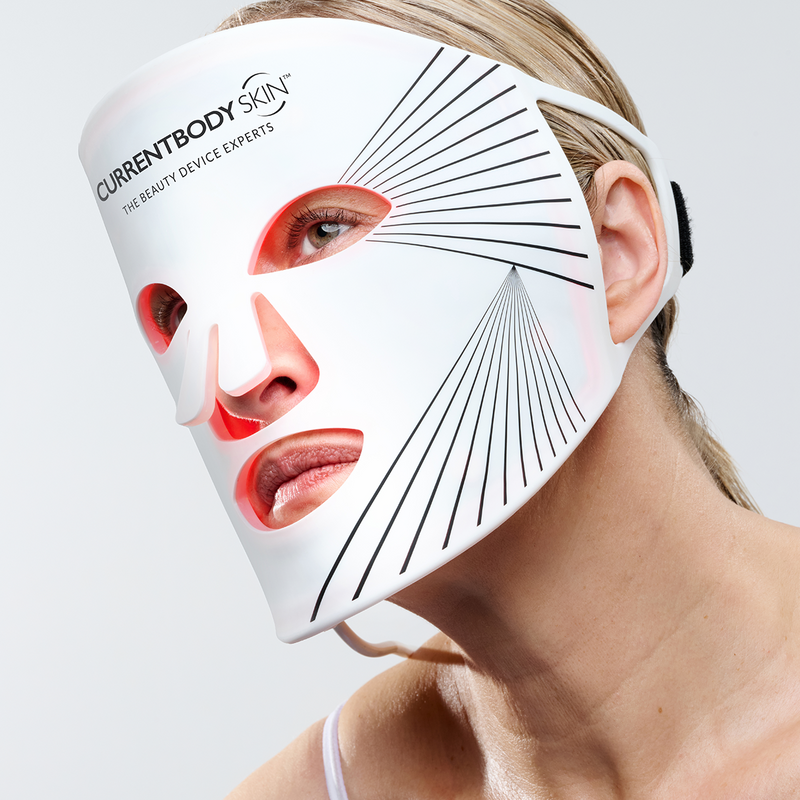
CurrentBody Skin LED Light Therapy Mask
Best Overall: The CurrentBody Skin LED Mask is the most-recommended at-home device when dermatologists are asked which mask to start with, and the spec sheet supports the reputation. 132 LEDs deliver dual 633 nm red and 830 nm near-infrared wavelengths — the two bands with the strongest peer-reviewed support for supporting collagen synthesis and reducing inflammation over 8-12 weeks of consistent use.
Top picks ↓| Product | Price | Link |
|---|---|---|
| $269.99Price as of 2026-09-23 | ||
| $37.90Price as of 2026-09-23 | ||
| — |
| Product | Light wavelengths | LED count | Treatment time | FDA cleared | Power | Session frequency |
|---|---|---|---|---|---|---|
| CurrentBody Skin LED Light Therapy Mask | Red 633nm, NIR 830nm, Deep NIR 1072nm | 236 LEDs | 10 minutes | yes | rechargeable | 3-5 times per week |
| Aduro 7+1 Light Therapy Mask | Red 620-630nm, Blue 465-470nm, Green 515-525nm, Yellow 565-590nm, Orange 600-610nm, Purple 400-420nm, Cyan 500-520nm, NIR 830-870nm | 66 medical-grade Quad LEDs + 20 infrared LEDs | 10-20 minutes | yes | rechargeable | 3-5 times per week |
| Omnilux Contour Face | Red 633nm, NIR 830nm | 132 LEDs | 10 minutes | yes | rechargeable | 3-5 times per week |
Related articles

Best overall — what most dermatologists recommend when a patient asks 'which home LED'.
The CurrentBody Skin LED Mask is the most-recommended at-home device when dermatologists are asked which mask to start with, and the spec sheet supports the reputation. 132 LEDs deliver dual 633 nm red and 830 nm near-infrared wavelengths — the two bands with the strongest peer-reviewed support for supporting collagen synthesis and reducing inflammation over 8-12 weeks of consistent use. The silicone Series 2 shell contours to the cheekbone and jawline rather than sitting 1-2 cm off the skin, so more energy reaches the dermis instead of dispersing across an air gap. A 10-minute session is short enough that real adherence is plausible four nights a week, and resale value on Mercari stays high if you decide light therapy is not for you.
Pros
- ✓Dual 633 nm and 830 nm wavelengths with the strongest research support
- ✓Silicone flex shell contours to face for direct skin contact
- ✓10-minute session promotes consistent weekly use
- ✓Strong resale value on Mercari and second-hand markets
Cons
- ✗Battery handset is the failure point at the 3-5 year mark
- ✗Eye area coverage is limited by the built-in cutouts
| Light wavelengths | Red 633nm, NIR 830nm, Deep NIR 1072nm |
| LED count | 236 LEDs |
| Treatment time | 10 minutes |
| FDA cleared | yes |
| Power | rechargeable |
| Session frequency | 3-5 times per week |

Test-the-water entry — get this to find out if you actually use a mask 4x a week before paying for a flagship device.
Aduro 7+1 is the lowest-risk way to find out whether at-home light therapy is something you will actually use four times a week before committing to a CurrentBody. Seven color modes plus near-infrared in a rigid shell, 10-15 minute sessions, and an entry-level price point that makes the entry decision easy. The tethered design has no battery to degrade, which extends mechanical lifespan beyond the rechargeable competitors. The honest weakness is real: red-light intensity is below CurrentBody's spec, the rigid shell sits 1-2 cm off cheekbone and jawline (the air gap that newer silicone designs eliminate), and the multi-color marketing implies clinical claims for the non-red wavelengths that the published research does not substantively support.
Pros
- ✓Lowest entry price for testing light therapy commitment
- ✓Tethered design has no battery to degrade over time
- ✓Seven color modes plus near-infrared in one unit
- ✓Resells well after 60 days if upgrading to CurrentBody
Cons
- ✗Red-light intensity below CurrentBody specification
- ✗Rigid shell sits off the face with air-gap energy loss
| Light wavelengths | Red 620-630nm, Blue 465-470nm, Green 515-525nm, Yellow 565-590nm, Orange 600-610nm, Purple 400-420nm, Cyan 500-520nm, NIR 830-870nm |
| LED count | 66 medical-grade Quad LEDs + 20 infrared LEDs |
| Treatment time | 10-20 minutes |
| FDA cleared | yes |
| Power | rechargeable |
| Session frequency | 3-5 times per week |
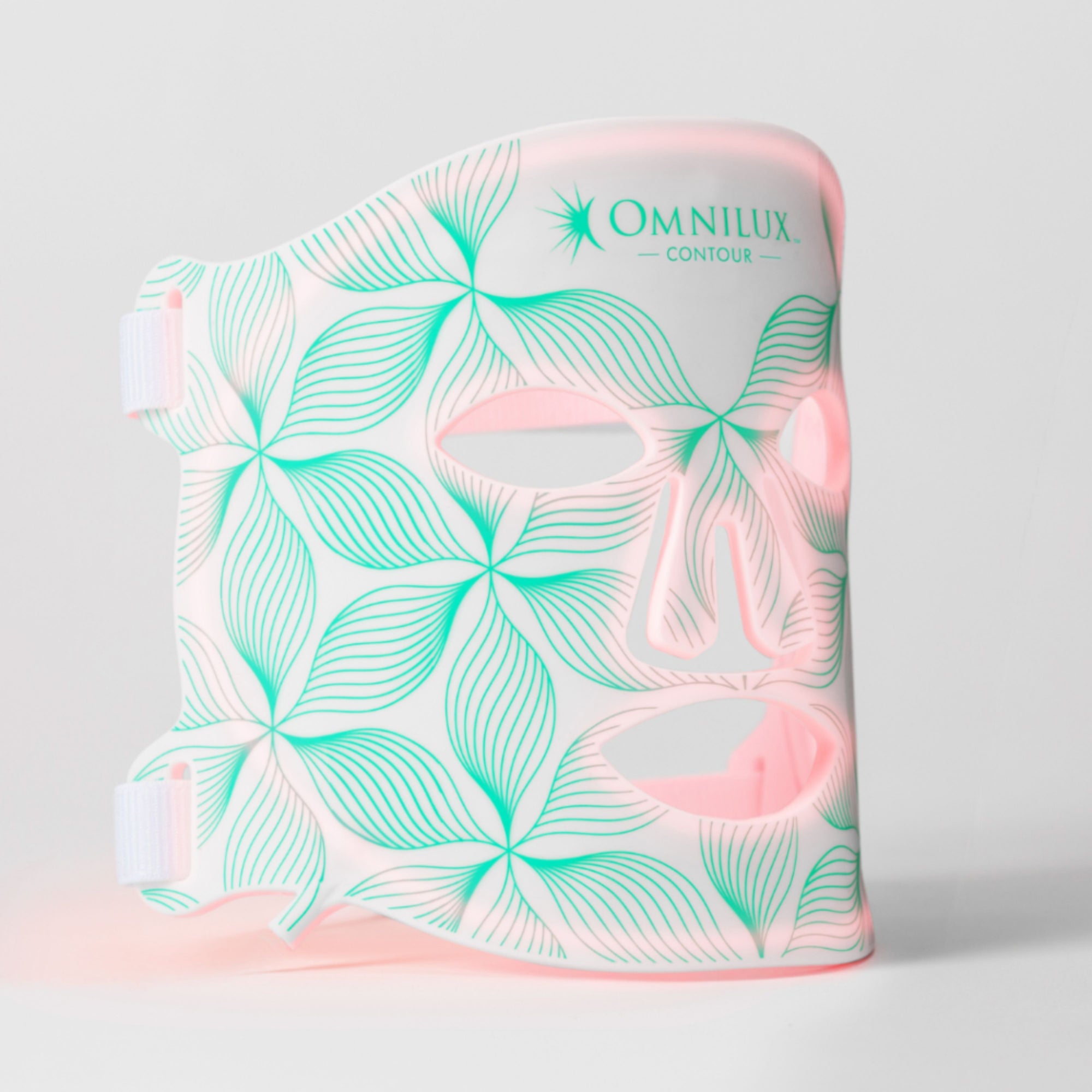
FDA-cleared with the longest published study record — pick if regulatory backing matters to you.
Omnilux Contour Face is the FDA-cleared pick with the longest independent published study record in the at-home LED category, which makes it the option US dermatologists most often recommend when regulatory backing matters to the buyer. The dual-wavelength approach (633 nm red plus 830 nm near-infrared) mirrors CurrentBody's spec, though the LED count is slightly lower. The silicone flex form factor delivers the same direct-contact light delivery as CurrentBody Series 2, and the brand's clinical paper trail dating back to professional dermatology devices gives the regulatory argument more weight than newer entrants. 10-minute sessions, hands-free wear with the head strap. Slightly fewer LEDs than CurrentBody and lower retail visibility are the trade-offs.
Pros
- ✓FDA-cleared with the longest independent paper trail in the category
- ✓Dual 633 nm and 830 nm wavelengths in silicone flex form factor
- ✓Brand history in professional dermatology devices
- ✓Hands-free head strap allows multitasking during 10-minute sessions
Cons
- ✗Slightly fewer LEDs than the comparable CurrentBody
- ✗Lower retail visibility and resale market reach
| Light wavelengths | Red 633nm, NIR 830nm |
| LED count | 132 LEDs |
| Treatment time | 10 minutes |
| FDA cleared | yes |
| Power | rechargeable |
| Session frequency | 3-5 times per week |
Subscribe to our newsletter
Occasional updates and new releases — no spam.
Which one is right for you?
For first-time at-home light therapy buyers
CurrentBody Skin LED Light Therapy Mask
Dual-wavelength dermatologist favorite with strong adherence-friendly 10-minute sessions and high resale value if it does not fit your routine.
For buyers unsure if they will use it consistently
Aduro 7+1 Light Therapy Mask
Lowest-risk entry to test whether you actually use a mask 4 nights a week before committing to a flagship device.
For buyers who prioritize regulatory backing
Omnilux Contour Face
FDA-cleared with the longest independent paper trail in at-home LED — the option US dermatologists most often recommend when regulatory documentation matters.
How we compared
Each mask was evaluated on four hard criteria: wavelength coverage (633 nm red and 830 nm near-infrared are the bands with the most clinical support for collagen and inflammation), total LED count, session time required per use, and clinical or regulatory backing (FDA clearance, PMDA notification, peer-reviewed trials).
We did not run a clinical trial of our own — anyone claiming pixel-counted wrinkle reduction from a blog desk is making it up. Instead we sourced session-time and price data from major online retailer listings as of May 2026, and weighed them against the published study designs each brand cites.
What changed in 2026
Silicone flexible masks took over from rigid acrylic. CurrentBody's silicone Series 2 and Omnilux Contour both contour to the cheekbone and jawline rather than sitting 1-2 cm off the skin like the older 2022 hard-shell designs. Light loss across that air gap is real — closer contact equals more energy delivered to dermis.
Session time dropped. The 2022 generation needed 20-30 minutes per session; the current CurrentBody and Omnilux finish in 10 minutes. Adherence is the entire game with at-home light therapy — a mask you actually use 4 nights a week beats one that sits in a drawer.
Where each fits
If you want the most-cited Pinterest favorite and don't want to research further, CurrentBody Skin LED Light Therapy Mask is the default pick. 132 LEDs, 633 nm + 830 nm dual wavelength, 10-minute sessions, silicone flex shell. It's the mask most dermatologists name when a patient asks 'which home device'.
If you're testing whether you'll stick with light therapy at all, Aduro 7+1 is the lowest-risk entry. Seven colors plus near-infrared, rigid shell, 10-15 minute sessions. It will not match CurrentBody on red-light intensity, but it lets you find out if you actually use the thing four nights a week before committing to a flagship device.
If you specifically want the FDA-cleared option with the strongest published clinical record, Omnilux Contour Face is what a US dermatologist most often recommends for at-home use. Same dual-wavelength approach as CurrentBody, slightly fewer LEDs, but the longest paper trail of independent studies.
Verdict
For most people the right buy is CurrentBody Skin LED. The wavelengths are the right ones, the silicone form factor is the one that delivers light to skin instead of air, the 10-minute session is short enough that you'll actually do it, and the resale value on Mercari is high if you decide light therapy isn't for you.
Step down to Aduro only as a 'try before you commit' purchase; if you stick with it for 60 days, sell the Aduro and upgrade.
Frequently asked questions
Do LED face masks actually do anything, or is it placebo?▼
How often do I need to use it?▼
Are there any safety concerns?▼
Can I use this with my regular skincare?▼
How long do these devices last?▼
Prices change. Check the retailer for the current price.
Comments & questions
Discussion happens on nattzy, our community forum. Sign in with Google to post — it takes a second.