Mejores botas para perros 2026: 5 pares
Mantener botas en las patas de un perro es un desafío real — la pata se estrecha hacia arriba sin tobillo al que anclarse. Los pares que funcionan combinan velcro, cierre de tobillera y suelas antideslizantes.
Esta comparativa se basa en investigación documental: especificaciones publicadas, documentación del fabricante y análisis independientes.
Mejor en general: Las Grip Trex de Ruffwear montan suela Vibram —el mismo compuesto de goma que llevan las botas de montaña de gama alta— y se nota. Sobre roca mojada y grava suelta, el perro agarra bastante mejor que con la pata desnuda.
Nuestras recomendaciones ↓Nuestras recomendaciones
Artículos relacionados

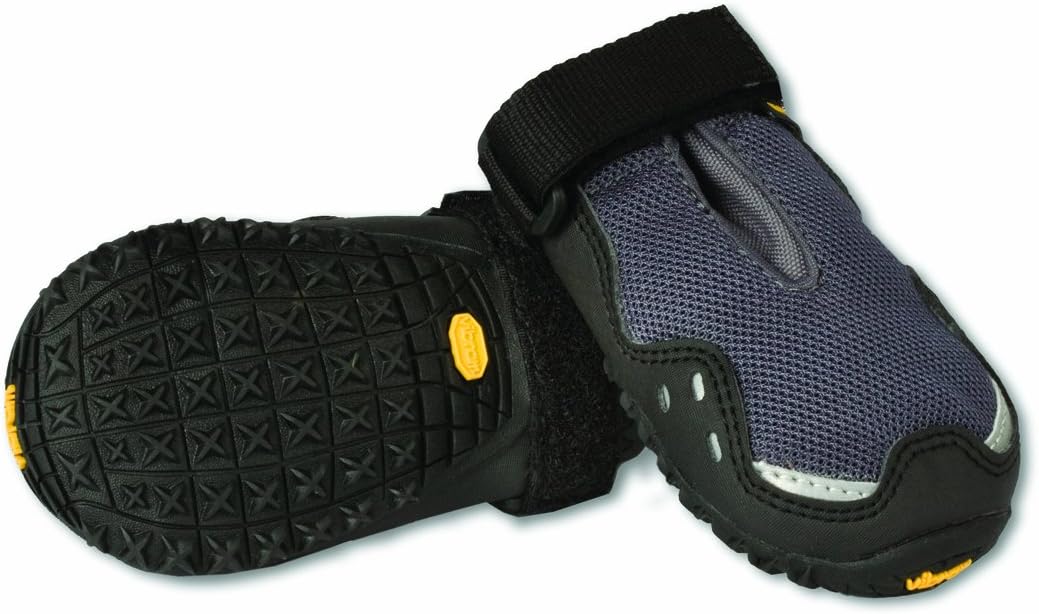
Las Grip Trex de Ruffwear montan suela Vibram —el mismo compuesto de goma que llevan las botas de montaña de gama alta— y se nota. Sobre roca mojada y grava suelta, el perro agarra bastante mejor que con la pata desnuda. El doble cierre de velcro en la muñeca crea un ajuste firme que, según los dueños, aguanta kilómetros de sendero técnico incluso en perros que pierden cualquier otra bota. La caña es de malla transpirable para el calor. Son caras, pero la durabilidad a lo largo de meses deja un coste por uso razonable.
Puntos fuertes
- ✓La suela Vibram da agarre real en superficies mojadas y sueltas
- ✓Doble cierre de velcro que se mantiene en su sitio en perros activos
- ✓Caña de malla que transpira bien en verano
Puntos débiles
- ✗Precio más alto que la mayoría de la competencia
- ✗La tabla de tallas exige medir con precisión: no perdona errores

Muttluks fabrica botas para perro desde 1994, y la versión de invierno con forro polar es el producto que le dio nombre. El doble cierre —velcro en la muñeca más un cordón con tanka por encima del corvejón— es el sistema de sujeción más fiable de esta comparativa para razas de patas estrechas, que es justo donde los dueños dicen que se les salen otras botas. El forro polar abriga de verdad hasta unos -15 °C. La suela de goma no llega al nivel de agarre de una Vibram, pero se defiende bien en el hielo normal de acera. La caña de lona repele el agua y frena la sal de forma eficaz.
Puntos fuertes
- ✓El doble cierre se adapta bien a perros de patas estrechas
- ✓Forro polar apto para frío de verdad
- ✓Larga trayectoria: marca consolidada desde 1994
Puntos débiles
- ✗El agarre de la suela no es el ideal en hielo técnico
- ✗La caña de lona puede coger humedad con nieve derretida
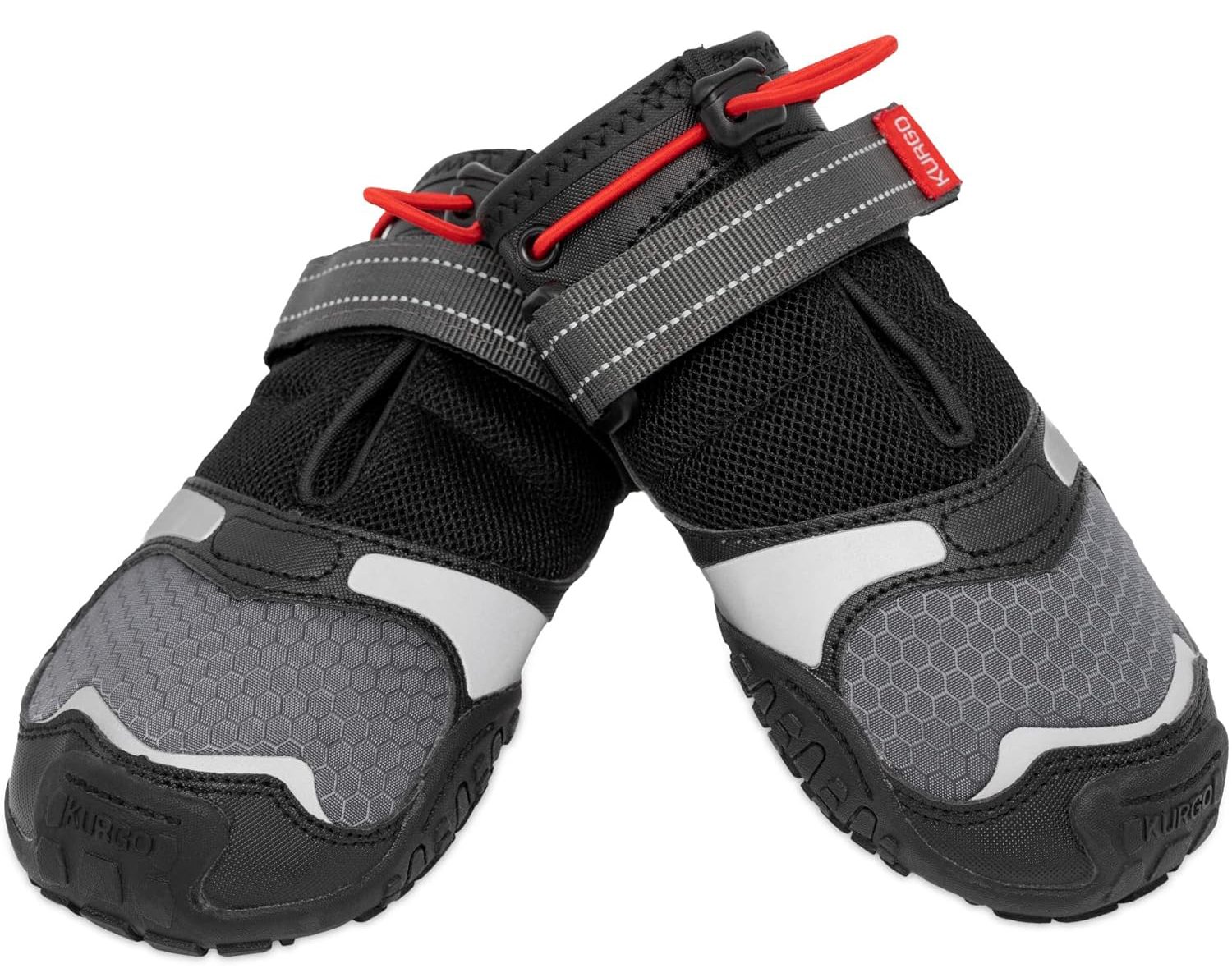
Kurgo diseñó la Blaze Cross como bota para los doce meses: la caña transpira en verano y la suela de goma aguanta la sal del invierno sin problema. La combinación de cordones y velcro añade un punto de ajuste que casi nadie más ofrece, lo que la hace más adaptable a patas con formas raras. La suela tiene un dibujo central que agarra lo suficiente en sendero sin ser tan agresivo como para desgastar la almohadilla en el asfalto. Una bota todoterreno sólida si solo quieres tener un par.
Puntos fuertes
- ✓Cordones más velcro para adaptarse a patas de formas poco comunes
- ✓Materiales para todo el año: caña transpirable y suela con agarre
- ✓Precio intermedio para una versatilidad de temporada completa
Puntos débiles
- ✗Al valer para todo, no destaca en ninguna condición concreta
- ✗Atar los cordones lleva más tiempo que un cierre solo de velcro
Suscríbete al boletín
Novedades y lanzamientos ocasionales, sin spam.

Las Pawz son globos finos de goma que se estiran sobre la pata y sellan en la muñeca: apenas se notan en el pie, y por eso los perros que rechazan cualquier bota tradicional suelen aceptarlas. Son 100 % impermeables, resistentes a productos químicos (perfectas para aceras cubiertas de sal) y desechables: un paquete de 12 cuesta menos que una sola bota clásica. A cambio, cero aislamiento y muy poco agarre. Ideales para perros que solo necesitan protección frente al calor o los químicos y no toleran nada más.
Puntos fuertes
- ✓Casi no se notan en la pata: las aceptan perros que rechazan las botas clásicas
- ✓Totalmente impermeables y resistentes a la sal y a los químicos
- ✓Desechables: nada de lavarlas, se cambian cuando se rompen
Puntos débiles
- ✗Cero aislamiento: no valen para el frío
- ✗Muy poco agarre sobre hielo o superficies mojadas

Las zapatillas antideslizantes de Hikenture cuestan alrededor del 40 % de lo que valen las Ruffwear y aguantan sorprendentemente bien en sendero suave y ciudad. La caña de malla transpira lo justo, los velcros se mantienen en su sitio durante casi todo un paseo normal y la suela de goma tiene textura suficiente para no resbalar sobre baldosa o camino ligero. Pasadas 30 salidas el velcro empieza a acusarlo, pero para quien quiere probar las botas antes de gastarse el dinero en una opción premium, son un punto de partida razonable.
Puntos fuertes
- ✓Precio muy por debajo de las alternativas premium
- ✓Caña de malla transpirable para el calor
- ✓Suela con textura antideslizante para superficies del día a día
Puntos débiles
- ✗El velcro se desgasta antes que en las opciones premium
- ✗Suela menos duradera: no para montaña exigente
Qué mirar al elegir botas para perro
Las botas para perro cumplen funciones distintas según la estación y el terreno: asfalto ardiendo en verano, sal e hielo en invierno, abrasión por piedras en la montaña o protección de una herida tras una operación. La bota adecuada para un paseo por la playa en julio no es la misma que necesitas en febrero sobre una acera tratada con sal.
Cómo se comparan estas cinco
Las Ruffwear Grip Trex marcan el estándar en montaña: suela Vibram, construcción robusta y el mejor sistema de sujeción de esta comparativa. Las Muttluks son las especialistas en frío: el forro polar y la caña sellada las convierten en la opción correcta para perros que viven en climas realmente fríos y necesitan abrigo y agarre a la vez.
Las Blaze Cross de Kurgo son la opción versátil para todo el año. Las Pawz de goma desechables resuelven el caso del perro que no soporta las botas clásicas: tan finas que se sienten naturales y tan baratas que se usan como consumible. Las Hikenture se llevan el puesto económico con una durabilidad sorprendente para lo que cuestan.
En resumen
Para montaña, las Ruffwear Grip Trex compensan la inversión. Para aceras invernales con sal, las Muttluks forradas son la elección práctica. Si tu perro rechaza todas las botas y lo que buscas es protegerlo del asfalto caliente o de los productos químicos, las Pawz desechables son el camino de menos resistencia.
Preguntas frecuentes
¿Cómo mido las patas de mi perro para acertar con la talla?▼
¿Cómo acostumbro a mi perro a llevar botas?▼
¿A partir de qué temperatura del suelo hacen falta botas?▼
¿Puede mi perro llevar botas en el agua?▼
¿Por qué se le caen siempre las botas a mi perro?▼
Comentarios y preguntas
La conversación ocurre en nattzy, nuestro foro. Entra con Google para participar.