Meilleurs masques de sommeil voyage 2026 : 5 comparés
WriterPickly Éditorial
Mis à jour le 2026-06-13
Dormir dans un vol long-courrier n'est pas une question de volonté — c'est une question de bloquer chaque rayon de lumière parasite. La différence entre un masque en mousse bon marché et un masque conçu pour le sommeil correspond à environ 90 minutes de sommeil supplémentaire par vol.
En bref
Le Manta Sleep Mask Pro est le choix idéal pour une obscurité totale : ses coques oculaires réglables indépendamment forment une cavité sans pression qui ne touche jamais vos paupières, et un pont nasal amovible en mousse comble l'espace par lequel la lumière passe avec la plupart des masques. Le masque en soie Alaska Bear est fabriqué en soie de mûrier de 19 mommes et se range à plat, le masque Tempur-Pedic épouse les contours du visage pour soulager la pression, le Bucky 40 Blinks offre le dégagement de coques rigides pour une fraction du prix du Manta, et le masque profilé Drift to Sleep est le plus léger.
📋Notre méthode de comparaison
Cette comparaison repose sur une recherche documentaire : spécifications publiées, documentation constructeur, tests et avis indépendants.

Meilleur globalement: Le Manta Sleep Mask Pro est le masque qui a fait arrêter de nombreux voyageurs fréquents d'improviser avec des foulards. Les coques oculaires ajustables sont l'innovation clé : elles se positionnent sur vos yeux indépendamment, créant une cavité à pression zéro qui ne touche ni vos paupières ni ne laisse entrer de lumière sur les bords.
Notre sélection ↓- 3
 Tempur-Pedic Sleep MaskAMeilleur pour le soulagement de pression$25〜35prix de référence aux États-Unis
Articles connexes
1★ Best PickA+Meilleur globalementManta Sleep Mask PRO
Le Manta Sleep Mask Pro est le masque qui a fait arrêter de nombreux voyageurs fréquents d'improviser avec des foulards. Les coques oculaires ajustables sont l'innovation clé : elles se positionnent sur vos yeux indépendamment, créant une cavité à pression zéro qui ne touche ni vos paupières ni ne laisse entrer de lumière sur les bords. Le pont en mousse au nez — une pièce amovible — scelle l'espace où la plupart des masques échouent. La sangle est à double position et assez large pour ne pas s'enfoncer à l'arrière de votre tête sur un appui-tête. Il est plus encombrant qu'un masque en soie mais se compresse assez petit pour tenir dans toute trousse de toilette.
Points forts
- ✓Les coques oculaires ajustables éliminent complètement la pression sur les yeux
- ✓Pont en mousse au nez amovible pour un scellement de lumière complet
- ✓Zéro contact avec les paupières ou cils
Points faibles
- ✗Plus encombrant que les masques plats
- ✗Prix plus élevé
2AMeilleur masque en soieAlaska Bear Natural Silk Sleep Mask
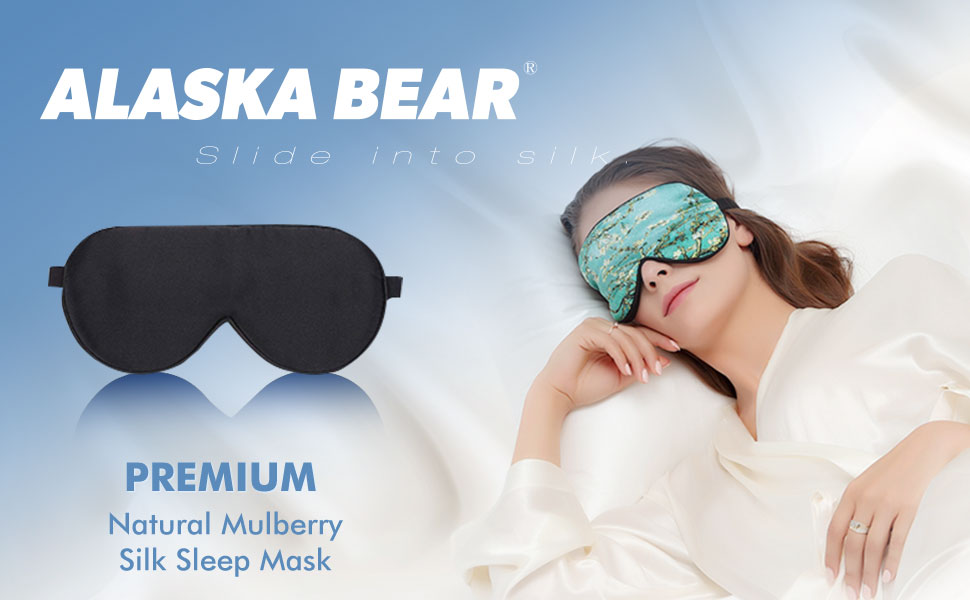
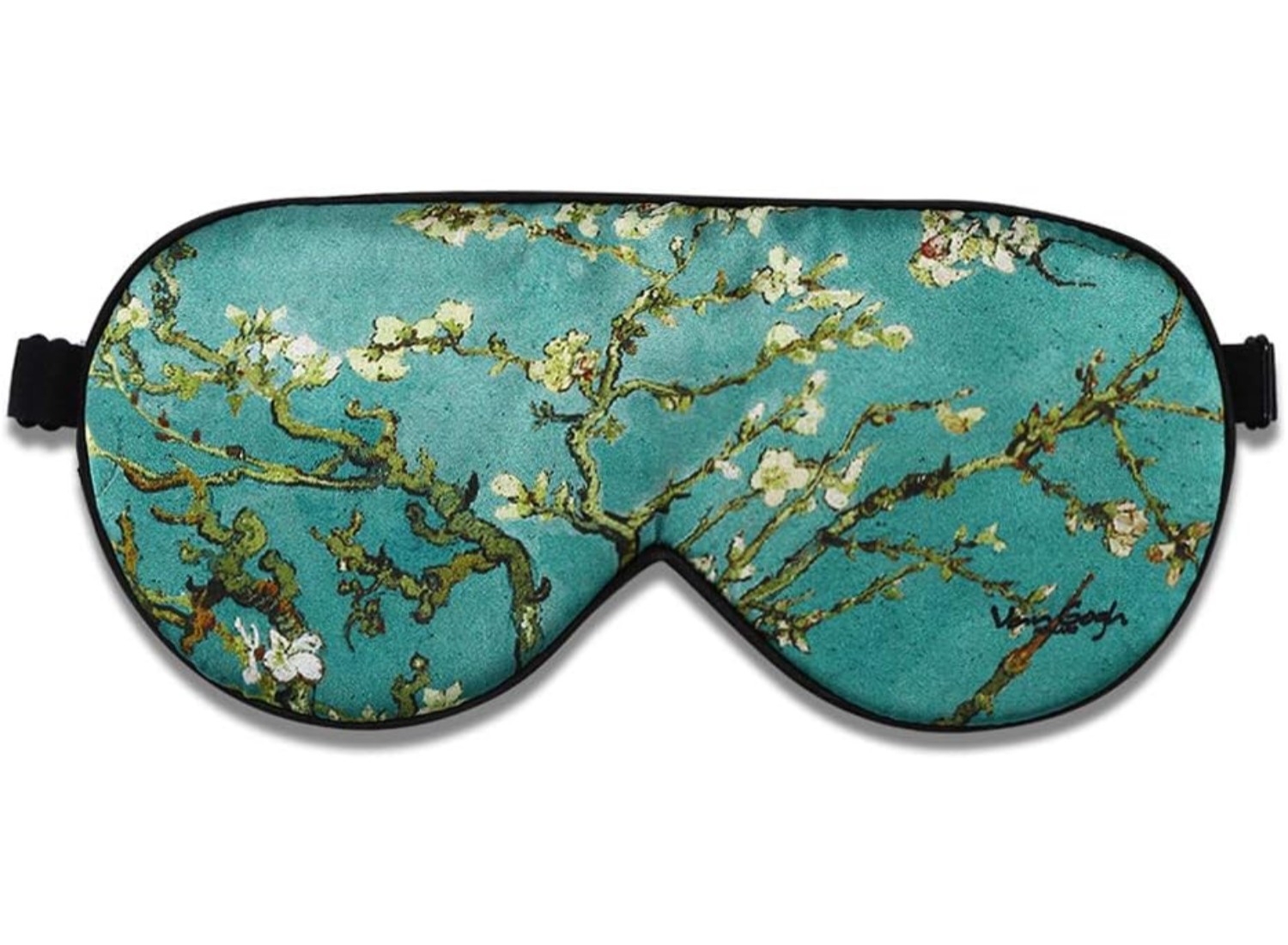
Le masque Alaska Bear Natural Silk est la recommandation standard pour les voyageurs à masque plat qui veulent une expérience de matériau premium. La soie mûrier 19 momme est douce contre la peau et respire mieux que tout synthétique. La sangle ajustable prévient le glissement sans pincer. Là où il manque son but est le blocage de lumière — le tissage de soie n'est pas assez dense pour un blackout complet, et le design plat laisse entrer de la lumière au pont du nez sur la plupart des formes de visage. Excellent pour un usage en chambre d'hôtel ou comme masque secondaire ; moins idéal comme votre seule défense de vol long-courrier.
Points forts
- ✓La vraie soie mûrier se sent notablement mieux que la mousse
- ✓Léger et s'emballe à plat
- ✓Tissu régulateur de température
Points faibles
- ✗Pas complètement bloquant de lumière au pont du nez
- ✗Le design plat crée une pression sur les yeux
3AMeilleur pour le soulagement de pressionTempur-Pedic Sleep Mask
Tempur-Pedic a amené leur technologie de mousse à soulagement de pression dans un masque de sommeil, et le résultat est un masque plat notablement plus confortable que la mousse standard contre le visage. Le matériau se conforme mieux aux contours du visage que la mousse polyester rigide, réduisant les points de pression autour du nez et des pommettes. Il n'atteint pas le design de coque sans contact du Manta, mais la différence de confort par rapport à un masque plat standard est réelle. La performance de blackout est bonne — la densité de la mousse bloque la plupart de la lumière. Meilleur pour des siestes plus courtes ou des dormeurs légers que pour un long-courrier de 14 heures.
Points forts
- ✓Le matériau Tempur se conforme aux contours du visage
- ✓Meilleur soulagement de pression que la mousse standard
- ✓Bonne performance de blackout pour un masque plat
Points faibles
- ✗Crée toujours une certaine pression sur les yeux (design plat)
- ✗Retient plus de chaleur que la soie ou les masques contourés
Abonnez-vous à la newsletter
Nouveautés et actualités occasionnelles, sans spam.
4B+Meilleur contouré économiqueBucky 40 Blinks Sleep Mask

Le Bucky 40 Blinks est le masque contouré économique de référence depuis des années, et cette réputation est méritée. La coque rigide crée un dégagement complet de coque oculaire, la découpe au nez est plus profonde que les concurrents à ce prix, et la sangle est assez ajustable pour fonctionner sur la plupart des tailles de tête. Il n'est pas aussi raffiné que le Manta — les coques ne sont pas individuellement ajustables et la sangle n'est pas aussi bien rembourrée — mais pour la différence de prix, c'est une valeur convaincante. La forme moulée se comprime quelque peu dans un sac, donc ne le rangez pas sous des articles lourds.
Points forts
- ✓Design style coque à une fraction du prix du Manta
- ✓Scellement décent du pont du nez
- ✓Coque rigide légère
Points faibles
- ✗Les coques ne sont pas individuellement ajustables
- ✗La forme peut se comprimer avec un emballage brusque
5B+Meilleur économiqueDrift to Sleep Contour Sleep Mask
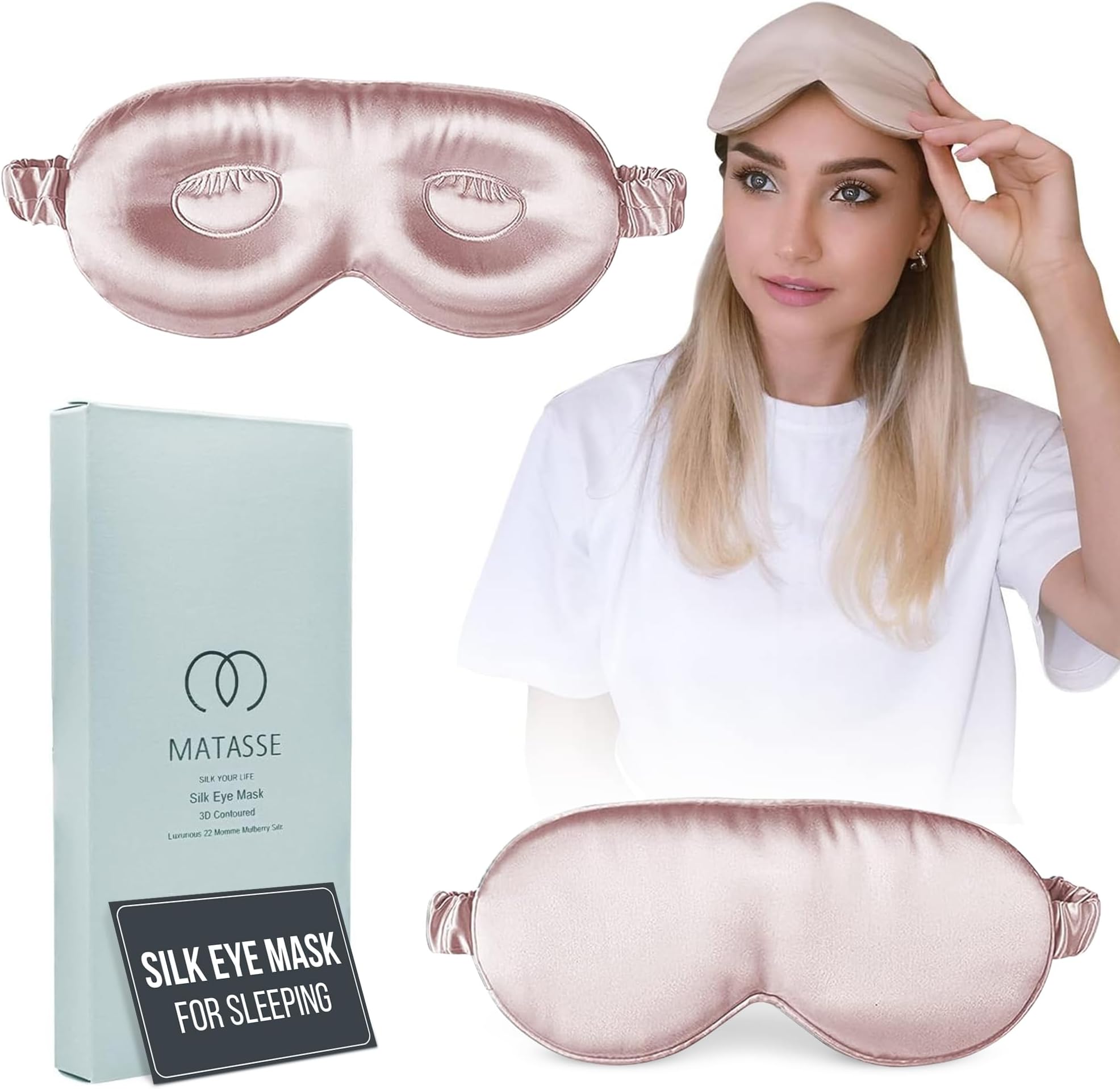
Le Drift to Sleep Contour Mask est l'option contourée la plus légère de cette liste et la plus facile à jeter dans un sac sans s'en inquiéter. La construction en coque de tissu souple est plus compressible que les designs à coque rigide, bien qu'elle offre moins de dégagement absolu des yeux. L'insert en mousse au pont du nez est inclus et améliore véritablement le blocage de la lumière. C'est le bon choix pour les voyageurs qui veulent les bénéfices contourés à bas prix et n'ont pas besoin de l'ajustabilité ou du raffinement des options premium.
Points forts
- ✓Ultra-léger et compressible
- ✓Inclut un insert en mousse au pont du nez
- ✓Les coques en tissu souple sont plus indulgentes que les coques rigides
Points faibles
- ✗Moins de dégagement des yeux que les designs à coque rigide
- ✗Les coques se compriment quelque peu contre le visage
Ce qu'il faut rechercher dans un masque de sommeil de voyage
La plupart des défaillances de masque de sommeil se produisent aux mêmes points : la lumière s'infiltre au pont du nez, la sangle glisse pendant les turbulences, ou le tissu presse sur les yeux et interrompt le sommeil. Les bons masques résolvent les trois ; les masques bon marché n'en résolvent aucun.
Blocage de la lumière
Un blackout total nécessite de résoudre le problème d'espace au nez. Un masque qui repose à plat contre votre visage bloque la zone des yeux mais laisse presque toujours passer de la lumière en dessous le long du pont du nez. Les masques contourés avec un design de coque surélevée (comme le Manta) résolvent cela en se soulevant entièrement des yeux et en se moulant au visage sur le périmètre plutôt que directement sur les paupières. La découpe en mousse au nez fait la différence entre 95 % de blackout et un véritable 100 %.
Pression sur les yeux
Les masques en mousse plate pressent sur vos paupières, ce qui empêche le mouvement oculaire REM et réduit la qualité du sommeil même quand la lumière est complètement bloquée. Si vous vous êtes déjà réveillé d'un sommeil en avion avec les yeux se sentant fatigués plutôt que reposés, la pression est probablement la coupable. Les designs contourés ou en forme de coque éliminent cela entièrement. Ils sont plus encombrants mais la différence de qualité de sommeil est réelle et mesurable.
Sangle et ajustabilité
Les sangles ajustables comptent particulièrement pour les dormeurs sur le côté (qui pressent la sangle contre un oreiller) et quiconque a des formes de tête différentes ou porte un foulard capillaire. Les sangles élastiques uniques sont le design le plus faible — elles glissent. Les doubles sangles avec curseurs d'ajustement restent en place. Les meilleures sangles se posent dans une encoche sur l'oreille plutôt que d'aller tout droit à travers la tête, ce qui réduit la pression sur l'os occipital pendant un sommeil tête contre siège.
Respirabilité et matériau
Les masques en soie respirent mieux que le polyester et se sentent plus confortables contre la peau, mais le tissage est rarement assez dense pour un blackout véritable. Les meilleurs masques blackout utilisent une mousse blackout ou une construction multi-couche qui ne piège pas la chaleur. Évitez les masques avec une mousse à mémoire de forme dense contre le visage — ils isolent chaudement mais votre température de peau monte notablement après 30 minutes.
Comment ces cinq se comparent
Le Manta Sleep Mask Pro est l'option la plus axée ingénierie ici — les coques oculaires ajustables résolvent véritablement les problèmes de pression et de blackout simultanément, et rien d'autre de cette liste ne fait les deux. L'Alaska Bear Silk Mask est la meilleure option en mousse plate pour les gens qui n'ont rien contre échanger un blackout parfait pour une sensation de tissu luxueuse.
Le masque Tempur-Pedic utilise la même technologie de soulagement de pression que leurs matelas, ce qui se traduit par un masque plat confortable mais pas une expérience à pression zéro. Le Bucky 40 Blinks est le masque à coque économique le plus éprouvé et livre une performance proche du Manta à une fraction du prix. Le Drift to Sleep Contour est le choix minimaliste léger pour les voyageurs qui veulent le bénéfice contour sans l'encombrement.
En résumé
Si vous prenez plus de quatre vols long-courriers par an, le Manta Sleep Mask Pro se rentabilise en qualité de sommeil accumulée. Pour un voyage international occasionnel, le Bucky 40 Blinks est la réponse pratique — il fait 90 % de ce que fait le Manta à un tiers du prix. L'Alaska Bear Silk Mask est le choix cadeau-digne quand quelqu'un priorise la sensation sur la performance absolue.
Questions fréquentes
Les masques de sommeil aident-ils réellement en avion ?▼
Quelle est la différence entre un masque de sommeil contouré et plat ?▼
Comment nettoyer un masque de sommeil de voyage ?▼
Un masque de sommeil abîmera-t-il mon maquillage des yeux ?▼
Puis-je utiliser un masque de sommeil si j'ai des extensions de cils ?▼
Détails des produits présentés dans cet article
- Manta Sleep Mask PRO$79〜89prix de référence aux États-Unis
- Alaska Bear Natural Silk Sleep Mask$12〜18prix de référence aux États-Unis
- Tempur-Pedic Sleep Mask$25〜35prix de référence aux États-Unis
- Bucky 40 Blinks Sleep Mask$9〜14prix de référence aux États-Unis
- Drift to Sleep Contour Sleep Mask$8〜13prix de référence aux États-Unis
Les prix changent. Vérifiez le prix actuel chez le vendeur.
Commentaires et questions
La discussion se passe sur nattzy, notre forum. Connectez-vous avec Google pour participer.
Voir le fil de discussion sur nattzy ↗
Encore hésitant ? Posez votre propre question à la communauté — Poser une question sur nattzy ↗
Articles connexes

Meilleurs sèche-cheveux de voyage 2026 : 5 comparés
Meilleurs tapis de yoga de voyage 2026 : 5 comparés
Meilleure brosse à dents de voyage 2026 : 5 comparés

Meilleurs appareils photo de voyage 2026 : 5 comparés

Meilleurs routeurs Wi-Fi de voyage 2026 : 5 hotspots

Meilleur trépied de voyage 2026 : 5 comparés
