Best Coconut Water 2026: 5 Compared
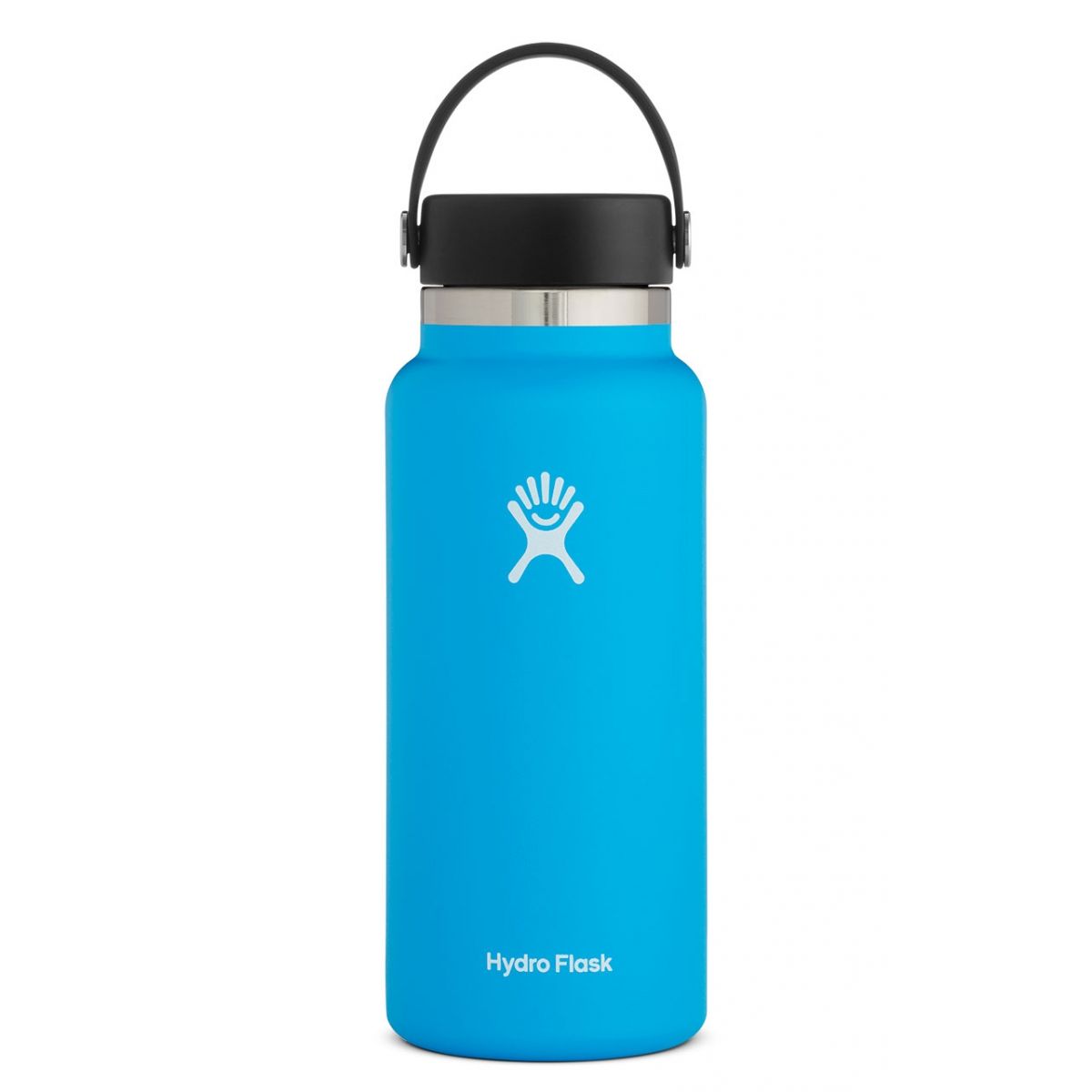
Coconut water is the clear liquid from young green coconuts — not to be confused with coconut milk (which is pressed from mature coconut flesh). The nutritional composition of fresh coconut water. Temperature retention time and lid seal determine daily usability more than capacity.
Quick answer
Vita Coco Original is the coconut water to buy for everyday hydration — shelf-stable, available everywhere, and priced for case buying. If flavor is the point, Harmless Harvest is raw, never heated, and noticeably more complex. Taste Nirvana is not from concentrate at a lower premium, and athletes who find Vita Coco too sweet should take Zico.
We assessed each product on flavor profile, sourcing transparency, value per serving, packaging integrity, and how well it performed across common use cases. Documented certifications and verified user reviews were cross-checked against marketing claims.

Vita Coco Original Coconut Water
Best Overall: Vita Coco Original is the practical default for mainstream coconut water — pasteurized, no added sugar, 670mg potassium per serving in a shelf-stable Tetra Pak available everywhere. The flavor is sweeter and less complex than raw options as a result of pasteurization, but it's consistent, widely trusted, and priced for case buying.
Top picks ↓| Product | Price | Link |
|---|---|---|
| $4.99Reference price | ||
| $8.05Reference price | ||
| $4.99Reference price | ||
| $4.99Reference price | ||
| $4.99Reference price |
| Product | Serving size | Calories | Potassium | Certifications | Sugars | Sodium | From concentrate |
|---|---|---|---|---|---|---|---|
| Vita Coco Original Coconut Water | 8 fl oz (240 ml) | 45 kcal | 470 mg | Non-GMO Project Verified; Gluten-Free; Kosher (Star-K/OU) | — | — | — |
| Harmless Harvest 100% Raw Coconut Water | 8 fl oz (240 ml) | 60 kcal | 540 mg | USDA Organic; Fair Trade Certified (Fair for Life); Non-GMO | 14 g | 40 mg | No |
| Taste Nirvana Real Coconut Water | 9.5 fl oz (280 ml) | 45 kcal | 470 mg | Non-GMO Project Verified; Vegan; Gluten-Free; Halal | 10 g | 60 mg | No |
| C2O Pure Coconut Water (Can) | 8 fl oz (240 ml) | 40 kcal | 500 mg | Non-GMO Project Verified; Gluten-Free | 8 g (includes 2 g added sugars per label) | 45 mg | No |
| ZICO Natural Coconut Water | 8 fl oz (240 ml) | 45 kcal | 600 mg | Gluten-Free; Plant-Based/Vegan | 8 g | 75 mg | No |
Top picks
Related articles
Pasteurized, no added sugar, 16.9 oz Tetra Pak. $2-3. Best mainstream coconut water — available everywhere, consistent, reliable electrolytes. Correct for everyday hydration and post-workout use at accessible price.
Vita Coco Original is the practical default for mainstream coconut water — pasteurized, no added sugar, 670mg potassium per serving in a shelf-stable Tetra Pak available everywhere. The flavor is sweeter and less complex than raw options as a result of pasteurization, but it's consistent, widely trusted, and priced for case buying. For everyday hydration, it works.
Pros
- ✓Available at virtually every grocery chain and online retailer
- ✓No added sugar — naturally occurring electrolytes only
- ✓Shelf-stable Tetra Pak — no refrigerator space required
Cons
- ✗Pasteurization creates a sweeter, less complex flavor than raw coconut water
Score breakdown
| Serving size | 8 fl oz (240 ml) |
| Calories | 45 kcal |
| Potassium | 470 mg |
| Certifications | Non-GMO Project Verified; Gluten-Free; Kosher (Star-K/OU) |
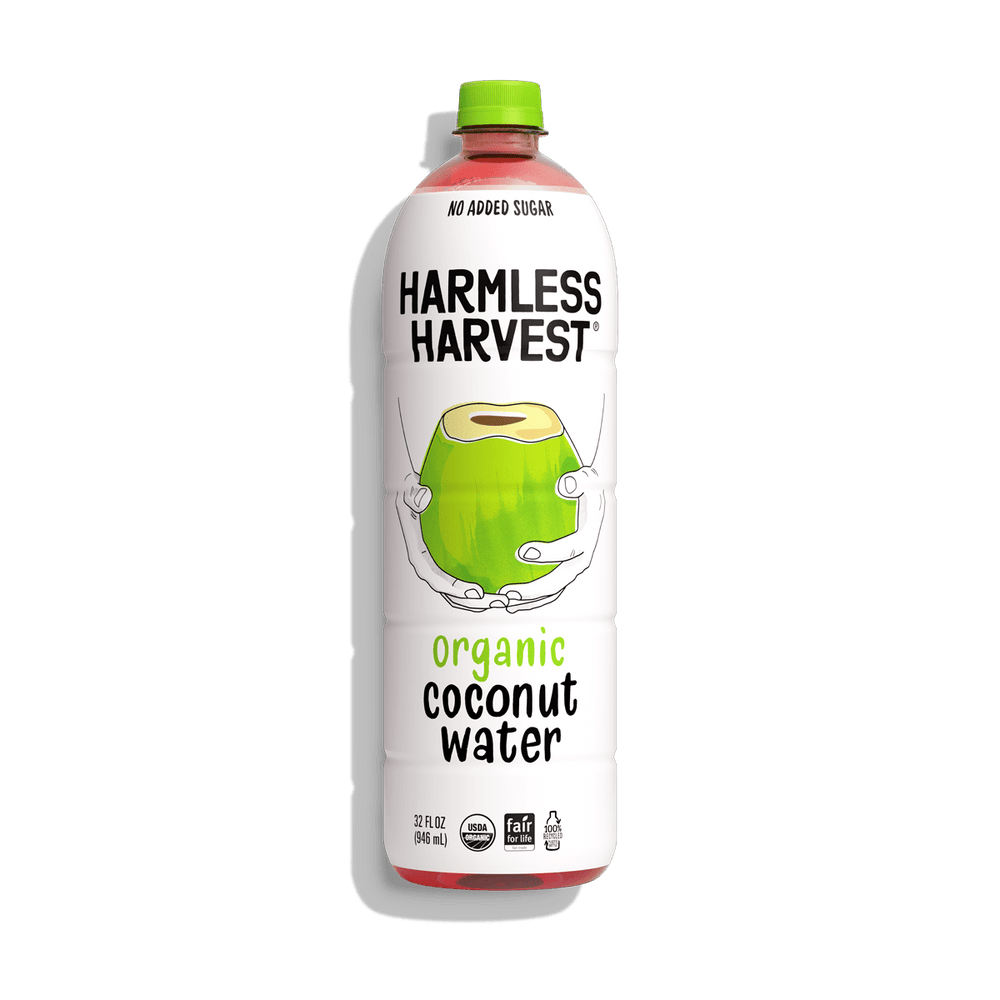
Raw (never heated), refrigerated, 10-16 oz. $3.50-5.00. Best raw coconut water — closest to fresh, naturally pink from antioxidants, cold-chain processed. Correct for buyers who want maximum flavor and nutrient preservation over convenience.
Harmless Harvest is the reference product for raw coconut water quality in the US — never heated, cold-chain processed from Thailand, with the faint pink color from antioxidants that only appears in truly raw coconut water. The flavor is noticeably more complex and closer to fresh coconut than any pasteurized option. The higher price and refrigerated-only format are genuine trade-offs for genuinely better quality.
Pros
- ✓Never heated — closest flavor to fresh coconut water available at retail
- ✓Naturally pink from antioxidants — a quality indicator, not a defect
- ✓Cold-chain processed with shorter, more transparent supply chain
Cons
- ✗Refrigerated only — requires fridge space and shorter shelf life
- ✗Roughly 2× the price per ounce of Vita Coco
Score breakdown
| Serving size | 8 fl oz (240 ml) |
| Calories | 60 kcal |
| Sugars | 14 g |
| Sodium | 40 mg |
| Potassium | 540 mg |
| From concentrate | No |
| Certifications | USDA Organic; Fair Trade Certified (Fair for Life); Non-GMO |

Pasteurized, not from concentrate, Thailand-sourced, 9.5 oz can/glass bottle. $2-3. Best value intermediate — closer to fresh than Vita Coco, glass bottle option preserves flavor. Correct for coconut water buyers who want above-average quality without raw premium.
Taste Nirvana splits the difference between Vita Coco's mainstream accessibility and Harmless Harvest's raw quality — pasteurized but not from concentrate, sourced directly from Thailand, available in glass bottles that preserve flavor better than Tetra Pak. The taste is closer to fresh coconut water than Vita Coco without the raw premium. The glass bottle option is a genuine advantage for flavor over shelf life.
Pros
- ✓Not from concentrate — closer flavor to fresh than Vita Coco
- ✓Glass bottle option provides better flavor preservation than carton
- ✓Priced similarly to Vita Coco — above-average quality for the price
Cons
- ✗Less widely distributed than Vita Coco — primarily online and Asian grocery
Score breakdown
| Serving size | 9.5 fl oz (280 ml) |
| Calories | 45 kcal |
| Sugars | 10 g |
| Sodium | 60 mg |
| Potassium | 470 mg |
| From concentrate | No |
| Certifications | Non-GMO Project Verified; Vegan; Gluten-Free; Halal |
Subscribe to our newsletter
Occasional updates and new releases — no spam.
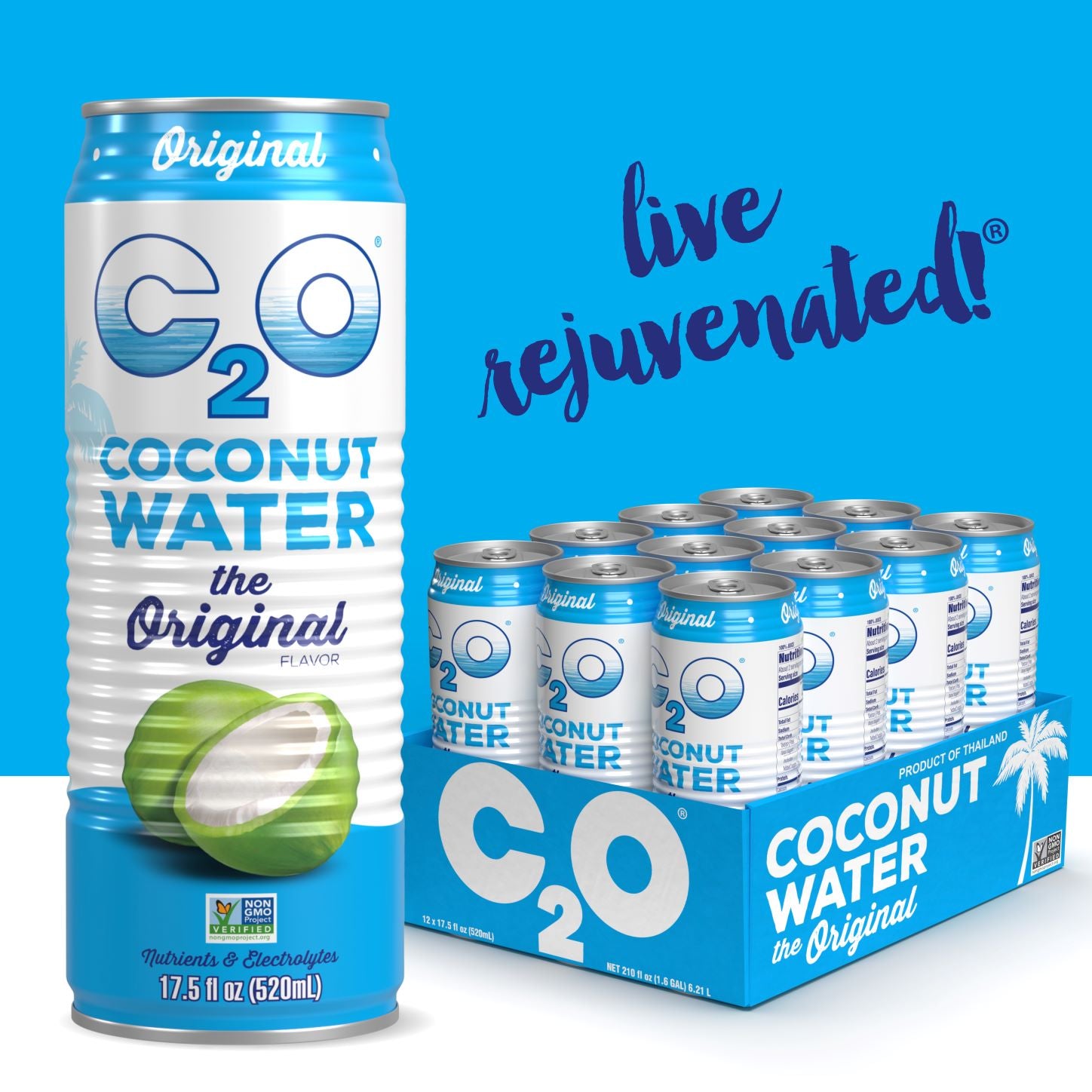
Pasteurized, not from concentrate, Thailand-sourced, 17.5 oz can. $2.50-3.50. Best can format — can provides light barrier, better shelf-life flavor than Tetra Pak. Correct for buyers who prefer can format or source from Asian grocery.
C2O's can format provides a meaningful light barrier that Tetra Pak cartons lack — light exposure degrades flavor compounds in coconut water over shelf life, and the aluminum can mitigates this. Sourced from Thailand, not from concentrate, 17.5 oz per can. The temperature retention of a cold can is an additional practical advantage for people who drink their coconut water chilled.
Pros
- ✓Can format blocks light — better flavor preservation over shelf life than Tetra Pak
- ✓Larger 17.5 oz size per can
- ✓Not from concentrate, Thailand-sourced
Cons
- ✗Less widely available than Vita Coco — primarily Asian grocery and online
Score breakdown
| Serving size | 8 fl oz (240 ml) |
| Calories | 40 kcal |
| Sugars | 8 g (includes 2 g added sugars per label) |
| Sodium | 45 mg |
| Potassium | 500 mg |
| From concentrate | No |
| Certifications | Non-GMO Project Verified; Gluten-Free |
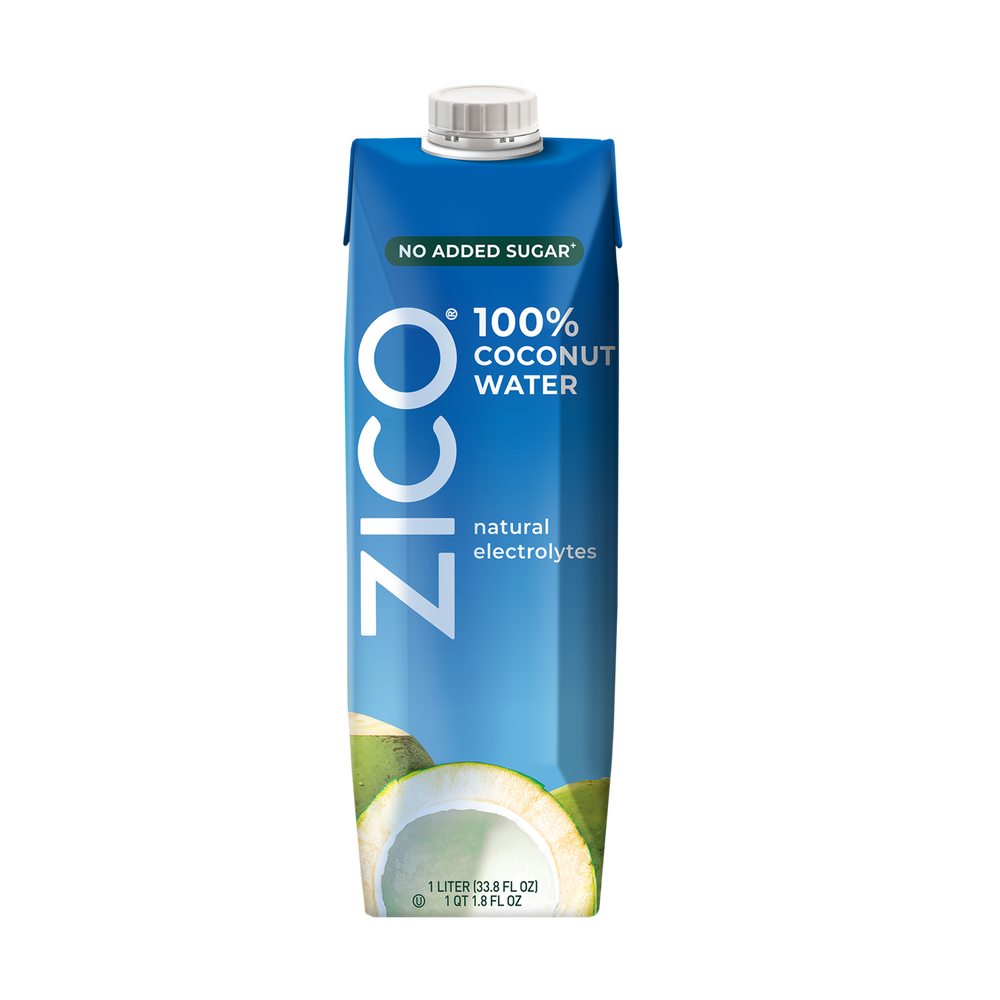
Pasteurized, no added sugar, 16.9 oz. $2.50-3.50. Best dry-profile coconut water — slightly less sweet than Vita Coco, favored by athletes. Correct for post-workout use where the slightly less sweet flavor is preferred.
ZICO has a slightly drier, less sweet flavor profile than Vita Coco — which makes it the preferred option among athletes who find Vita Coco's sweetness too prominent during and after exercise. The electrolyte profile is comparable. Distribution was limited after Coca-Cola discontinued and relaunched ZICO, so availability varies by region — check stock before counting on it.
Pros
- ✓Drier flavor profile — less sweet than Vita Coco, preferred by many athletes
- ✓Comparable electrolyte content to Vita Coco
- ✓No added sugar, shelf-stable
Cons
- ✗Limited distribution since Coca-Cola's 2020 discontinuation and relaunch — check availability
Score breakdown
| Serving size | 8 fl oz (240 ml) |
| Calories | 45 kcal |
| Sugars | 8 g |
| Sodium | 75 mg |
| Potassium | 600 mg |
| From concentrate | No |
| Certifications | Gluten-Free; Plant-Based/Vegan |
Which one is right for you?
For everyday hydration on a budget
Vita Coco Original Coconut Water
Available everywhere, shelf-stable, and priced for case buying — the reliable default with no surprises.
For the closest-to-fresh experience
Harmless Harvest 100% Raw Coconut Water
Raw, never heated, naturally pink — noticeably more complex flavor than any pasteurized option. Worth the premium if flavor is the point.
For above-average quality without the raw premium
Taste Nirvana Real Coconut Water
Not from concentrate, direct-sourced from Thailand, glass bottle available — better than Vita Coco without the Harmless Harvest price.
For post-workout athletes
ZICO Natural Coconut Water
Slightly drier, less sweet flavor is preferred by athletes who find Vita Coco too sweet during and after exercise.
For flavor-first long-shelf-life storage
C2O Pure Coconut Water (Can)
The aluminum can's light barrier preserves flavor compounds better than carton packaging over extended shelf life.
Raw vs pasteurized vs from-concentrate coconut water
Raw coconut water (Harmless Harvest): never heated above approximately 40°C. Cold-pressed and bottled under refrigeration. Retains enzymes, live cultures, and flavor compounds that heating destroys. The color difference is visible — raw coconut water is often faintly pink (oxidation from antioxidants) rather than clear. Harmless Harvest is the primary mass-market raw coconut water — their coconuts are sourced from Thailand, processed under cold-chain conditions. Raw coconut water has a shorter shelf life (refrigerated, 30-45 days) and costs more ($3.50-5.00 per 16 oz). The flavor is noticeably closer to fresh coconut water — less sweet, more complex.
Pasteurized coconut water (Vita Coco, ZICO, C2O): heated to kill bacteria and extend shelf life. Shelf-stable at room temperature for months. Pasteurization changes the flavor chemistry — heated coconut water tastes sweeter and slightly caramel-like compared to raw. This is because some of the organic compounds change under heat. Pasteurized brands typically have added flavors, vitamins, or sweeteners to compensate for the flavor change. Vita Coco Original contains no added sugar and uses pasteurized water — the 'sweetness' is from naturally occurring sugars elevated by processing.
From concentrate: some coconut water products reconstitute dried coconut water powder with water — the 'from concentrate' label. This removes many of the volatile aromatic compounds that give fresh coconut water its character and is considered the lowest-quality processing method. Many store-brand and flavored coconut waters use concentrate. Check the label: '100% coconut water, not from concentrate' is the higher-quality designation. Taste Nirvana and C2O specify 'not from concentrate.'
Vita Coco, ZICO, and the mainstream pasteurized category
Vita Coco Original ($2.00-3.00 per 16.9 oz Tetra Pak) is the dominant US coconut water brand — pasteurized, no added sugar, available in every major grocery chain. The taste is sweeter and less complex than raw coconut water but consistent and widely accepted. Vita Coco's 16.9 oz serving contains approximately 670mg potassium — comparable to electrolyte sports drinks. For post-workout electrolyte replacement at an accessible price point, Vita Coco is the practical choice. The Tetra Pak format is room-temperature stable, making it convenient to stock without refrigeration.
ZICO Natural Coconut Water ($2.50-3.50 per 16.9 oz) was the second-largest coconut water brand in the US until Coca-Cola discontinued it in 2020 and relaunched with a limited distribution. ZICO has a slightly drier flavor profile than Vita Coco — less sweet, slightly more neutral. It has a dedicated following for post-workout hydration. Where available, ZICO is a valid Vita Coco alternative — similar electrolyte profile, slightly different flavor balance.
C2O Pure Coconut Water ($2.50-3.50 per 17.5 oz can) uses a can format rather than Tetra Pak — the can provides a light barrier that preserves flavor better than aseptic cartons over shelf life. C2O is sourced from Thailand, not from concentrate, pasteurized. The can format also changes the drinking experience — some people prefer the temperature retention of a cold can. C2O is frequently found in Asian grocery stores and online.
Harmless Harvest and premium raw coconut water
Harmless Harvest ($3.50-5.00 per 10-16 oz, refrigerated) is the reference product for raw coconut water quality in the US market. The coconuts are sourced from Thailand, cold-processed, never heated. The color ranges from clear to faint pink — the pink comes from antioxidants (cyanidin-3-glucoside from the coconut's outer layer) that are exposed to light and oxidize slightly. The pink color is a quality indicator, not a defect — only raw coconut water shows this oxidation because pasteurization destroys the compounds that cause it.
Taste Nirvana Real Coconut Water ($2.00-3.00 per 9.5 oz can) is an intermediate option — not raw, pasteurized, but not from concentrate and sourced directly from Thailand. Taste Nirvana is distributed in cans and glass bottles. The glass bottle format provides better flavor preservation than plastic or carton over time. The taste is closer to fresh coconut water than Vita Coco — less sweet, slightly more savory character. For the price, Taste Nirvana provides reasonable quality without the raw premium of Harmless Harvest.
Coconut water vs sports drinks: the comparison that matters for athletes is electrolyte composition. Coconut water (Vita Coco): 600-700mg potassium, 60mg sodium per cup. Gatorade: 150mg potassium, 270mg sodium per cup. For activities where sweat sodium loss is significant (long runs, intense cycling, hot conditions), Gatorade's higher sodium is more appropriate for electrolyte replacement. Coconut water's higher potassium is more appropriate for everyday hydration and lower-intensity activities. Adding a small pinch of salt to coconut water creates a more complete electrolyte profile for heavy-sweat activities.
Choosing coconut water for your use case
For everyday hydration: Vita Coco Original at $2-3 per serving provides consistent potassium-rich hydration in a convenient Tetra Pak. No added sugar. Available everywhere. Not the most complex flavor but reliable and accessible. Buy in case quantities ($30-40 for 12-15 Tetra Paks) to reduce per-unit cost.
For the closest-to-fresh experience: Harmless Harvest in the refrigerated section provides raw coconut water quality — worth the $3.50-5.00 premium if you drink coconut water for flavor rather than just electrolytes. The pink color variety is notable — try it before you buy a large quantity to confirm the flavor preference.
For post-workout electrolyte replacement: any pasteurized coconut water (Vita Coco, C2O, ZICO) provides sufficient electrolytes for moderate exercise. For heavy sweat activities (marathon, hot yoga, cycling 2+ hours), supplement with additional sodium — add a pinch of sea salt or pair with a sodium-containing food. Coconut water's potassium content is genuinely useful for muscle function and cramp prevention.
Frequently asked questions
Is coconut water actually good for you?▼
Why is Harmless Harvest coconut water pink?▼
Can you use coconut water instead of water in recipes?▼
Prices change. Check the retailer for the current price.
Comments & questions
Discussion happens on nattzy, our community forum. Sign in with Google to post — it takes a second.