Best Plant-Based Milk 2026: Oat vs Almond vs Soy vs Pea
WriterPickly Editorial
Updated 2026-06-11
That's the short version — but the right plant milk depends entirely on what you're using it for. This guide compares 5 options using published specifications, manufacturer documentation and independent reviews.
Quick answer
Pick by application rather than looking for one milk to do everything. Oat milk froths best and is the right choice for coffee, with barista formulations specifically stabilized against curdling in acidic espresso. Soy is the only common plant milk with a complete protein profile at roughly 7-8g per cup, making it the nutritional pick for children and anyone using milk as a protein source. Almond is lowest in calories but also lowest in protein, and pea milk splits the difference on both.
📋How we compared
Each plant milk was compared across four use cases using nutrition labels, manufacturer information and published reviews: coffee (temperature stability and flavor), cereal (sweetness and texture), baking (structural and flavor impact on baked goods), and drinking on its own. Nutritional labels were compared side by side. Unsweetened versions were chosen where available. This is desk research; the milks were not taste-tested.
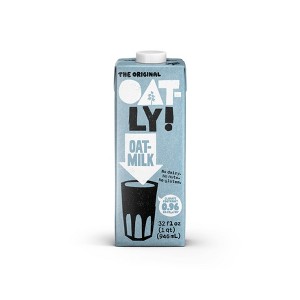
Best Overall: Oatly Original is the benchmark against which other plant milks are judged, and not without reason. The oat flavor is genuine without being overpowering — it adds a mild cereal sweetness that works in coffee, cereal, and most baking applications.
Top picks ↓This button opens Amazon search results, not a specific product page.
This button opens Amazon search results, not a specific product page.
This button opens Amazon search results, not a specific product page.
This button opens Amazon search results, not a specific product page.
Which one is right for you?
Related articles
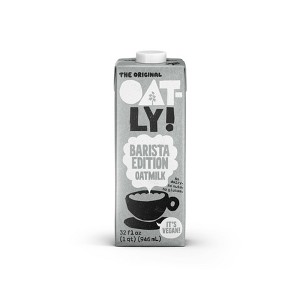
1★ Best PickABest OverallOatly Oat-Drink Original
Oatly Original is the benchmark against which other plant milks are judged, and not without reason. The oat flavor is genuine without being overpowering — it adds a mild cereal sweetness that works in coffee, cereal, and most baking applications. The texture is creamy enough for everyday dairy substitution. The main drawback is cost: at nearly $6 per 32oz carton, it's one of the pricier mainstream options. For the coffee use case specifically, the regular Oatly performs adequately but the Barista Edition steams far better. Where Oatly Original wins: cereal, smoothies, and any recipe where you want a slightly creamy, neutral base.
0- Serving size
- 1 cup (240 ml)
- Calories
- 120 kcal
- Protein
- 3 g
- Total fat
- 5 g
- Sugars
- 7 g
- Base oil
- Rapeseed (canola) oil
- Certifications
- Gluten-Free, Non-GMO, Vegan, Kosher
2B+Best Low-Calorie OptionSilk Unsweetened Almond Milk
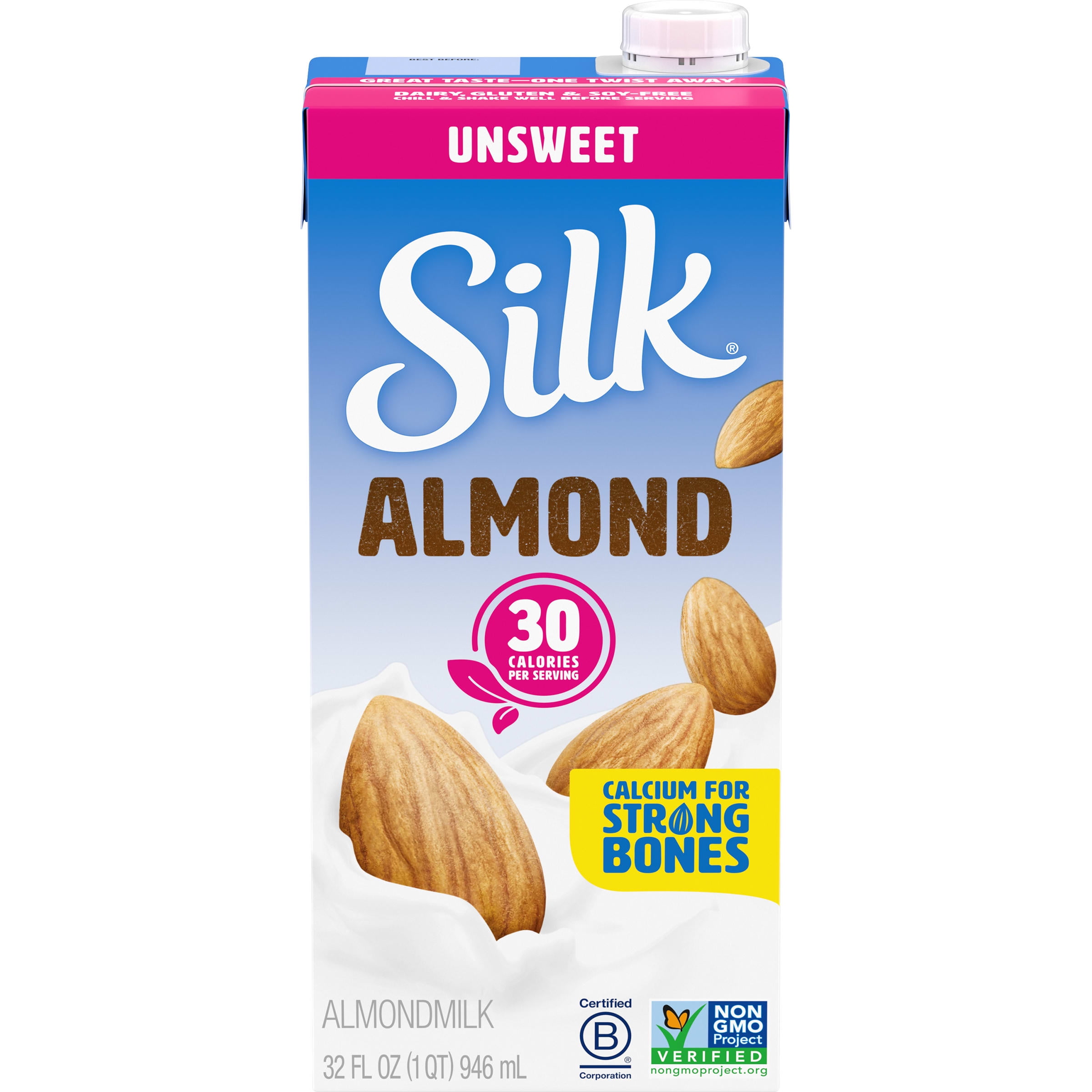
Silk Unsweetened Almond is the right choice for anyone prioritizing calorie count — 30 calories per cup is the lowest of any mainstream plant milk. The flavor is noticeably thin compared to oat or soy: almond milk has a light, slightly watery body that works in smoothies and cereal but doesn't add creaminess to coffee the way oat milk does. The unsweetened version has no sugar, which makes it a genuinely neutral base for savory cooking (unlike sweetened versions that distort flavor). It doesn't froth or steam well. The nutritional profile is lean — minimal protein, minimal fat, minimal calories, and most nutrition comes from added vitamins rather than the milk itself.
0This button opens Amazon search results, not a specific product page.
3A-Best for ProteinSilk Organic Unsweetened Soymilk
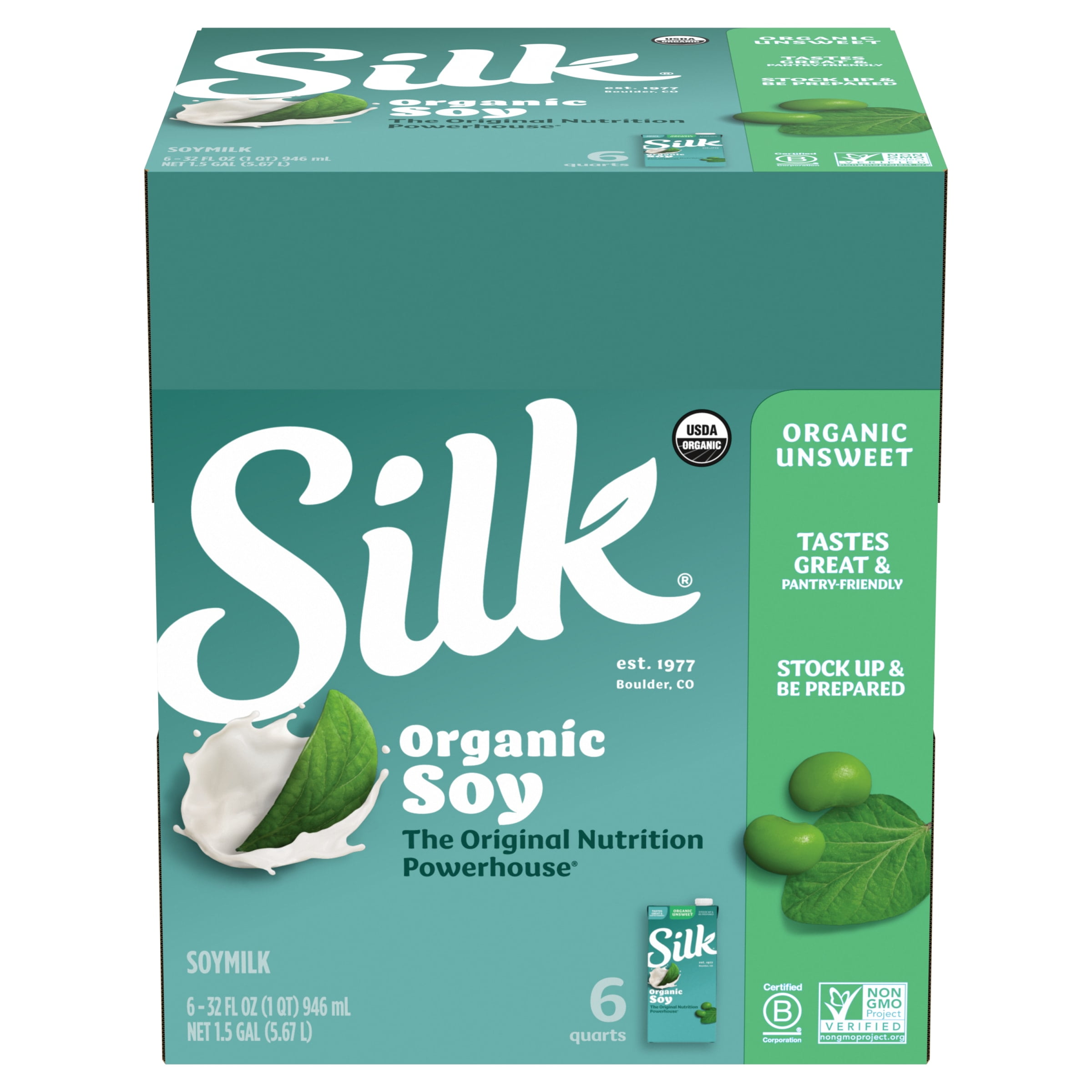
Silk Organic Soymilk is the best plant milk for anyone replacing dairy for protein. At 7g of protein per cup, it comes closest to cow's milk (8g). The texture is genuinely creamy — denser than almond or oat milk — and it behaves the most like dairy in baking, especially for cakes and custards. The main limitation is a faint beany undertone that some people notice, particularly in hot drinks. It's more pronounced in flavored applications (matcha, tea lattes) than in coffee with strong espresso. It froths adequately for lattes but doesn't create microfoam the way barista oat milk does. For protein-focused use cases and baking, soy milk has the strongest nutritional case.
0This button opens Amazon search results, not a specific product page.
Subscribe to our newsletter
Occasional updates and new releases — no spam.
4BBest for Smoothies and DessertsSo Delicious Unsweetened Coconut Milk
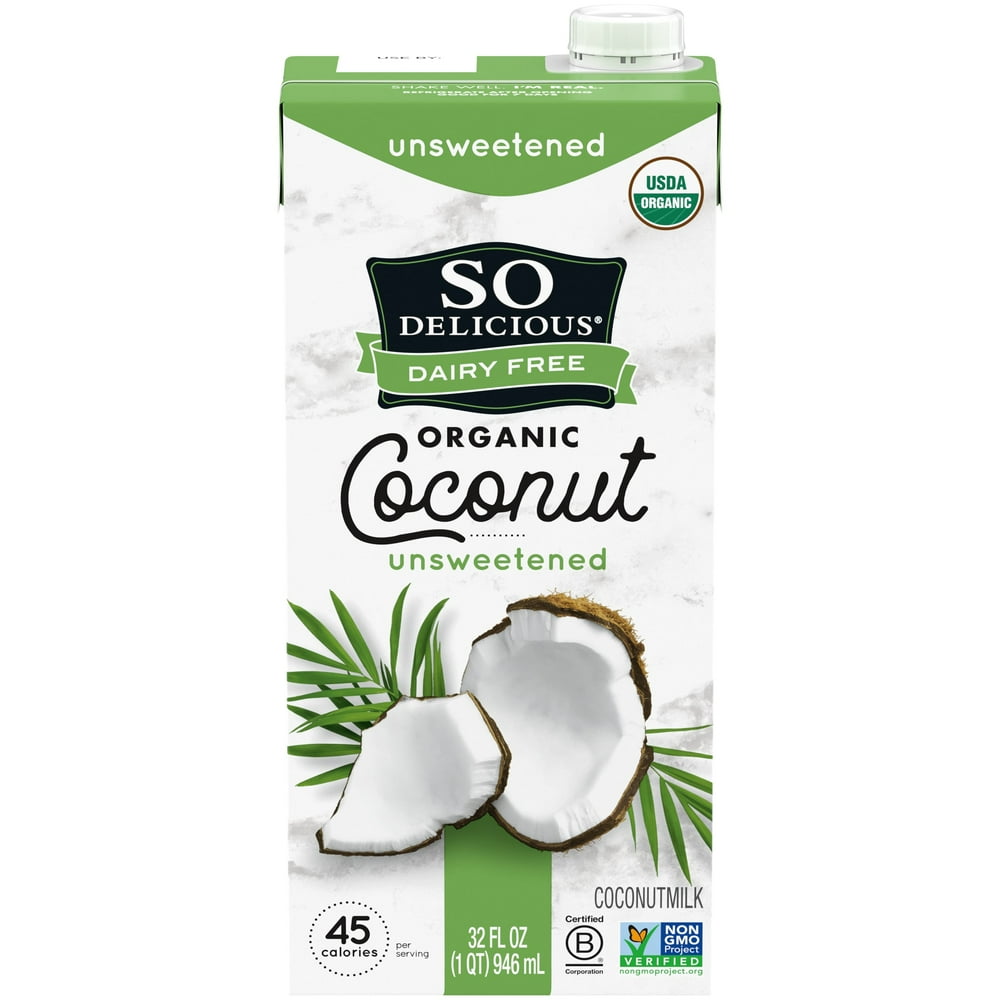
So Delicious Unsweetened Coconut Milk has a mild tropical undertone that works well in smoothies, chia pudding, and dessert applications where dairy might otherwise be used. The 45 calorie per cup count is low, and the flavor is more neutral than full-fat canned coconut milk. The limitation is that same coconut note in savory cooking — it works in curries and Thai-style dishes where coconut is expected, but it's out of place in pasta sauces or mashed potatoes. It separates easily when heated, making it a poor choice for lattes or hot drinks. The best use case: tropical smoothies, overnight oats, and any dessert recipe where a faint coconut note is acceptable or desirable.
0This button opens Amazon search results, not a specific product page.
5ABest for Protein and NeutralityRipple Original Pea Milk
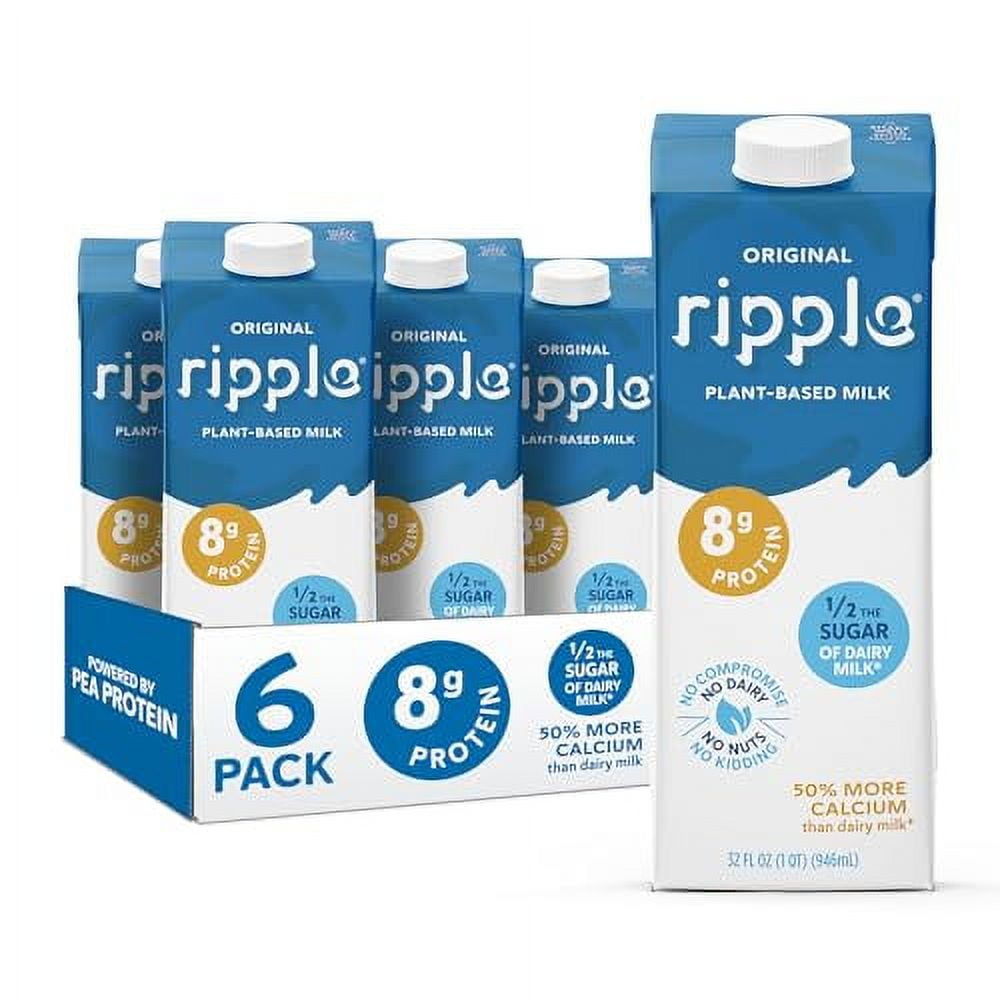
Ripple Pea Milk is the surprise of this comparison — it genuinely has no pea taste. The flavor is neutral in a way that oat, almond, and soy milks are not, which makes it the most versatile option for cooking. The 8g protein per cup (higher than soy in this formulation) and the calcium content (50% more than dairy by some measurements) make it a strong nutritional choice. The texture is creamy without being heavy. The main obstacle is availability — Ripple is stocked in major US supermarkets and online, but less widespread internationally. For anyone who wants high protein, genuinely neutral flavor, and versatility across cooking applications, Ripple is the best-value pick.
0This button opens Amazon search results, not a specific product page.
How to Choose
The single most important question is what you're using it for. If it's coffee drinks, oat milk steams better than any other option. If you're replacing dairy for protein, soy comes closest. If you're counting calories, almond wins. If you want a flavor that doesn't interfere with smoothies or baking, pea milk is genuinely neutral in a way others aren't.
For Coffee
Oat milk is the only plant milk that steams reliably to microfoam. The fat content and starch structure allow it to behave similarly to whole dairy for lattes and cappuccinos. Barista-edition oat milks are formulated specifically for steaming — they have higher fat content and added emulsifiers to stabilize foam. Almond and coconut milk separate easily when steamed. Soy milk froths adequately but can curdle with high-acid espresso.
For Cereal and Smoothies
Oat milk adds a mild sweetness that works in cereal but can interfere in savory smoothies. Almond is the most neutral of the nut milks — it adds a faint nuttiness but doesn't overpower other flavors. Pea milk is surprisingly neutral: it tastes like milk without any legume off-note, and its high protein makes it a good smoothie base. Soy works well in cereal and smoothies but has a distinct beany undertone that some notice.
For Baking and Cooking
Soy milk is the best dairy substitute in baking — its protein structure helps with binding in cakes and batters. Oat milk works well in most recipes but adds a mild oat flavor to delicate pastries. Coconut milk imparts a sweet tropical note that works in some desserts but not in savory sauces. Almond milk works in most recipes where liquid is needed but can make baked goods slightly denser. Pea milk is the most versatile for both sweet and savory cooking because it has no assertive flavor.
Nutrition Comparison
Soy milk leads on protein (7–8g per cup), matching or exceeding dairy. Pea milk is close behind (8g per cup, even higher than soy in some formulations). Oat milk has the most natural sugars — around 7g per cup — which accounts for its sweeter flavor. Almond milk has the lowest calorie count (30–40 per cup). Coconut milk is highest in saturated fat. Most commercial plant milks are fortified with calcium and vitamin D to approximate dairy nutrition.
Bottom line
For coffee drinkers, oat milk is the default — nothing else steams the same way. For protein intake, pea or soy is the right call. For calorie-conscious choices, almond delivers 30 calories per cup with a neutral enough profile for most uses. Coconut milk has a loyal niche in tropical cooking and desserts but is too assertive to be a daily all-purpose milk.
Frequently asked questions
Which plant-based milk is closest to dairy?▼
Is oat milk healthier than almond milk?▼
Can you use plant milk in coffee without it curdling?▼
Which plant milk is best for the environment?▼
Does plant milk expire faster than dairy?▼
Which is best for lactose intolerance?▼
Check the details of the products in this article
- Oatly Oat-Drink Original$5.99Reference price
- Silk Unsweetened Almond Milk$4.29Reference price
This button opens Amazon search results, not a specific product page.
- Silk Organic Unsweetened Soymilk$3.89Reference price
This button opens Amazon search results, not a specific product page.
- So Delicious Unsweetened Coconut Milk$4.49Reference price
This button opens Amazon search results, not a specific product page.
- Ripple Original Pea Milk$5.99Reference price
This button opens Amazon search results, not a specific product page.
Prices change. Check the retailer for the current price.
Comments & questions
Discussion happens on nattzy, our community forum. Sign in with Google to post — it takes a second.
View the discussion thread on nattzy ↗
Still deciding? Ask the community your own question — Post a question on nattzy ↗