Best Oat Milk 2026: 5 Cartons for Coffee, Cereal, and Baking
Oat milk ate the plant-based dairy market because it behaves more like dairy than almond or soy milk — it froths, steams, and cooks with minimal adjustment. The problem is the category has exploded with options that range from genuinely good to thin, sweet, and full of additives. The real splits are: barista-grade versus everyday drinking, clean ingredients versus stabilizer-heavy formulas, and brand recognition versus value.
Quick answer
Oat milk took over because it behaves like dairy — it froths, steams, and cooks with minimal adjustment. Oatly Original is the reference for everyday drinking and cereal, with consistent flavor and reliable calcium and B12 fortification. For coffee, Oatly Barista Edition uses a different fat formula that froths into stable microfoam without curdling in espresso. Planet Oat Extra Creamy is the budget daily choice, Califia's oat-coconut blend holds up on ice, and Elmhurst is the no-gums minimalist.
We compare each product on published nutrition data (calories, protein, fat, sugar per serving), ingredient and added-oil profile, certifications, value per serving, and suitability for common uses like frothing and cereal. Nutrition figures and certifications are sourced from each manufacturer's official label or product page and cross-checked against independent nutrition databases and verified buyer reviews; we do not run hands-on lab tests.
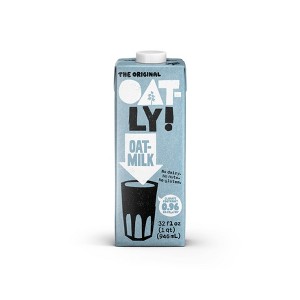
Oatly Oat-Drink Original
Best Overall: Oatly built the oat milk category. The original formula delivers what the category promises: creamy texture, mild oat flavor that doesn't overpower coffee or cereal, and a neutral finish.
Top picks ↓| Product | Price | Link |
|---|---|---|
| $5.99Reference price | ||
| $4.67Reference price | ||
| $3.38Reference price | ||
| $5.49Reference price | ||
| $7.58Reference price |
| Product | Serving size | Calories | Protein | Total fat | Sugars | Base oil | Certifications |
|---|---|---|---|---|---|---|---|
| Oatly Oat-Drink Original | 1 cup (240 ml) | 120 kcal | 3 g | 5 g | 7 g | Rapeseed (canola) oil | Gluten-Free, Non-GMO, Vegan, Kosher |
| Oatly Barista Edition Oat Milk | 1 cup (240 ml) | 140 kcal | 3 g | 7 g | 7 g | Rapeseed (canola) oil | Gluten-Free, Non-GMO, Vegan, Kosher |
| Planet Oat Extra Creamy Oat Milk | 1 cup (240 ml) | 120 kcal | 2 g | 3.5 g | 5 g | Sunflower oil | Gluten-Free, Non-GMO, Vegan, Dairy-Free, Soy-Free |
| Califia Farms Better Half Oat Creamer | 8 fl oz (240 ml) | 130 kcal | 1 g | 7 g | 3 g | Sunflower oil | Gluten-Free, Dairy-Free, Vegan, Non-GMO, Soy-Free |
| Elmhurst 1925 Oat Milk | 8 fl oz (240 ml) | 100 kcal | 3 g | 2 g | 1 g | None (oil-free, 3-ingredient formula) | Gluten-Free, Non-GMO, Glyphosate-Free, Dairy-Free, Vegan, Kosher |
Top picks
Related articles

Oatly built the oat milk category. The original formula delivers what the category promises: creamy texture, mild oat flavor that doesn't overpower coffee or cereal, and a neutral finish. It's fortified with calcium, vitamin D, and riboflavin. The taste is the benchmark — when other brands want to describe their oat milk, they compare it to Oatly. Available almost everywhere at a reasonable price.
Pros
- ✓Clean oat flavor works in cereal, smoothies, and cooking
- ✓Widely available globally
- ✓Consistent texture batch to batch
Cons
- ✗Contains rapeseed oil
- ✗Premium price vs. Planet Oat
Score breakdown
| Serving size | 1 cup (240 ml) |
| Calories | 120 kcal |
| Protein | 3 g |
| Total fat | 5 g |
| Sugars | 7 g |
| Base oil | Rapeseed (canola) oil |
| Certifications | Gluten-Free, Non-GMO, Vegan, Kosher |
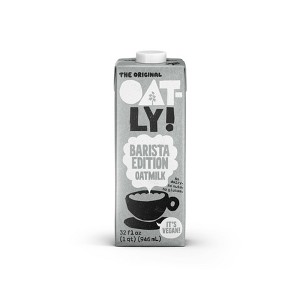
The Barista Edition uses a different fat formula specifically designed to handle steam wand temperatures — it froths into microfoam without separating or going grainy. Most specialty coffee shops that list 'oat milk' on their menu are using the Barista Edition or a direct competitor to it. If you're making lattes at home, the difference between this and the original in the pitcher is immediately visible. Slightly higher fat content than the original.
Pros
- ✓Steams without splitting — tested for espresso
- ✓Produces stable microfoam for latte art
- ✓Professional barista standard
Cons
- ✗Higher sugar content than original formula
- ✗Overkill for non-coffee applications
Score breakdown
| Serving size | 1 cup (240 ml) |
| Calories | 140 kcal |
| Protein | 3 g |
| Total fat | 7 g |
| Sugars | 7 g |
| Base oil | Rapeseed (canola) oil |
| Certifications | Gluten-Free, Non-GMO, Vegan, Kosher |
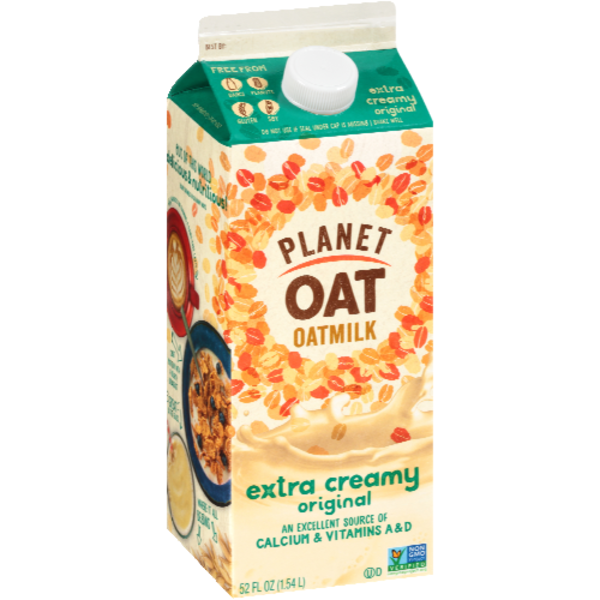
Planet Oat is the US mainstream challenger to Oatly — widely available in grocery stores, priced lower, and with a noticeably creamier body than regular oat milks. The Extra Creamy variant adds a small amount of oil to achieve that thickness. Non-GMO and gluten-free certified. The flavor is clean and mild. For daily use in cereal and cooking where you don't need barista-grade performance, it's the best value available.
Pros
- ✓Best value per liter in mainstream oat milk
- ✓Available at most US grocery stores
- ✓Creamy texture comparable to premium brands
Cons
- ✗Less complex flavor than Oatly
- ✗Extra creamy version higher in calories
Score breakdown
| Serving size | 1 cup (240 ml) |
| Calories | 120 kcal |
| Protein | 2 g |
| Total fat | 3.5 g |
| Sugars | 5 g |
| Base oil | Sunflower oil |
| Certifications | Gluten-Free, Non-GMO, Vegan, Dairy-Free, Soy-Free |
Subscribe to our newsletter
Occasional updates and new releases — no spam.
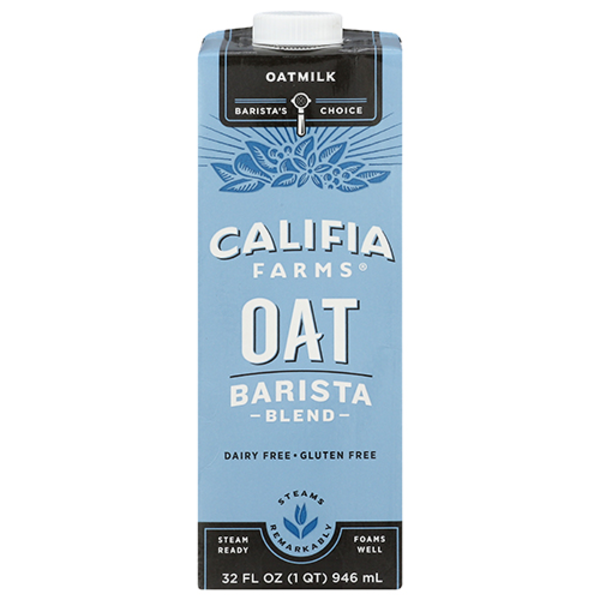
This one blends oat with coconut cream — the result is richer and slightly sweeter than pure oat milks, which makes it excellent in cold brew and iced lattes where you want creaminess without dairy. It's technically a creamer rather than a milk alternative, so it doesn't work as a 1:1 swap in baking, but for the cold coffee use case specifically it's hard to beat. The coconut addition is mild and doesn't dominate.
Pros
- ✓Coconut cream blend adds natural richness
- ✓Thicker texture works well over ice
- ✓Steams adequately despite cold-coffee positioning
Cons
- ✗Coconut flavor detectable — not neutral
- ✗Higher calorie than standard oat milk
Score breakdown
| Serving size | 8 fl oz (240 ml) |
| Calories | 130 kcal |
| Protein | 1 g |
| Total fat | 7 g |
| Sugars | 3 g |
| Base oil | Sunflower oil |
| Certifications | Gluten-Free, Dairy-Free, Vegan, Non-GMO, Soy-Free |
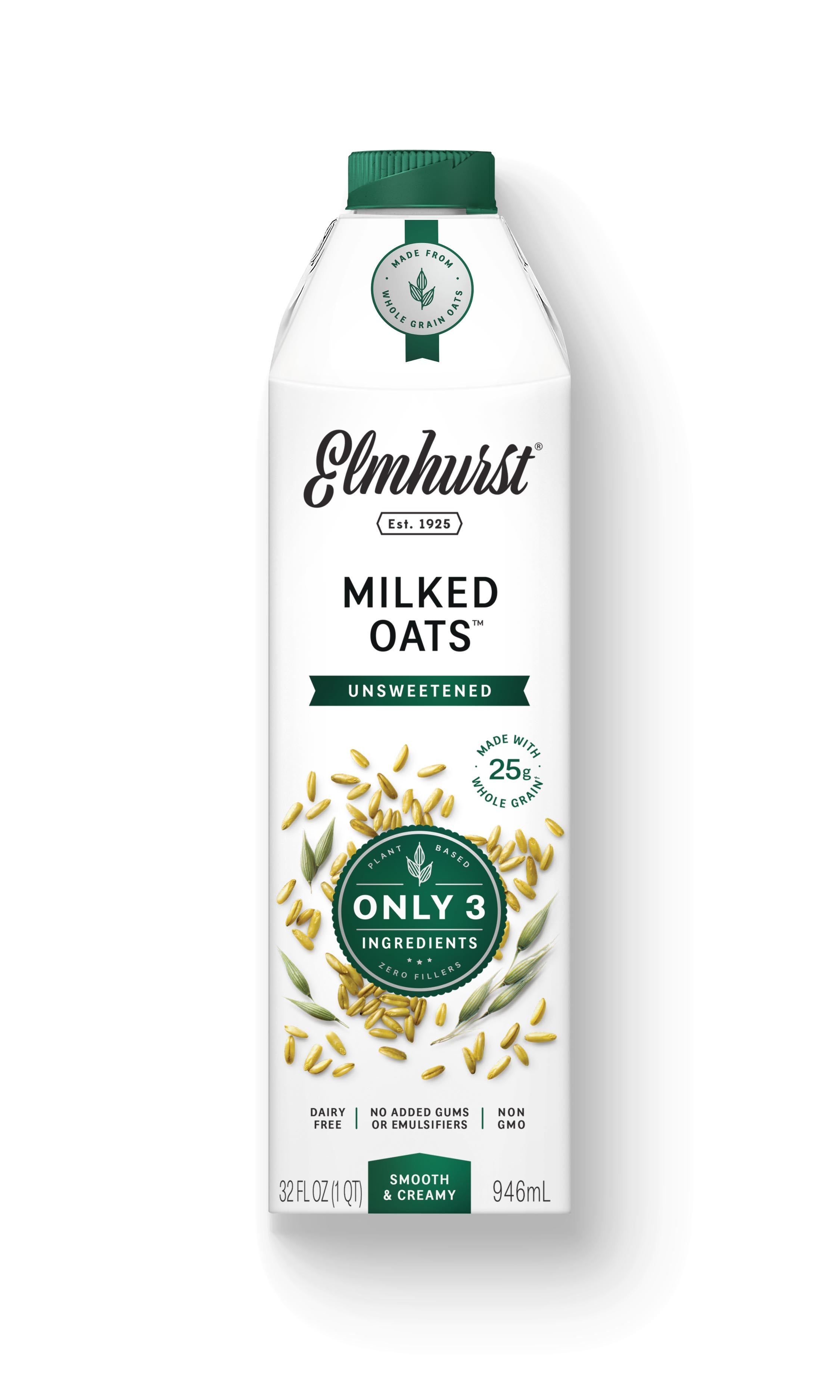
Elmhurst is the minimalist option: oats, water, sea salt. No added oils, no gums (gellan, xanthan, or locust bean), no emulsifiers. Most oat milks use these additives to achieve a stable, creamy consistency — Elmhurst achieves it through a different milling process. The texture is thinner than Oatly, and it doesn't froth well, but for people avoiding carrageenan, gums, or added oils, it's the cleanest widely available option.
Pros
- ✓Oats, water, salt — three ingredients only
- ✓No added oils or gums
- ✓Highest oat content per serving
Cons
- ✗Thin texture — won't foam for hot drinks
- ✗Taste differs from gum-stabilized oat milks
Score breakdown
| Serving size | 8 fl oz (240 ml) |
| Calories | 100 kcal |
| Protein | 3 g |
| Total fat | 2 g |
| Sugars | 1 g |
| Base oil | None (oil-free, 3-ingredient formula) |
| Certifications | Gluten-Free, Non-GMO, Glyphosate-Free, Dairy-Free, Vegan, Kosher |
Which one is right for you?
Everyday drinking and cereal
Oatly Oat-Drink Original
Consistent flavor, good calcium and B12 fortification, available everywhere. The reference oat milk for general daily use.
Home baristas and coffee drinkers
Oatly Barista Edition Oat Milk
Formulated specifically for steaming — froths into stable microfoam without curdling in espresso. Different product from regular Oatly.
Budget-conscious daily users
Planet Oat Extra Creamy Oat Milk
Lower price than Oatly with a creamy texture that works well in cereal, smoothies, and cold coffee. Best value for non-barista use.
Cold brew and iced coffee lovers
Califia Farms Better Half Oat Creamer
Oat-and-coconut cream blend adds natural sweetness and a richer body that holds up on ice better than lighter oat milks.
Additive-free and clean-ingredient buyers
Elmhurst 1925 Oat Milk
Oats, water, salt — nothing else. No gums, no emulsifiers, no added oils. For buyers who read every ingredient label.
How to Choose Oat Milk: Use Case Determines the Answer
No single oat milk is best for every use. The right choice depends on what you're doing with it — frothing for coffee, pouring over cereal, cooking, or just drinking.
Bottom line
Oatly Original remains the reference point for the category — consistent flavor, good availability, solid nutritional fortification. Oatly Barista Edition is a different product for a specific purpose: if you make lattes, buy this one. Planet Oat is the practical daily-driver if you're not making coffee drinks and want to save money. Elmhurst is the answer for the small group who actually reads ingredient labels and prefers none of the additives.
Frequently asked questions
Is oat milk healthier than dairy milk?▼
Why does oat milk make coffee look curdled?▼
Can you froth regular oat milk?▼
Does oat milk need to be refrigerated before opening?▼
Is oat milk good for baking?▼
Which oat milk is best for coffee and lattes?▼
Is oat milk gluten-free?▼
How much sugar is in oat milk, and should I buy unsweetened?▼
Is oat milk better for the environment than almond or dairy milk?▼
Does oat milk spike blood sugar?▼
Prices change. Check the retailer for the current price.
Comments & questions
Discussion happens on nattzy, our community forum. Sign in with Google to post — it takes a second.
Related articles
Food
Best Rice Cookers 2026: 5 Top Models Compared
Best Rice Cookers 2026: 5 Top Models Compared
Best Air Fryer 2026: 5 Models Compared Honestly

ConoHa WING review (2026): setup, speed and pricing
Best JP rental server 2026: 5 hosts ranked
Best LED Face Masks 2026: 3 Light Therapy Devices Compared
Best Robot Vacuums 2026: 5 Models Compared Honestly