Best Pre-Workout Supplements 2026: Real Doses, No Crash
Most pre-workout supplements have the same problem: they're underdosed, proprietary-blended to hide it, and rely on caffeine alone to create the sensation of effectiveness. A genuinely useful pre-workout delivers clinically studied doses of multiple performance ingredients — not just stimulants. We analyzed five options for ingredient transparency, dose accuracy, and whether the energy effect is clean or comes with the jittery crash that makes mid-workout performance worse than no supplement at all.
Quick answer
Transparent Labs BULK is the one to buy if you care whether the doses do anything — every ingredient is disclosed at clinically studied amounts, including 8g citrulline malate and 4g beta-alanine. Legion Pulse matches that transparency and adds a genuinely stimulant-free version, plus a 350mg caffeine option if you want the strongest hit here. Optimum Nutrition Gold Standard is the convenience pick sold everywhere, but at 175mg caffeine and 1.5g beta-alanine its doses fall below clinical benchmarks.
This comparison is desk research. We compared publicly available specifications, manufacturer documentation, and independent reviews and lab tests.
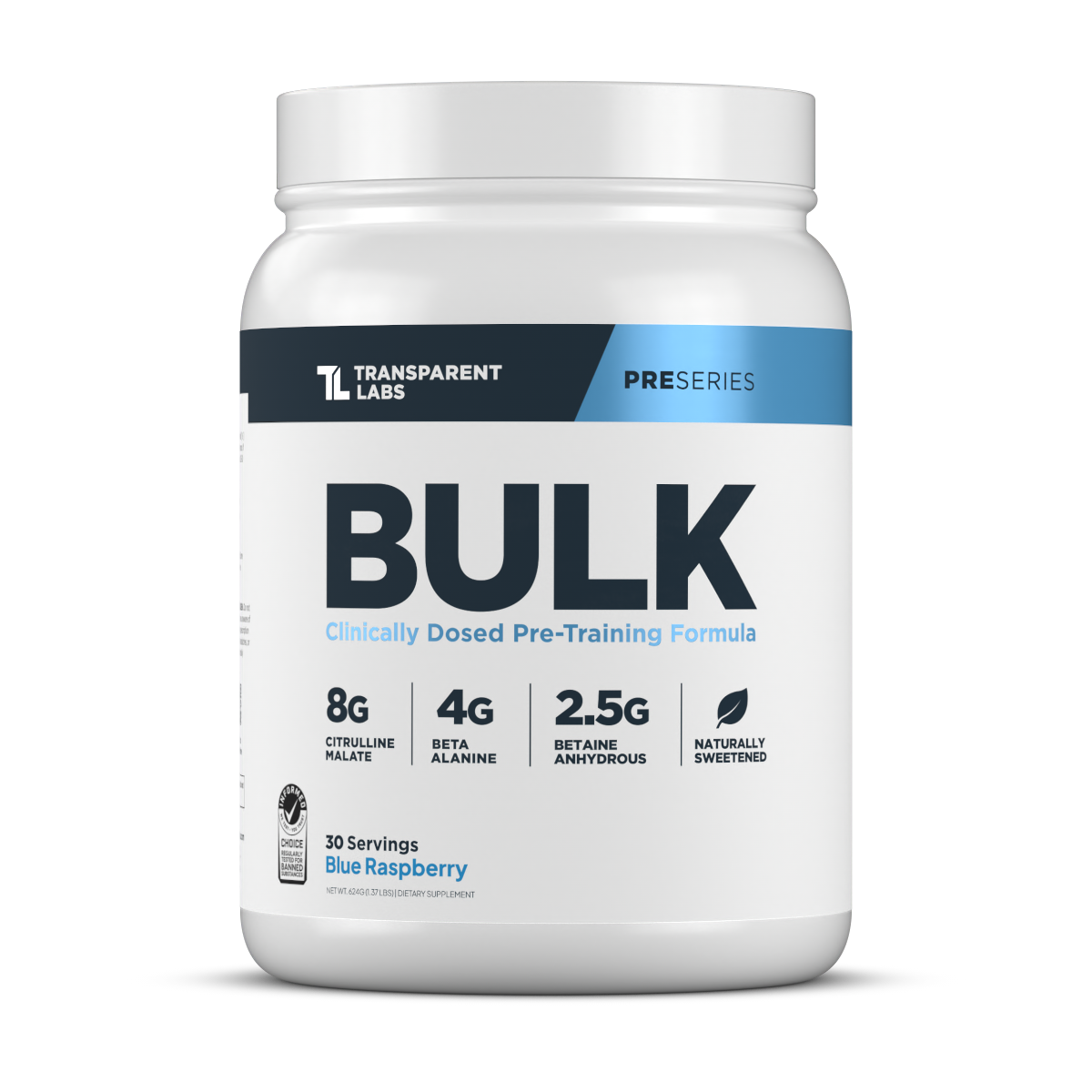
Transparent Labs BULK Pre-Workout
Best Overall Pre-Workout: Transparent Labs BULK earns its name — every ingredient is fully disclosed with exact doses, and most hit the clinically studied effective ranges. Citrulline malate at 8g (the dose used in most pump studies), beta-alanine at 4g (the dose that produces measurable performance improvement, not just tingling), betaine at 2.5g, and 200mg caffeine with 200mg L-theanine to reduce caffeine jitters.
Top picks ↓| Product | Price | Link |
|---|---|---|
| $49.99Reference price | ||
| $39.99Reference price | ||
| $29.99Reference price | ||
| $29.84Reference price | ||
| $44.99Reference price |
Top picks
Related articles


Transparent Labs BULK earns its name — every ingredient is fully disclosed with exact doses, and most hit the clinically studied effective ranges. Citrulline malate at 8g (the dose used in most pump studies), beta-alanine at 4g (the dose that produces measurable performance improvement, not just tingling), betaine at 2.5g, and 200mg caffeine with 200mg L-theanine to reduce caffeine jitters. The L-theanine pairing is the key differentiator from stimulant-forward competitors: the caffeine effect is focused rather than wired, and there's no sharp drop-off 90 minutes in. Third-party tested and labeled without proprietary blends. The flavor selection is wide and the powder mixes cleanly. At this dose profile, you're paying for actual ingredient quantity, not marketing — this is what a pre-workout looks like when the goal is performance rather than proprietary blend concealment.
0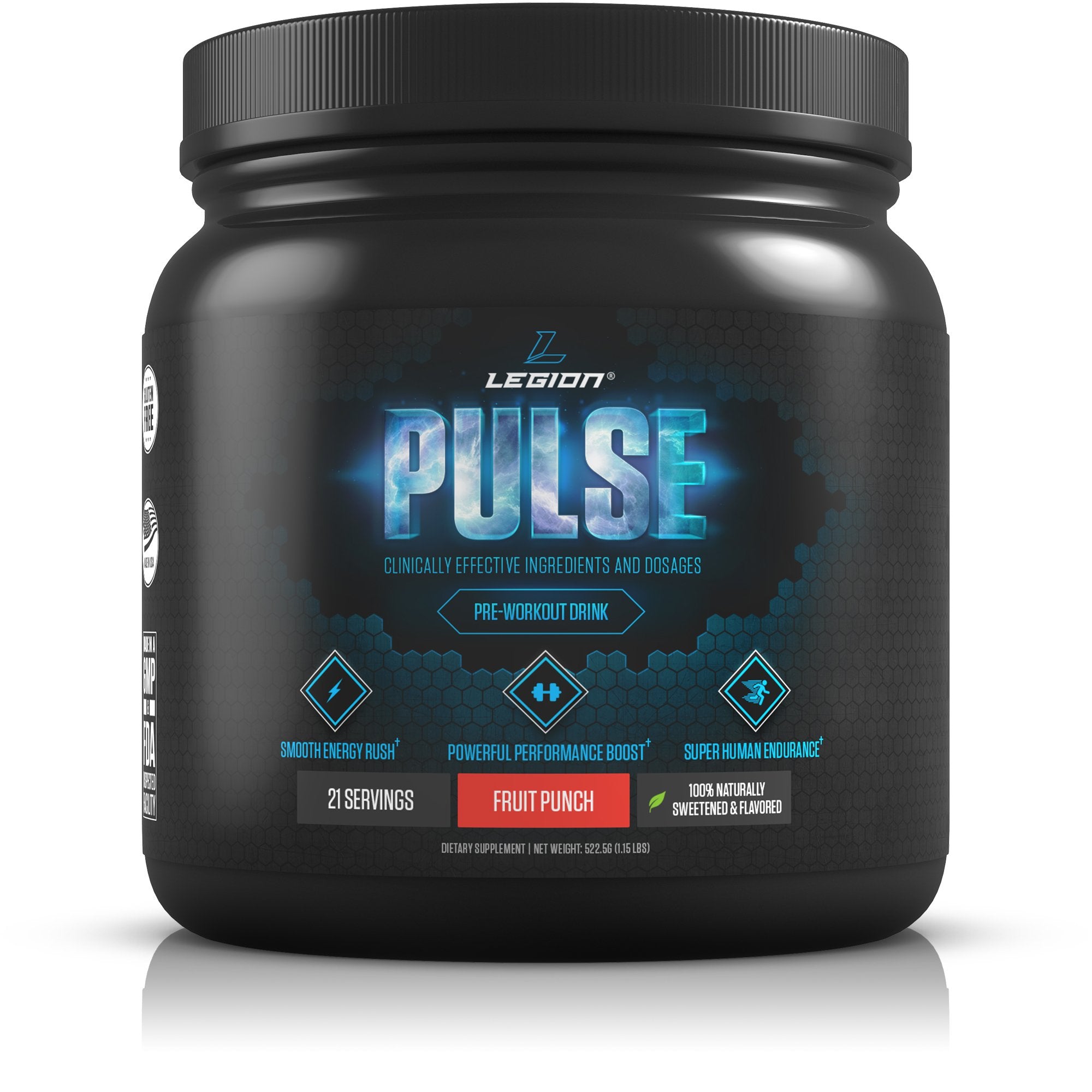
Legion Pulse Pre-Workout
Legion Pulse offers the same ingredient-transparency philosophy as Transparent Labs — full label disclosure, clinically effective doses — with the additional option of a fully stimulant-free version. The caffeinated version uses 350mg caffeine (the highest in this comparison) with L-theanine; the stim-free version delivers the pump and endurance ingredients without any stimulants. The stim-free version is notable because few competitors produce a genuinely well-dosed stimulant-free option — they're usually stripped versions with minimal ingredients. Legion's stim-free Pulse retains full doses of citrulline, beta-alanine, betaine, and L-carnitine. For evening workouts, caffeine-sensitive individuals, or those who want to cycle off stimulants without losing other pre-workout benefits, Legion's stim-free version has no real competitor.
0
Optimum Nutrition Gold Standard Pre-Workout
Optimum Nutrition's Gold Standard is the most recognizable name in this category, available in every supplement store and online retailer. The formula is more modest than the transparent-label competitors — 175mg caffeine, creatine at 3g, beta-alanine at 1.5g. The doses are lower than clinical benchmarks but are real ingredients at meaningful (if submaximal) amounts. For someone moving from coffee-only pre-workout to their first dedicated supplement, Gold Standard is the appropriate entry point: the stimulant level is manageable, the brand is trustworthy, and it's consistently available everywhere. It's not the best pre-workout available, but it's the best mainstream entry-level option — and its ubiquity means you can always find it when traveling or when your preferred brand is sold out.
0Subscribe to our newsletter
Occasional updates and new releases — no spam.
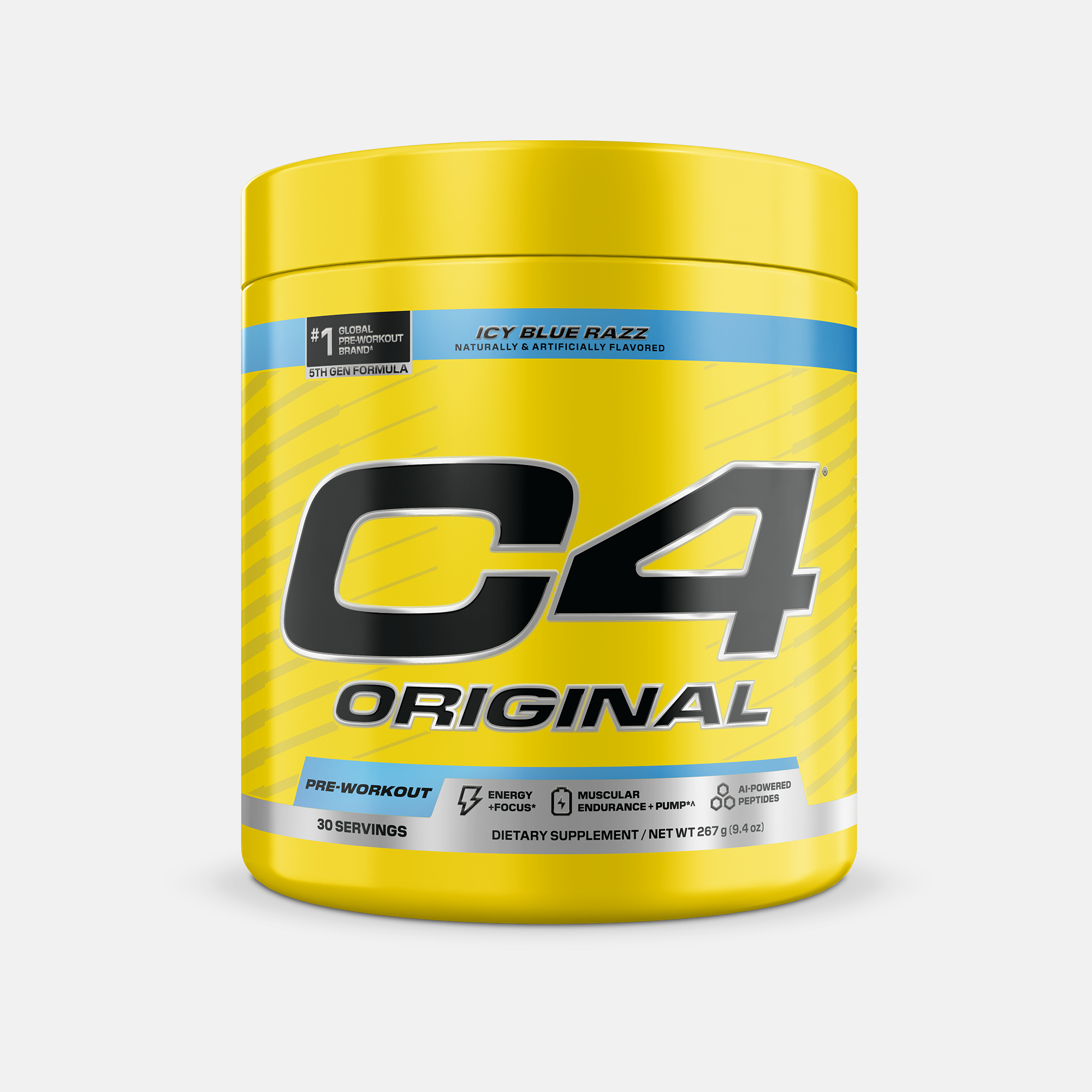
C4 Original is the best-selling pre-workout in the US market and the first pre-workout most gym-goers encounter. The formula is simple and heavily stimulant-forward: 150mg caffeine, a small beta-alanine dose for the tingle effect, and creatine nitrate (1g — a form that's more soluble than monohydrate but at a dose below what's effective for strength). The energy effect is clean and reliable at the 150mg caffeine level. The issue is that C4's beta-alanine and creatine doses are too low to produce the performance effects those ingredients are studied for — it's primarily a caffeine supplement with sensory enhancement from the tingling. Good for: your first pre-workout, pre-workout before moderate sessions, or when you want a light stimulant without complexity. Not good for: expecting beta-alanine or creatine benefits.
0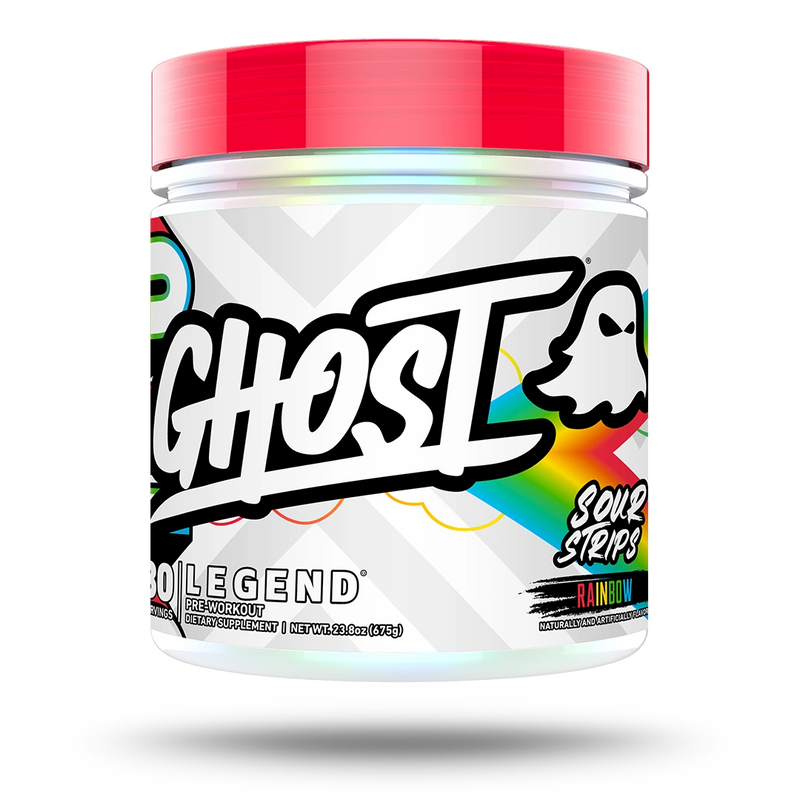
Ghost Legend Pre-Workout
Ghost Legend occupies a specific niche: genuinely good-tasting pre-workout with licensed flavors (Sour Patch Kids, Swedish Fish, Warheads) and transparent labeling that's better than most mainstream competitors. The formula hits 250mg caffeine, 4g citrulline (slightly below clinical peak), and 3.2g beta-alanine — meaningful doses throughout, though not maximally dosed. The flavor execution is genuinely impressive — the candy-licensed flavors taste like the candy they're modeled on, which matters when you're drinking this every training day. Ghost's formula is competitive, the flavors are class-leading, and the branding is honest about ingredient amounts. For daily pre-workout users who are tired of chalky supplements that taste like synthetic fruit, Ghost Legend makes the supplement enjoyable enough to be consistent with.
0Which one is right for you?
Best Overall Pre-Workout
Transparent Labs BULK Pre-Workout
Transparent Labs BULK earns its name — every ingredient is fully disclosed with exact doses, and most hit the clinically studied effective range rather than being buried in a proprietary blend.
Best Fully-Dosed Stimulant-Free Option
Legion Pulse Pre-Workout
Legion Pulse offers the same ingredient-transparency philosophy as Transparent Labs — full label disclosure, clinically effective doses, and the added option of a stimulant-free version.
Best Mainstream Pre-Workout
Optimum Nutrition Gold Standard Pre-Workout
Optimum Nutrition's Gold Standard is the most recognizable name in this category, available in every supplement store and online retailer, which makes it the easiest option to simply buy and try.
Best Entry-Level Pre-Workout
C4 Original Pre-Workout
C4 Original is the best-selling pre-workout in the US market and the first pre-workout most gym-goers encounter.
Best Flavor and Lifestyle Pre-Workout
Ghost Legend Pre-Workout
Ghost Legend occupies a specific niche: genuinely good-tasting pre-workout with licensed flavors (Sour Patch Kids, Swedish Fish, Warheads) and labeling more transparent than most mainstream competitors.
How to Choose a Pre-Workout Supplement
Ingredient transparency, effective dose ranges, and stimulant management determine whether a pre-workout actually improves training or just makes you feel like it does.
Bottom line
Transparent Labs BULK is the benchmark for pre-workouts that actually deliver what they advertise — fully disclosed doses at clinically studied ranges, with L-theanine making the caffeine effect clean rather than jittery. Legion Pulse earns its spot for offering the only well-dosed stimulant-free version in this category, which fills a genuine gap for evening athletes and caffeine-sensitive users. Ghost Legend is the right choice when consistency matters more than max doses — flavors good enough to actually want to take it every session. The thing to verify on any pre-workout: whether each performance ingredient (not just caffeine) hits the dose range where research shows effects. If it doesn't disclose doses, assume the answer is no.
Frequently asked questions
Do you need a pre-workout supplement to train effectively?▼
Why does my skin tingle after taking pre-workout?▼
Can I take pre-workout every day?▼
What's the difference between pre-workout and creatine?▼
Prices change. Check the retailer for the current price.
Comments & questions
Discussion happens on nattzy, our community forum. Sign in with Google to post — it takes a second.