Best Protein Powder for Beginners 2026: What to Look For
WriterPickly Editorial
Updated 2026-05-15
Protein powder is the supplement where beginners overthink the formula and underestimate the importance of actually being able to drink it daily without dreading it.
Quick answer
Optimum Nutrition Gold Standard Whey is the safest first tub: whey isolate leads the formula at 24g protein per 120-calorie serving, it is Informed Sport certified, it mixes without clumping in a plain shaker, and 30-plus flavors mean you can switch without changing brands. MyProtein Impact Whey cuts the cost per gram meaningfully, which lowers the risk of a wasted purchase if you dislike it. If you have tried protein powder before and found it undrinkable, BSN Syntha-6's casein blend tastes closest to a milkshake.
📋How we compared
This comparison is desk research. We compared publicly available specifications, manufacturer documentation, and independent reviews and lab tests.
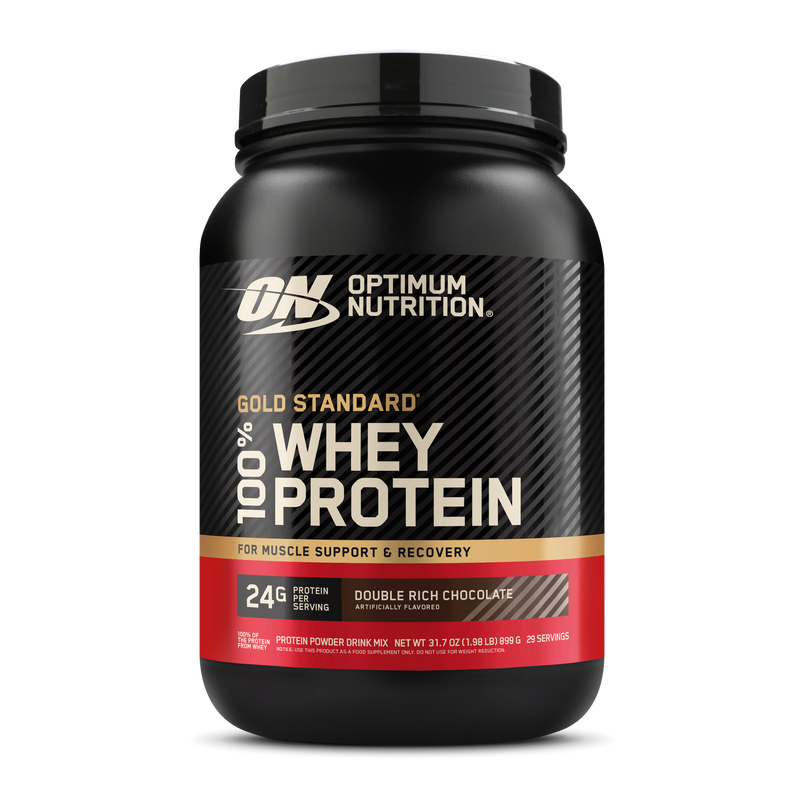
Best Overall: Gold Standard Whey has been the top-selling protein powder in the US for over two decades and earns the default position here on substance rather than just inertia. The formula lists whey isolate first, supplemented with whey concentrate and whey peptides — 24 g protein per 120-calorie serving with 5.5 g naturally occurring BCAAs and around 4 g of glutamine precursors.
Top picks ↓This button opens Amazon search results, not a specific product page.
This button opens Amazon search results, not a specific product page.
This button opens Amazon search results, not a specific product page.
Which one is right for you?
Related articles


1★ Best PickA+Best OverallOptimum Nutrition Gold Standard Whey
Whey isolate primary, 24g protein / 120 calories per serving, 30+ flavors, Informed Sport certified. $55-65 for 5 lbs (~73 servings). Best all-around pick — clean formula, excellent third-party testing, consistent taste and mixability. Correct for most beginners who want a reliable, well-tested product.
Gold Standard Whey has been the top-selling protein powder in the US for over two decades and earns the default position here on substance rather than just inertia. The formula lists whey isolate first, supplemented with whey concentrate and whey peptides — 24 g protein per 120-calorie serving with 5.5 g naturally occurring BCAAs and around 4 g of glutamine precursors. The protein-to-calorie ratio fits most beginners' macros cleanly. Informed Sport certification means each lot is tested for banned substances, heavy metals, and contaminants — a quality signal that's useful for non-athletes too. Mixability with 6–8 oz of water or milk is excellent: no clumping, no gritty texture. The flavor range covers 30+ options and tastes consistently acceptable rather than transcendent — it tastes like a protein powder, not a milkshake.
Pros
- ✓Whey isolate primary with strong protein-to-calorie ratio
- ✓Informed Sport certified for contaminants and banned substances
- ✓Mixes cleanly in a shaker without clumping
- ✓30+ flavors with consistent quality
Cons
- ✗Taste is acceptable rather than crave-worthy
- ✗Per-gram cost higher than concentrate-only competitors
2ABest ValueMyProtein Impact Whey Protein

Whey concentrate, 21g protein per 25g serving, extensive flavor range. $35-45 for 5.5 lbs (~88 servings). Best value pick — lowest cost per gram among reputable brands. Correct for budget-conscious beginners or first-timers testing whether protein supplementation works for them.
MyProtein Impact Whey uses whey concentrate as its primary protein source, delivering 21 g protein per 25 g serving at 84% protein by weight — high for a concentrate product. At $35–45 for 5.5 lbs, the cost per gram of protein is meaningfully lower than Gold Standard, which reduces the sunk-cost risk for beginners not yet sure they'll stick with supplementation. The flavor catalog is one of the more creative in the market (Chocolate Peanut Butter, Salted Caramel, Natural Chocolate) but quality varies by flavor — the unusual options divide opinion. Texture with water is thinner than Gold Standard because concentrate produces a lighter mouthfeel than isolate; with milk it thickens to a more satisfying consistency. Informed Sport certification is patchy across SKUs rather than blanket, so confirm the specific flavor and size before buying if tested-sport status matters.
Pros
- ✓Lowest cost per gram of protein in this comparison
- ✓84% protein by weight is high for concentrate
- ✓Extensive and creative flavor catalog
- ✓Bulk 5.5 lb sizing reduces per-serving cost further
Cons
- ✗Informed Sport certification varies by SKU
- ✗Thinner texture in water than isolate-based options
3ABest TasteBSN Syntha-6
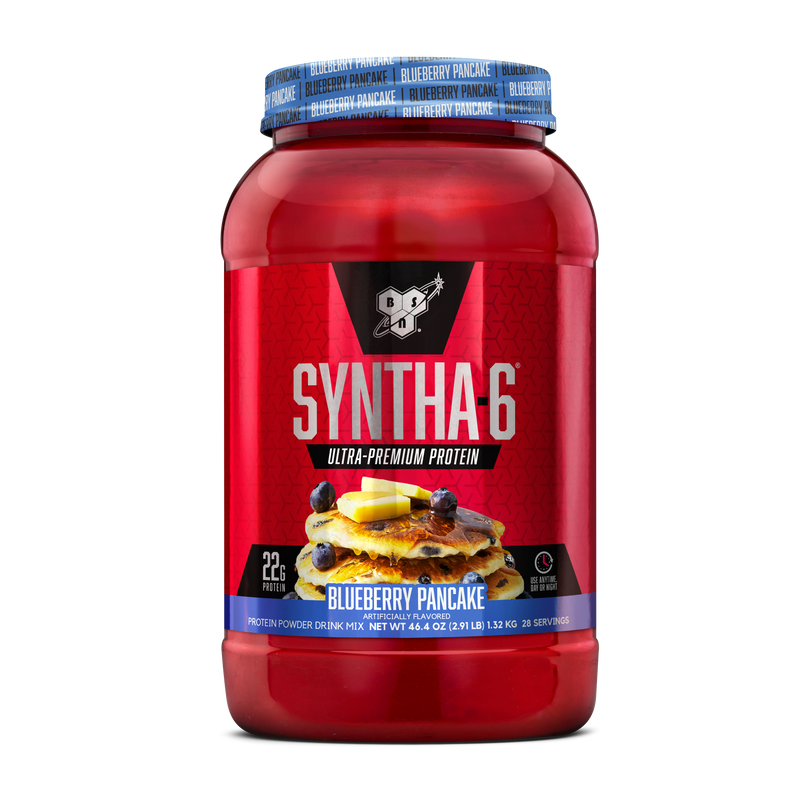
Multi-protein blend (whey + casein + egg), 22g protein / 200 calories, thick milkshake texture. $45-55 for 2.91 lbs (~28 servings). Best taste — closest to a real milkshake experience, useful for people who struggle with protein powder palatability. Higher calorie-per-protein ratio.
BSN Syntha-6 is the option for beginners who tried protein powder before and found it unpalatable. The multi-protein blend combines whey concentrate, whey isolate, casein, micellar casein, and egg albumin — the casein component produces a noticeably thicker, creamier texture that approaches a real milkshake rather than a typical protein shake. Flavors like Chocolate Milkshake and Vanilla Ice Cream genuinely deliver dessert-level palatability that drives adherence in users who would otherwise skip shakes. The trade-off is the macro profile: 22 g protein per 200-calorie serving means the calorie density per gram of protein is higher than Gold Standard (24 g per 120 calories), driven by the casein and milk solids that make the shake taste like a shake. If you're tracking calories tightly, that ratio matters; if your barrier to consistent protein intake is unpalatable shakes, Syntha-6 solves the problem.
Pros
- ✓Best-tasting product in this comparison
- ✓Thick milkshake-like texture from casein blend
- ✓Mixed amino acid release profile from blend
- ✓Drives adherence for taste-averse beginners
Cons
- ✗Higher calorie-per-gram-of-protein ratio than pure whey
- ✗More expensive per gram of protein than Gold Standard
This button opens Amazon search results, not a specific product page.
Subscribe to our newsletter
Occasional updates and new releases — no spam.
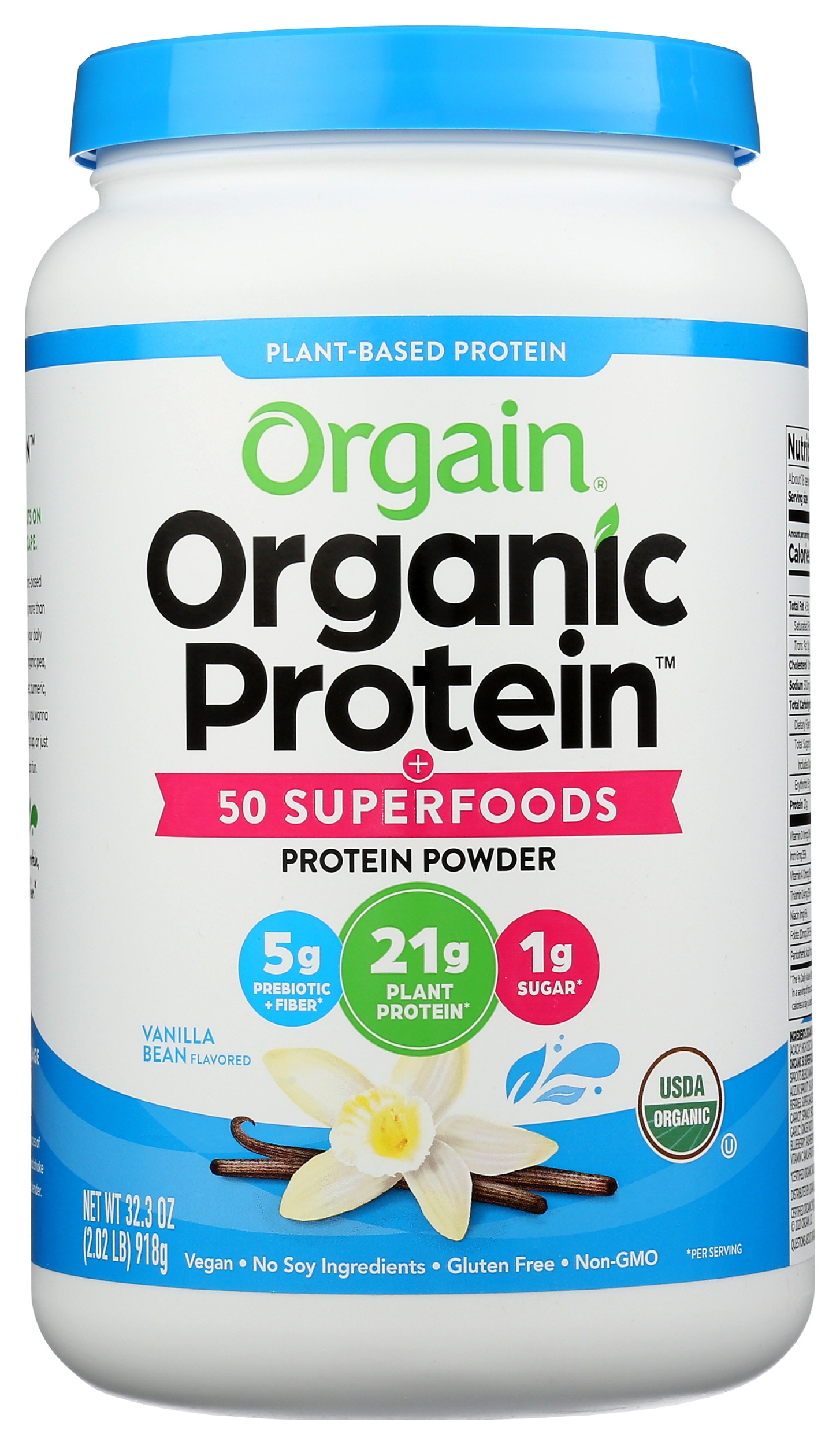
4B+Best Plant-Based ValueOrgain Organic Protein

Organic pea/chia/brown rice blend, 21g protein, USDA organic, no artificial sweeteners. $35-45 for 2.03 lbs (~20 servings). Best entry-level plant protein — organic sourcing, competitive price, works best in smoothies not just shaker.
Orgain Organic Protein is the best entry-level plant protein for beginners who want organic sourcing without paying the Garden of Life premium. The blend combines pea, chia, and brown rice protein to round out the amino acid profile — pea alone runs slightly low on methionine, rice runs low on lysine, and the combination delivers a complete profile that supports muscle protein synthesis at roughly the same magnitude as whey when matched for total protein and leucine. 21 g protein per serving, USDA certified organic, non-GMO verified, and free of artificial sweeteners. The texture is slightly gritty compared with whey — a persistent characteristic of plant proteins even after formulation advances — and mixing in a blender with frozen fruit significantly improves the experience over plain water in a shaker. The right choice for budget-conscious vegans and people with dairy intolerance.
Pros
- ✓USDA organic and non-GMO verified
- ✓Complete amino profile from pea, chia, and brown rice
- ✓No artificial sweeteners
- ✓Lower cost than Garden of Life Sport
Cons
- ✗Texture is grittier than whey
- ✗Best in smoothies rather than plain shaker cup
This button opens Amazon search results, not a specific product page.
5B+Best Plant-BasedGarden of Life Sport Organic Protein

Multi-legume plant blend, 30g protein, NSF Certified for Sport, organic. $45-55 for 1.85 lbs (~19 servings). Best for tested athletes or maximum quality assurance — NSF Sport is the strictest certification, justifies premium for competitors. Overkill for casual beginners.
Garden of Life Sport Organic Protein is the premium plant protein option and the right choice when third-party testing rigor matters more than per-serving cost. NSF Certified for Sport is the strictest certification for prohibited substances — used by MLB, NFL, NBA, and WADA-governed sports — and goes beyond Informed Sport in its testing protocol depth. The protein source is a multi-legume and seed blend (pea, navy bean, lentil, garbanzo bean, cranberry) delivering 30 g protein per serving in an organic, complete amino acid profile. For competing athletes who can't risk a contaminated supplement, NSF Sport certification is the deciding feature. For non-competing beginners, that certification is quality-assurance overkill and the price premium is harder to justify. Flavor is acceptable but not as refined as a well-formulated whey product — Chocolate and Vanilla are workable, not crave-worthy.
Pros
- ✓NSF Certified for Sport — strictest tested-substance certification
- ✓30 g protein per serving from comprehensive legume blend
- ✓USDA organic and complete amino profile
- ✓Right choice for drug-tested competing athletes
Cons
- ✗Premium price hard to justify for non-tested users
- ✗Flavor profile less refined than top whey options
This button opens Amazon search results, not a specific product page.
How much protein beginners actually need
The evidence-based recommendation for people actively training to build muscle is 0.7-1.0 grams of protein per pound of bodyweight per day (1.6-2.2g per kilogram). For a 160 lb beginner, that's 112-160 grams per day. This sounds like a lot until you account for how much protein is already in a normal diet: a chicken breast has 30-35g, two eggs have 12g, Greek yogurt has 15-18g, a serving of cottage cheese has 25g. Most people eating a reasonably protein-conscious diet can hit 80-100g from food alone without trying hard.
The supplement calculation: if you're eating 80-100g from food and need 130g total, you need 30-50g from supplements. One scoop of most protein powders is 20-25g. That means 1-2 scoops per day fills the gap — not 4 scoops, not chugging three shakes. This is important to establish early because the marketing around protein powder implies you need to be consuming it constantly, when the reality for most beginners is that one scoop after training is all you need.
Beginners who haven't been tracking their protein intake usually underestimate how much they already eat. Before buying protein powder, track your food intake for a week using a free app (Cronometer, MyFitnessPal). Many beginners discover they're already within 20-30g of their target — a single daily shake is sufficient, or in some cases the gap can be closed with a high-protein snack rather than a supplement at all. Protein powder is a convenience product first and a supplement second.
What happens if you eat too much protein? Very high protein intake (above 1.5g/lb bodyweight) doesn't continue to linearly increase muscle protein synthesis — there's a ceiling. The excess protein gets used as energy or excreted. It won't harm healthy kidneys in the quantities discussed here, despite widespread myths. But it does cost money and calories. There's no benefit to 4 scoops a day if 2 would achieve the same result — and the cost of unnecessarily excess powder adds up over months.
Whey concentrate vs isolate vs blend: what matters for beginners
Whey concentrate (typically 70-80% protein by weight) contains more lactose and fat than isolate — it's less processed, cheaper to produce, and makes up the bulk of most economy protein products. If you're lactose intolerant, concentrate can cause digestive discomfort: bloating, gas, loose stools. If you digest dairy fine, concentrate is a completely acceptable protein source and the protein quality is the same as isolate — both are complete proteins with excellent leucine content for muscle protein synthesis.
Whey isolate (90%+ protein by weight) is filtered more extensively, removing most of the lactose and fat. It's the better choice for lactose-sensitive individuals, people who need to minimize carbohydrate intake, or anyone whose previous experience with protein powder caused digestive issues. The protein content per serving is slightly higher for isolate vs concentrate at equivalent scoop sizes, which matters if you're tracking macros precisely. Isolate is more expensive — expect to pay 15-25% more than comparable concentrate products.
Protein blends (BSN Syntha-6 is the classic example) combine multiple protein sources: whey concentrate, whey isolate, casein, egg albumin, micellar casein. Blends are designed to create a slower amino acid release profile — fast-absorbing whey followed by slower-releasing casein means amino acid availability extends over several hours rather than peaking sharply. The practical benefit for most beginners is marginal — research hasn't consistently shown that the release profile matters significantly to muscle protein synthesis outcomes when total daily protein is adequate. What blends do offer: richer taste and texture. Casein thickens shakes in a way that makes them more milkshake-like than pure whey, which is why Syntha-6 is consistently cited as one of the best-tasting proteins despite being expensive per gram of protein.
Plant proteins (Orgain Organic Protein, Garden of Life Sport) are relevant for vegans, vegetarians, or people with dairy allergies. The key issue with single-source plant proteins (soy, pea, rice) is amino acid profile completeness — rice protein is low in lysine, pea protein is adequate but slightly low in methionine compared to whey. The solution used in most quality plant proteins is blending: Orgain combines pea, chia, and brown rice; Garden of Life Sport uses pea, navy bean, lentil, garbanzo bean, and cranberry. These blends achieve a complete amino acid profile that approaches whey in muscle protein synthesis stimulus, though the evidence still slightly favors whey when matched for leucine content.
Optimum Nutrition Gold Standard Whey: the default recommendation
Gold Standard Whey has been the best-selling protein powder in the US for over two decades, and in 2026 it still earns that position on merit rather than just brand inertia. The formula is primarily whey isolate (listed first in ingredients) supplemented with whey concentrate and whey peptides. Each serving delivers 24g protein, 5.5g BCAAs naturally occurring, 4g glutamine and precursors, for 120 calories — a clean protein-to-calorie ratio that suits most beginners' macros.
Third-party testing: ON Gold Standard is Informed Sport certified, meaning it's tested for banned substances. This matters for competitive athletes but is also a useful quality signal for non-athletes — Informed Sport certification requires testing for contaminants and heavy metals in addition to banned substances. It's not the only third-party certification worth trusting (NSF Certified for Sport, Banned Substances Control Group are equivalent), but it's one of the more rigorous ones and it applies to Gold Standard.
Taste and mixability: Gold Standard mixes well in a shaker cup with 6-8 oz of water or milk — no clumping, no gritty texture, no undissolved residue. The flavor range is extensive (30+ flavors including Double Rich Chocolate, Cookies and Cream, Gold Standard Banana, Vanilla Ice Cream) and the flavor quality is consistently good rather than excellent. It doesn't taste like a milkshake — it tastes like a protein powder, which is a distinction worth making. If you hate the taste of protein powder in general, Gold Standard won't convert you. It's the benchmark of acceptable protein powder taste, not a transcendent experience.
Cost: $55-65 for 5 lbs (approximately 73 servings at 24g per serving). Per gram of protein, Gold Standard is fairly priced among third-party-tested products at this quality tier. Buying in bulk (5 lb vs 2 lb) reduces per-serving cost significantly — if you know you'll use it consistently, the 5 lb bag is the better value. Costco and Amazon both carry it; Amazon frequently runs subscribe-and-save discounts.
MyProtein Impact Whey: best value per gram of protein
MyProtein Impact Whey uses whey concentrate as its primary protein source, delivering 21g protein per 25g serving (84% protein by weight — high for a concentrate product). At $35-45 for 5.5 lbs (2.5 kg), the cost per gram of protein is lower than Gold Standard by a meaningful margin. For a beginner buying their first large bag of protein with uncertainty about whether they'll stick to supplementing, the lower per-unit cost reduces the risk of a large sunk cost.
MyProtein is a UK-based company with a large US presence through its website. Third-party testing: MyProtein has Informed Sport certification on specific products — confirm the specific flavor and size you're buying carries the certification, as not all SKUs are covered. The product testing history is generally clean, but the certification patchiness is a legitimate concern if you're competing in tested sports. For the average beginner focused on general fitness, this concern is lower priority.
Flavor quality: MyProtein's flavor range is one of the more creative in the market (Chocolate Peanut Butter, Salted Caramel, Birthday Cake, Natural Chocolate). Taste is generally well-received but can vary by flavor — the more unusual flavors (Blueberry, Apple Crumble) are divisive. The texture with water is thinner than Gold Standard, as concentrate typically produces a lighter mouthfeel than isolate. With milk it thickens to a more satisfying consistency.
The best use case for MyProtein Impact Whey: a beginner who wants to see if protein supplementation improves their recovery and progress before committing to a premium product, someone on a tight supplement budget, or a person buying in larger quantities who prioritizes cost per gram over maximum quality signals. The step up to Gold Standard or a cleaner isolate product makes sense once you've confirmed protein powder is part of your routine and you're ready to optimize.
BSN Syntha-6, Orgain Organic, and Garden of Life Sport
BSN Syntha-6 ($45-55 for 2.91 lbs, approximately 28 servings) is the option for beginners who've tried protein powder before and found it unpalatable. The multi-protein blend with casein produces a thicker, creamier texture than pure whey, and the flavor quality (particularly Chocolate Milkshake and Vanilla Ice Cream) is genuinely good — closer to a dessert experience than a supplement chore. The trade-off: only 22g protein per 200-calorie serving, compared to 24g per 120 calories for Gold Standard. The extra calories come from the casein and milk solids that make it taste better. If you're tracking calories tightly, Syntha-6's caloric density per gram of protein is a real consideration. If you're a beginner who just needs to eat more protein and won't do it if the shake is unpleasant, Syntha-6's palatability advantage is worth the cost and calorie tradeoff.
Orgain Organic Protein ($35-45 for 2.03 lbs, approximately 20 servings) uses an organic pea/chia/brown rice blend with 21g protein per serving. It's USDA certified organic, non-GMO verified, and contains no artificial sweeteners or flavors. The texture is slightly gritty compared to whey — a characteristic of plant proteins that hasn't been fully eliminated despite formulation advances. Mixing in a blender with frozen banana or berries significantly improves the experience over a shaker cup with just water. Orgain is the best entry-level plant protein for beginners who want organic sourcing without the premium pricing of Garden of Life.
Garden of Life Sport Organic Protein ($45-55 for 1.85 lbs, approximately 19 servings) is the premium plant protein option — NSF Certified for Sport (the strictest third-party certification for prohibited substances, used by MLB, NFL, NBA, and WADA-governed sports), organic, and made with a comprehensive multi-bean and seed blend. The certification makes it the correct choice for competitive athletes who are drug-tested and can't risk a contaminated supplement. For non-competing beginners, the NSF certification is quality assurance overkill that you pay a premium for. The protein quality is excellent; the flavor (Chocolate, Vanilla) is acceptable but not as refined as a good whey product.
Digestive issues to expect: any protein powder can cause temporary digestive adjustment when you first start using it. Gas, bloating, and loose stools in the first 1-2 weeks are common and usually resolve as gut microbiome adjusts. If symptoms persist beyond two weeks, switch from concentrate to isolate (likely lactose sensitivity) or from animal to plant protein (possible dairy intolerance). Taking protein powder with meals rather than on an empty stomach reduces digestive discomfort for most people. Drinking adequate water is often overlooked — high protein intake without adequate hydration contributes to constipation and kidney workload.
Why taste matters more than most reviews admit
Every supplement review weights efficacy above taste, but efficacy assumes consistent use — and consistent use requires that you actually take it. A protein powder that provides marginally better amino acid kinetics but tastes like chalk mixed with artificial sweetener will not be used as consistently as a good-tasting product that you look forward to. Supplementation adherence is heavily influenced by palatability, and palatability is individual. The same Chocolate flavor tastes completely different from brand to brand.
Sample packs are underused. MyProtein, Orgain, and BSN all sell sample servings individually for $1-3 each. Before buying 5 lbs of a flavor you haven't tried, order samples in 2-3 flavors and test them with your preferred liquid (water, whole milk, oat milk). Your taste preference should override any review recommendation for flavor selection — if you hate vanilla, the best-rated vanilla protein in the world isn't going to help your adherence.
Mixing method affects taste significantly. A shaker cup with ice water produces a very different result from the same protein in a blender with milk, a frozen banana, and a tablespoon of peanut butter. Beginners who try their protein powder for the first time with just water in a shaker often conclude it's terrible and give up — the more useful test is making it the way you'd actually consume it daily. Many proteins that are mediocre with water are excellent in smoothies.
Flavor fatigue is real. Drinking the same protein shake flavor every day for months leads to taste aversion even with flavors you initially liked. Rotation strategies: buy smaller sizes in two flavors and alternate, or buy one large bag of a neutral flavor (vanilla, unflavored) and add your own flavoring (cocoa powder, fruit, peanut butter) for variety. Unflavored whey protein is versatile but requires more effort to make palatable — it works well in oatmeal, yogurt, and cooking applications where you don't taste it directly.
When to take protein powder and what to ignore
The 'anabolic window' — the idea that you must consume protein within 30 minutes of finishing a workout or the gains are lost — is a significant exaggeration of real research. Muscle protein synthesis is elevated for hours after training, and total daily protein intake matters far more than timing within that window. If you eat a protein-rich meal 2 hours before training and another protein-rich meal 3 hours after training, your muscles are not starved between the sessions. The post-workout shake is convenient and useful, not mandatory.
When timing does matter slightly: if you're training in a fasted state (morning workout before breakfast) or if you're going more than 4-5 hours between meals that include significant protein, consuming protein closer to the training session has modest benefit. A pre-workout protein serving can be as useful as post-workout in this context. For most people with normal eating schedules, the simplest approach is to have a shake whenever is most convenient — usually post-workout because that's when you're already thinking about recovery.
Before bed protein: casein protein (a slow-digesting dairy protein) before sleep has legitimate research support for overnight muscle protein synthesis, particularly for people on aggressive muscle-building programs training more than 5 days per week. For beginner training 3-4 days per week, the effect size is small relative to the importance of total daily protein intake. If you like the idea of a nighttime shake, a casein product (Dymatize Elite Casein, ON Casein) or cottage cheese (which is naturally high in casein) are the appropriate choices. Whey before bed works fine too — the timing distinction matters less than the marketing suggests.
Protein powder in cooking: several products in this comparison work well in cooking applications. Unflavored whey or plant protein can be added to pancake batter, oatmeal, muffin recipes, or yogurt to boost protein content without changing flavor much. Flavored proteins work in baked goods when the flavor complements the recipe (chocolate protein in brownies, vanilla in muffins). The cooking process partially denatures protein but does not destroy the amino acid profile — the protein remains nutritionally valuable after heating. This is a useful approach for people who struggle to consume shakes but want to integrate protein powder into meals.
Frequently asked questions
How much protein do beginners actually need per day?▼
Should I get whey or plant-based protein powder?▼
When should I take protein powder — before or after a workout?▼
Why does protein powder cause gas and bloating?▼
Is protein powder safe for beginners who are new to lifting?▼
Check the details of the products in this article
- Optimum Nutrition Gold Standard Whey$95.18Price as of 2026-10-19
- MyProtein Impact Whey Protein$32.99Reference price
- BSN Syntha-6$39.99Reference price
This button opens Amazon search results, not a specific product page.
- Orgain Organic Protein$29.99Reference price
This button opens Amazon search results, not a specific product page.
- Garden of Life Sport Organic Protein$44.99Reference price
This button opens Amazon search results, not a specific product page.
Prices change. Check the retailer for the current price.
Comments & questions
Discussion happens on nattzy, our community forum. Sign in with Google to post — it takes a second.
View the discussion thread on nattzy ↗
Still deciding? Ask the community your own question — Post a question on nattzy ↗
Related articles

Best Basketball Shoes for Beginners 2026: Top 5 Picks
Best Keyboard for Beginners 2026: 5 61-Key Picks Compared
Best Sewing Machines for Beginners 2026: 5 Picks from $120

Best Protein Shaker 2026: 5 Compared
Best ETFs for Beginners 2026: 5 Top Funds Compared

Best Acoustic Guitar for Beginners 2026: 5 Picks from $175