Best Running Shoes for Flat Feet 2026: 5 compared
Flat feet don't doom you to injury or discomfort — but buying the wrong category of shoe absolutely can, and the motion control vs stability distinction matters more than brand loyalty.
Quick answer
The Brooks Adrenaline GTS 24 is the safest starting point for mild to moderate overpronation: GuideRails limit excess heel movement without forcing a corrected position, and widths run to 4E for feet that spread under load. The ASICS Gel-Kayano 31 adds a 4D Guidance post and 40mm stack for marathon mileage, the New Balance 860v14 is the plushest at 9.8 oz, the Saucony Guide 17 is lightest for tempo work, and the Hoka Arahi 7 rocker helps plantar fasciitis.
This comparison is desk research. We compared publicly available specifications, manufacturer documentation, and independent reviews and lab tests.

Best Overall: The Adrenaline GTS 24 is the default daily trainer for mild to moderate overpronators and the safest first pick for anyone unsure where they fall on the spectrum. The GuideRails system replaces the traditional medial post with extended support rails on both sides of the heel, limiting excess movement without forcing the foot into a corrected position.
Top picks ↓| Product | Price | Link |
|---|---|---|
| $140Reference price | ||
| $160Reference price | ||
| $135Reference price | ||
| $130Reference price | ||
| $145Reference price |
Top picks
Related articles
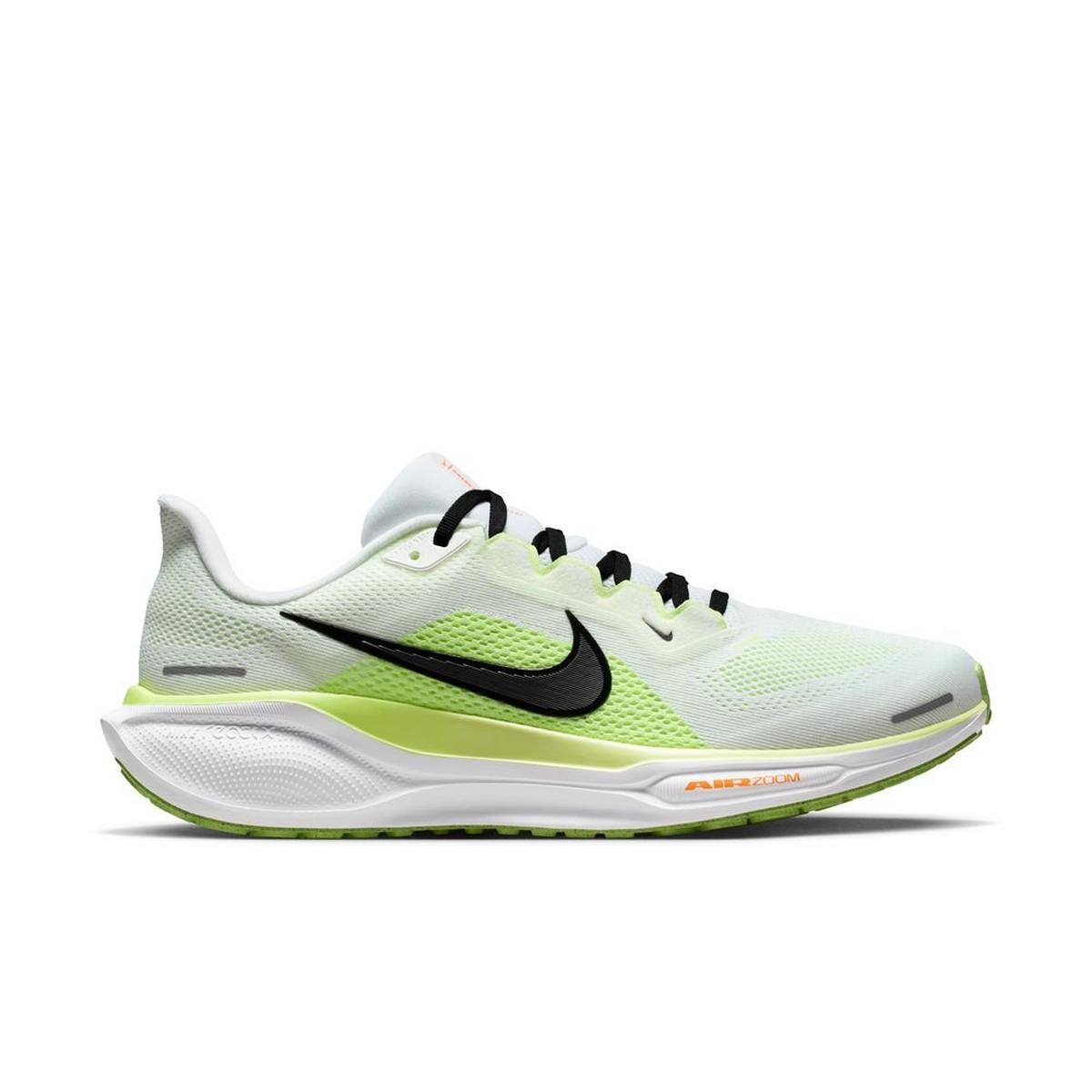
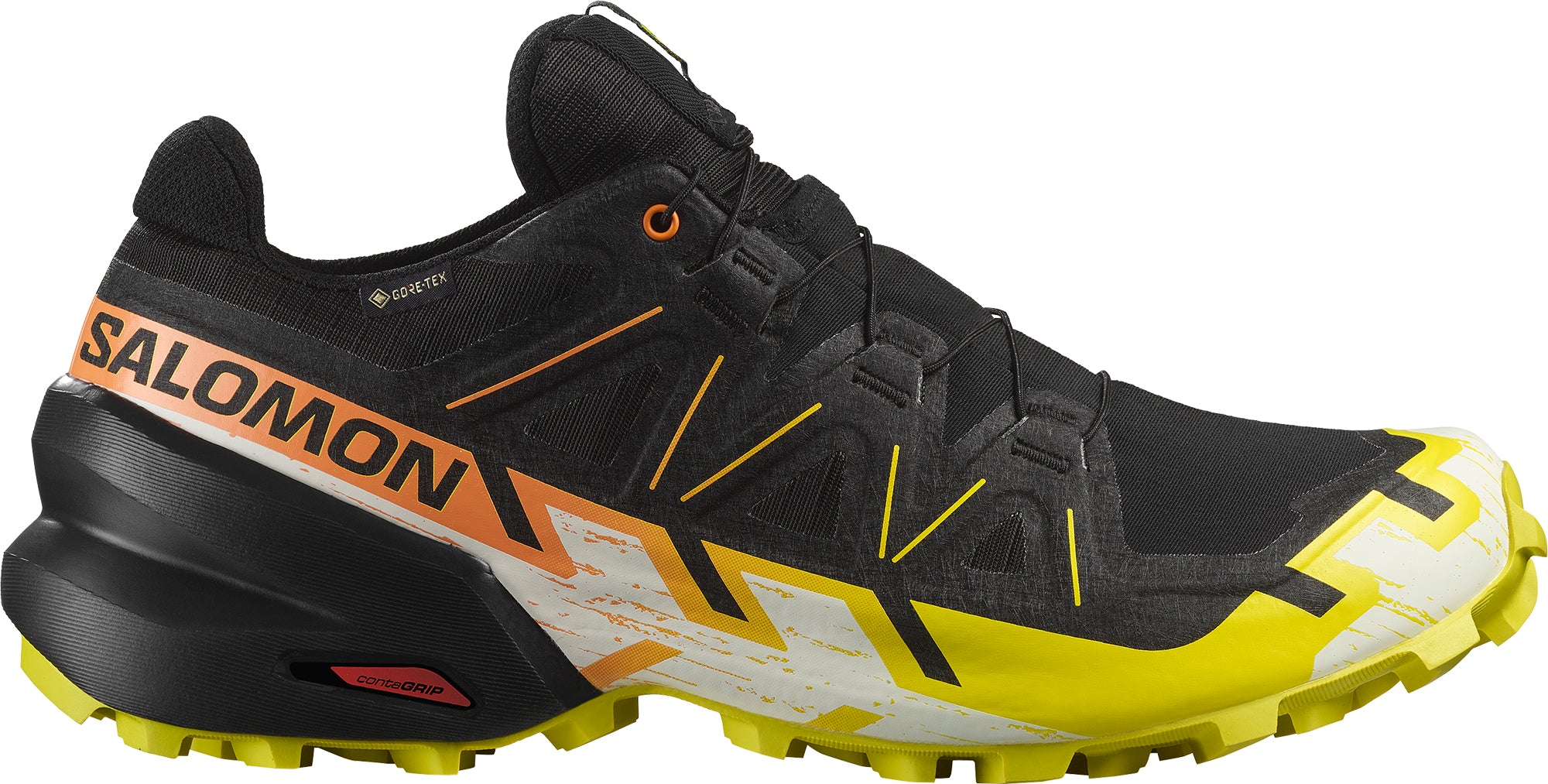

Stability, GuideRails medial support, DNA LOFT v3 foam, 12mm drop, ~10.5 oz. $140. Best all-around stability pick — versatile, forgiving, wide widths available. Correct for mild to moderate overpronators and first-time stability shoe buyers.
The Adrenaline GTS 24 is the default daily trainer for mild to moderate overpronators and the safest first pick for anyone unsure where they fall on the spectrum. The GuideRails system replaces the traditional medial post with extended support rails on both sides of the heel, limiting excess movement without forcing the foot into a corrected position. DNA LOFT v3 foam throughout with a v2 crash pad in the heel gives a softer, more responsive ride than previous generations while keeping the 35mm/23mm stack and 12mm drop that suits heel strikers. Wide widths up to 4E are available, which matters when flat feet spread under load. At ~10.5 oz it lands in the middle of the stability category — not the lightest, not heavy enough to feel during easy runs.
Pros
- ✓GuideRails support feels less corrective than traditional posts
- ✓Wide widths (2E, 4E) available for spreading feet
- ✓DNA LOFT v3 cushioning handles 20–40 mile weeks comfortably
- ✓Versatile across daily training, long runs, and recovery days
Cons
- ✗Insufficient medial support for severe overpronators
- ✗Heavier than speed-focused stability options

Stability, 4D Guidance System, FF BLAST+ ECO + Gel, 8mm drop, ~10.9 oz. $160. Best for long-distance and heavier runners — maximum structure and cushioning. Correct for moderate to significant overpronators running marathon distances.
The Gel-Kayano 31 is the premium stability pick for marathon training, heavier runners, and anyone whose overpronation sits between moderate and severe. The 4D Guidance System combines an external heel and midfoot wrap with a traditional medial post — firmer and more structured than the Adrenaline's GuideRails, positioned between standard stability and full motion control. The new FF BLAST+ ECO midsole paired with Gel units in the heel and forefoot fixes the heavy, dead feel that plagued earlier Kayano generations. Stack height of 40mm/32mm with an 8mm drop encourages a midfoot strike more than the higher-drop Adrenaline. At 10.9 oz it isn't light, but the cushioning and structure justify the weight for runners doing half marathon distances and above.
Pros
- ✓Maximum cushioning in this group, ideal for long mileage
- ✓4D Guidance handles moderate-to-significant overpronation
- ✓FF BLAST+ ECO foam fixes the old heavy ride
- ✓Gel forefoot helps runners whose stride wears the toe-off zone
Cons
- ✗Wide widths limited compared with Brooks
- ✗Weight noticeable on short recovery runs
| Item weight | 10.7 oz (305 g) |
| Heel drop | 10 mm |
| Stack height | 40 mm heel / 30 mm forefoot |
| Cushioning | Maximalist / plush (FF Blast Plus Eco + PureGEL) |
| Support type | Stability (overpronation / 4D Guidance System) |
| Use type | Daily training / road running |

Stability, Fresh Foam X medial post, 10mm drop, ~9.8 oz. $135. Most cushioned feel in this group — lighter than Kayano, plush underfoot. Correct for mild overpronators who prioritize cushion feel.
The 860v14 takes the plushest route to stability in this group. The Fresh Foam X midsole feels genuinely more cushioned underfoot than either the Adrenaline or Kayano, while medial support comes from a reinforced post and a slightly straighter last than neutral NB models. At 9.8 oz it's noticeably lighter than the Kayano (10.9 oz) and Adrenaline (10.5 oz), which makes it easier to recommend for mild overpronators who want the cushion-first feel without giving up support entirely. The trade-off is fit: the 860v14 runs narrower in standard width than its competitors, so flat-footed runners with wide feet should size up or look elsewhere. The 10mm drop sits between Brooks and ASICS — a comfortable middle for heel strikers transitioning to lower-drop shoes.
Pros
- ✓Plushest underfoot feel of the stability options here
- ✓Lighter than Adrenaline and Kayano at 9.8 oz
- ✓Reinforced medial post handles mild overpronation well
- ✓10mm drop is a forgiving middle ground
Cons
- ✗Narrow standard fit can pinch wide flat feet
- ✗Medial support insufficient for severe overpronation
Subscribe to our newsletter
Occasional updates and new releases — no spam.

Stability, PWRRUN foam + TPPU frame, 8mm drop, ~9.1 oz. $140. Lightest and most responsive option — best for speed-conscious flat-footed runners. Correct for mild overpronators who don't want to sacrifice energy return.
The Guide 17 is the lightest and most responsive shoe in this comparison at 9.1 oz, built for flat-footed runners who don't want to sacrifice tempo work for stability. PWRRUN foam paired with a TPPU medial frame replaces the traditional dense medial post with an external guide structure — stability without the dead feel that comes from firm internal posting. Stack height of 36mm/28mm and an 8mm drop give it a livelier ride than the Adrenaline or Kayano, with energy return that holds up during pickups and intervals. The trade-off is straightforward: the external frame provides less aggressive medial support than the Adrenaline GTS, so severe overpronators will find it insufficient. For mild overpronators who run faster than easy pace, it's the best balance of stability and responsiveness in this group.
Pros
- ✓Lightest stability shoe here at 9.1 oz
- ✓External TPPU frame avoids dead-feeling medial post
- ✓Responsive enough for tempo and interval work
- ✓8mm drop encourages efficient midfoot loading
Cons
- ✗Medial support too light for severe overpronation

Stability, J-Frame foam density, meta-rocker, 5mm drop, 37mm stack, ~9.5 oz. $140. Best for plantar fasciitis alongside flat feet, or runners transitioning from low-drop footwear. Correct for flat-footed runners who respond well to rocker geometry.
The Arahi 7 is Hoka's distinctive take on stability — a maximalist 37mm heel stack with a 5mm drop and J-Frame technology that provides medial support through foam density variation rather than a hard post. The meta-rocker geometry reduces forefoot bending stress in a way the other shoes here don't match, which makes it the most useful pick for runners managing plantar fasciitis alongside flat feet. The low drop makes it the natural choice for runners transitioning from zero-drop or minimal footwear who still need medial support. The wide toe box accommodates flat feet that spread under load. The honest caveat: the rocker geometry feels unusual compared to traditional shoes and requires an adjustment period — runners who find it disorienting in-store should pick the Adrenaline or Kayano instead.
Pros
- ✓Meta-rocker reduces forefoot bending stress
- ✓Wide toe box accommodates spreading flat feet
- ✓Best option for plantar fasciitis alongside flat feet
- ✓5mm drop suits low-drop transitions
Cons
- ✗Rocker geometry requires adjustment period
- ✗Low drop demands Achilles adaptation
Which one is right for you?
For first-time stability shoe buyers
Brooks Adrenaline GTS 24
GuideRails provide forgiving correction that works for unknown overpronation levels, with wide widths available for spreading flat feet.
For marathon training and heavier runners
Asics Gel-Kayano 31
The 40mm stack, FF BLAST+ ECO foam, and 4D Guidance System handle high mileage and moderate-to-significant overpronation better than any other shoe here.
For runners who want maximum cushion feel
New Balance 860v14
Fresh Foam X delivers the plushest underfoot sensation in this group while keeping weight at 9.8 oz and providing real medial support.
For tempo and interval workouts
Saucony Guide 17
At 9.1 oz with PWRRUN foam and a TPPU external frame, it's the only stability shoe here that doesn't feel sluggish during faster running.
For runners with plantar fasciitis
Hoka Arahi 7
The meta-rocker geometry and 37mm heel stack offload forefoot bending stress that aggravates plantar fascia symptoms during stability training.
What overpronation actually means for your running
Pronation is the inward roll of the foot after heel strike — it's a normal part of the running gait that helps absorb impact. Overpronation means this inward roll continues past the biomechanically efficient range, causing the arch to collapse excessively and the ankle to roll inward too far. Flat feet are structurally associated with overpronation, but the relationship isn't absolute: some people with visually flat arches have functional arches that engage during loading and don't overpronate significantly, while some people with moderate arches still overpronate badly.
The wet test (stepping on a paper bag with a wet foot and examining the footprint) gives you a rough sense of your arch shape, but it doesn't tell you whether you overpronate under load. The more useful test: take a video of yourself running from behind at treadmill speed. Look at the heel-to-ankle angle as your foot strikes and loads — if the ankle collapses notably inward, that's meaningful overpronation. A gait analysis at a specialty running store provides the same information without needing to set up your own camera.
Overpronation creates a chain of mechanical stress: the inward ankle collapse internally rotates the tibia, which in turn rotates the knee inward, then the hip. Over long distances, this rotation contributes to specific injury patterns — shin splints, runner's knee (patellofemoral pain), IT band syndrome, and plantar fasciitis. The shoe's job isn't to 'fix' your gait; it's to reduce the stress at each rotation point so your tissues can handle the mileage you're asking of them.
Severe overpronators need different shoes than mild overpronators, even if both have flat feet. This is the motion control vs stability distinction — and getting it wrong in either direction causes problems. A motion control shoe on a mild overpronator feels stiff and can cause knee pain by overcorrecting. A stability shoe on a severe overpronator provides insufficient medial support, and the arch collapse continues despite the cushioning.
Motion control vs stability: the practical difference
Stability shoes are designed for mild to moderate overpronators. They have a medial post — a denser foam section on the inner side of the midsole — that resists the inward collapse without completely preventing it. The foot can still move naturally through its range while the shoe provides a slight braking effect on excessive inward roll. Stability shoes are appropriate for most flat-footed runners who aren't severe overpronators. They feel similar to neutral shoes in terms of flexibility and responsiveness, just with more support on the medial side.
Motion control shoes are designed for severe overpronators — runners whose ankle collapse is significant enough that a standard medial post doesn't provide sufficient support. Motion control shoes have a rigid, extended medial post, a straighter last (the shape the shoe is built on), and typically a firmer overall midsole. They feel noticeably more rigid than stability shoes. Some motion control shoes (Brooks Beast, New Balance 1540) are also used by runners recovering from posterior tibial tendon dysfunction or other overpronation-related injuries where a physician has specifically recommended maximum medial support.
The category you need: if your wet-test footprint shows little to no arch and video shows significant ankle collapse under load, motion control. If your wet-test shows some arch shape and the ankle collapses but not dramatically, stability. If you're unsure, start with stability — it's the more forgiving category and easier to adjust from than motion control, which can overcorrect and cause lateral knee stress in people who don't need that much rigidity.
A note on 'zero drop' and minimal shoes for flat feet: barefoot and zero-drop advocates argue that flat feet are partly caused by decades of cushioned supportive footwear and that running barefoot strengthens intrinsic foot muscles. There's real research supporting increased foot muscle strength from minimal footwear. But transitioning from supportive shoes to minimal footwear takes months of careful progression and carries significant injury risk if done too quickly. For most flat-footed runners already dealing with discomfort, the evidence for immediate minimal footwear is weak — start with proper support and address foot strengthening through targeted exercises separately.
Brooks Adrenaline GTS 24: the standard stability recommendation
The Adrenaline GTS (Go-To-Shoe) has been Brooks' flagship stability offering for over two decades and the GTS 24 maintains its position as the default recommendation for mild to moderate overpronators. The GuideRails technology is the key feature — instead of a traditional medial post (dense foam in one location), GuideRails are extended support rails on both the medial and lateral sides of the heel that limit excess movement without forcing the foot into a specific position. The result is less intrusive medial support that works with your natural gait rather than overriding it.
The GTS 24 rides on DNA LOFT v3 cushioning throughout, with a DNA LOFT v2 crash pad in the heel. This gives it a soft, responsive feel that's meaningfully more cushioned than previous Adrenaline generations without losing the guidance function. Stack height is 35mm heel / 23mm forefoot (12mm drop). For flat-footed runners doing 20-40 miles per week across varied terrain, the GTS 24 handles daily training mileage, long runs, and recovery days without feeling punishing.
Weight is approximately 10.5 oz (men's size 9), which is moderate for a stability shoe — not the lightest option but not noticeably heavy during runs. The upper is engineered mesh with 3D Fit Print overlays for structure without wrapping the foot too tightly. Wide widths (2E and 4E) are available, which matters for flat-footed runners whose foot tends to spread under load. Durability is solid — 400-500 miles is achievable before midsole compression becomes noticeable.
The GTS 24 works best for: first-time stability shoe buyers who don't know exactly where they fall on the overpronation spectrum, runners who've had good results with previous Adrenaline versions, and anyone who wants a versatile daily trainer that handles moderate support needs without feeling like an orthopedic device. It's not the right choice for severe overpronators who need motion control, and it won't satisfy runners who want a more responsive, lighter feel.
ASICS Gel-Kayano 31: maximum cushion with structured support
The Gel-Kayano is ASICS' premium stability shoe and the 31st iteration adds FF BLAST+ ECO midsole foam alongside the traditional Gel cushioning units. The result is a notably more cushioned and responsive ride than previous Kayano generations, which were sometimes criticized for feeling heavy and dead underfoot. At 10.9 oz (men's size 9), the Kayano 31 isn't light, but the ride quality justifies the weight for runners who prioritize all-day comfort over speed.
The 4D Guidance System is the Kayano's stability mechanism — it's an external guidance system that wraps the heel and midfoot, combined with a supportive medial post in the midsole. The stability feel is firm and structured, positioned between standard stability and motion control. Flat-footed runners with moderate to significant overpronation will find the Kayano provides more support than the Adrenaline GTS without reaching full motion control territory. Stack height is 40mm heel / 32mm forefoot (8mm drop).
The lower drop (8mm vs the Adrenaline's 12mm) changes the loading pattern — the Kayano encourages a midfoot strike more than the higher-drop Adrenaline, which may be preferable for runners who've transitioned partially toward a midfoot strike pattern. For heel strikers, the Gel cushioning in the heel absorbs impact well. The forefoot Gel unit adds cushioning for toe-off, which flat-footed runners whose gait causes more forefoot wear will appreciate.
ASICS wide-width availability (2E in men's, D in women's) isn't as generous as Brooks in the Kayano 31 — standard widths only in some colorways. Check stock before committing. The Kayano is best for long-distance runners (half marathon training and above), heavier runners who benefit from the additional cushioning and structure, and anyone who found the previous Kayano comfortable and wants the updated midsole. It's a longer-run shoe than an everyday trainer — the weight adds up on shorter recovery runs.
New Balance 860v14, Saucony Guide 17, and Hoka Arahi 7
New Balance 860v14 ($135) takes a different approach — the Fresh Foam X midsole provides deep cushioning while the medial support comes from a reinforced medial post and a slightly straighter last than neutral NB models. The 860v14 is one of the narrower standard-width fits in the stability category, so runners with wide feet should size up or look elsewhere. Where it excels: the Fresh Foam X is genuinely cushioned in a way that feels more plush than either the Adrenaline or Kayano, and the weight (9.8 oz) is lower than both. For mild overpronators who prioritize cushion feel over maximum support structure, the 860v14 is worth testing.
Saucony Guide 17 ($140) uses PWRRUN cushioning with a medial TPPU frame — an external guide frame that provides stability without a traditional dense medial post. The Guide 17 is notably lighter than the Kayano and Adrenaline at 9.1 oz and has a livelier, more responsive feel underfoot. Stack height is 36mm heel / 28mm forefoot (8mm drop). This is the option for flat-footed runners who are also speed-conscious — it doesn't sacrifice energy return for stability. The trade-off is that the medial support is less aggressive than the Adrenaline GTS, so severe overpronators may find it insufficient.
Hoka Arahi 7 ($140) is Hoka's stability offering and it's the most distinctive option in this group visually — the maximalist stack height (37mm heel) is immediately apparent. J-Frame technology provides medial support through foam density variation rather than a hard medial post. The result is stability that doesn't feel mechanical. The Arahi 7 is notably lower drop than the other options at 5mm, which makes it the transition shoe for runners coming from zero-drop or minimal footwear who still need medial support. The wide toe box benefits flat-footed runners whose forefoot spreads.
The Arahi 7 is also worth considering for runners dealing with plantar fasciitis alongside flat feet — the cushioning at the heel and the meta-rocker geometry reduce forefoot bending stress in a way the other shoes in this group don't match. It won't suit everyone: the rocker geometry requires an adjustment period and feels unusual compared to traditional shoe shapes. Runners who try it in-store and find it comfortable are likely to respond well to it for training; those who find the ride geometry disorienting should choose the Adrenaline or Kayano instead.
How to test your arch and select the right shoe
The wet test: wet the sole of your foot and step firmly onto a paper bag or brown paper. Step off and look at the impression. A complete footprint with no arch curve visible indicates low/flat arch. A footprint with a thin connection or no connection between heel and forefoot indicates high arch. Most people land somewhere in between. This tells you arch shape — not pronation severity, but it's a starting data point.
The shoe wear test: examine a pair of shoes you've been running in for 100+ miles. Look at the outsole wear pattern. Even wear across the ball and heel is neutral. Concentrated wear on the inner heel and ball of the foot (medial side) indicates overpronation. Concentrated outer heel wear indicates supination/underpronation. If your current shoes show significant medial wear, you're a pronation candidate for stability or motion control footwear.
Specialty running store gait analysis: most specialty running retailers (Fleet Feet, Road Runner Sports, local running shops) offer free gait analysis. You run on a treadmill for 1-2 minutes while they film your stride from behind and analyze heel strike angle, ankle collapse, and knee alignment. This is the most actionable data point and takes 10 minutes. Unlike general sports retailers, specialty stores stock the full width range and can put you in appropriate shoes based on what the analysis shows rather than what you think you need.
Drop height and flat feet: heel drop affects which muscles work harder during running. Higher drop (10-12mm) puts more load on the quads and knees — it's the traditional shoe geometry and suits heel strikers. Lower drop (4-8mm) loads calves and Achilles more but encourages a more forward foot strike. For flat-footed runners with no specific injury history, starting in the 8-12mm drop range is safer — lower drop requires Achilles adaptation that takes weeks and carries risk of calf injury if the transition is rushed. The Kayano (8mm) and Arahi (5mm) require more Achilles adaptation than the Adrenaline (12mm) or 860v14 (10mm).
Insoles and orthotics: when shoes aren't enough
Over-the-counter insoles (Superfeet Green, Powerstep Pinnacle) can supplement stability shoes by adding arch support volume and improving foot positioning inside the shoe. They don't replace the shoe's medial post but can add meaningful comfort for flat-footed runners with plantar fasciitis or arch fatigue. Replace the stock insole with the aftermarket insert — don't double-stack. Superfeet Green ($50) is the standard flat-foot insole recommendation: firm, structured, significant arch rise. Powerstep is softer and better for people who find the Superfeet too rigid.
Custom orthotics prescribed by a podiatrist are appropriate when OTC insoles and supportive footwear haven't resolved persistent pain, or when a gait analysis reveals a biomechanical issue that shoe selection alone can't address. Custom orthotics cost $300-800 and require a podiatrist appointment with gait assessment. They're worth the investment for runners with significant functional flat foot, posterior tibial tendon dysfunction, or recurring injury patterns that correlate with overpronation. Don't buy custom orthotics as a first step — exhaust proper footwear and OTC options first.
A stability shoe plus an OTC insert is not necessarily better than a stability shoe alone. Adding an insole that's too high or too firm to a shoe with an existing medial post can overcorrect — creating lateral knee stress by pushing the foot outward past neutral. If you're adding insoles to a stability shoe, start with a low-profile option and monitor how your knees feel over the first two weeks. If your inner knee pain decreases but outer knee pain appears, the combination is overcorrecting.
Foot strengthening exercises run parallel to the shoe selection process and shouldn't be ignored. Short foot exercises (activating the arch muscles by scrunching the toes without curling them), single-leg calf raises, and arch lifts strengthen the intrinsic foot muscles that support the arch under load. The goal over 6-12 months is to reduce dependence on maximum stability footwear as foot strength improves — some runners with flat feet graduate from stability to neutral shoes after consistent foot strengthening work.
Frequently asked questions
Do flat-footed runners need motion control shoes or just stability shoes?▼
Is higher drop better for flat feet?▼
Can I use insoles instead of buying stability running shoes?▼
Which is better for flat feet: Brooks Adrenaline or ASICS Gel-Kayano?▼
How often should flat-footed runners replace their running shoes?▼
When should a flat-footed runner see a podiatrist instead of just buying a stability shoe?▼
Which of these shoes work best for flat feet that are also wide?▼
Do flat-footed runners have to wear stability shoes forever, or can they move to neutral shoes?▼
Prices change. Check the retailer for the current price.
Comments & questions
Discussion happens on nattzy, our community forum. Sign in with Google to post — it takes a second.
View the discussion thread on nattzy ↗
Still deciding? Ask the community your own question — Post a question on nattzy ↗