Mejores alfombras de pasillo 2026: para pasillos y cocinas
WriterPickly Editorial
Actualizado el 2026-09-30
Una alfombra de pasillo cumple una de tres funciones: proteger el suelo en un pasillo de alto tráfico, añadir calidez a una cocina desnuda o marcar el tono en una entrada. El problema es que la mayoría de los runners tienen buen aspecto durante seis meses y luego empiezan a deshilacharse, desteñirse o deslizarse. Estas opciones cubren el espectro — desde opciones lavables a máquina aptas para inquilinos hasta tejidos planos de calidad que duran una década.
Respuesta rápida
La Ruggable Classic es la mejor opción para la mayoría de pasillos y cocinas gracias a su sistema de dos piezas: una base antideslizante que se adhiere al suelo y una funda lavable a máquina, así que las manchas y las huellas de barro van directamente a la lavadora. La CB2 Moro es una alfombra plana de lana tejida a mano que dura entre 15 y 20 años, la Souk de West Elm es la opción de algodón más suave y suele estar rebajada, la Lohals de IKEA es de yute y cuesta menos de 40 $, y la Adirondack de Safavieh es de polipropileno resistente a las manchas, ideal para recibidores.
📋Cómo comparamos
Esta comparativa se basa en investigación documental: especificaciones publicadas, documentación del fabricante y análisis independientes.

Mejor para alquiler y casas movidas: El sistema de dos piezas de Ruggable —una base plana que se adhiere al suelo y una funda lavable a máquina que se fija con velcro— es un diseño realmente inteligente. La funda entra en cualquier lavadora doméstica, así que los derrames de cocina, las huellas de botas embarradas y los accidentes de la mascota desaparecen del todo.
Nuestras recomendaciones ↓- 1Ruggable Classic Solid RunnerA+Mejor para alquiler y casas movidas$99〜149precio de referencia en EE. UU.
- 2
- 5
 Safavieh Adirondack Power-Loomed RunnerB+Mejor para mucho paso y zonas semiexteriores$49〜89precio de referencia en EE. UU.
 No hay tienda asociada aquí: esto abre una búsqueda en Amazon.
Artículos relacionados


1★ Best PickA+Mejor para alquiler y casas movidasRuggable Classic Solid Runner
El sistema de dos piezas de Ruggable —una base plana que se adhiere al suelo y una funda lavable a máquina que se fija con velcro— es un diseño realmente inteligente. La funda entra en cualquier lavadora doméstica, así que los derrames de cocina, las huellas de botas embarradas y los accidentes de la mascota desaparecen del todo. La base agarra lo suficiente para que el conjunto no se mueva sobre parquet. El pelo es corto, así que no resulta especialmente lujosa, pero en una cocina o un recibidor donde importa más la limpieza que la textura, no hay rival a este precio.
Puntos fuertes
- ✓Funda lavable a máquina: se lleva por delante cualquier mancha
- ✓Base antideslizante incluida, sin compras adicionales
- ✓Gran variedad de estampados y colores lisos
Puntos débiles
- ✗El pelo corto resulta menos mullido que las alternativas de tufting
- ✗El sistema de dos piezas abulta y la funda tiene un tacto algo rígido
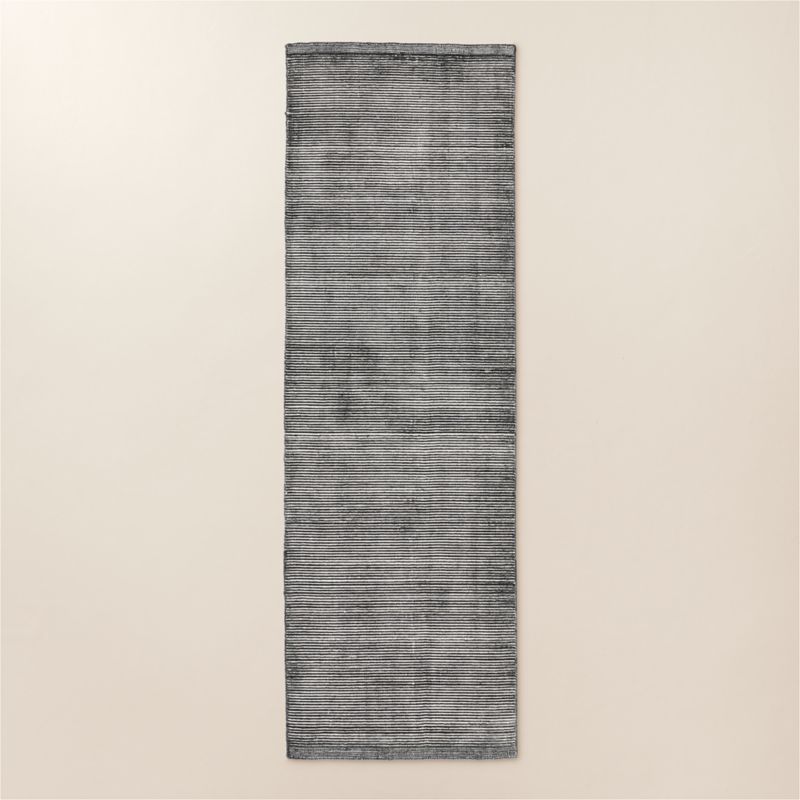
2AMejor calidad de fabricaciónCB2 Moro Hand-Woven Wool Runner
La CB2 Moro es un tejido plano de lana hecho a mano, con un patrón de rombos lo bastante sobrio para encajar en casi cualquier estancia. Los tejidos planos de lana son los caballos de batalla del mundo de las alfombras: no se aplastan, no sueltan pelo, y la lanolina natural de la lana repele los líquidos mejor que las fibras sintéticas. Esta se queda plana casi al sacarla de la caja, al contrario que las de tufting, que tardan semanas en asentarse. El precio es alto, pero una lana bien cuidada con esta construcción dura entre 15 y 20 años. Necesita base aparte.
Puntos fuertes
- ✓Lana tejida a mano que no se aplasta ni pierde cuerpo
- ✓El patrón de rombos combina con muchos estilos de interiorismo
- ✓Se asienta plana desde el primer día, sin apenas curvarse
Puntos débiles
- ✗Necesita base antideslizante aparte, lo que suma al precio final
- ✗Se recomienda limpieza en seco o profesional: no va a la lavadora
3AMejor diseño de gama mediaWest Elm Souk Runner
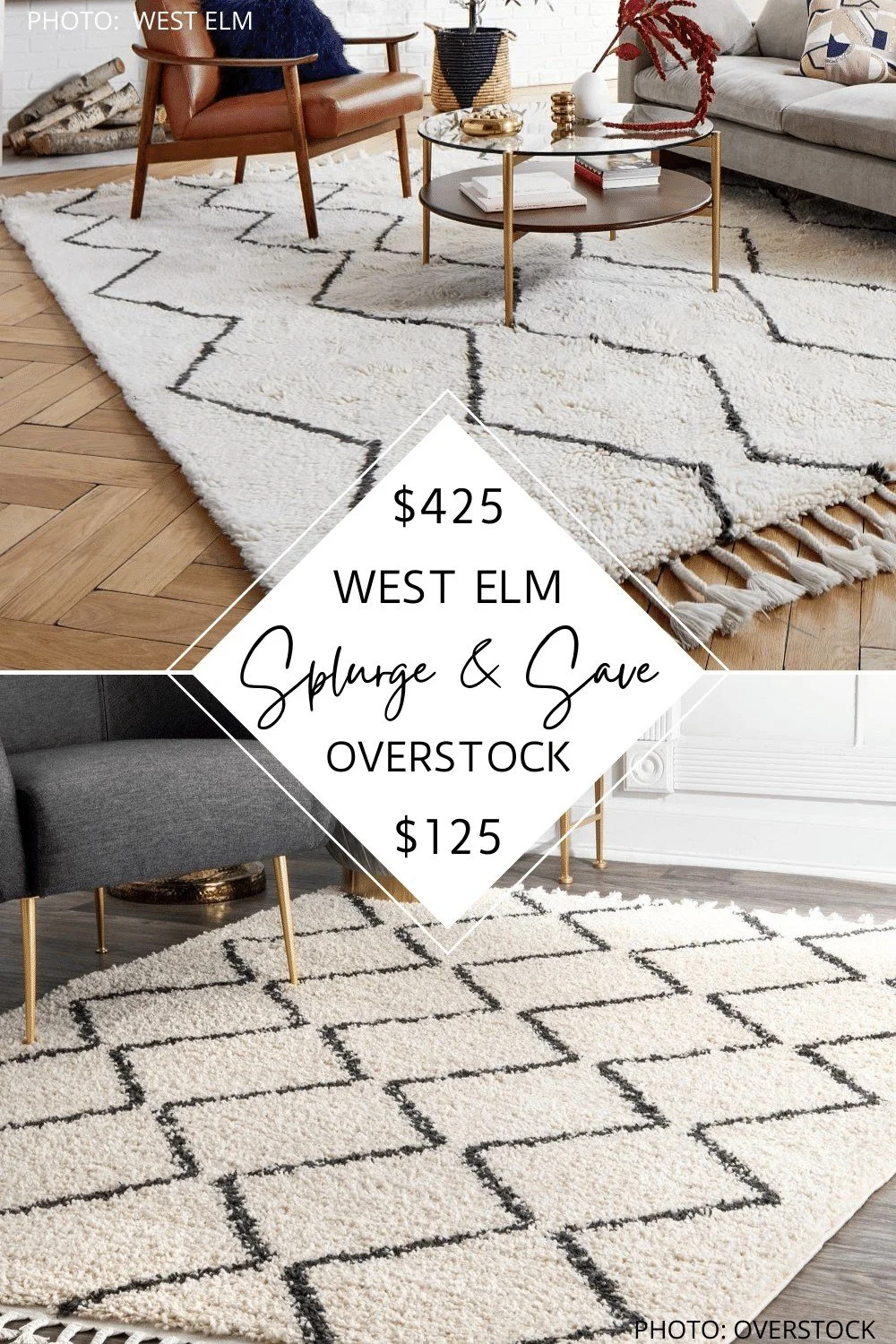
La Souk de West Elm es un tejido plano de algodón hecho a mano, con un estampado geométrico desgastado que queda muy bien en foto y aguanta un tránsito moderado. Al ser de algodón resulta más suave al pisar que el yute o los tejidos planos sintéticos, y admite limpieza por zonas. West Elm hace promociones frecuentes del 20-30 %, lo que deja el precio en terreno realmente competitivo. El estampado Souk lleva años en catálogo, así que está probado: no es una moda pasajera. Sobre suelo duro necesita base antideslizante.
Puntos fuertes
- ✓Tejido plano artesanal con carácter textil auténtico
- ✓El algodón resulta agradable al pisarlo
- ✓Suele rebajarse en las campañas de West Elm
Puntos débiles
- ✗Necesita base aparte sobre suelo duro
- ✗El algodón se desgasta antes que la lana con mucho paso diario
Suscríbete al boletín
Novedades y lanzamientos ocasionales, sin spam.
4B+Mejor opción económicaIKEA LOHALS Jute Flatweave Runner
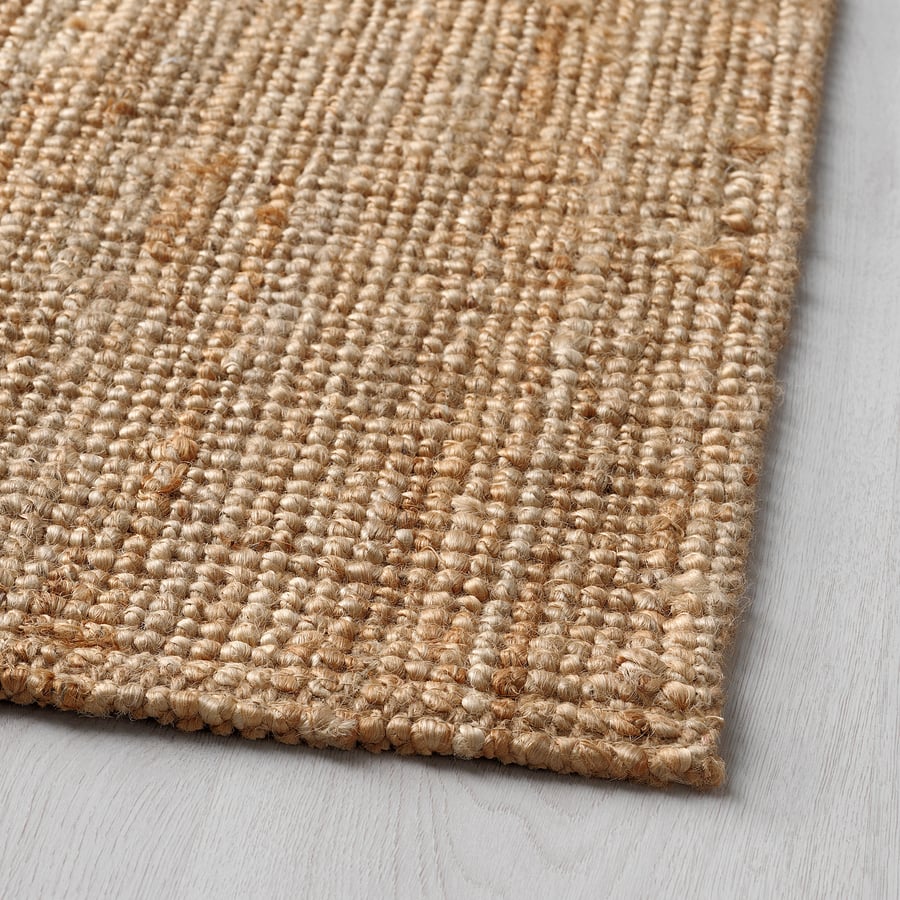
La Lohals de IKEA es un tejido plano de yute que cuesta menos de 40 € y aparenta el triple en el sitio adecuado. La textura de fibra natural da calidez a un pasillo de suelo de madera y, al ser de pelo bajo, la suciedad y el polvo no se incrustan. No es especialmente suave —el yute raspa por naturaleza—, así que rinde mejor donde se anda con zapatos. Para un pasillo seco o un comedor, es la relación calidad-precio más honesta del grupo. Necesita base antideslizante; IKEA vende una que le va bien.
Puntos fuertes
- ✓Precio excepcional para ser yute natural
- ✓El tejido plano queda muy asentado y no se curva bajo los muebles
- ✓La textura natural se ve cálida y auténtica, nada sintética
Puntos débiles
- ✗El yute absorbe humedad: no vale cerca del fregadero ni en cocinas húmedas
- ✗Textura áspera al pisarla descalzo
5B+Mejor para mucho paso y zonas semiexterioresSafavieh Adirondack Power-Loomed Runner
La Adirondack de Safavieh está tejida a máquina en polipropileno, lo que la hace resistente a manchas y a la decoloración, y capaz de aguantar entradas de servicio, puertas traseras y porches cubiertos. El estampado vintage desgastado disimula la suciedad entre limpiezas, una ventaja práctica que pocas alfombras de pasillo pueden ofrecer. El polipropileno no transmite la misma sensación de calidad que la lana o el algodón, pero en espacios que sufren de verdad, el rendimiento lo justifica. Si hace falta, se puede limpiar con manguera. El precio queda bastante por debajo de West Elm y CB2 con una cobertura similar.
Puntos fuertes
- ✓Polipropileno antimanchas que aguanta derrames y pisadas con barro
- ✓El estampado desgastado disimula la suciedad entre limpiezas
- ✓No destiñe: vale para porches cubiertos o zonas muy soleadas
Puntos débiles
- ✗El pelo de polipropileno se aplana antes que la lana con los años
- ✗De cerca se nota que es sintética
6Hug Rug Fine Stripes Wool Runner (67×200cm)

Qué mirar antes de comprar una alfombra de pasillo
Las alfombras de pasillo fallan siempre por los mismos motivos. Saber qué comprobar antes de comprar te ahorra la devolución.
Tipo y altura del pelo
Las alfombras de pelo corto (menos de 1,5 cm) son las que mejor funcionan en zonas de mucho paso —cocina, pasillo, recibidor— porque la suciedad y las migas se quedan en la superficie en vez de incrustarse en la fibra. Además se aspiran mejor y no se enganchan con las patas de las sillas ni con los pies. Las de pelo alto resultan más mullidas al pisarlas, pero acumulan restos y se apelmazan enseguida con el uso diario.
Que se pueda lavar
Si la alfombra va en la cocina o en el recibidor, se va a ensuciar. La pregunta es cuánto cuesta limpiarla. Las lavables a máquina (el sistema de Ruggable es el más conocido) resuelven el problema por completo, pero exigen su propia base antideslizante. La mayoría de alfombras de lana o de pelo alto necesitan tintorería o un lavado a mano cuidadoso: cuéntalo dentro del coste real.
Agarre al suelo
Una alfombra que resbala sobre parquet es un peligro. Comprueba si lleva base antideslizante incorporada o si necesitas una aparte. Las bases de látex tienden a amarillear y agrietarse con el tiempo, sobre todo con suelo radiante. Las bases independientes de fieltro y caucho duran más y las puedes reutilizar cuando cambies de alfombra.
Material y durabilidad
La lana es la fibra natural más resistente: no se aplasta, se limpia bien y aguanta el color durante décadas. El polipropileno (olefina) domina entre los sintéticos: resiste manchas, no destiñe y sale barato, aunque hace bolitas y se aplana antes que la lana. El algodón es suave y lavable, pero se queda fino en 2-3 años con uso intenso. El yute y el sisal aportan textura, pero raspan los pies descalzos y absorben los líquidos.
Cómo se comparan estas alfombras
Ruggable y la CB2 Moro están en extremos opuestos en cuanto a practicidad. Ruggable gana en mantenimiento: sistema de dos piezas, a la lavadora y listo. La CB2 Moro es una lana de tejido plano de las de comprar para una casa propia y conservar quince años. Ninguna de las dos se equivoca, simplemente sirven para cosas distintas.
La Souk de West Elm es el punto dulce para quien vive de alquiler y para quien quiere algo con criterio sin pagar lana a precio completo. La Lohals de IKEA es una de las mejores relaciones calidad-precio del sector por 30-40 €: yute de tejido plano que aparenta mucho más de lo que cuesta. La Adirondack de Safavieh completa el grupo con polipropileno tejido a máquina que aguanta bien las zonas semiexteriores.
Conclusión
Para una cocina o un recibidor donde los derrames son cuestión de tiempo, el sistema lavable de Ruggable es la respuesta práctica al margen de gustos estéticos. Para el pasillo de una casa en propiedad, la CB2 Moro o la West Elm Souk durarán lo que tres Ruggables y quedarán mejor. La IKEA Lohals es la opción económica honesta: barata, con buen aspecto y fácil de reemplazar cuando se gaste.
Preguntas frecuentes
¿Qué medida necesito para un pasillo estándar?▼
¿Hace falta una base debajo?▼
¿Cómo evito que se levanten las esquinas?▼
¿Cada cuánto hay que limpiarla?▼
¿Sirve el yute para la cocina?▼
Detalles de los productos de este artículo
- Ruggable Classic Solid Runner$99〜149precio de referencia en EE. UU.
- CB2 Moro Hand-Woven Wool Runner$249〜399precio de referencia en EE. UU.
- West Elm Souk Runner$129〜199precio de referencia en EE. UU.
- IKEA LOHALS Jute Flatweave Runner$29〜49precio de referencia en EE. UU.
- Safavieh Adirondack Power-Loomed Runner$49〜89precio de referencia en EE. UU.
No hay tienda asociada aquí: esto abre una búsqueda en Amazon.
Los precios cambian. Consulta el precio actual en la tienda.
Comentarios y preguntas
La conversación ocurre en nattzy, nuestro foro. Entra con Google para participar.
Ver el hilo de discusión en nattzy ↗
¿Aún con dudas? Haz tu propia pregunta a la comunidad — Preguntar en nattzy ↗
Artículos relacionados
Mejores muebles de TV 2026: 5 para cualquier salón

Mejores pufs con almacenamiento 2026: durabilidad y peso

Mejor Reposapiés Ergonómico 2026: 5 Modelos Comparados
Mejores sillas de acento 2026: 5 que de verdad se usan
Mejores mesillas de noche 2026: 5 para cualquier estilo

Mejores barras de sonido 2026: Arc Ultra vs Q990D vs Beam