Los mejores cinturones para levantamiento de pesas 2026
Un cinturón para levantamiento no te hace más fuerte — le da a tu core algo contra lo que contraerse, lo que te permite expresar la fuerza que ya has desarrollado. El rango de peso y la calidad de construcción determinan el valor a largo plazo mucho más que la lista de características.
Respuesta rápida
El Inzer Forever Lever Belt es la referencia: cuero de curtido vegetal de una sola capa de 10 mm, 4 pulgadas de ancho, con una palanca que, una vez ajustada, encaja exactamente igual en cada serie, aprobado por la IPF y con garantía de por vida. El Rogue Ohio Lifting Belt cambia eso por la flexibilidad de una hebilla de púa que puedes apretar más para los intentos máximos, el SBD Lever Belt llega a los 13 mm, el máximo permitido por la IPF, para competición, Dark Iron Fitness cuesta entre 50 y 70 dólares y apenas necesita rodaje, y el Harbinger Foam Core es ideal para el trabajo de front rack en halterofilia.
Esta comparativa se basa en investigación documental: especificaciones publicadas, documentación del fabricante y análisis independientes.
Mejor en general: El Forever Lever es la referencia con la que se compara cualquier otro cinturón de powerlifting. Cuero curtido al vegetal de una capa, 10 mm de grosor y 10 cm de ancho, con una hebilla de palanca que cierra con un clic rotundo y se suelta con un solo toque del pulgar.
No hay tienda asociada aquí: esto abre una búsqueda en Amazon.
Nuestras recomendaciones
Artículos relacionados
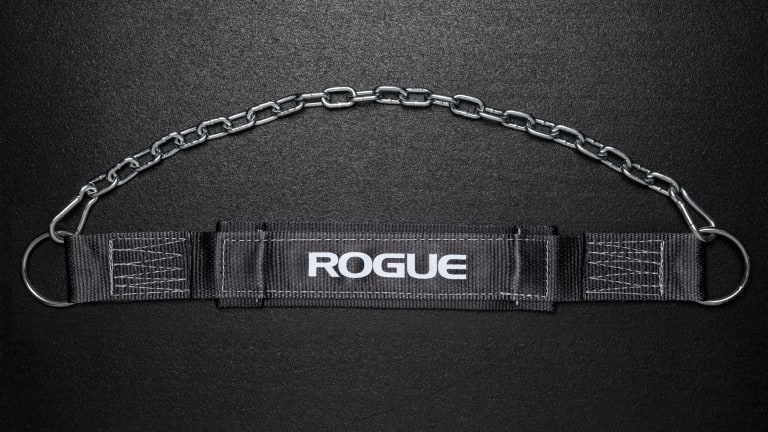

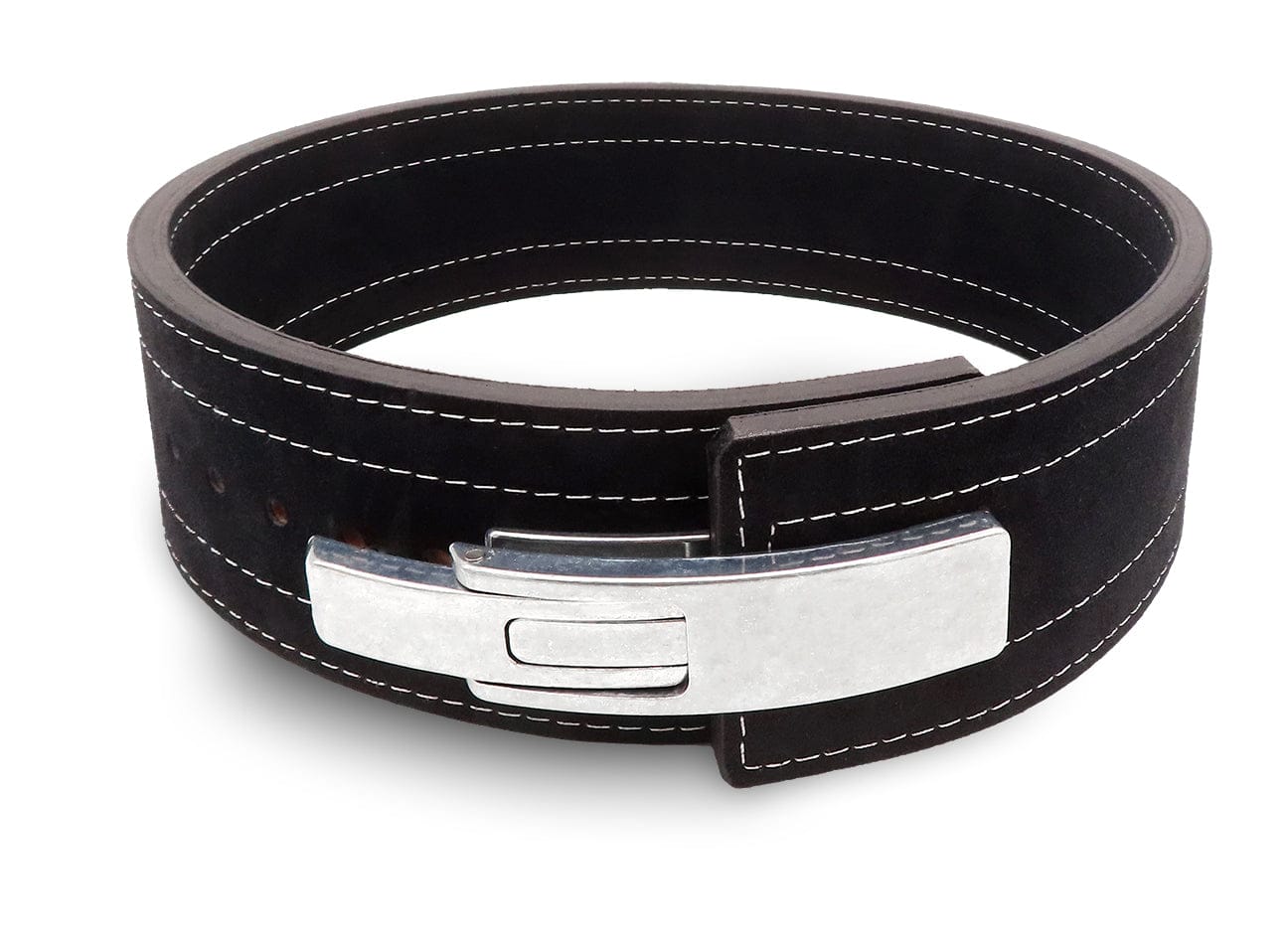
Inzer Advance Designs Forever Lever Belt (10mm)
Aprobado por la IPF, hebilla de palanca, garantía de por vida
El Forever Lever es la referencia con la que se compara cualquier otro cinturón de powerlifting. Cuero curtido al vegetal de una capa, 10 mm de grosor y 10 cm de ancho, con una hebilla de palanca que cierra con un clic rotundo y se suelta con un solo toque del pulgar. Ajustas la palanca a tu cintura una vez en casa y a partir de ahí todas las sesiones empiezan con el mismo apriete exacto: se acabó pelearse con los picos entre series pesadas. Está homologado por la IPF para competición, se fabrica en Estados Unidos y lleva garantía de por vida. Los 10 mm le van bien a la mayoría de powerlifters raw: suficiente grosor para bracear en serio, sin tanta rigidez como para estorbar en la profundidad de la sentadilla o en la flexión de cadera. Cuenta con un rodaje real de 4 a 6 semanas hasta que el cuero se ablanda y se amolda al torso; incómodo al principio, perfecto después.
Puntos fuertes
- ✓El cierre de palanca da el mismo ajuste en todas las series
- ✓Homologado por la IPF para competición
- ✓Garantía de por vida y fabricación estadounidense
- ✓Los 10 mm encajan con la mayoría de lifters raw
Puntos débiles
- ✗Rodaje largo, de 4 a 6 semanas
- ✗Cambiar la palanca obliga a desatornillar la hebilla
No hay tienda asociada aquí: esto abre una búsqueda en Amazon.
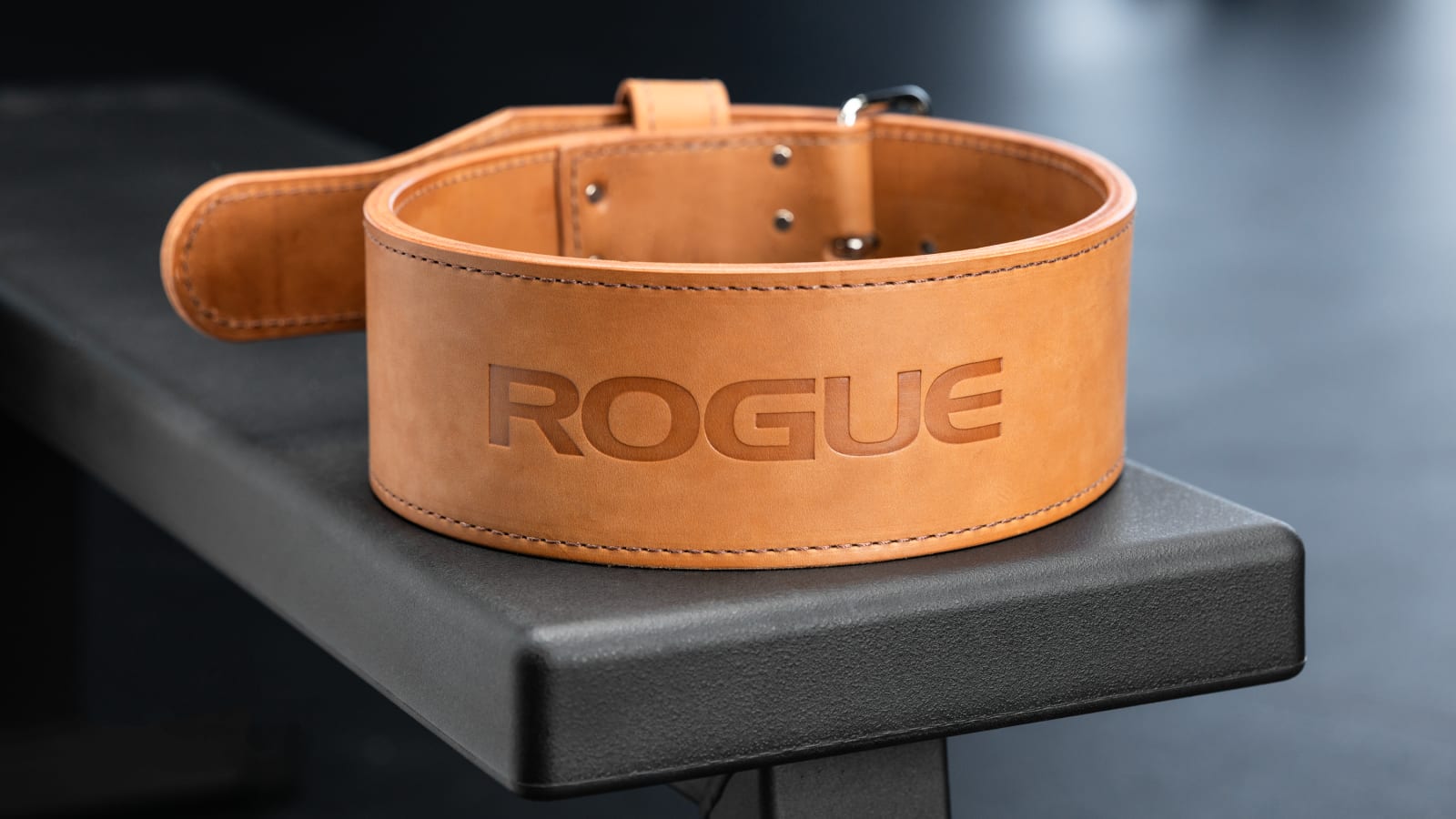
Rogue Ohio Lifting Belt (10mm)
Pasador único o doble, fabricado en EE. UU.
El Rogue Ohio Lifting Belt es cuero de 10 mm con hebilla de uno o dos picos, 10 cm de ancho, y el cinturón sin palanca más visto en los gimnasios de fuerza serios. El cierre de pico da más margen de ajuste que una palanca: puedes usar un agujero más holgado en el calentamiento e ir apretando conforme te acercas al máximo, algo que importa en sesiones largas, donde el contorno de cintura cambia según lo que comes y bebes. Rogue lo cose en Columbus (Ohio) con hilo reforzado en todos los bordes que soportan carga, y la hebilla de rodillo de acero se queda quieta bajo carga en lugar de girarse. El rodaje es moderado: unas 2-4 semanas hasta que el cuero deja de parecer cartón. El de un pico es más rápido entre series y es la opción por defecto para el entrenamiento diario; el de dos picos añade redundancia a costa de tardar más en colocarlo.
Puntos fuertes
- ✓Ajuste flexible con uno o dos picos
- ✓Costuras reforzadas en los bordes que soportan carga
- ✓Rodaje más rápido que los cinturones de palanca de competición
- ✓La hebilla de rodillo de acero no se mueve bajo carga
Puntos débiles
- ✗No está homologado por la IPF en todas las configuraciones
- ✗El pico es más lento que la palanca entre series pesadas
No hay tienda asociada aquí: esto abre una búsqueda en Amazon.

SBD Lever Belt (13mm)
13mm, estándar de competición IPF, 7 tallas
El SBD Lever Belt tiene 13 mm de grosor —el máximo permitido en competición IPF— en cuero rígido de una capa, con el mecanismo de palanca integrado en el propio cuerpo del cinturón en vez de montado encima. Es el cinturón más usado en los Campeonatos del Mundo de la IPF y en los campeonatos internacionales de powerlifting raw, y con motivo: con 13 mm, la superficie de apoyo contra el core bajo cargas máximas es claramente mayor que con opciones de 10 mm, y los lifters de élite reportan de forma constante mejoras medibles en los intentos máximos. Para el día a día es menos cómodo que el Inzer: este cinturón no se amolda a ti, te amolda él a ti. Muchos lifters serios guardan un cinturón más blando para el accesorio y reservan el SBD para la preparación de competición y los intentos máximos. Disponible en 7 tallas, en lugar del típico enfoque de talla única.
Puntos fuertes
- ✓13 mm: la máxima superficie de apoyo legal
- ✓La palanca integrada queda más plana que los diseños montados
- ✓Estándar en los Mundiales de la IPF
- ✓Siete tallas para un ajuste real
Puntos débiles
- ✗Precio premium, por encima de los 200 €
- ✗Menos cómodo que los 10 mm para entrenar a diario
No hay tienda asociada aquí: esto abre una búsqueda en Amazon.
Suscríbete al boletín
Novedades y lanzamientos ocasionales, sin spam.

Dark Iron Fitness Genuine Leather Belt
10mm cuero genuino, no requiere aprobación para competición
El Dark Iron Fitness Genuine Leather Belt usa cuero vacuno de 10 mm de grosor y 10 cm de ancho, con hebilla de rodillo de doble pico. No está homologado por la IPF y el cuero es claramente más blando que el del Inzer o el SBD desde el primer día, lo que significa más comodidad inmediata pero algo menos de superficie de apoyo bajo cargas máximas. Para entrenamiento de fuerza general al 70-90 % de intensidad (sentadilla, peso muerto, press militar en rangos normales), el soporte es de sobra suficiente, y el cuero más blando te ahorra casi todo el sufrimiento de las semanas de rodaje que exigen los cinturones de competición. El doble pico tarda más en abrocharse que una palanca, pero los picos de acero son lo bastante gruesos como para no doblarse con el tiempo, un fallo habitual en los cinturones realmente baratos. Es la opción correcta para quien no compite y quiere cuero auténtico sin pagar el precio premium.
Puntos fuertes
- ✓Cuero auténtico por 45-65 €
- ✓Apenas necesita rodaje
- ✓Picos de acero gruesos que no se doblan
- ✓Suficiente para entrenar por debajo de intensidades de competición
Puntos débiles
- ✗No homologado por la IPF para competición
- ✗El cuero más blando da menos apoyo en esfuerzos máximos
No hay tienda asociada aquí: esto abre una búsqueda en Amazon.

Harbinger Foam Core Belt (4-Inch)
Núcleo de espuma, mejor para principiantes y levantamiento olímpico
El Harbinger Foam Core Belt está construido de forma totalmente distinta a los de cuero: exterior de nailon con núcleo acolchado de espuma de célula cerrada y hebilla de acero, 10 cm de ancho, blando desde el momento en que te lo pones y sin rodaje alguno. No es un cinturón de powerlifting —no hay un núcleo rígido de cuero contra el que bracear con cargas máximas—, pero sí da un soporte lumbar real para el entrenamiento general de gimnasio y encaja bien en halterofilia, donde la parte delantera del cinturón tiene que ser lo bastante fina como para no estorbar la recepción en rack frontal de las cargadas. Los cinturones de cuero, con sus 10 cm completos, pueden molestar en esa posición; la espuma del Harbinger se comprime un poco y se aparta. Por menos de 30 €, es la puerta de entrada a entrenar con cinturón y permite a los principiantes desarrollar la técnica de braceo antes de invertir en uno rígido de competición.
Puntos fuertes
- ✓Construcción blanda en espuma, sin rodaje
- ✓No estorba en la recepción frontal de los movimientos olímpicos
- ✓Precio de entrada por debajo de 30 €
- ✓Soporte lumbar para el trabajo general de gimnasio
Puntos débiles
- ✗Rigidez insuficiente para powerlifting a esfuerzo máximo
- ✗Habrá que reemplazarlo cuando empieces a mover más peso
No hay tienda asociada aquí: esto abre una búsqueda en Amazon.
¿Para quién es?
Para powerlifters que quieren un solo cinturón para siempre
Inzer Advance Designs Forever Lever Belt (10mm)
El ajuste constante que fija la palanca, la homologación IPF y la garantía de por vida lo convierten en la apuesta más segura para quien se toma en serio el largo plazo.
Para quien cambia el apriete de una sesión a otra
Rogue Ohio Lifting Belt (10mm)
El cierre de pico permite calentar con un agujero más holgado e ir apretando hacia los máximos, algo útil cuando el contorno de cintura fluctúa en sesiones largas.
Para competir al máximo nivel
SBD Lever Belt (13mm)
Los 13 mm, el máximo legal de la IPF, dan más superficie de apoyo contra el core y se traducen en mejoras medibles en los intentos máximos de federaciones testadas.
Para atletas de fuerza que no compiten y ajustan presupuesto
Dark Iron Fitness Genuine Leather Belt
Cuero auténtico de 10 mm por 45-65 € y casi sin rodaje: cubre el entrenamiento al 70-90 % de intensidad sin pagar el sobreprecio de competición.
Para principiantes y halterófilos
Harbinger Foam Core Belt (4-Inch)
La espuma sin rodaje sostiene la zona lumbar sin estorbar la recepción en rack frontal que exigen cargadas y envión.
Inzer Advance Designs Forever Lever Belt (10mm) — El mejor en general
El cinturón Forever de Inzer es el punto de referencia con el que se miden otros cinturones de powerlifting. Tiene 10mm de grosor de cuero de curtido vegetal de una sola capa, 4 pulgadas de ancho y usa una hebilla de palanca que se cierra con un satisfactorio clic y se suelta con una sola presión del pulgar. Para uso en competición, está aprobado por la IPF.
El cierre de palanca hace que la preparación entre series sea rápida — sin insertar un pasador, sin ajustar para encontrar el agujero correcto. Una vez que has ajustado la palanca a la medida de tu cintura en casa, obtienes el mismo ajuste firme en cada sesión sin pensarlo. El período de adaptación es real: espera 4-6 semanas de uso rígido e incómodo antes de que el cuero se ablande y se moldee a la forma de tu torso.
Está fabricado en EE. UU. y se vende con garantía de por vida. El grosor de 10mm es adecuado para la mayoría de los powerlifters sin equipamiento — lo suficientemente grueso para un apoyo serio, pero no tan rígido como para limitar el movimiento en la profundidad de la sentadilla. Si compites en la IPF o USAPL, este cinturón cumple todos los estándares de federación.
Rogue Ohio Lifting Belt (10mm) — El mejor cinturón de pasador
El cinturón Ohio de Rogue tiene 10mm de cuero de grosor con una hebilla de pasador único de acero inoxidable, 4 pulgadas de ancho y está disponible en configuraciones de pasador único y doble. No está aprobado por la IPF en todas las configuraciones, pero es uno de los cinturones más usados en gimnasios de fuerza por su calidad de construcción y durabilidad.
El cierre de pasador da más ajustabilidad que una palanca — puedes afinar el ajuste agujero por agujero dependiendo de si estás calentando flojo o apretando para un intento máximo. El compromiso es el tiempo entre series. El pasador único es más rápido que el doble, y la mayoría de los levantadores se deciden por el único para el entrenamiento diario.
Rogue cose el cinturón en Columbus, Ohio usando hilo reforzado en todos los bordes de carga. La hebilla de rodillo de acero no rota bajo carga, lo que evita que el cinturón se afloje a mitad de serie. La adaptación es moderada — unas 2-4 semanas antes de que deje de sentirse como cartón. Una buena opción si quieres la fiabilidad de la fabricación de Rogue sin comprometerte con una palanca.
SBD Lever Belt (13mm) — El mejor para competición
El cinturón de palanca de SBD tiene 13mm de grosor — el máximo permitido en la competición IPF — hecho de cuero rígido de una sola capa con un mecanismo de palanca integrado que se adhiere directamente al cuerpo del cinturón en lugar de quedar por encima. Es el cinturón más usado en los Campeonatos del Mundo de IPF y encuentros internacionales de powerlifting sin equipamiento.
A 13mm es notablemente más rígido que las opciones de 10mm. Esa rigidez adicional se traduce directamente en superficie de apoyo para tu core con cargas máximas, que es por eso que los levantadores de élite lo eligen para la competición. El entrenamiento diario es menos cómodo — este cinturón no se rompe tanto como te pone a prueba a ti. Muchos levantadores mantienen un cinturón más suave para el trabajo accesorio y reservan el SBD para los intentos pesados.
La palanca se suelta con una presión firme en el lado en lugar del centro de la hebilla, lo que algunos levantadores encuentran más rápido que los diseños de palanca tradicionales. Disponible en 7 tallas para un ajuste adecuado en lugar de adaptarse con un enfoque de talla única. El precio es considerable — más de US$200 — pero es el último cinturón que la mayoría de los powerlifters serios compran.
Dark Iron Fitness Genuine Leather Belt — El mejor cuero económico
El cinturón de cuero de Dark Iron usa cuero genuino de vaca a 10mm de grosor, 4 pulgadas de ancho, con una hebilla de rodillo de doble pasador. No está aprobado por la IPF y el cuero es más suave que el Inzer o el SBD desde el primer día, lo que significa que es más cómodo de inmediato pero proporciona ligeramente menos superficie de apoyo bajo cargas máximas.
Para el entrenamiento de fuerza general — peso muerto, sentadillas y press de hombros en el rango de intensidad del 70-90% — el apoyo es más que adecuado. El cuero más suave evita la mayor parte del dolor de adaptación. Lo sentirás contorneándose a tu torso en las primeras sesiones en lugar del proceso de varias semanas que requieren los cinturones de competición más rígidos.
La hebilla de doble pasador tarda más en abrochar que una palanca, pero los pasadores de acero son lo suficientemente gruesos como para no doblarse con el tiempo, que es un punto de falla común en los cinturones verdaderamente económicos. El precio está en el rango de US$50-70, lo que lo hace la opción de cuero genuino más accesible aquí para levantadores que no planean competir.
Harbinger Foam Core Belt (4 pulgadas) — El mejor para principiantes
El cinturón de núcleo de espuma de Harbinger está construido de manera diferente a los cinturones de cuero: usa exterior de nailon con acolchado de núcleo de espuma de celda cerrada y una hebilla de acero. Tiene 4 pulgadas de ancho, es suave desde el momento en que te lo pones y no requiere ningún período de adaptación. No es un cinturón de powerlifting — no hay un núcleo rígido de cuero contra el que apoyarse — pero proporciona soporte lumbar genuino para el entrenamiento de gimnasio general.
La construcción de espuma lo hace apropiado para el levantamiento olímpico, donde el frente del cinturón necesita ser lo suficientemente delgado para no bloquear la posición de recepción en la cargada y envión. Los cinturones de cuero con su ancho completo de 4 pulgadas pueden interferir con el rack frontal — la espuma flexible del Harbinger se comprime ligeramente y no obstaculiza.
Por menos de US$30 es el punto de entrada para el entrenamiento con cinturón. Para los principiantes que aprenden a contraerse correctamente, un cinturón más suave que no restringe el movimiento ayuda a desarrollar la técnica antes de comprometerse con un cinturón de cuero rígido de competición. Una vez que manejas cargas más pesadas o planeas competir, querrás pasar al cuero — pero este cinturón durará años de entrenamiento constante antes de que sea necesario.
Preguntas frecuentes
¿Debo obtener un cinturón de levantamiento de 10mm o 13mm?▼
Cinturón de palanca vs cinturón de pasador — ¿cuál es mejor?▼
¿Cuándo debo empezar a usar un cinturón para levantamiento?▼
Los precios cambian. Consulta el precio actual en la tienda.
Comentarios y preguntas
La conversación ocurre en nattzy, nuestro foro. Entra con Google para participar.