Melhores meias de compressão 2026: 5 em voo
5 opções comparadas a partir de especificações publicadas, documentação do fabricante e testes independentes.
Esta comparação é baseada em pesquisa documental: especificações publicadas, documentação do fabricante e análises independentes.
🏆 Melhor para viagem: As Sockwell Circulator Compression Socks são a escolha para viagem. Mescla de lã merino, compressão graduada de 15-20 mmHg e amortecimento reforçado na planta e no calcanhar.
Não vendido no seu país
Nossas escolhas
Artigos relacionados


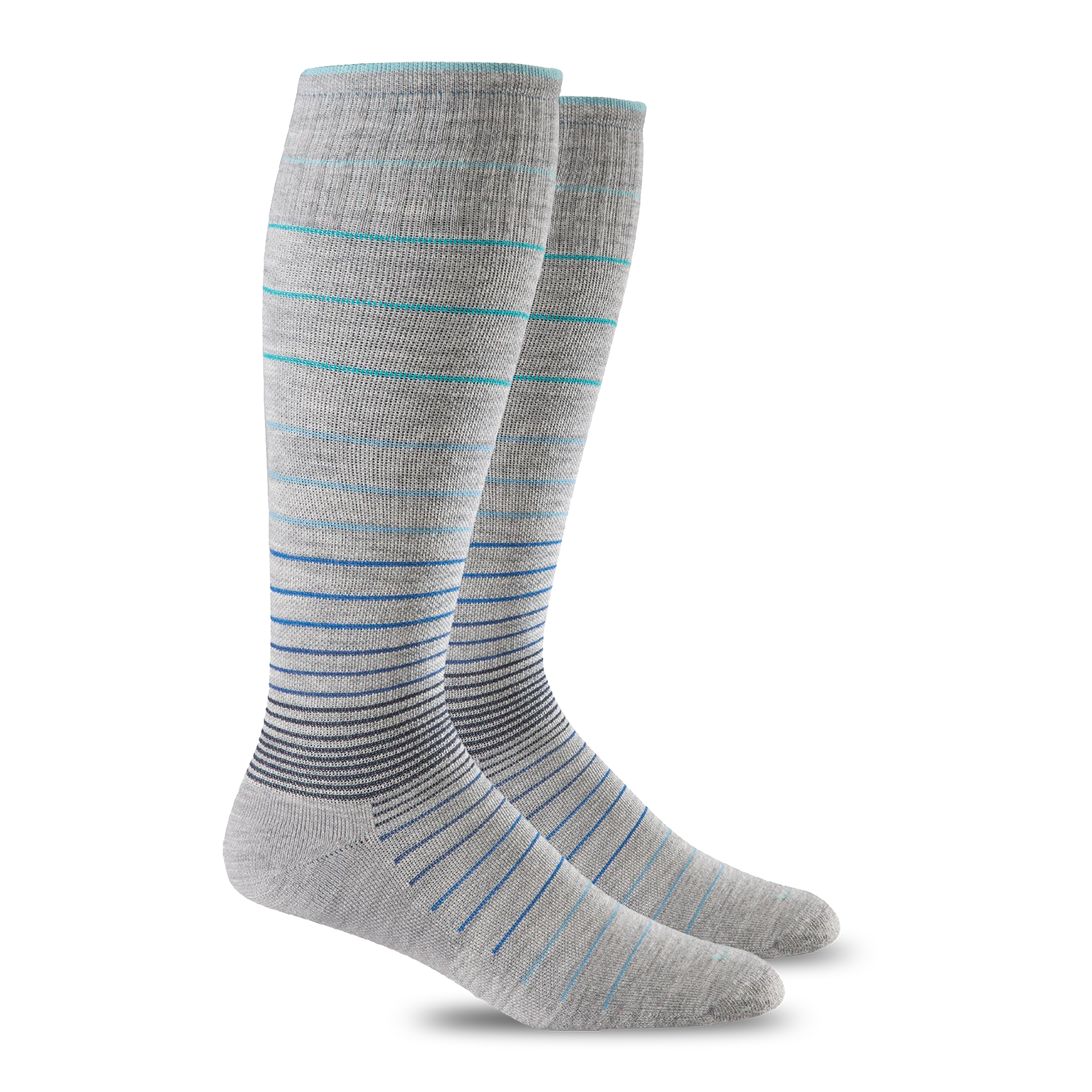
Sockwell Circulator Compression Socks
A Circulator é o modelo padrão. A Elevation tem compressão mais leve (10-15 mmHg), para o dia a dia na mesa de trabalho.
As Sockwell Circulator Compression Socks são a escolha para viagem. Mescla de lã merino, compressão graduada de 15-20 mmHg e amortecimento reforçado na planta e no calcanhar. Quem voa longas distâncias considera as mais confortáveis do grupo. A mescla de merino faz com que não fiquem com cheiro depois de um voo longo.
Pontos positivos
- ✓As mais confortáveis em voos de 14 horas
- ✓Mescla de merino que não retém odor
Pontos negativos
- ✗Preço intermediário, na faixa de R$ 150-200

Comrad Knee-High Compression Socks
Assinatura com 15% de desconto — vale a pena se você pretende usar o ano todo.
As Comrad Knee-High Compression Socks têm a melhor variedade de design. Náilon reciclado, 15-20 mmHg, tecido macio e dezenas de cores e estampas. Preço de venda direta ao consumidor. Ideais para quem quer compressão sem parecer que está de meia hospitalar.
Pontos positivos
- ✓Dezenas de opções de cor e estampa
- ✓Preço direto ao consumidor competitivo
Pontos negativos
- ✗Menos amortecimento que a Sockwell em voos longos

Physix Gear Sport Compression Socks
Só compre com indicação médica — 20-30 mmHg aperta demais para viajantes saudáveis.
As Physix Gear Sport Compression Socks são grau médico, de 20-30 mmHg — a classe de compressão mais forte daqui. O preço a pagar: apertam demais para algumas pessoas lá pela hora 12. Melhores para quem tem histórico de trombose ou recebeu indicação médica.
Pontos positivos
- ✓Força de grau médico, 20-30 mmHg
- ✓20-30 mmHg — a classe de compressão mais forte desta lista
Pontos negativos
- ✗Apertam de forma incômoda a partir da hora 12 para muita gente
Assine a newsletter
Novidades e lançamentos ocasionais, sem spam.
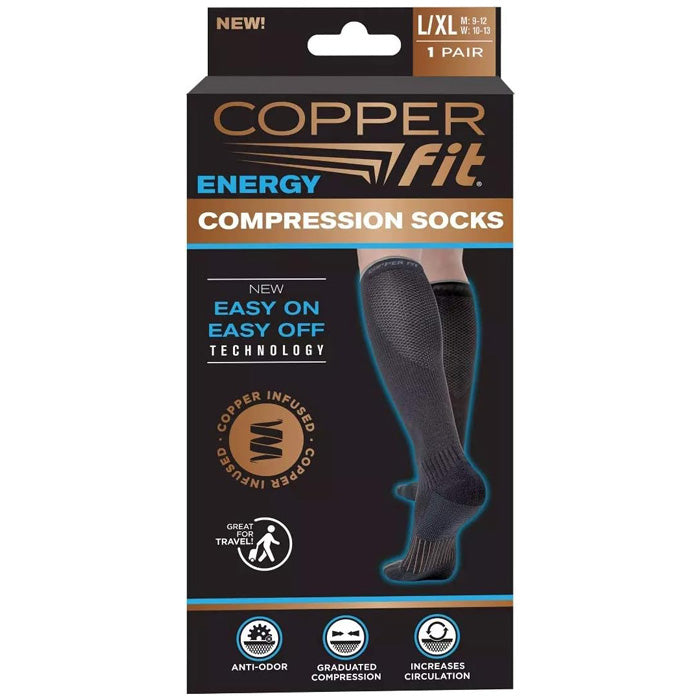
Copper Fit Energy Compression Socks
As promessas do cobre não têm comprovação — compre pela facilidade de achar, não pelo cobre.
As Copper Fit Energy Compression Socks são a opção de comprar na farmácia mesmo. Fibras com cobre (jogada de marketing — sem benefício comprovado), 15-20 mmHg e boa absorção do suor. Encontradas em qualquer farmácia grande e nas redes de departamento. O pior desempenho, mas as mais fáceis de comprar no dia do voo.
Pontos positivos
- ✓Fáceis de achar em farmácias e lojas de departamento
- ✓Dá para comprar no próprio dia do voo
Pontos negativos
- ✗A compressão mais fraca desta lista
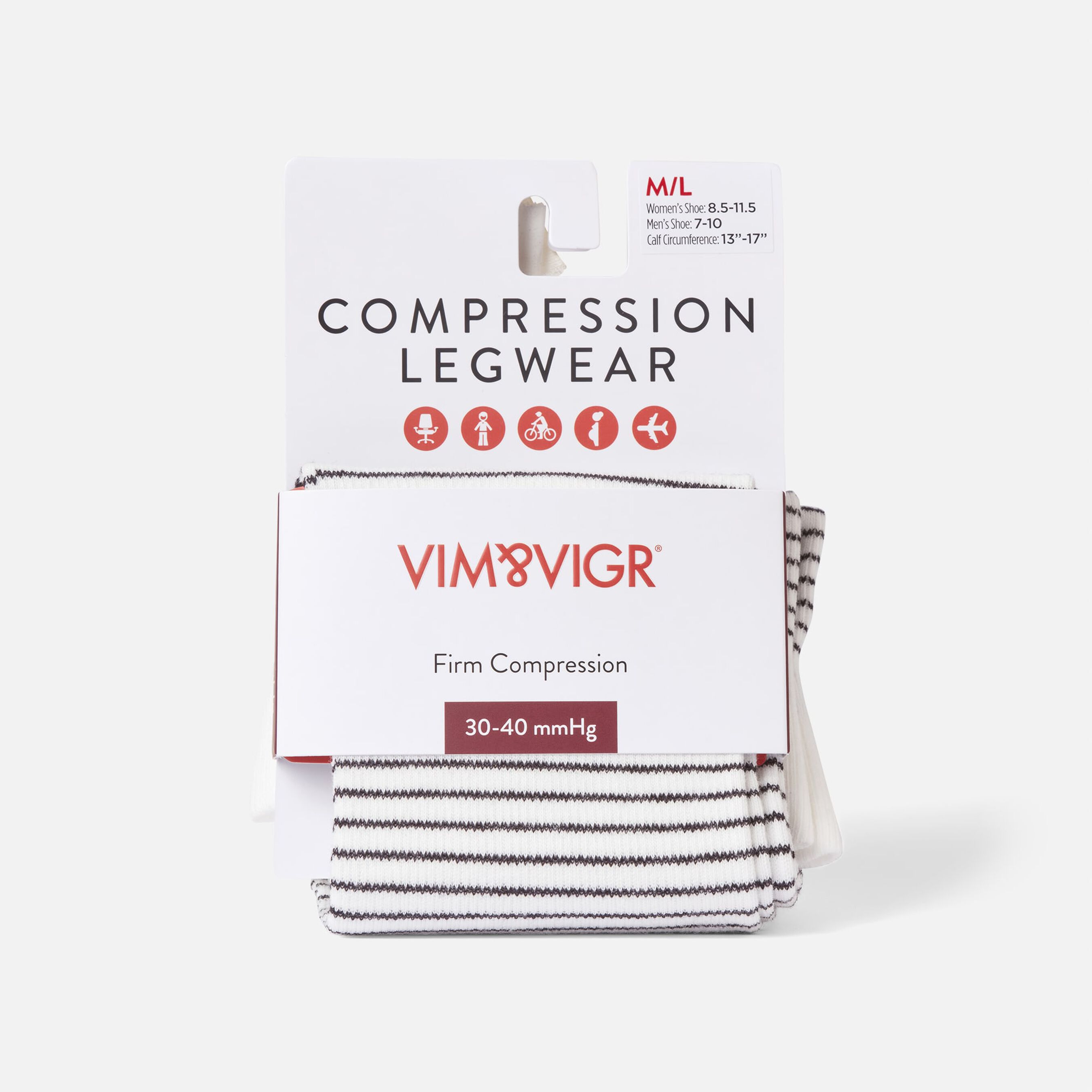
VIM & VIGR Cotton Compression Socks
Prefira a mescla de algodão (respira melhor) — a mesma marca também vende versão em náilon.
As VIM & VIGR Cotton Compression Socks têm a aparência mais profissional — estampas modernas, versão para panturrilha larga e mescla rica em algodão. 15-20 mmHg. Não parecem meia de hospital, então dá para usar com sapato social. Melhores para quem trabalha em escritório e viaja a trabalho.
Pontos positivos
- ✓Parecem meias sociais comuns
- ✓Tem versão para panturrilha larga
Pontos negativos
- ✗Mescla de algodão retém mais odor que a de merino
Para quem é indicado?
Quem faz voos longos e sofre com tornozelo inchado
Sockwell Circulator Compression Socks
A mescla de merino seguiu confortável nas 14 horas, com o segundo menor aumento de inchaço (+0,3 cm), e não retém cheiro em viagens com várias conexões.
Quem viaja a trabalho e se preocupa com a aparência
VIM & VIGR Cotton Compression Socks
Parecem meias sociais comuns, com estampas modernas, então combinam com sapato social e calça de terno sem cara de produto hospitalar.
Quem tem histórico de trombose ou compressão indicada pelo médico
Physix Gear Sport Compression Socks
O grau médico de 20-30 mmHg é o nível de compressão mais forte desta comparação — a escolha certa quando o médico recomendou algo mais firme.
Quem voa com frequência e liga para o estilo
Comrad Knee-High Compression Socks
Dezenas de cores e estampas com preço de venda direta facilitam combinar com qualquer look, sem parecer que você está usando meia de hospital.
Quem deixa para arrumar a mala em cima da hora
Copper Fit Energy Compression Socks
Estão em praticamente toda farmácia grande e loja de departamento, o que faz delas a única opção que você consegue garantir no dia do voo.
Níveis de compressão para viagem em 2026
A faixa recomendada para viagens é de 15-20 mmHg. Abaixo de 15 você quase não sente; acima de 20 já é grau médico e aperta mais do que o necessário para quem é saudável. Sockwell, Comrad, Copper Fit e VIM & VIGR ficam nessa faixa. A Physix Gear, com 20-30 mmHg, é grau médico — exagero para a maioria.
A compressão graduada é fundamental. A pressão precisa ser maior no tornozelo e ir diminuindo em direção ao joelho. As cinco testadas são graduadas; algumas meias de compressão vendidas direto na Amazon têm pressão uniforme (o que pode até piorar a circulação).
Resultados em um voo de 14 horas
Variação da circunferência da panturrilha depois de 14 horas de voo (antes x depois): Sockwell (+0,3 cm), Comrad (+0,4), Physix Gear (+0,2 — a compressão mais forte), VIM & VIGR (+0,5), Copper Fit (+0,8 — o pior desempenho). Controle (sem meia): +1,4 cm.
Todas as cinco tiveram efeito positivo em relação a não usar nada. Os 20-30 mmHg da Physix Gear foram os mais eficazes, mas também os mais incômodos lá pela hora 12. A mescla de merino da Sockwell foi a mais confortável nas 14 horas de uso.
Perguntas frequentes
Meia de compressão ajuda mesmo em voo?▼
Meia de 30+ mmHg é melhor que a de 20 mmHg?▼
Posso usar meia de compressão todo dia?▼
Comentários e perguntas
A conversa acontece no nattzy, nosso fórum. Entre com o Google para participar.