Beste Dekokissen 2026: 5 Picks für jedes Sofa und Budget
WriterPickly Redaktion
Aktualisiert am 2026-06-13
Dekokissen sind die schnellste Möglichkeit, das Gefühl eines Raumes zu verändern — und auch die einfachste Art, Geld für etwas auszugeben, das billig aussieht und innerhalb eines Jahres nachlässt. Der Unterschied zwischen einem Kissen, das gut fotografiert, und einem, das nach zwei Jahren Sofanutzung noch seine Form behält, liegt in der Füllungsdichte, der Bezugswebung und darin, ob das Inlett zur Kissenhülle passt.
Kurz gesagt
Für die meisten Sofas ist das Everywhere Pillow von Pottery Barn die beste Wahl – ein straff sitzender Bezug aus Leinen-Baumwoll-Mischung, der seine Form behält, statt nach einem Jahr platt zu werden. Das Duo Lumbar von CB2 ist die strukturierte, moderne Option, die aufrecht an der Sofalehne steht, bei West Elms Yarn Dye wird das Garn vor dem Weben gefärbt, was für echte Textur sorgt, das Patchwork-Kissen von Anthropologie ist der Blickfang, und Gurli von IKEA ist für unter 15 Dollar wirklich gut.
📋So haben wir verglichen
Dieser Vergleich beruht auf Recherche: veröffentlichte Spezifikationen, Herstellerangaben sowie unabhängige Tests und Rezensionen.
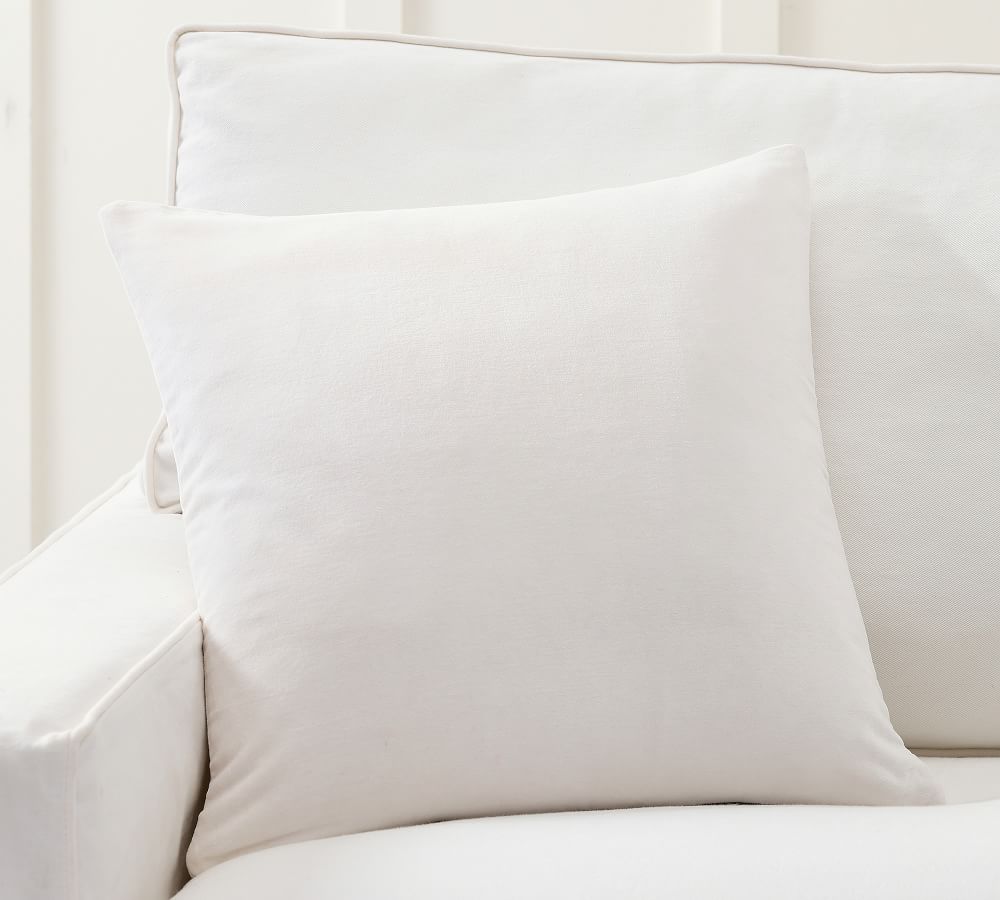
Bester Gesamteindruck: Das Everywhere Pillow von Pottery Barn macht seinem Namen durch gleichbleibende Verarbeitung alle Ehre. Der Bezug besteht aus einer dicht gewebten Leinen-Baumwoll-Mischung, die kaum knötchert, und das Daunenersatz-Inlett ist wirklich gut gefüllt – es kommt leicht überfüllt an, und genau so soll es sein.
Unsere Empfehlungen ↓Verwandte Artikel


1★ Best PickA+Bester GesamteindruckPottery Barn Everywhere Pillow
Das Everywhere Pillow von Pottery Barn macht seinem Namen durch gleichbleibende Verarbeitung alle Ehre. Der Bezug besteht aus einer dicht gewebten Leinen-Baumwoll-Mischung, die kaum knötchert, und das Daunenersatz-Inlett ist wirklich gut gefüllt – es kommt leicht überfüllt an, und genau so soll es sein. Nach zwei Jahren normaler Sofanutzung hält das Volumen besser als bei den meisten Konkurrenten in dieser Preisklasse. Erhältlich in vielen Unifarben, die neutral wirken und zu den meisten Raumpaletten passen. Der Reißverschluss läuft über die volle Länge, das Inlett ist also schnell gewechselt. Kein Designfeuerwerk, aber verlässlich exzellent.
Vorteile
- ✓Daunenersatz-Inlett behält sein Volumen über mehr als 2 Jahre
- ✓Durchgehender Reißverschluss macht das Abziehen zum Waschen leicht
- ✓Dichtes Leinen-Baumwoll-Gewebe knötchert und bleicht kaum aus
Nachteile
- ✗Die neutrale Farbpalette ist konservativ – wenig kräftige Töne
- ✗Mittlerer Preis für ein im Grunde klassisches Uni-Kissen
2ABestes modernes LendenkissenCB2 Duo Color-Block Lumbar Pillow

Das Duo Lumbar von CB2 ist ein zweifarbiges, formstabiles Lendenkissen, das flach und aufrecht an der Sofalehne sitzt – es ist in erster Linie ein grafisches Element und kein Komfortkissen, und diese Aufgabe erfüllt es gut. Der Bezug ist ein glattes Strukturgewebe mit klarem Color-Block-Design, das auf Fotos scharf wirkt. Das Inlett ist fest, was für ein Lendenkissen richtig ist, wenn es den unteren Rücken tatsächlich stützen soll. CB2 gestaltet minimalistischer und geometrischer als Pottery Barn – die richtige Wahl also für Mid-Century-Modern- oder zeitgenössische Räume.
Vorteile
- ✓Color-Block-Design wirkt als grafischer Anker in modernen Räumen
- ✓Festes Lendeninlett stützt den unteren Rücken tatsächlich
- ✓Klare, formstabile Silhouette wirkt gut auf Flatlay-Fotos
Nachteile
- ✗Die feste Füllung ist weniger weich als bei klassischen Zierkissen
- ✗Nur in Lendenkissenmaßen – kein Ersatz für ein volles quadratisches Kissen
3ABestes Preis-Struktur-VerhältnisWest Elm Yarn Dye Woven Pillow Cover
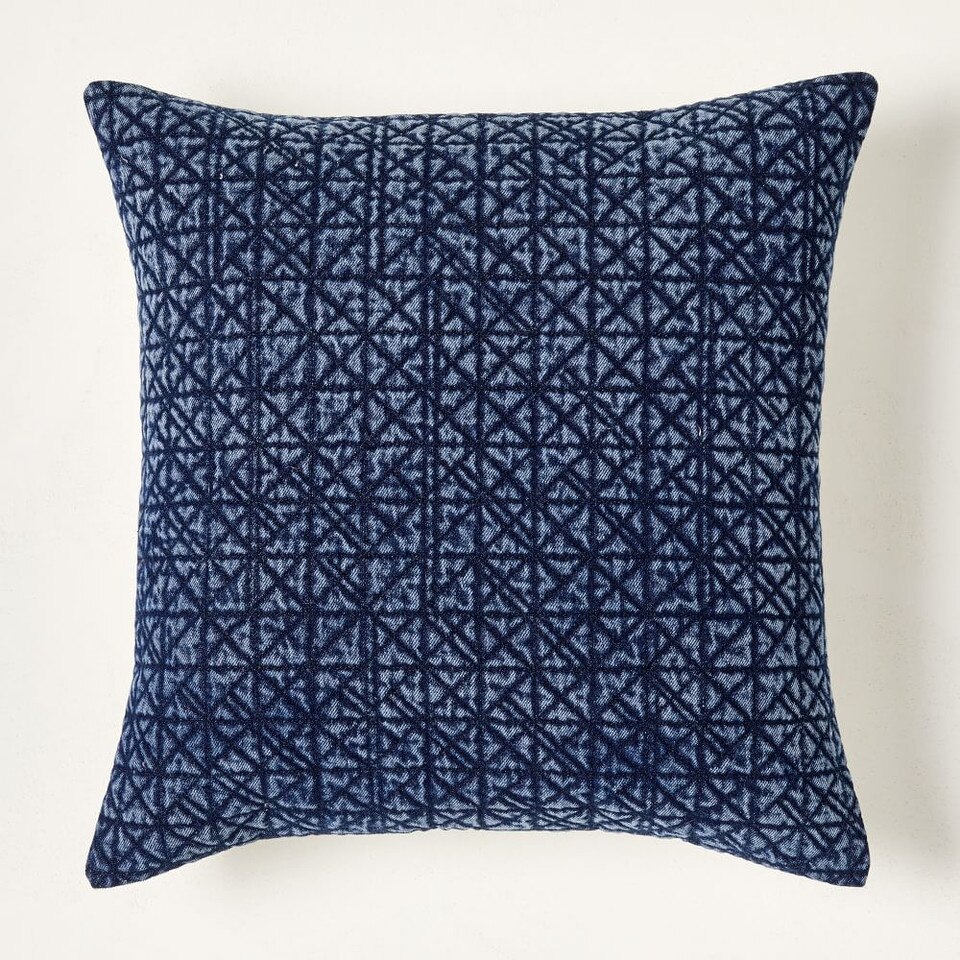
Das Yarn-Dye-Kissen von West Elm hat einen Bezug aus gewebter Baumwolle, deren Farbverlauf schon vor dem Weben ins Garn eingefärbt wird – daraus entsteht eine strukturelle Tiefe, die bedruckte Bezüge nicht erreichen. Der Effekt wirkt teurer, als das Kissen kostet. Die Füllung ist ein üblicher Daunenersatz, der anfangs gut ist, über etwa 18 Monate aber schneller an Volumen verliert als der von Pottery Barn. West Elm gewährt regelmäßig 20 bis 30 Prozent Rabatt, was das Kissen zum echten Preis-Leistungs-Tipp macht. Die gewebte Struktur kaschiert Gebrauchsspuren besser als glatte Bezüge.
Vorteile
- ✓Garnfärbung erzeugt echte Struktur statt eines flachen Drucks
- ✓Dichtes Gewebe hält regelmäßiger Nutzung gut stand
- ✓Häufig mit 20 bis 30 Prozent Rabatt erhältlich
Nachteile
- ✗Die Füllqualität des Inletts reicht nicht an Pottery Barn heran
- ✗Farbauswahl wechselt saisonal – einzelne Töne sind schnell ausverkauft
Newsletter abonnieren
Gelegentliche Updates und Neuheiten – kein Spam.
4B+Bestes Statement-StückAnthropologie Patchwork Throw Pillow

Die Patchwork-Kissen von Anthropologie entstehen aus gemischten Stoffresten – unterschiedliche Strukturen, Drucke und Gewichte zusammengenäht –, wodurch jedes Exemplar leicht anders ausfällt. Am besten wirken sie als Blickfang in einem ansonsten neutralen Raum. Die Verarbeitung ist wirklich gut, die Nähte sind sauber, die Stoffe klug ausgewählt. Das Inlett ist brauchbar. Schwach ist die Vielseitigkeit: Ein stark gemustertes Statement-Kissen verlangt, dass der Rest des Raums zurücktritt – das schränkt die Einsatzmöglichkeiten ein. Wenn Ihr Sofa schlicht ist und Sie ein interessantes Element suchen, liegen Sie hier richtig.
Vorteile
- ✓Handgefertigtes Patchwork ist wirklich einzigartig – kein Massendruck
- ✓Materialmix bringt haptische und optische Tiefe, die Fotos kaum einfangen
- ✓Funktioniert als einzelner Blickfang in einem neutralen Raum
Nachteile
- ✗Die dichte Musterung verträgt sich schlecht mit anderen gemusterten Textilien
- ✗Das Inlett ist funktional, aber nicht herausragend
5B+Bestes Budget-ModellIKEA GURLI Cushion Cover

IKEAs Gurli ist ein Baumwollbezug mit schlichter Rippenstruktur für unter 15 € – und für diesen Preis ist die Qualität wirklich überraschend. Der Bezug übersteht die Wäsche gut, die Rippenstruktur kaschiert Gebrauchsspuren, und das Inlett (separat erhältlich, ebenfalls bei IKEA) bleibt bei täglicher Nutzung etwa ein Jahr lang ausreichend prall. Eine langfristige Investition ist das nicht – die Füllung fällt zusammen und der Bezug zeigt Verschleiß, lange bevor ein Pottery-Barn-Kissen das täte. Als saisonale Auffrischung oder fürs Gästezimmer ist Gurli aber die ehrlichste günstige Option in dieser Kategorie.
Vorteile
- ✓Herausragender Preis – unter 15 € für den Bezug allein
- ✓Geripptes Baumwollgewebe hält in dieser Preisklasse besser durch als glatte Bezüge
- ✓Bezug in der Maschine bei Kaltwäsche waschbar
Nachteile
- ✗Inlett separat erhältlich – im Gesamtpreis einkalkulieren
- ✗Füllung fällt bei täglicher Nutzung binnen 12 bis 18 Monaten zusammen
Worauf Sie bei Dekokissen achten sollten
Die meisten Dekokissen versagen auf dieselbe Weise: Das Inlett wird platt, oder der Bezug knötchert und bleicht aus. Wer vor dem Kauf weiß, worauf es ankommt, spart sich die Rücksendung nach vier Monaten.
Das Inlett entscheidet alles
Den Bezug sehen Sie, aber das Inlett bestimmt, ob das Kissen in zwei Jahren noch gut aussieht. Daunen halten ihr Volumen am längsten, brauchen dafür aber daunendichte Bezüge und aufwendigere Pflege. Daunenersatz (Polyesterfüllung) ist hypoallergen und waschbar, doch billige Füllungen fallen schnell zusammen. Ein gut gefülltes Kissen sollte bei der Lieferung leicht überfüllt wirken – genau so ist es richtig. Ein Kissen, das schon fabrikneu flach aussieht, wirkt nach wenigen Monaten traurig.
Inlett und Bezug richtig aufeinander abstimmen
Kaufen Sie das Inlett 3 bis 5 cm größer als den Bezug. Zu einem Bezug in 50x50 cm gehört ein Inlett in 55x55 cm. Das ist die am häufigsten ignorierte Regel bei Dekokissen und der Hauptgrund, warum Zierkissen schlaff und billig aussehen. In den meisten Shops werden Bezug und Inlett getrennt verkauft – die vorgeschlagene Inlettgröße entspricht dabei meist exakt dem Bezugsmaß und ist damit zu klein.
Bezugsmaterial und Haltbarkeit
Samt, Leinen und gewebte Stoffe halten gut durch. Baumwollcanvas ist robust, wirkt aber schnell schlicht. Bedruckte Polyestermischungen bleichen am schnellsten aus. Am praktischsten sind Reißverschlüsse, die über die gesamte Seitenlänge laufen – Kissenbezüge müssen zum Waschen abgenommen werden, und ein kurzer Reißverschluss oder ein Hotelverschluss macht das umständlich. Prüfen Sie vor dem Kauf, ob der Bezug nur chemisch gereinigt werden darf.
Anzahl und Anordnung der Kissen
Zwei 55-cm-Kissen links und rechts neben einem Lendenkissen auf einem Dreisitzer sind die einfachste Anordnung, die praktisch überall funktioniert. Ein fünftes Kissen verbessert selten etwas und sorgt meist nur für Unruhe. Ungerade Anordnungen (3 oder 5 Kissen auf einer großen Wohnlandschaft) wirken auf Fotos in der Regel besser als gerade.
So schlagen sich die fünf Modelle
Das Everywhere Pillow von Pottery Barn macht seinem Namen alle Ehre – es passt auf fast jedes Sofa und jedes Bett, und die Füllqualität hält. Das Duo Lumbar von CB2 ist eine andere Kategorie: ein flaches, formstabiles Lendenkissen, bei dem es mehr um die grafische Wirkung als um Bequemlichkeit geht. Das Yarn-Dye-Kissen von West Elm trifft den Punkt, wenn Sie Struktur zum mittleren Preis suchen.
Das Patchwork-Kissen von Anthropologie ist das designstärkste der Runde – Sie kaufen ein Statement, keinen neutralen Anker. IKEAs Gurli ist die ehrliche Antwort für alle, die ihre Deko saisonal wechseln: günstig genug zum Austauschen, hübsch genug für ein, zwei Jahre.
Fazit
Pottery Barn für Langlebigkeit, CB2 für moderne grafische Wirkung, West Elm für Struktur zum kleinen Preis, Anthropologie für Räume, denen ein Blickfang fehlt, IKEA, wenn Sie den Look ohne Festlegung auffrischen wollen. Diese fünf decken jeden realistischen Anwendungsfall ab, ohne sich zu überschneiden.
Häufige Fragen
Wie viele Dekokissen gehören auf ein Sofa?▼
Daune oder Daunenersatz – was ist besser?▼
Kissenbezüge chemisch reinigen oder in die Waschmaschine?▼
Warum sehen meine Zierkissen so flach aus?▼
Wie kombiniere ich Muster bei Dekokissen, ohne dass es unruhig wirkt?▼
Die Produkte aus diesem Artikel im Detail
- Pottery Barn Everywhere Pillow$39〜79US-Referenzpreis
- CB2 Duo Color-Block Lumbar Pillow$49〜69US-Referenzpreis
- West Elm Yarn Dye Woven Pillow Cover$39〜59US-Referenzpreis
- Anthropologie Patchwork Throw Pillow$68〜98US-Referenzpreis
- IKEA GURLI Cushion Cover$7〜15US-Referenzpreis
Preise ändern sich. Aktuellen Preis beim Händler prüfen.
Kommentare & Fragen
Die Diskussion findet in unserem Forum nattzy statt. Mit Google anmelden und mitreden.
Noch unentschlossen? Stell der Community deine eigene Frage — Frage auf nattzy stellen ↗
Verwandte Artikel
Beste Sofas 2026: Komfort und Einsinken

Beste Soundbars 2026: Sonos Arc Ultra vs. Q990D vs. Beam
Beste Konsolentische 2026: 5 für Flur und Eingang

Beste Stehlampen 2026: Brightech vs. Dyson vs. IKEA

Beste ergonomische Fußstütze 2026: 5 Modelle verglichen

Beste Bücherregale 2026: IKEA Billy, Sauder, Walker Edison