Best Beanie 2026: 5 Warm Knit Hats Compared
A beanie is the cheapest piece of winter gear you own and the one you wear most. The differences that matter are not the logo but the fibre, the depth of the fit and whether it covers your ears.
Quick answer
The Carhartt Knit Cuffed Beanie is the one to buy: a dense acrylic rib knit, a deep cuff that doubles over the ears and a price that makes losing one painless. The Smartwool Thermal Merino Reversible Cuffed Beanie is the pick for anyone whose forehead itches in wool or who is outdoors and sweating, The North Face Salty Lined Beanie is the lined fisherman style for city wear, the Fjällräven Vardag Classic Beanie is the soft, quick-drying option for hiking, and the Dickies Cuffed Knit Beanie is the cheapest decent spare.
We did not run our own testing on any of these beanies. An honest test would mean measuring insulation on a heated head form, wind-testing each knit and washing them dozens of times to track stretch — none of which we did. Instead we took materials, construction and fit details from each manufacturer's own product pages, checked current prices against major US retailer listings, and read owner reviews in volume, keeping only complaints that recur across many buyers — stretching out, pilling, itch, shallow fit that leaves ears exposed — rather than first-day impressions. Fibre content and fabric weights are manufacturer figures.
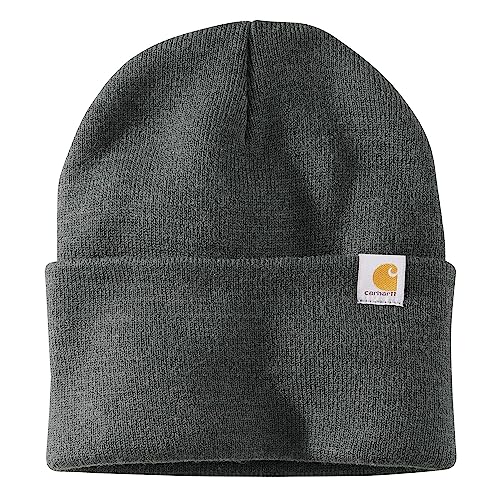
🏆 Best overall: The Carhartt A18 has been made since 1987 for a reason: a dense 100% acrylic rib knit, a tall crown and a deep fold-up cuff that you can double over your ears. It fits most heads, comes in dozens of colours and costs little enough that owning a spare is sensible.
Top picks ↓| Product | Price | Link |
|---|---|---|
| $20〜$25Reference price | ||
| $30〜$38Reference price | ||
| $28〜$35Reference price | ||
| $40〜$45Reference price | ||
| $10〜$20Reference price |
Top picks
Related articles


Sold in dozens of colours and in multi-packs; the multi-pack price per hat is often the best deal.
The Carhartt A18 has been made since 1987 for a reason: a dense 100% acrylic rib knit, a tall crown and a deep fold-up cuff that you can double over your ears. It fits most heads, comes in dozens of colours and costs little enough that owning a spare is sensible. The recurring complaints are that the cuff loosens after a heavy season of use and that acrylic gets damp inside when you work hard. For everyday commuting and outdoor work it is the benchmark.
Pros
- ✓Deep cuff covers the ears fully
- ✓Dense rib knit holds its shape
- ✓Low price and a huge colour range
Cons
- ✗Acrylic turns clammy when you sweat
- ✗Cuff can loosen after heavy use

Smartwool Thermal Merino Reversible Cuffed Beanie
Colour options change by season; check that the listing is the Thermal Merino version, not the thinner lightweight cap.
This Smartwool cap is cut from the same 100% merino midweight fabric as the brand's base layers and knitted as a double layer, so it is reversible and warmer than its thin look suggests at around 60 g. It is the one to buy if wool normally itches your forehead or if you hike, run or ski and need a hat that stays warm when damp. Owners note that it is thinner than a chunky knit, so on its own it is less windproof, and that merino needs gentler washing.
Pros
- ✓100% merino, soft against the skin
- ✓Stays warm when damp, resists odour
- ✓Reversible, light and packable
Cons
- ✗Thinner and less wind-blocking than chunky knits
- ✗Needs gentle washing

Offered in shallow and deeper fits in some seasons; check the fit description if you want ear coverage.
The Salty Lined is The North Face's short fisherman-style beanie: a chunky rib knit with a soft jersey lining that cuts wind through the knit and feels smooth on the skin. It is a style piece first; on most heads it sits above the ears, which owners either love or find too cold for real winter. Buy it for city wear with a hood or collar, not for long exposure in deep cold.
Pros
- ✓Soft jersey lining blocks wind
- ✓Clean fisherman look
- ✓Rib knit keeps its shape
Cons
- ✗Shallow fit leaves ears exposed
- ✗Less warm than a full-depth cuffed hat
Subscribe to our newsletter
Occasional updates and new releases — no spam.

Also sold as the thinner Vardag Beanie; the Classic is the double-knit version.
The Vardag Classic is a double-knit beanie in 100% recycled polyester with a deep cuff and Fjällräven's retro logo patch. Polyester means no itch at all and fast drying after a sweaty climb, and the double knit gives it a smooth, substantial feel. The trade is that it is less warm in strong wind than a dense acrylic rib and costs more than the workwear hats here.
Pros
- ✓No itch, very soft
- ✓Dries quickly after exertion
- ✓Deep cuff and good depth
Cons
- ✗Less wind-resistant than a dense rib
- ✗Pricier than workwear beanies
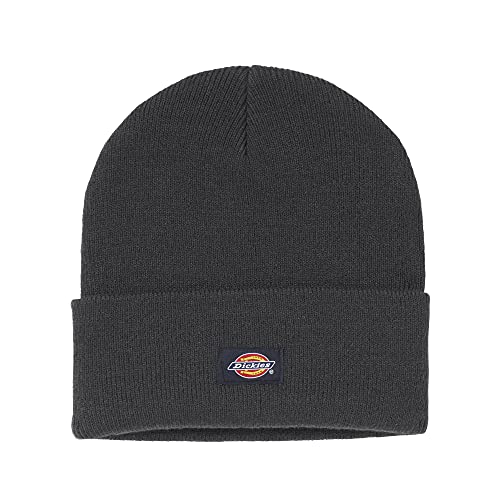
Frequently discounted and sold in multi-packs; colour choice affects the price.
The Dickies Cuffed Knit Beanie follows the same recipe as the Carhartt — 100% acrylic knit, a four-inch fold-up cuff and a logo patch — at a lower price. It is the spare for the car, the gym bag or a kid who loses hats. Owners say the knit is a little thinner and softer than the Carhartt, which makes it comfortable but slightly less warm, and pilling shows sooner.
Pros
- ✓Lowest price here
- ✓Soft acrylic with a 4-inch cuff
- ✓Many colours
Cons
- ✗Thinner knit than the Carhartt
- ✗Pills sooner with heavy wear
Fibre decides warmth, itch and how it looks after one winter
Most beanies are acrylic, merino wool or polyester. Acrylic (Carhartt, Dickies, The North Face) is cheap, holds colour and keeps a dense rib shape, but it does not handle sweat well: wear it on a brisk walk and the inside turns damp and clammy. Merino (Smartwool) stays warm when damp, resists odour and, in the fine grades used for base layers, does not itch the way traditional wool can. Recycled polyester double-knit (Fjällräven) is soft, never itchy and dries fastest.
The owner complaints follow the fibre. Acrylic beanies are criticised for pilling and for stretching out at the cuff after a season of pulling on and off. Merino gets called less durable and more expensive to replace. Polyester knits are praised for comfort but described as less warm in real wind than a dense rib.
Fit: depth and cuff matter more than the size label
Almost every beanie is sold as one size, so the real sizing is the depth of the crown and the cuff. A tall, cuffed watch cap like the Carhartt or Dickies can be worn with the cuff doubled over the ears or pulled down low; a short fisherman style like The North Face Salty sits above the ears on most heads and is a fashion choice rather than a cold-weather one.
If you have a large head or thick hair, read reviews for the word 'tight' before buying; that is the most common return reason. If you wear glasses, a thinner single-layer merino cap slides under the arms more easily than a thick acrylic cuff.
Price bands: what the extra money buys
Under $20 you get acrylic watch caps from workwear brands; they are warm enough for most commutes and cheap enough to own several. From $25 to $40 you pay for lining, merino or better finishing. Above $40 you mostly pay for brand and design; the warmth does not climb in step with the price.
For deep cold, the more effective upgrade is not a pricier beanie but a thin merino or fleece layer underneath, or a beanie with a lining that blocks wind through the knit.
Common mistakes and how to make a beanie last
The most common mistake is buying a shallow fashion beanie for real cold and then wondering why your ears hurt. The second is machine-drying: heat shrinks wool and relaxes acrylic, and both look worse afterwards. Hand wash or use a cold, gentle cycle and dry flat.
Stretched cuffs are the main way beanies die. Pull the hat on from the crown rather than yanking the cuff, and rotate two hats through the winter so each has time to recover its shape.
Frequently asked questions
Is merino or acrylic warmer?▼
Will a merino beanie itch?▼
How do I stop a beanie from stretching out?▼
Do I need a lined beanie?▼
Prices change. Check the retailer for the current price.
Comments & questions
Discussion happens on nattzy, our community forum. Sign in with Google to post — it takes a second.
Still deciding? Ask the community your own question — Post a question on nattzy ↗