Best Leather Loafers 2026: 5 compared
WriterPickly Editorial
Updated 2026-05-19
One pair is built to be resoled for a decade or more. Two hit their limits far sooner. This guide compares 5 options using published specifications, manufacturer documentation and independent reviews.
Quick answer
For most wardrobes, the Thursday Boot Company loafer is the pick — Goodyear welting at everyday pricing means it can be resoled rather than replaced, the single spec that decides a decade of wear. Alden's handsewn tassel loafer is the investment-dressing pick, G.H.Bass Weejuns are the preppy original, Tod's Gommino driver suits the Italian weekend, and Cole Haan's Pinch Grand is built for long days standing.
📋How we compared
This comparison is desk research. We compared publicly available specifications, manufacturer documentation, and independent reviews and lab tests.
No partner store here — this opens an Amazon search.
No partner store here — this opens an Amazon search.
Related articles

1★ Best PickG.H.Bass Weejuns Penny Loafer
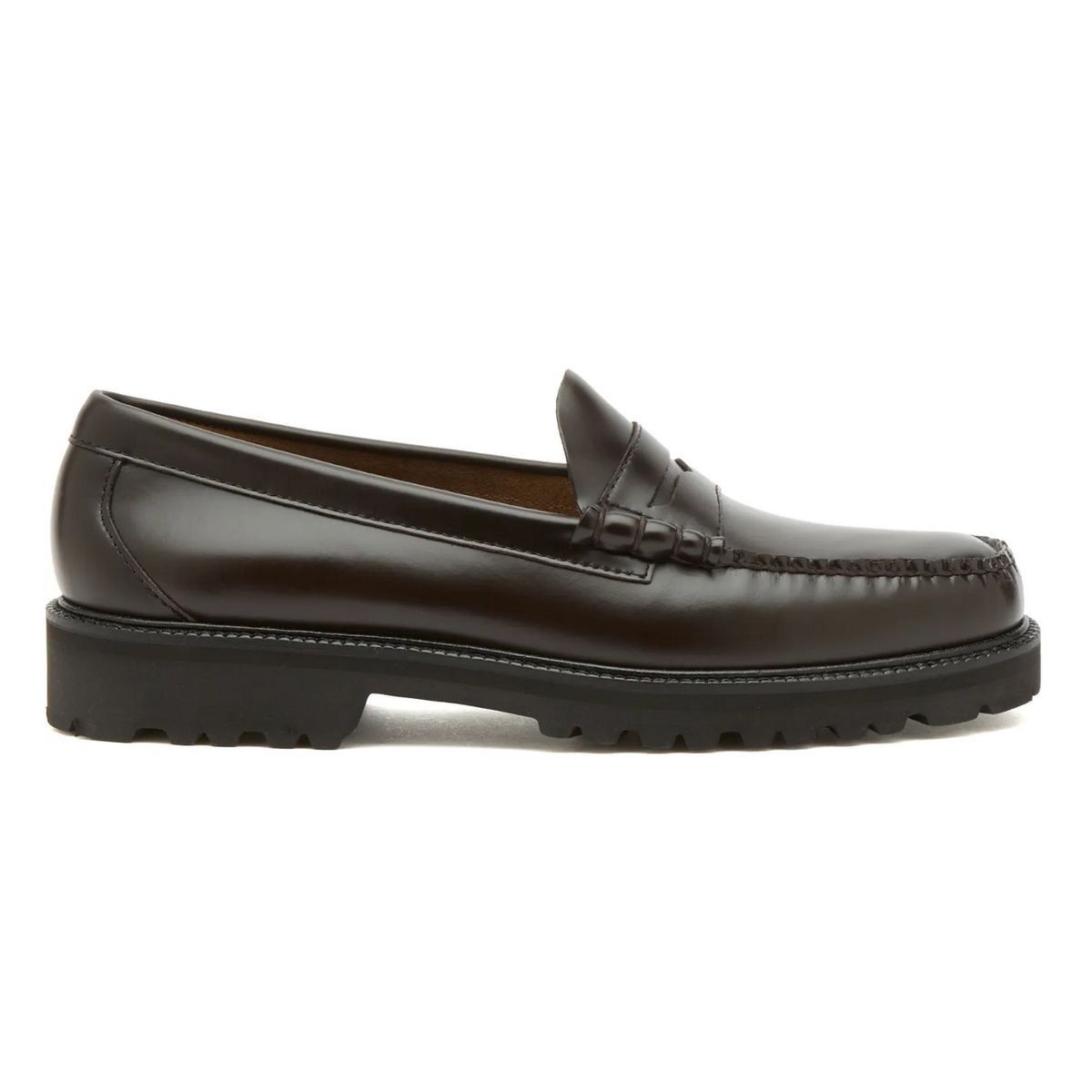
Ghbass.com ships directly; the Larson penny and Logan penny are the core styles. Look for seasonal sales reaching 30% off in November and January.
No partner store here — this opens an Amazon search.
2Alden Tassel Loafer Leisure Handsewn
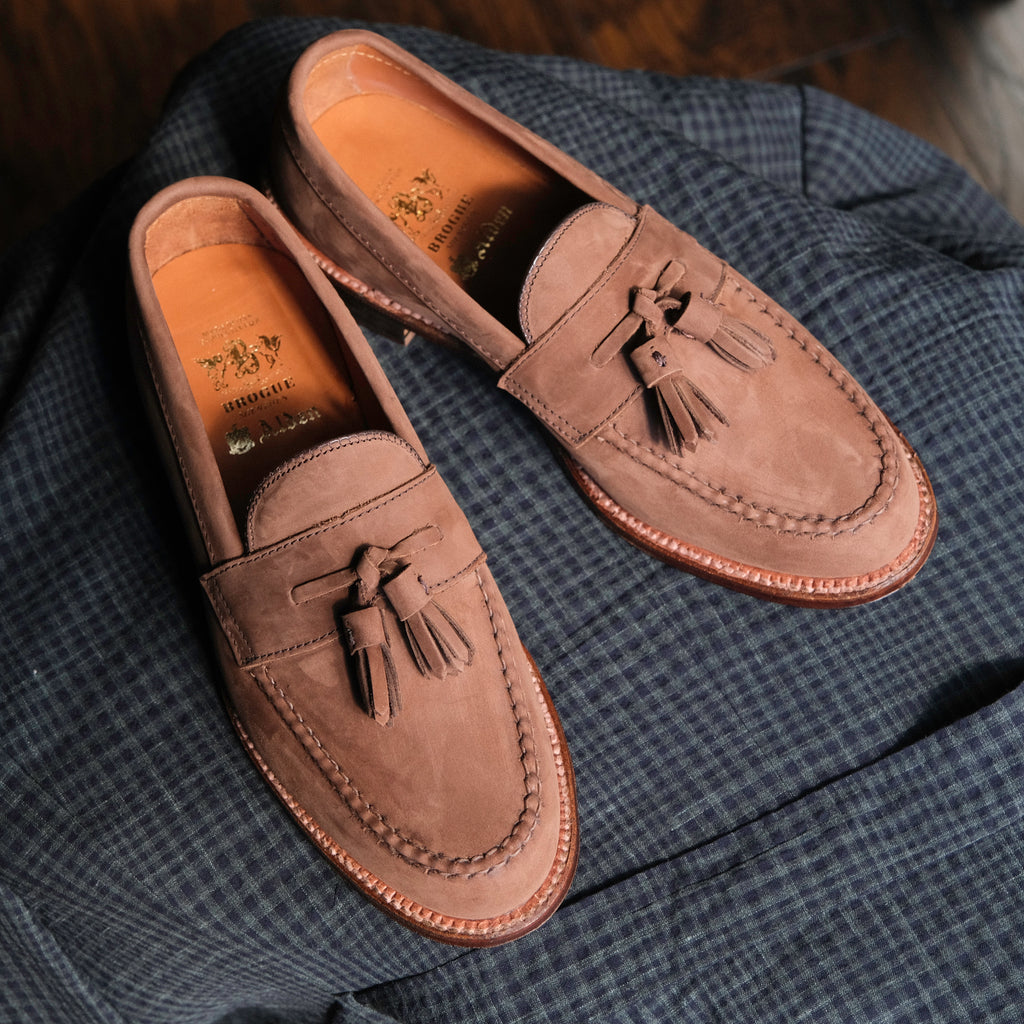
Alden authorized retailers include Alden of New England (Boston), Alden of Madison (NYC), and Leffot (NYC). Shell cordovan styles sell out quickly — sign up for waitlists.
3Tod's Gommino Driver
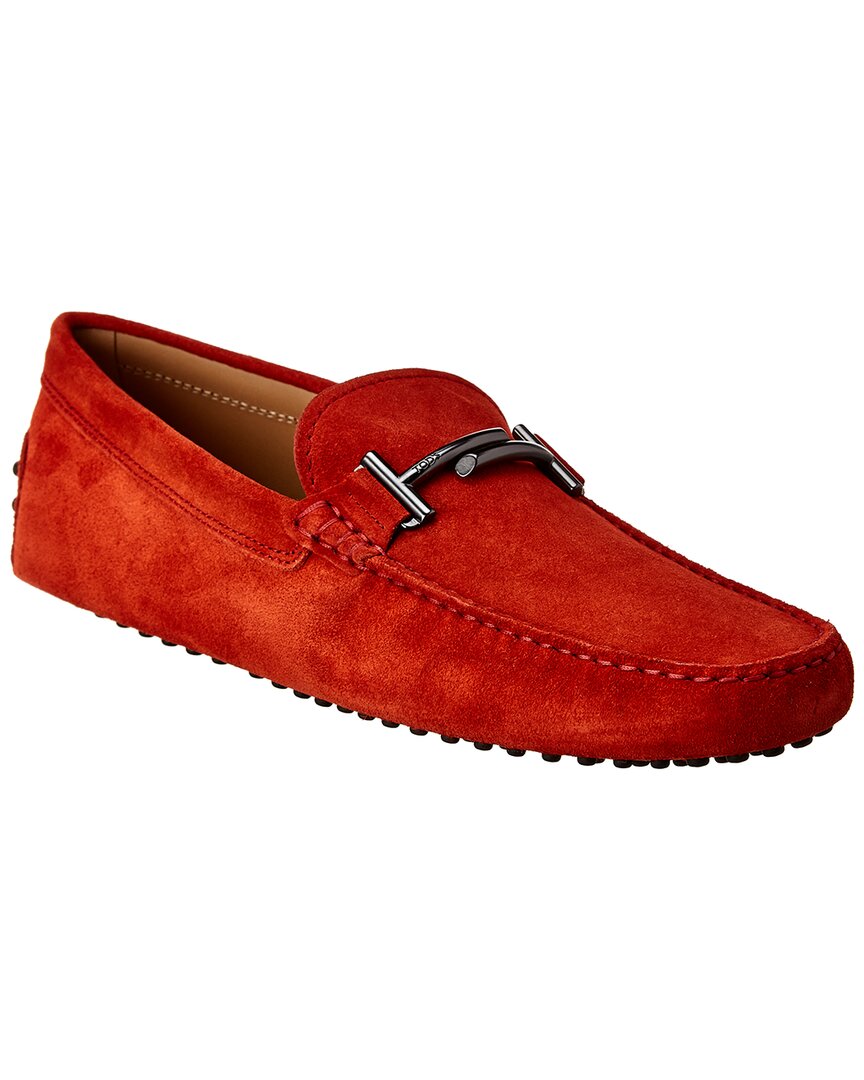
Tods.com plus Saks, Neiman Marcus, and Nordstrom. Suede versions run $50–$80 less than calfskin and require scotchguard treatment before first wear.
No partner store here — this opens an Amazon search.
Subscribe to our newsletter
Occasional updates and new releases — no spam.
4Thursday Boot Company Men's Loafer
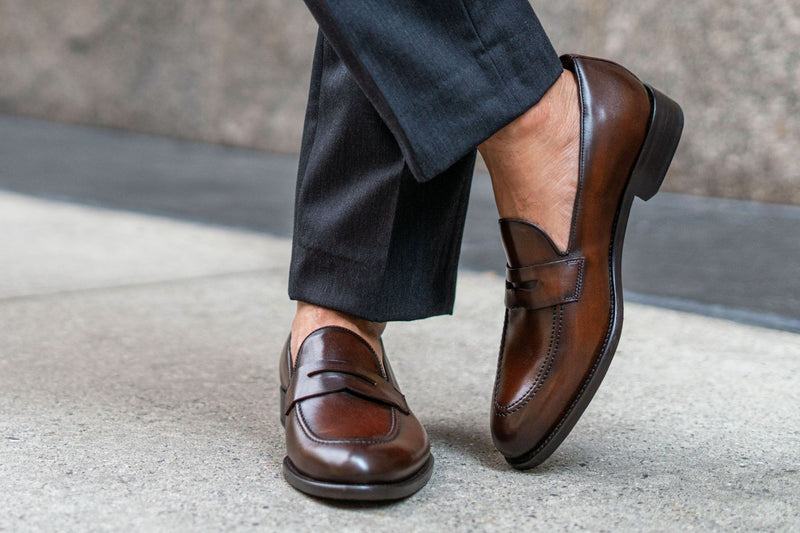
Thursdayboots.com sells DTC only with free US shipping and returns. The Diplomat and President are the core loafer styles; both available in 10 colorways.
5Cole Haan Pinch Grand Loafer
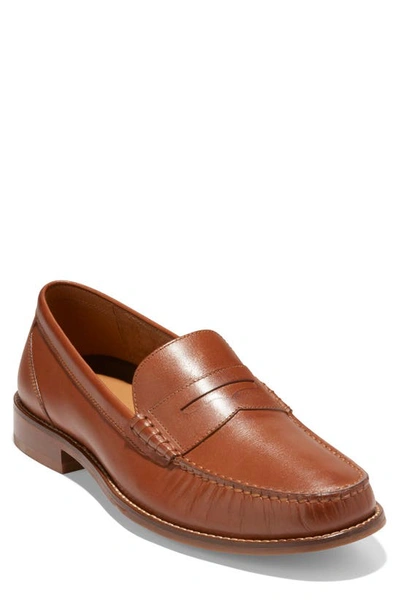
Colehaan.com plus Nordstrom and DSW. Factory outlet stores often stock prior-season Pinch Grand styles at 30–50% off with minor style differences.
How we compared
| Loafer | Price | Construction | Resoleable | Best for |
|---|---|---|---|---|
| G.H.Bass Weejuns | $175–$245 | Cemented leather sole | No | Casual to business-casual |
| Alden Tassel Leisure | $695–$895 | Goodyear-welt + handsewn | Yes | Heritage dress wear |
| Tod's Gommino Driver | $595–$795 | Hand-stitched moccasin | No | Smart-casual, driving |
| Thursday Loafer | $199–$249 | Goodyear-welt | Yes | DTC value, daily wear |
| Cole Haan Pinch Grand | $190–$250 | Cemented, Grand.OS insole | No | All-day office comfort |
Construction matters more than brand name when it comes to longevity. Goodyear-welt shoes — Alden and Thursday — can be resoled every 4–6 years for $60–$120, effectively extending lifespan to 15+ years with proper care. Cemented soles (Weejuns, Tod's, Cole Haan) bond upper to sole with adhesive; when the sole wears through, replacement is complicated and often costs nearly as much as a new pair.
Leather grade splits the field again. Alden uses full-grain shell cordovan or calf from Horween in Chicago — the same tannery supplying Red Wing and Allen Edmonds. Thursday's full-grain cow leather is solid but noticeably thinner at 1.8–2.0mm versus Alden's 2.4mm calf. Cole Haan's upper leather is the thinnest of the group, which is the trade-off for the molded Grand.OS footbed that makes them so comfortable out of the box.
G.H.Bass Weejuns Penny Loafer — Best for Preppy Classics
G.H.Bass invented the penny loafer in 1936 in Wilton, Maine. The Weejuns design has stayed almost unchanged: a smooth leather upper, a U-shaped saddle strap across the vamp, and a distinctive slot wide enough to hold a 1936 Lincoln penny. JFK wore them to the Oval Office. Elvis wore them on tour. The silhouette earns instant recognition in a way that no other shoe in this comparison can match.
Owners report that with only paste polish and no wax buildup, the smooth leather develops a light mirror shine at the toe cap within a couple of months, and the burnishing keeps deepening from there. Of the pairs here, they age into the best-looking shoe for the money.
The honest limitation: the sole is cemented and not particularly thick at 5mm. Owners report feeling pavement unevenness through the forefoot on longer walks once the sole has broken in. The leather outsole also scuffs easily on wet sidewalks. Bass offers a rubber-sole version of the Weejuns for $10 more — if you plan to walk more than a few blocks daily, order that one instead. The standard leather sole belongs on a New England campus, not a New York commute.
Alden Tassel Loafer Leisure Handsewn — Best for Investment Dressing
Alden has operated out of Brockton, Massachusetts since 1884 — the same city, same family ownership, same building on North Montello Street. The Leisure Handsewn Tassel loafer is made using a moccasin construction where the upper leather wraps under the foot and is hand-stitched to the insole, then Goodyear-welted at the perimeter. This dual construction — handsewn plus Goodyear — is rare and expensive to produce. It results in a shoe with almost no heel-to-toe differential, so the foot sits nearly flat.
The first month is conspicuously stiff. Owners describe needing a conditioning routine — Saphir Médaille d'Or is the usual recommendation — before the calf leather moves naturally, and describe that same leather draping around the foot by around week eight in a way no other shoe in this comparison approaches. The tassel sits at the perfect weight — heavy enough to swing when walking, light enough not to feel costume-like.
Owners report the combination leather-and-rubber heel wears roughly 1.5mm in the first six months — easily within resoleable range — with no separation at the welt stitching. A half-sole and heel at a cobbler around year three brings them back better than new. The $795 price is real money, but annualized over 15 years of care it's $53/year — less than the Cole Haan. The fit runs narrow: a D in Alden is snug for anyone who takes a D in most other brands. E width is available and worth ordering if you're between sizes.
Tod's Gommino Driver — Best for the Italian Weekend
Tod's launched the Gommino in 1979 with a single design idea: put 133 small rubber pebbles across the entire sole so a driver's foot wouldn't slip on pedals or brake too hard on entry. The pebbles extend up the heel — something you notice when walking on tile or hardwood. It sounds like a light shuffle, and owners say they stop noticing it within a week.
The leather is buttery from the first day — no break-in at all, because the moccasin construction wraps the foot without a rigid insole. Toe room is generous, noticeably wider in the forefoot than the Alden or Weejuns. Owners report the calfskin developing a patina within a few months that looks more expensive than the entry price, which says something about the quality of the hide.
The 133 pebbles wear fastest at the outside edge of the forefoot where a driver's foot naturally presses. Owners report that by month six around a dozen pebbles on the left shoe have worn down to the carrier rubber beneath. For someone who walks more than drives, the sole longevity is the story to know: expect 2–3 years before the pebble pattern is significantly compromised. Tod's does not offer resoling. The Gommino is also genuinely casual-only — paired with a navy suit it reads as a footwear mistake rather than a deliberate choice. Save it for smart-casual, weekend wear, and travel.
Thursday Boot Company Loafer — Best for Everyday Goodyear-Welt Value
Thursday launched in 2014 with a direct-to-consumer model that cuts wholesale margins — the strategy lets them offer a Goodyear-welted, full-grain leather loafer at $199–$249 when comparable construction from heritage brands runs $400–$600. The sole is a combination leather-and-rubber unit, 9mm thick at the forefoot — the thickest of the five here.
Out of the box, the Thursday is the most immediately wearable of the five. The last is slightly roomier in the toe box than Bass or Alden, and the footbed has a thin cork fill that conforms in the first couple of weeks. Owners report the leather breaking in evenly with no hot spots inside two months, and almost no visible forefoot wear after a few months — the thicker rubber compound outlasts the traditional leather soles on the Weejuns and Alden for everyday use.
The visible trade-off is in leather refinement. Thursday's full-grain upper is 1.8mm thick with a pigmented finish. Owners report that with conditioning the surface improves but never reaches the depth of patina the Alden calf develops — it plateaus. The branding is also minimal — the Thursday name appears only on the insole. For someone who wants performance and resoleability without paying for a name, that's a straightforward trade. Made in León, Mexico, not the US or UK, which matters to some buyers and not at all to others.
Cole Haan Pinch Grand Loafer — Best for Standing Desks and Long Days
Cole Haan's Grand.OS technology originated from their Nike collaboration in 2013 — the parent company at the time licensed athletic cushioning technology into dress shoe lasts. After Nike sold the brand in 2013, Cole Haan kept and developed the platform independently. The Pinch Grand Loafer uses a molded EVA-blend footbed with a 4mm cushioning layer that you feel immediately on the first step. No other shoe in this comparison is comfortable from day one.
For standing desks, trade shows and long conference days, the Grand.OS footbed is the difference between arriving tired and arriving in pain. The pinch moc-toe silhouette reads as professional without being formal, which pairs usefully with chinos, dark jeans, or a suit in casual-Friday contexts.
The practical ceiling is clear: the cemented sole and lighter leather upper mean this shoe has a 4–6 year lifespan under regular use. Within a few months owners report the leather upper creasing sharply across the vamp in a way the thicker Alden and Weejuns leathers do not. Conditioning slows it but does not stop it. The Grand.OS insole also compresses over time, and owners report noticeably less bounce within the first year — though it still cushions better than the other four pairs. Buy these when comfort is the primary requirement and plan to replace them, not repair them.
Frequently asked questions
How should leather loafers fit compared to regular shoes?▼
Can I wear loafers without socks?▼
Are penny loafers appropriate with a suit?▼
What's the difference between a penny loafer and a tassel loafer?▼
What does Goodyear-welt mean and why does it matter?▼
How do I break in stiff leather loafers faster?▼
Which loafer ages best over time?▼
What's the best loafer for someone with wide feet?▼
How often should I condition leather loafers?▼
Can leather loafers be worn in rain?▼
Check the details of the products in this article
- G.H.Bass Weejuns Penny Loafer$175〜$245Reference price
No partner store here — this opens an Amazon search.
- Alden Tassel Loafer Leisure Handsewn$695〜$895Reference price
- Tod's Gommino Driver$595〜$795Reference price
No partner store here — this opens an Amazon search.
- Thursday Boot Company Men's Loafer$199〜$249Reference price
- Cole Haan Pinch Grand Loafer$190〜$250Reference price
Prices change. Check the retailer for the current price.
Comments & questions
Discussion happens on nattzy, our community forum. Sign in with Google to post — it takes a second.
View the discussion thread on nattzy ↗
Still deciding? Ask the community your own question — Post a question on nattzy ↗