Best Burr Grinders Under $100 2026: 5 Compared
A burr grinder grinds coffee between two abrasive surfaces — a fixed outer burr and a spinning inner burr — to produce particles of consistent size. The grind, water temp, and ratio matter far more than which brewer you choose.
Quick answer
Burr grinders beat blade grinders because they produce even particle size, which is what makes brewing repeatable. The Baratza Encore is the best burr grinder under $100 and the benchmark others get measured against. The OXO Brew is the value alternative with an integrated scale so you dose by weight, and the Capresso runs slower for less static.
We assessed each product on build quality and materials, how it performs in everyday kitchen use, cleaning and maintenance burden, durability over years of use, and value for the price. Manufacturer specifications were cross-checked against verified owner reviews.
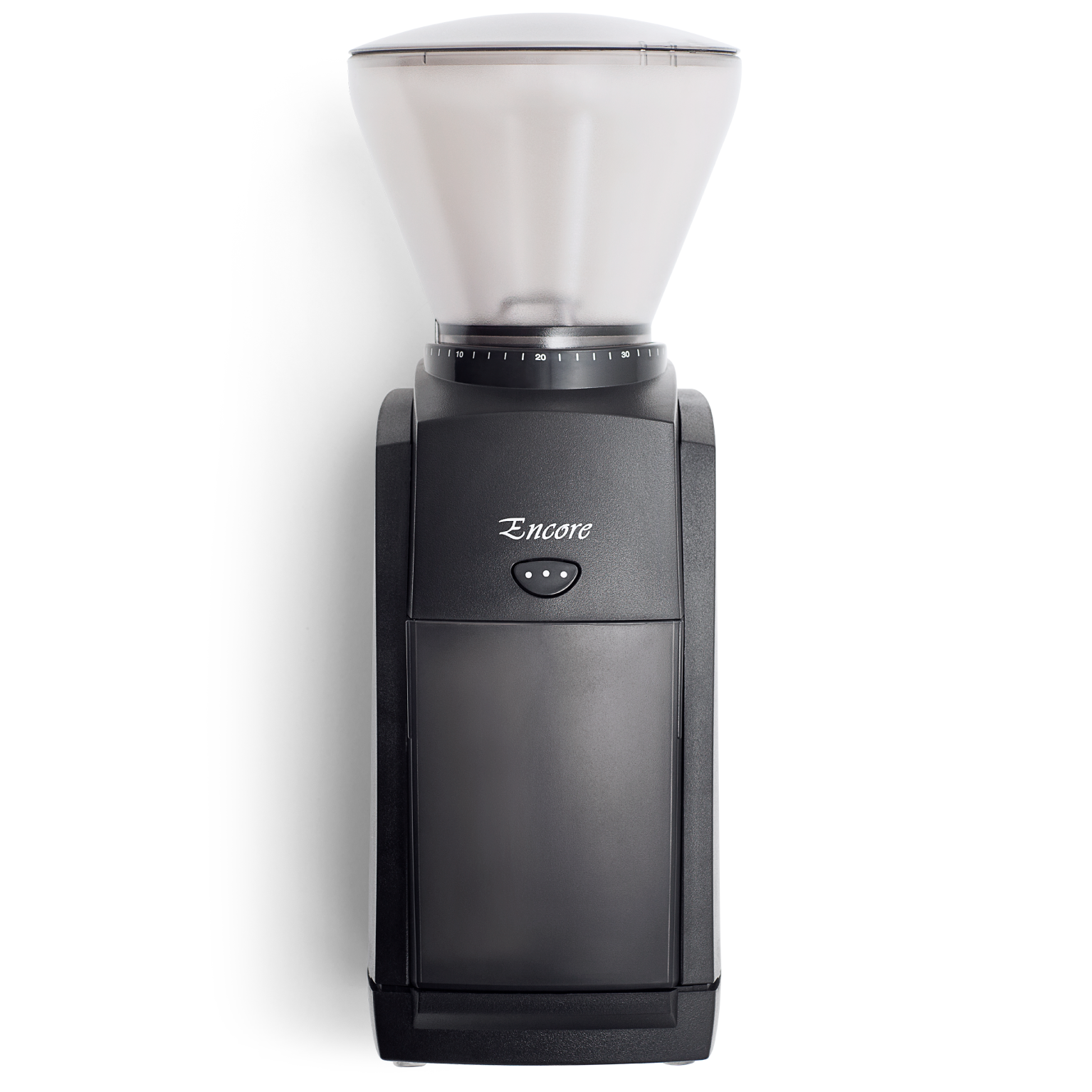
Baratza Encore Burr Grinder
Best Overall: The Baratza Encore is the benchmark entry burr grinder and the one against which every cheaper option gets measured. 40mm conical steel burrs, 40 grind settings ranging from drip-fine down to coarse French press, pulse button for short bursts, and timer-based grinding.
Top picks ↓| Product | Price | Link |
|---|---|---|
| $149.95Price as of 2026-09-24 | ||
| $98.99Price as of 2026-09-24 | ||
| $75Reference price | ||
| $50Reference price | ||
| $32.95Price as of 2026-09-24 |
Top picks
Related articles
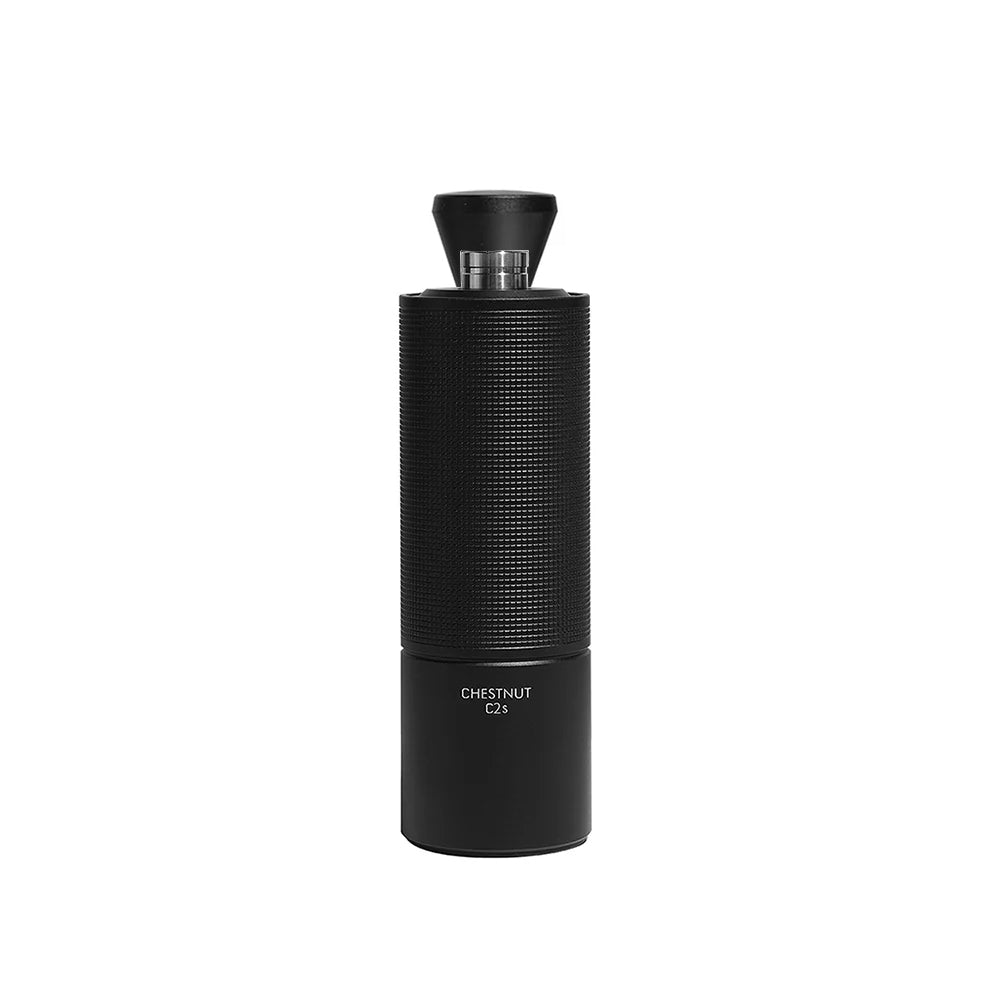


40mm conical steel burrs, 40 settings, pulse and timer. $140-160 (often on sale at ~$130). Benchmark entry grinder — 40 settings cover all non-espresso methods, repairable, 10+ year lifespan. Slightly above $100 threshold but best value overall.
The Baratza Encore is the benchmark entry burr grinder and the one against which every cheaper option gets measured. 40mm conical steel burrs, 40 grind settings ranging from drip-fine down to coarse French press, pulse button for short bursts, and timer-based grinding. The settings range covers every non-espresso brewing method — pour-over, AeroPress, French press, cold brew — without forcing compromises on either end. The real long-term value is repairability: Baratza sells replacement parts and offers factory repair service, which means a well-maintained Encore lasts a decade or more. At $140-160 (often $120-130 on sale) it sits just above the $100 budget threshold, but the consistency and 10+ year lifespan make it better value than cheaper electric grinders that wear out and get tossed.
Pros
- ✓40 grind settings cover every non-espresso method
- ✓40mm conical steel burrs deliver consistent particle size
- ✓Replacement parts and factory repair service available
- ✓Pulse button for short bursts plus timer-based grinding
Cons
- ✗Slightly above the $100 budget threshold
- ✗Motor is louder than mid-range grinders

15 settings, integrated scale, stainless conical burrs. $80-100. Best sub-$100 electric grinder — built-in scale doses by weight for consistency. Quiet motor. Cover all drip-to-French-press methods.
The OXO Brew Conical Burr Grinder is the strongest sub-$100 electric pick because of the integrated scale — you dose by weight instead of grinding for a fixed time, which produces more consistent doses across brew sessions and as the bean hopper empties. 15 grind settings cover the range from drip through French press, stainless conical burrs produce reasonably even particle size, and the motor is quieter than the Baratza Encore. The 15 settings are a meaningful step down from the Encore's 40 — there's less fine-tuning headroom — but for most home brewers running a single brew method, the resolution is enough. At $80-100, this is the best argument for not stepping up to the Baratza if budget is the constraint.
Pros
- ✓Built-in scale doses by weight for repeatable shots
- ✓Stainless steel conical burrs
- ✓Quieter motor than the Baratza Encore
- ✓Stays under the $100 budget threshold
Cons
- ✗15 settings are coarser than the Encore's 40
- ✗Scale calibration drifts and needs occasional reset

16 settings, slow 450 RPM motor, stainless conical burrs. $75-100. Best low-static grinder — slow speed reduces heat and clumping. Timer dosing (less precise than scale). Solid grind quality for the price.
The Capresso Infinity Plus runs its stainless conical burrs at a deliberately slow 450 RPM, which is the key spec — the lower speed produces less frictional heat and less static, which in turn reduces grind clumping and the powdery mess that surrounds static-heavy grinders. 16 grind settings cover the drip-through-French-press range. The trade against the OXO is the dosing method: Capresso uses a timer dial rather than a built-in scale, which is less precise for measured doses. Grind quality at comparable settings is on par with OXO. At $75-100 it's the right choice if you've been frustrated by static mess or by grinders heating beans during grinding.
Pros
- ✓Slow 450 RPM motor reduces static and heat
- ✓16 grind settings cover non-espresso brewing range
- ✓Stainless steel conical burrs
- ✓Less ground-coffee mess at the chute
Cons
- ✗Timer dosing is less precise than OXO's scale
- ✗Slow grinding speed adds time per dose
Subscribe to our newsletter
Occasional updates and new releases — no spam.

12 settings, glass grounds container, conical steel burrs. $50-80. Entry-level budget grinder — fewest settings, lightest construction. Adequate for drip and basic pour-over. Correct for first-time burr grinder buyers at minimum price point.
The Bodum Bistro Burr Coffee Grinder is the entry-level electric burr grinder at $50-80 — conical steel burrs, 12 grind settings, and a borosilicate glass grounds container that reduces static cling on the way out of the chute. The construction is lighter than the OXO or Capresso, the 12 settings provide less fine-tuning range than competitors, and the build is engineered down to the price point. For first-time burr grinder buyers stepping up from a blade grinder, the jump in cup quality is immediate and obvious; the Bistro is a legitimate starting point with the realistic expectation of upgrading within two to three years. It's the lowest entry price into consistent grinding, not the long-term pick.
Pros
- ✓Lowest electric burr grinder price in this comparison
- ✓Glass grounds container reduces static cling
- ✓Conical steel burrs produce real consistency over blade grinders
- ✓Compact footprint for tight kitchens
Cons
- ✗Only 12 grind settings — limited fine-tuning headroom
- ✗Lighter construction won't match Baratza longevity

Ceramic conical burrs, adjustable click settings, hand crank. $25-40. Best manual burr grinder — consistent grind quality, travel-ready, no power required. 1-2 min per cup by hand. Correct for travel, camping, or low-volume daily use.
The JavaPresse Manual Burr Grinder is a hand-cranked ceramic burr grinder — you turn a handle to drive the burrs rather than a motor. The ceramic conical burrs produce grind consistency comparable to electric grinders in the same price range, with adjustable click settings spanning fine to coarse. The trade-off is time and effort: grinding 20 grams of coffee for a pour-over takes one to two minutes of cranking. No power required, no motor noise, compact enough for a backpack — which is exactly why manual grinders dominate the camping and travel categories. At $25-40 it's the cheapest entry into consistent burr grinding, but it's not the right tool for daily multi-cup brewing.
Pros
- ✓Ceramic burrs grind consistently without power
- ✓Travel-friendly compact size and no motor noise
- ✓Lowest price in the comparison for true burr grinding
- ✓Adjustable click settings span fine to coarse
Cons
- ✗1-2 minutes of hand cranking per dose
- ✗Impractical for multi-cup daily household use
Which one is right for you?
For brewers who'll keep the same grinder for a decade
Baratza Encore Burr Grinder
Baratza's factory repair service and replaceable parts mean the Encore lasts 10+ years, which is the realistic value frame even at the slight premium over $100.
For brewers who want a built-in scale
OXO Brew Conical Burr Grinder
OXO is the only sub-$100 grinder here with weight-based dosing, which produces noticeably more consistent shots than timer-based grinding.
For kitchens frustrated by grinder static mess
Capresso Infinity Plus Burr Grinder
The 450 RPM slow-speed motor produces less heat and static than competitors, which directly reduces the powdery mess around the chute.
For first-time burr grinder buyers on a tight budget
Bodum Bistro Burr Coffee Grinder
At $50-80 the Bistro is the cheapest electric burr grinder here and the cup-quality jump from a blade grinder is immediate.
For travelers and campers
JavaPresse Manual Burr Grinder
The hand-crank ceramic burrs work without power, fit in a backpack, and produce grind consistency comparable to entry electric grinders.
Why burr grinders produce better coffee than blade grinders
Blade grinders work by rotating sharp blades at high speed through coffee beans. The resulting grind is bimodal: a mix of fine powder (from beans exposed to the blade multiple times) and coarse chunks (from beans that were barely touched). When you brew this in a pour-over or French press, the fine particles over-extract quickly (producing bitterness) while coarse chunks under-extract (producing sourness or watery flavor). The combined result is simultaneously bitter and sour — what coffee professionals call 'muddy'.
Burr grinders crush coffee between two burr surfaces set to a specific distance apart. All coffee passes through the same gap, producing particles of consistent size. Consistent grind size means consistent extraction — every particle extracts at the same rate. The result is coffee that can be accurately dialed in: if it's too sour, grind finer; too bitter, grind coarser. With a blade grinder, these adjustments don't work because the particle size distribution is random regardless of how long you grind.
The practical test: if your coffee recipe produces inconsistent results day-to-day — sometimes good, sometimes bitter, sometimes weak — and you're using a blade grinder, the grinder is almost certainly the variable. Switching to a $50-70 entry burr grinder typically produces immediate improvement in consistency, before changing any other variable.
Baratza Encore: the benchmark entry grinder
Baratza Encore ($140-160, often found on sale at $120-130) is technically above the $100 threshold but is the reference entry burr grinder against which all budget options are measured. 40mm conical steel burrs, 40 grind settings from espresso-fine to coarse French press. Pulse button for short bursts, timer-based grinding. Reliable, consistent, repairable — Baratza sells replacement parts and offers repair service, which means a well-maintained Encore can last a decade or more.
The Encore's grind quality at 40 settings is adequate for every non-espresso brewing method: drip, pour-over, AeroPress, French press, cold brew. It is not designed for espresso (the grind range doesn't go fine enough for 9-bar extraction). The motor is louder than mid-range grinders but not unusually so for an electric burr grinder.
For home brewers who want a one-purchase solution that covers all pour-over and immersion methods, the Encore is the correct choice even at the slight price premium over the $100 budget threshold. Its repairability and consistency make it better long-term value than cheaper alternatives that wear out faster.
OXO Brew and Capresso: sub-$100 electric options
OXO Brew Conical Burr Grinder ($80-100) is the best sub-$100 electric burr grinder for most home brewers. 15 grind settings covering drip to French press, integrated scale (measure by weight rather than time), stainless conical burrs, relatively quiet motor. The built-in scale is a meaningful feature — grinding by weight rather than time produces more consistent dose across brew sessions, especially as the bean container empties and the grind volume per second changes.
Capresso Infinity Plus ($75-100) uses stainless steel conical burrs with 16 grind settings. The grind quality is comparable to OXO at similar settings. Capresso's advantage is the slow-speed (450 RPM) motor — the low speed produces less heat and static than higher-speed grinders, which reduces grind clumping and static-related mess. The timer dial (rather than OXO's scale) is less precise for dosing, but the grind consistency is solid.
OXO vs Capresso: OXO if you want to dose by weight (better consistency); Capresso if low-static, low-heat operation matters. Both produce meaningfully better coffee than a blade grinder. Neither reaches the Baratza Encore's settings range or build quality, but both are genuine improvements for everyday home brewing at lower price.
Bodum Bistro and JavaPresse: aesthetic and manual options
Bodum Bistro Burr Coffee Grinder ($50-80) is the entry-level electric burr grinder at the budget end. Conical steel burrs, 12 grind settings, borosilicate glass grounds container (reduces static). The construction is lighter than OXO or Capresso, and the 12 settings provide less fine-tuning range. Adequate for basic drip and pour-over use. For first-time burr grinder buyers who want the minimum entry price into consistent grinding, the Bodum Bistro is a legitimate choice with the understanding that you'll probably want to upgrade within 2-3 years.
JavaPresse Manual Burr Grinder ($25-40) is a hand-operated ceramic burr grinder — you turn a handle to grind beans rather than using a motor. The ceramic conical burrs produce consistent grind quality comparable to electric grinders in the same price range. The significant trade-off is time: grinding 20 grams of coffee for a pour-over takes approximately 1-2 minutes by hand. Manual grinders are popular for travel (no power required, compact size) and camping.
Manual grinders (JavaPresse and similar) are the right choice for travel, camping, or brewing limited to one cup per day where grinding time is acceptable. For daily household use making multiple cups, an electric grinder's convenience advantage makes it the better choice at any budget.
Frequently asked questions
What's the difference between conical burrs and flat burrs?▼
How many grind settings do you actually need?▼
How do you clean a burr grinder?▼
Prices change. Check the retailer for the current price.
Comments & questions
Discussion happens on nattzy, our community forum. Sign in with Google to post — it takes a second.
Related articles

Best Coffee Makers 2026: Breville vs Moccamaster vs OXO
Food
Best Toaster 2026: 5 Compared
Best Toaster 2026: 5 Compared

ConoHa WING review (2026): setup, speed and pricing
Best JP rental server 2026: 5 hosts ranked
Best LED Face Masks 2026: 3 Light Therapy Devices Compared
Best Robot Vacuums 2026: 5 Models Compared Honestly