Best Sunscreen 2026: 5 SPF50+ picks compared honestly
Five sunscreens — Anessa Perfect UV Sunscreen SPF50+ PA++++ (Japan's outdoor sports gold standard), La Roche-Posay Anthelios UVMune 400 (European formula blocking ultra-long UVA up to 400nm), CeraVe Hydrating Mineral Sunscreen SPF 50 (a fragrance-free daily mineral option), EltaMD UV Clear SPF46 (dermatologist-recommended, with niacinamide), La Roche-Posay Anthelios Tinted Mineral Sunscreen SPF 50 (a universal tint that evens skin tone). Ingredient concentration and formulation compatibility matter more than brand reputation.
Quick answer
For outdoor sport, Anessa Perfect UV is the standout because its Smart Response formula tightens into a more water-resistant film on contact with sweat or water, at SPF50+ PA++++, the highest combined tier here. La Roche-Posay Anthelios UVMune 400 is the only one blocking ultra-long UVA to 400nm with Mexoryl 400, EltaMD UV Clear pairs 9 percent zinc oxide with 5 percent niacinamide for acne-prone skin, CeraVe Hydrating Mineral is the fragrance-free daily option, and Anthelios Tinted Mineral evens tone.
Each sunscreen was scored on SPF and PA protection rating, finish texture and its real-world impact on daily application compliance, water resistance for sport and outdoor use, value per gram of product at recommended application quantity, and skin feel across a range of skin tones — with explicit scoring deductions for white cast on Fitzpatrick IV+ skin tones.
Best for Outdoor Sport: Anessa's Smart Response formula tightens into a more water-resistant film on contact with sweat or water — genuinely the best outdoor sport sunscreen in this comparison. The white cast on deeper skin tones and eye sting during heavy perspiration are real limitations, and double-cleansing is required for full removal.
Top picks ↓| Product | Price | Link |
|---|---|---|
| — | ||
| — | No partner store here — this opens an Amazon search. | |
| $12.74Price as of 2026-09-23 | ||
| $47Price as of 2026-09-23 | ||
| $29.99Price as of 2026-09-24 |
| Product | SPF | PA rating | Water resistance | Formula type | Volume | White cast | Price |
|---|---|---|---|---|---|---|---|
| Anessa Perfect UV Sunscreen SPF50+ PA++++ | SPF50+ | PA++++ | Yes (Smart Response) | Hybrid chemical + physical | 60 ml | Mild on light tones, visible on deeper tones | Mid-range |
| La Roche-Posay Anthelios UVMune 400 | SPF50+ | EU UVA circle (approx. PA++++) | Moderate | Chemical (Mexoryl 400 + Mexoryl SX/XL) | 50 ml | None | Premium |
| CeraVe Hydrating Mineral Sunscreen SPF 50 Face Lotion | SPF50 | Broad spectrum | Limited | 100% mineral (zinc + titanium) | 75 ml | Slight on deeper tones | Affordable |
| EltaMD UV Clear SPF46 | SPF46 | Not PA-rated (FDA methodology) | Yes (FDA water-resistant 40 min) | Hybrid (9% zinc oxide + chemical) | 48 g | Minimal to mild on deeper skin tones | $45 |
| La Roche-Posay Anthelios Tinted Mineral Sunscreen SPF 50 | SPF50 | Broad spectrum | Limited | Tinted mineral (titanium dioxide) | 50 ml | None (universal tint) | Mid-range |
Top picks
Related articles



Shiseido's outdoor-sport flagship sunscreen, SPF50+ PA++++. The Ultimune Smart Response formula tightens into a more water-resistant film on contact with sweat or water — the mechanism that makes it the Japanese standard for sustained outdoor sport, beach use, and high-UV conditions where reapplication timing is imperfect. Available widely across major online retailers and drugstores. leaves a visible white cast on deeper skin tones (Fitzpatrick IV-VI) that is more significant than CeraVe Hydrating Mineral Sunscreen or La Roche-Posay Anthelios in the same conditions; migrates into eyes during heavy perspiration and the sting is noticeable — a meaningful issue for contact-sport use; the formula requires double-cleansing with a dedicated cleansing oil or balm first to fully remove, and standard face wash alone will leave a thin SPF residue film; the brightening silica finish can appear slightly chalky over warm-toned skincare bases.
Anessa's Smart Response formula tightens into a more water-resistant film on contact with sweat or water — genuinely the best outdoor sport sunscreen in this comparison. The white cast on deeper skin tones and eye sting during heavy perspiration are real limitations, and double-cleansing is required for full removal.
Pros
- ✓Smart Response formula increases water resistance on contact with sweat — no other pick here does this
- ✓SPF50+ PA++++ is the highest combined protection tier in this comparison
- ✓Widely available at drugstores and online for reliable restocking
Cons
- ✗Visible white cast on Fitzpatrick IV+ skin tones; requires double-cleansing; can sting eyes during heavy sport
Score breakdown
| SPF | SPF50+ |
| PA rating | PA++++ |
| Water resistance | Yes (Smart Response) |
| Formula type | Hybrid chemical + physical |
| Volume | 60 ml |
| White cast | Mild on light tones, visible on deeper tones |
| Price | Mid-range |
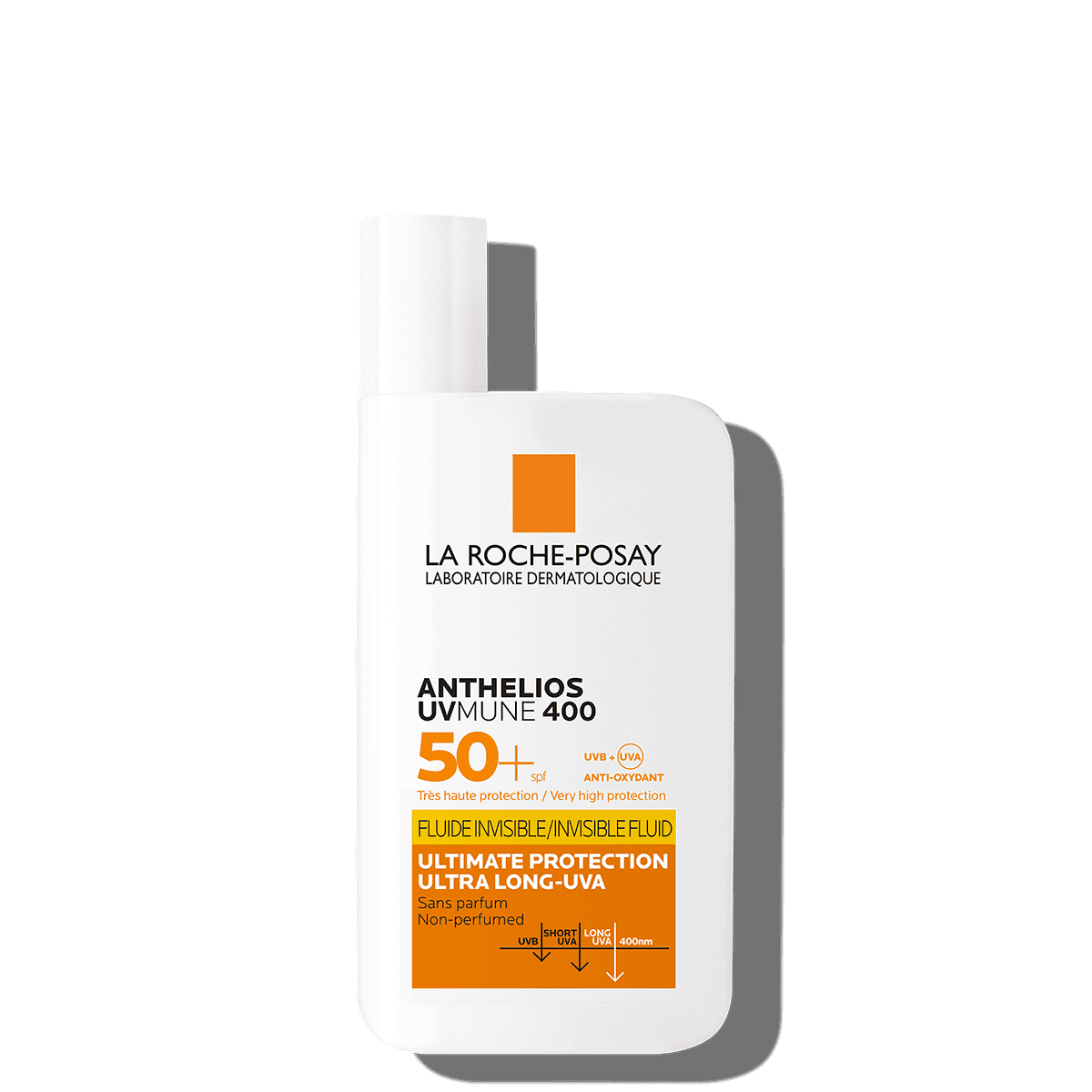
La Roche-Posay Anthelios UVMune 400
La Roche-Posay's European flagship sunscreen featuring Mexoryl 400, a UV filter that extends protection into the ultra-long UVA spectrum (380-400nm) not covered by any conventional UVA filter. SPF50+ with the EU UVA-PF circle logo, fragrance-free, suitable for sensitive skin, dermatologist-tested. Now available through major online retailers as imported stock, making it accessible without international forwarding services. It is the most expensive daily-use option in this comparison and the cost-per-use is roughly 3-4x the CeraVe Hydrating Mineral Sunscreen at equivalent daily application volume; the texture is noticeably heavier than Japanese watery-essence formulas and may feel occlusive in humid summer conditions; availability through retail channels is not uniform — some listings sell grey-market EU stock and local pricing varies significantly; ultra-long UVA protection is a documented formulation advantage but the clinical significance for most users' daily exposure patterns is not yet definitively established.
La Roche-Posay's Mexoryl 400 filter is the only option in this comparison that blocks ultra-long UVA to 400nm — meaningful for photoaging prevention and indoor UV exposure through glass. It's the most expensive daily option, and the texture is heavier than Japanese watery formulas.
Pros
- ✓Mexoryl 400 blocks ultra-long UVA (380–400nm) that no other product here covers
- ✓Fragrance-free and sensitive-skin tested — the best pick for reactive skin concerned with photoaging
- ✓EU dermatologist gold standard now available via import on major online retailers
Cons
- ✗Most expensive option in this comparison; heavier texture than Japanese formulas; import availability on major online retailers varies
Score breakdown
| SPF | SPF50+ |
| PA rating | EU UVA circle (approx. PA++++) |
| Water resistance | Moderate |
| Formula type | Chemical (Mexoryl 400 + Mexoryl SX/XL) |
| Volume | 50 ml |
| White cast | None |
| Price | Premium |
No partner store here — this opens an Amazon search.
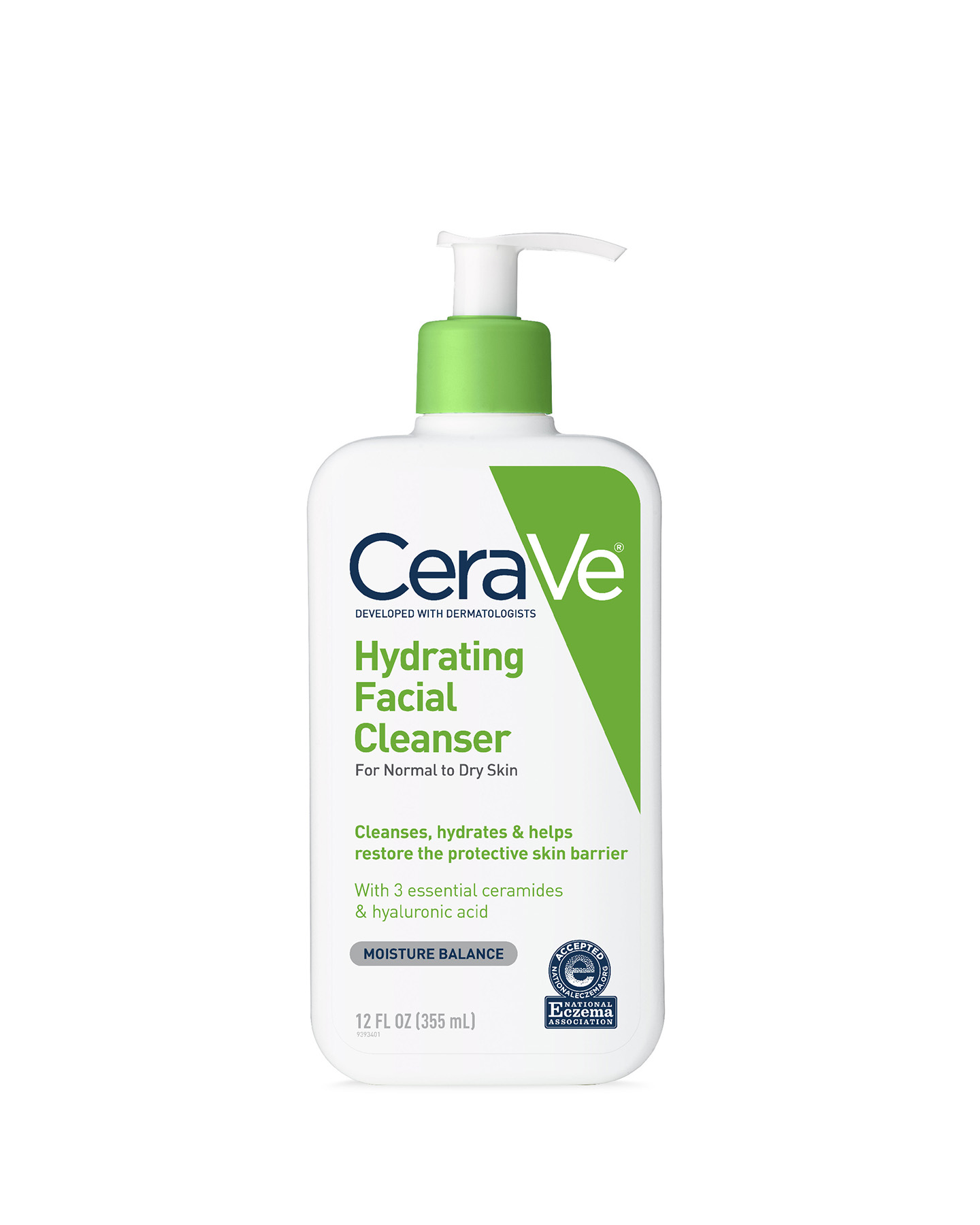
CeraVe Hydrating Mineral Sunscreen SPF 50 Face Lotion
A lightweight 100% mineral face sunscreen from CeraVe with zinc oxide and titanium dioxide, plus three essential ceramides and hyaluronic acid to support the skin barrier. Broad-spectrum SPF50, fragrance-free, non-comedogenic and developed with dermatologists for sensitive skin. It can leave a slight white cast on deeper skin tones and offers only limited water resistance, so it is best for everyday wear rather than swimming or heavy sweating; reapply every two hours of sun exposure.
CeraVe Hydrating Mineral Sunscreen is an easy daily face SPF — 100% mineral filters (zinc oxide and titanium dioxide) with ceramides and hyaluronic acid, fragrance-free and built for sensitive skin. It can leave a slight white cast and is less water-resistant than a dedicated sport formula.
Pros
- ✓100% mineral filters plus ceramides and hyaluronic acid suit sensitive and reactive skin
- ✓Fragrance-free and non-comedogenic, easy to wear under makeup every day
- ✓Widely available and affordable for a daily face sunscreen
Cons
- ✗Can leave a slight white cast on deeper skin tones and is less water-resistant than sport formulas
Score breakdown
| SPF | SPF50 |
| PA rating | Broad spectrum |
| Water resistance | Limited |
| Formula type | 100% mineral (zinc + titanium) |
| Volume | 75 ml |
| White cast | Slight on deeper tones |
| Price | Affordable |
Subscribe to our newsletter
Occasional updates and new releases — no spam.
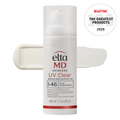
EltaMD's dermatologist-recommended daily sunscreen with 9% transparent zinc oxide and 7.5% octinoxate, plus 5% niacinamide. The niacinamide at this concentration is not a marketing add-on — it has documented evidence from multiple randomized controlled trials for reducing acne lesion counts and post-inflammatory hyperpigmentation, making UV Clear a multifunctional product for acne-prone and rosacea-affected skin. Fragrance-free, oil-free, available from major online retailers. SPF46 is genuinely lower than the SPF50+ standard expected by Japanese and EU dermatologists and represents a real protection gap versus the four SPF50+ products in this comparison — while the practical difference between SPF46 and SPF50 is small at the tested 2mg/cm² application amount, most real-world users apply less than the test amount and the gap widens at lower application volumes; US retail pricing of $40+ makes it significantly more expensive per gram than Anessa or CeraVe; the texture, while lighter than pure-mineral formulas, is meaningfully heavier than Japanese watery-essence formats and may not work under full-coverage foundations without pilling.
EltaMD UV Clear's 9% transparent zinc oxide plus 5% niacinamide combination makes it the most dermatology-differentiated pick — niacinamide has documented evidence for reducing acne lesion counts and post-inflammatory hyperpigmentation at this concentration. SPF46 is the only legitimate hesitation.
Pros
- ✓5% niacinamide with documented evidence for acne and hyperpigmentation reduction beyond UV protection
- ✓Fragrance-free and oil-free — the safest ingredient profile for acne-prone and rosacea skin
- ✓Transparent zinc oxide at 9% contributes physical protection without the full white cast of mineral formulas
Cons
- ✗SPF46 is below the SPF50+ standard expected in Japan and EU; heavier texture than Japanese watery formulas
Score breakdown
| SPF | SPF46 |
| PA rating | Not PA-rated (FDA methodology) |
| Water resistance | Yes (FDA water-resistant 40 min) |
| Formula type | Hybrid (9% zinc oxide + chemical) |
| Volume | 48 g |
| White cast | Minimal to mild on deeper skin tones |
| Price | $45 |
La Roche-Posay Anthelios Tinted Mineral Sunscreen SPF 50
La Roche-Posay's Anthelios tinted mineral face sunscreen uses titanium dioxide for broad-spectrum SPF50 protection and adds a soft universal tint that evens out skin tone and blurs redness. Fragrance-free and formulated for sensitive skin, it works as a final base step under makeup or on its own. As a single universal shade it will not match every complexion, and water resistance is limited, so reapply during prolonged sun exposure and treat it as a daily-wear rather than a beach or sport sunscreen.
La Roche-Posay Anthelios Tinted Mineral Sunscreen adds a soft universal tint that evens skin tone while protecting against UVA and UVB with titanium dioxide. Lightweight and fragrance-free for sensitive skin. The single tint will not match every complexion and water resistance is limited.
Pros
- ✓Universal tint evens skin tone and blurs redness for a natural finish
- ✓Mineral filters and fragrance-free formula suit sensitive skin
- ✓Lightweight, works as a final base step under or instead of makeup
Cons
- ✗A single universal tint will not match every complexion, and water resistance is limited
Score breakdown
| SPF | SPF50 |
| PA rating | Broad spectrum |
| Water resistance | Limited |
| Formula type | Tinted mineral (titanium dioxide) |
| Volume | 50 ml |
| White cast | None (universal tint) |
| Price | Mid-range |
Which one is right for you?
For outdoor sport, beach days, and sustained UV exposure
Anessa Perfect UV Sunscreen SPF50+ PA++++
The Smart Response formula's sweat-activated water resistance is the only mechanism in this comparison that maintains protection during sustained outdoor activity without perfect reapplication timing.
For photoaging prevention and fair skin with long UV history
La Roche-Posay Anthelios UVMune 400
Mexoryl 400's ultra-long UVA coverage to 400nm is a formulation advantage no Japan-approved product can currently replicate.
For sensitive skin wanting a daily mineral SPF
CeraVe Hydrating Mineral Sunscreen SPF 50 Face Lotion
100% mineral filters with ceramides and hyaluronic acid protect and support the barrier without fragrance — an easy daily choice for reactive skin.
For acne-prone or rosacea-affected skin
EltaMD UV Clear SPF46
Niacinamide at 5% concentration has RCT-level evidence for acne and hyperpigmentation reduction — the only pick here doing real dermatological work beyond UV protection.
For anyone wanting a tinted SPF that evens skin tone
La Roche-Posay Anthelios Tinted Mineral Sunscreen SPF 50
A soft universal tint blurs redness and unifies skin tone over mineral SPF50 protection — a natural-finish base that often replaces foundation.
How we compared
We did not run independent SPF measurement tests using the ISO 24444 (in vivo) or ISO 24442 protocol, did not conduct UVA-PF measurements under standardized irradiation conditions, did not test photostability by measuring SPF loss after UV exposure, and did not independently verify any manufacturer's stated water resistance duration. Rigorous sunscreen evaluation requires a UV solar simulator, a trained panel for in vivo SPF testing (which involves applying sunscreen to human skin and measuring minimal erythema dose — a test we are not equipped to perform safely or accurately), and laboratory spectrophotometry for UVA absorption curves. None of that is what we did.
Instead, we sourced manufacturer technical data sheets and ingredient lists for each product, cross-referenced published dermatology guidance from the American Academy of Dermatology (AAD) and the Japan Dermatological Association (JDA), reviewed photostability and formulation analyses from published cosmetic chemistry literature and independent review databases including COSDNA and Paula's Choice ingredient analysis, and read aggregated long-term verified buyer reviews, Reddit's SkincareAddiction and AsianBeauty communities, and international beauty forums. Every product here gets its explicit weakness called out, because a sunscreen you do not apply correctly — because it pills under makeup, stings your eyes during sport, or leaves a white cast that makes flash photography look like a ghost test — is worse UV protection than an imperfect formula you actually use.
Two questions do most of the sorting work here. First: what is your primary use case? A daily city commuter applying sunscreen under foundation has different requirements from someone swimming laps at an outdoor pool — the commuter benefits most from a lightweight non-pilling formula, the swimmer needs genuine water resistance that most daily-wear sunscreens do not provide. Second: what is your skin tone? The white cast produced by mineral sunscreens is not uniform — it is more visible and more difficult to blend on deeper skin tones, and some chemical-heavy Japanese formulas also cast slightly ashy on melanin-rich skin. Both questions change which pick is right.
SPF and PA ratings explained
SPF (Sun Protection Factor) measures protection against UVB radiation — the short-wave ultraviolet that causes sunburn and is the primary driver of squamous cell carcinoma and basal cell carcinoma. SPF is a ratio: SPF50 means it takes 50 times longer to produce a minimal erythema dose (the first detectable reddening) on protected skin than on unprotected skin, under standardized laboratory irradiation. This ratio is measured in vitro (on plates or film) for EU and Japanese registration, and in vivo (on human skin panels) under FDA methodology — which is one reason FDA-rated SPF values sometimes differ from EU or Japanese values for the same product. The protection is not linear: SPF30 blocks about 97% of UVB, SPF50 blocks about 98%, SPF50+ blocks 98%+. The jump from SPF30 to SPF50 is meaningful but smaller than the marketing gap suggests.
PA (Protection Grade of UVA) is a Japanese-developed rating system for UVA protection, now widely adopted across Asian markets. PA+ through PA++++ indicates increasing UVA protection based on the persistent pigment darkening (PPD) method — PA+ represents a UVA-PF of 2-4, PA++ is 4-8, PA+++ is 8-16, and PA++++ is 16 or higher. UVA causes photoaging (wrinkles, hyperpigmentation, collagen degradation) and contributes to melanoma risk, but does not cause acute sunburn, which is why PA ratings receive less consumer attention than SPF despite being equally important for daily protection. The new PA5+ rating emerging in Japan and Korea in 2026 corresponds to a UVA-PF of 32 or higher — it is not yet on any product in this comparison but signals where the premium tier is heading.
The EU does not use the PA system. EU-registered sunscreens must meet the PPD ratio requirement: UVA-PF must be at least one-third of the SPF value, which means an EU SPF50 product needs a minimum UVA-PF of 16.7 — roughly equivalent to PA++++. But EU products display this as a UVA circle logo, not a numeric PA rating, and many EU sunscreens substantially exceed the minimum. La Roche-Posay Anthelios UVMune 400 goes significantly further — its Mexoryl 400 filter extends UVA protection into the ultra-long UVA range (380-400nm) that conventional UVA filters do not cover. Whether ultra-long UVA causes meaningful skin damage is an active research area, but the capacity to block it is a formulation distinction that sets the UVMune 400 apart from every other product in this comparison.
Chemical vs mineral vs hybrid — real differences for daily use
Mineral sunscreens use zinc oxide and/or titanium dioxide as UV filters. These are physical blockers that sit on the skin surface and reflect or scatter UV radiation rather than absorbing it. They are photostable (they do not degrade under UV exposure the way some chemical filters do), they are generally considered reef-safe (more on that below), and they are the recommended choice for sensitive skin and young children because the active ingredients do not penetrate the stratum corneum under normal use. The primary practical downside is white cast: both zinc oxide and titanium dioxide are inherently white powders, and achieving sufficient UV protection concentration without visible whitening is a formulation challenge. Zinc oxide is worse for white cast than titanium dioxide at equivalent concentrations. No product in this comparison is a pure mineral sunscreen.
Chemical sunscreens use organic (carbon-containing) UV-absorbing molecules — avobenzone, octinoxate, oxybenzone, octocrylene, Tinosorb S, Tinosorb M, Mexoryl SX, Mexoryl XL, Mexoryl 400, uvinul filters — that absorb UV photons and convert them to heat. They are typically lighter in texture, do not produce white cast, and can be formulated into serums, essences, and watery textures that layer under makeup without pilling. The trade-offs are photostability (some chemical filters, particularly avobenzone, degrade rapidly under UV unless stabilized by other filters), potential skin sensitivity (oxybenzone and octinoxate have documented sensitization rates in some populations and are banned in reef-protection zones in Hawaii and parts of the EU), and the requirement to apply 15-20 minutes before sun exposure for chemical filters to bind to skin proteins and activate fully.
Hybrid sunscreens combine mineral and chemical filters — typically adding a small percentage of zinc oxide or titanium dioxide to a predominantly chemical formula. This approach allows formulators to reduce the concentration of any single chemical filter (reducing sensitization risk per filter), improve photostability by partially reflecting UV rather than requiring all photons to be chemically absorbed, and achieve better broad-spectrum coverage. EltaMD UV Clear is the clearest example in this comparison: its formula includes zinc oxide at a concentration high enough to contribute meaningful physical protection while using chemical filters for the heavier lifting, producing a finish lighter than a pure mineral formula but with better sensitization profiles than a pure-chemical formula. Anessa Perfect UV also uses a hybrid system, though the brand does not emphasize this in consumer marketing. The practical difference for daily use: hybrid formulas tend to feel like chemical sunscreens (lightweight) while providing some of the ingredient-safety profile of mineral sunscreens.
Japan's unique sunscreen culture
Japan's domestic sunscreen market is the most technically sophisticated in the world by most formulation benchmarks, and the gap between what is sold under Japanese regulation and what US grocery stores stock has been consistently documented in cosmetic chemistry analysis. The reasons are regulatory and cultural. Japan regulates UV filters as quasi-drugs (医薬部外品), a classification between cosmetics and pharmaceuticals that requires efficacy substantiation before market approval — this creates a higher formulation bar than US cosmetic classification, where sunscreen actives are OTC drug ingredients but the bar for approval is lower and the approved ingredient list has not been updated since 1999. EU regulation sits between these extremes: stricter than the US but with different approved filter lists that exclude some Japanese-developed filters like Tinosorb S.
The practical consequence is that Japan approved UV filters that the US has not — including the Tinosorb family, advanced Mexoryl filters, and combinations that produce lighter textures at equivalent SPF50+ protection than any formula achievable with only FDA-approved actives. This is why Anessa Perfect UV feels like water when applied but still passes PA++++ and SPF50+ testing: it uses high-performance filter combinations that US formulators cannot legally use in FDA-regulated products. The result is that the best of these Japan-regulated sunscreens outperform many US premium-priced sunscreens on texture and often on UVA coverage — not because Japanese brands spend more on R&D but because they have access to a broader approved ingredient palette.
Reapplication norms also differ. Japanese sunscreen culture emphasizes reapplication every 2-3 hours as standard practice during UV-heavy months (March through October in most of Japan), with reapplication products (sunscreen sprays, sticks, and UV mists that can be applied over makeup) a major SKU category in markets that approve these formulas. US mainstream sunscreen behavior is more likely to involve one application in the morning and no reapplication — which is one reason US dermatologists often recommend SPF in foundation as a secondary defense rather than a primary one. The highest-tested SPF value means nothing if not reapplied when sweating or after toweling, as both mechanisms deplete the protective film.
The white cast problem by skin tone
White cast from sunscreen is not a uniform experience across skin tones, and most sunscreen reviews written from a light-skin perspective systematically understate how much it matters for medium to deep skin tones. The problem is physical: zinc oxide and titanium dioxide are white powders, and while nano-particle formulations reduce cast compared to non-nano particles, they do not eliminate it at protective concentrations. On skin tones with high melanin content (Fitzpatrick types IV, V, VI), even a mild white cast that appears invisible or "natural" on lighter skin can read as an obvious grey-white film that disrupts the appearance of the complexion.
In this comparison: Anessa Perfect UV uses a predominantly chemical filter system that produces minimal to no white cast on most skin tones — though its smart-response formula leaves a slight brightening finish that can look slightly cool on very warm undertones. CeraVe Hydrating Mineral Sunscreen, being 100% mineral, can leave a slight white cast on deeper skin tones that needs blending. La Roche-Posay Anthelios UVMune 400 uses Mexoryl filters rather than mineral components and produces essentially no white cast in the EU formulation — though availability of the EU formula in Japan may differ from locally sourced versions, so verify which formulation you are buying. EltaMD UV Clear contains zinc oxide, and while the concentration is lower than a pure-mineral formula, light-skinned reviewers who report zero cast may be underestimating what it does on darker skin — multiple medium-to-deep skin reviews specifically note an ashy finish on application that requires blending. La Roche-Posay Anthelios Tinted Mineral Sunscreen is designed to leave a soft universal tint: it evens skin tone and blurs redness rather than match every complexion exactly, so a single shade will read slightly differently across skin tones. This is the clearest fit limitation in the comparison and is worth a quick swatch test before committing.
For flash photography, the white cast ranking changes: even formulas with no visible cast in normal light can produce a bright white flare in flash photography if they contain ingredients that reflect UV or near-UV wavelengths strongly. Some Japanese sunscreens with high silica and dimethicone content produce this "flash photography ghosting" effect even when they appear cast-free in daylight. Mineral formulas like CeraVe Hydrating Mineral Sunscreen can show a faint flashback in photos because zinc oxide and titanium dioxide reflect light, despite a low cast in standard daylight. If you are regularly photographed with flash, applying the sunscreen 20-30 minutes before shooting and blotting excess (not rubbing away the SPF layer — just removing excess surface formula) reduces this effect.
What changed in 2026
La Roche-Posay Anthelios UVMune 400 entered the Asian market more broadly in 2025-2026, with listings on major online retailers making it accessible to many buyers without European forwarding services for the first time. This matters because the Mexoryl 400 filter's coverage of the ultra-long UVA spectrum (380-400nm) was previously the sole province of European pharmacy formulations unavailable through mainstream retail channels. Ultra-long UVA penetrates glass and cloud cover more readily than shorter UVA wavelengths and has been linked to dermal photodamage even in indoor environments — the "indoor UV" awareness trend growing in Japan and Korea is partly a response to research on this spectrum. Whether your daily UV exposure warrants a filter specifically for 380-400nm depends heavily on your lifestyle, but the option is now widely available.
Refillable sunscreen packaging moved from niche to mainstream in 2025-2026. Several Japanese brands including Allie and Sofina released refill pouches for flagship sunscreen SKUs, and Anessa expanded its sunscreen stick refill line. The environmental argument is real — sunscreen tubes are typically multi-material laminate that cannot be recycled in standard household streams — but the practical benefit for heavy users is cost: refill pouches typically cost 20-25% less per gram than the primary container. None of the five products in this comparison currently offer refill formats, which is worth noting as a secondary environmental consideration for buyers who prioritize sustainability.
Indoor UV awareness became a mainstream skincare talking point in 2026. Research on UVA penetration through window glass — UVB is almost entirely blocked by standard glass, but UVA (particularly long-wave UVA) penetrates at 50-75% transmission through typical window glass — has driven an increase in SPF-on-non-beach-days adoption. Office workers and remote workers who previously skipped sunscreen on indoor-only days are increasingly applying SPF as a daily base step. This behavioral shift is the primary growth driver for lightweight, makeup-compatible formulas like CeraVe Hydrating Mineral Sunscreen and La Roche-Posay Anthelios Tinted Mineral Sunscreen, which are well-suited to indoor daily wear where outdoor-sport water resistance is irrelevant.
Where each fits
Outdoor sports, high UV, water exposure, long wear without reapplication: Anessa Perfect UV Sunscreen SPF50+ PA++++. The Ultimune Smart Response technology — a formula that tightens into a more water-resistant film when it contacts moisture (sweat, water) — is the right choice for sustained outdoor activity where perfect reapplication timing is not possible. The PA++++ and SPF50+ combination provides the highest measurable protection tier. leaves a white cast on deeper skin tones (Fitzpatrick IV-VI), and even on lighter skin the formula can sting if it migrates into the eyes during heavy perspiration; the formula requires thorough double-cleansing to remove and will leave residue if cleansed with a standard face wash alone; the brightening silica finish can look slightly chalky if applied over a very dark or warm-toned skincare base.
Sensitive skin, UVA-focused protection, European pharmacy trust: La Roche-Posay Anthelios UVMune 400. The Mexoryl 400 filter blocking ultra-long UVA to 400nm is the formulation differentiator that no other product here can match — it is the right choice for users who are particularly concerned about photoaging from UVA, for fair-skinned users with a history of UV-induced pigmentation, and for people who spend time near windows or in UV-heavy indoor environments. Suitable for sensitive skin; the EU formula is fragrance-free. It is the most expensive daily-use sunscreen in this comparison by a significant margin; the texture is slightly heavier than the lightest Japan-approved formulas and can feel occlusive under makeup in humid conditions; availability through major retail is improving but some listings may sell imported EU stock that differs from any locally-produced version in formula or SPF testing methodology.
Sensitive skin, daily wear under makeup, barrier support, fragrance-free: CeraVe Hydrating Mineral Sunscreen SPF 50. The 100% mineral formula pairs zinc oxide and titanium dioxide with three essential ceramides and hyaluronic acid, so it protects while supporting the skin barrier. It can leave a slight white cast on deeper skin tones; water resistance is limited, so it is best for everyday wear rather than swimming or heavy outdoor sweating, with reapplication every two hours of sun exposure.
Acne-prone skin, dermatologist recommendation, niacinamide benefit: EltaMD UV Clear SPF46. The 9% transparent zinc oxide plus niacinamide combination makes this the most substantively dermatology-differentiated pick in the comparison — niacinamide at this concentration has documented evidence for reducing acne lesion counts and hyperpigmentation. It is the recommended choice for anyone managing active acne, post-acne scarring, or rosacea. SPF46 is lower than the SPF50+ standard now expected by Japanese and EU skincare consumers, which is a real protection gap compared to the other four picks; US retail pricing of $40+ makes it expensive relative to Japanese alternatives that offer higher SPF and PA ratings; the texture, while lighter than pure-mineral sunscreens, is noticeably heavier than Japanese essence-type formulas and may not layer well under full coverage foundations.
Even skin tone, soft natural finish, base under or instead of makeup, daily commute: La Roche-Posay Anthelios Tinted Mineral Sunscreen SPF 50. A soft universal tint built on titanium dioxide blurs redness and evens skin tone for a natural finish. As a single universal shade it will not match every complexion; water resistance is limited and the tint provides no skincare treatment benefit, so use it over a moisturizer rather than instead of one.
Verdict
For most people with a daily commute or office-based lifestyle who want a sunscreen they will actually use every day, especially sensitive or reactive skin: CeraVe Hydrating Mineral Sunscreen SPF 50. The 100% mineral formula is fragrance-free and adds ceramides and hyaluronic acid, it layers under makeup, and broad-spectrum SPF50 covers the protection standard any dermatologist would recommend. The slight white cast and limited water resistance are real but minor for the daily use case it suits best.
For outdoor activity, beach days, or any context where you will sweat significantly: Anessa Perfect UV. The smart-response formula and genuine water resistance make it appropriate for contexts where CeraVe Hydrating Mineral Sunscreen falls short. Accept the need for thorough double-cleansing and the potential for minor eye sting during heavy sport, and patch-test for white cast on your specific skin tone before a beach day.
For acne-prone or sensitive skin where ingredient profile matters as much as protection level: EltaMD UV Clear. The niacinamide is doing real skincare work beyond UV protection, and the zinc oxide base is among the most sensitive-skin-appropriate UV filters available. The SPF46 is the only honest reason to hesitate — in practice, the difference between SPF46 and SPF50 in real-world conditions (where most people apply 25-50% of the recommended amount anyway) is small, but if maximum protection is the priority, Anessa technically exceeds it.
For anyone wanting a tinted SPF that evens skin tone and can replace foundation on low-effort days: La Roche-Posay Anthelios Tinted Mineral Sunscreen SPF 50. The soft universal tint blurs redness over mineral SPF50 protection. The single universal shade will not match every complexion, and water resistance is limited — for sustained sweat or swimming, reach for Anessa instead. For the daily-wear context it suits, it is genuinely good at what it does.
For the maximum available UVA protection, including ultra-long UVA coverage that nothing else in this comparison provides: La Roche-Posay Anthelios UVMune 400. The price premium over Japanese alternatives is real and significant, but if photoaging prevention is a primary skincare goal — particularly for fair-skinned individuals with long UV exposure history — Mexoryl 400's 400nm coverage is a formulation advantage that cannot currently be replicated by any Japan-approved product. The texture caveat (heavier than the lightest Japan-approved formulas) is real; in humid hot summers it may feel more occlusive than ideal for daily city wear.
Frequently asked questions
How often do I actually need to reapply sunscreen?▼
Can I apply sunscreen over or under my makeup — and does it matter?▼
Is the SPF in my foundation enough to skip sunscreen?▼
What do 'reef-safe' sunscreen claims actually mean?▼
Does sunscreen expire, and how do I know if mine has gone off?▼
Japan vs EU vs US SPF ratings — why do the same products sometimes show different SPF numbers in different markets?▼
What is PA5+ and should I wait for it?▼
Prices change. Check the retailer for the current price.
Comments & questions
Discussion happens on nattzy, our community forum. Sign in with Google to post — it takes a second.