Best Volleyball Knee Pads 2026: Protection Without Slow
Volleyball knee pads fail in two ways: they either protect but restrict movement, or they allow movement but slip down and fail to protect. This guide compares 5 options using published specifications, manufacturer documentation and independent reviews.
Quick answer
Asics gel volleyball knee pads are the standard recommendation for high school and collegiate play: gel padding absorbs impact in a way foam alone cannot, and the wrap design stays put through dives and slides rather than creeping down the leg. The Mizuno LR6 thickens the profile and adds side panels for liberos who hit the floor constantly, Nike Fundamentals cut thinner for hitters and setters who need full flexion, Tachikara covers recreational play, and Wilson sits in between.
This comparison is desk research. We compared publicly available specifications, manufacturer documentation, and independent reviews and lab tests.

Asics Unisex Gel Volleyball Knee Pad
Best Overall Volleyball Knee Pad: Asics's gel knee pad is the standard recommendation for competitive volleyball at the high school and collegiate level — the gel padding provides genuine impact absorption that foam alone can't match, and the wrap design stays in place through dives and slides without creeping down the leg. The padding is positioned correctly for the most common impact zone (front of the knee, slightly below the kneecap).
Top picks ↓| Product | Price | Link |
|---|---|---|
| $19.99Reference price | ||
| $24.99Reference price | ||
| $28.00Reference price | ||
| $30Reference price | ||
| $15.46Reference price |
Top picks
Related articles
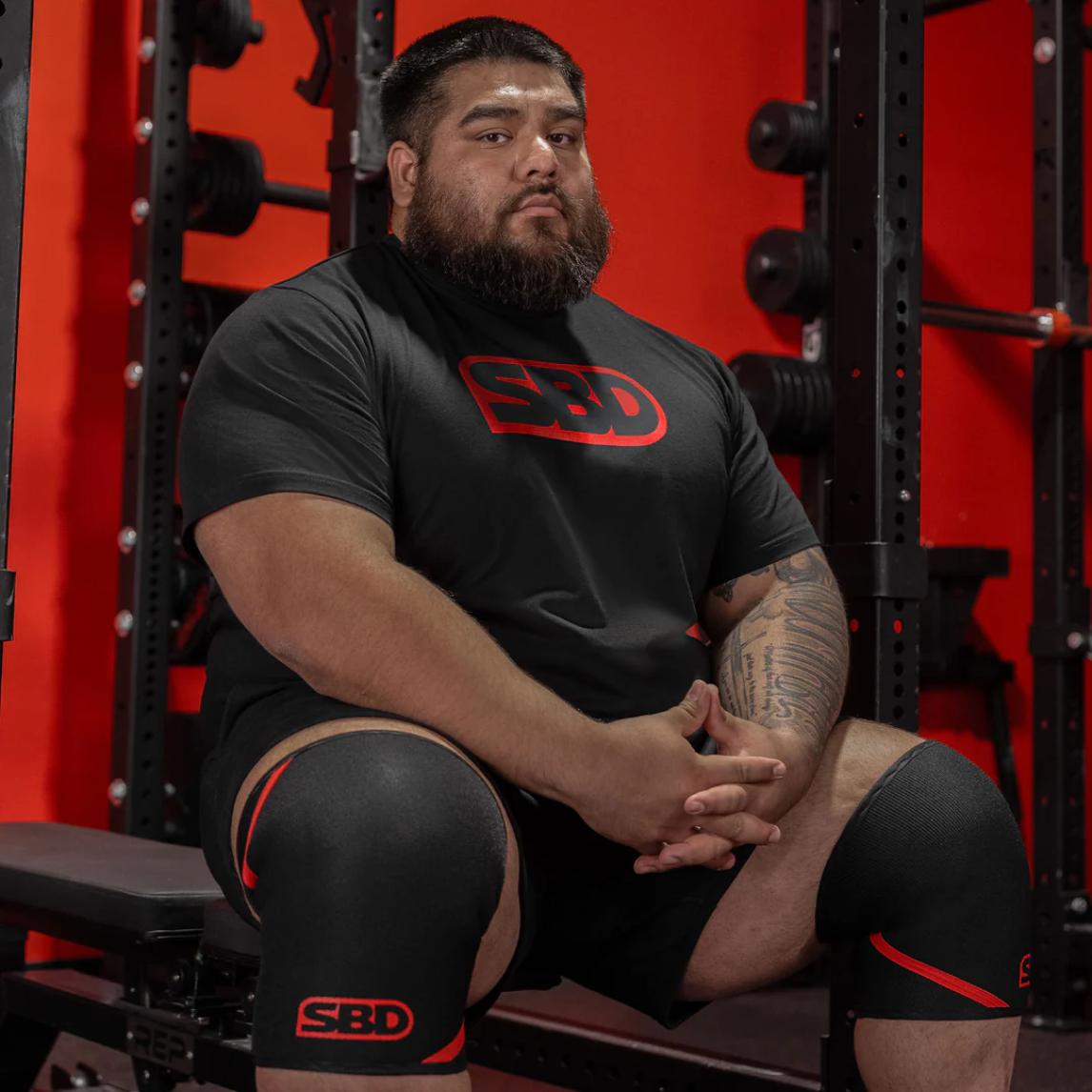

Asics Unisex Gel Volleyball Knee Pad
Asics's gel knee pad is the standard recommendation for competitive volleyball at the high school and collegiate level — the gel padding provides genuine impact absorption that foam alone can't match, and the wrap design stays in place through dives and slides without creeping down the leg. The padding is positioned correctly for the most common impact zone (front of the knee, slightly below the kneecap). The fit is secure enough to stay put on hard dives but not so constrictive that it restricts circulation during long rallies. These have earned their reputation as the default quality knee pad recommendation for serious players.
0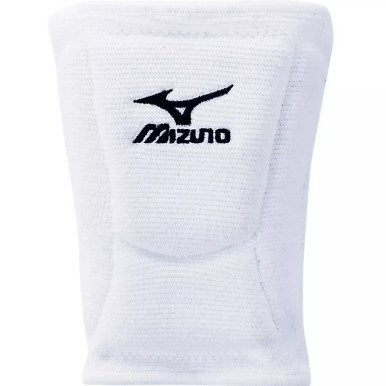
The Mizuno LR6 is designed for players who dive repeatedly — liberos and defensive specialists who spend significant time on the floor. The LR6 uses a thicker padding profile than the standard LR version and adds side panels that protect against the lateral slides that liberos frequently make. The reinforced knee cap area handles repeated court contact better than standard foam pads. The trade-off is that they're bulkier than minimal pads — this is not the pad for setters or hitters who rarely hit the floor. For liberos and defensive specialists in competitive play, the LR6 is the correct functional choice.
0
Nike Fundamentals Volleyball Knee Pad
Nike's Fundamentals knee pad is cut thinner and positioned for players who need some protection but prioritize movement — hitters, setters, and middle blockers who need full knee flexion for approaches and jumps. The foam is adequate for the occasional floor contact these positions make without the bulk that would restrict jumping mechanics. The fit system holds them in place for normal positional play. If you're a back-row specialist or libero, these aren't thick enough. But for front-row players who want knee protection without feeling like they're wearing substantial padding, Nike Fundamentals works.
0Subscribe to our newsletter
Occasional updates and new releases — no spam.
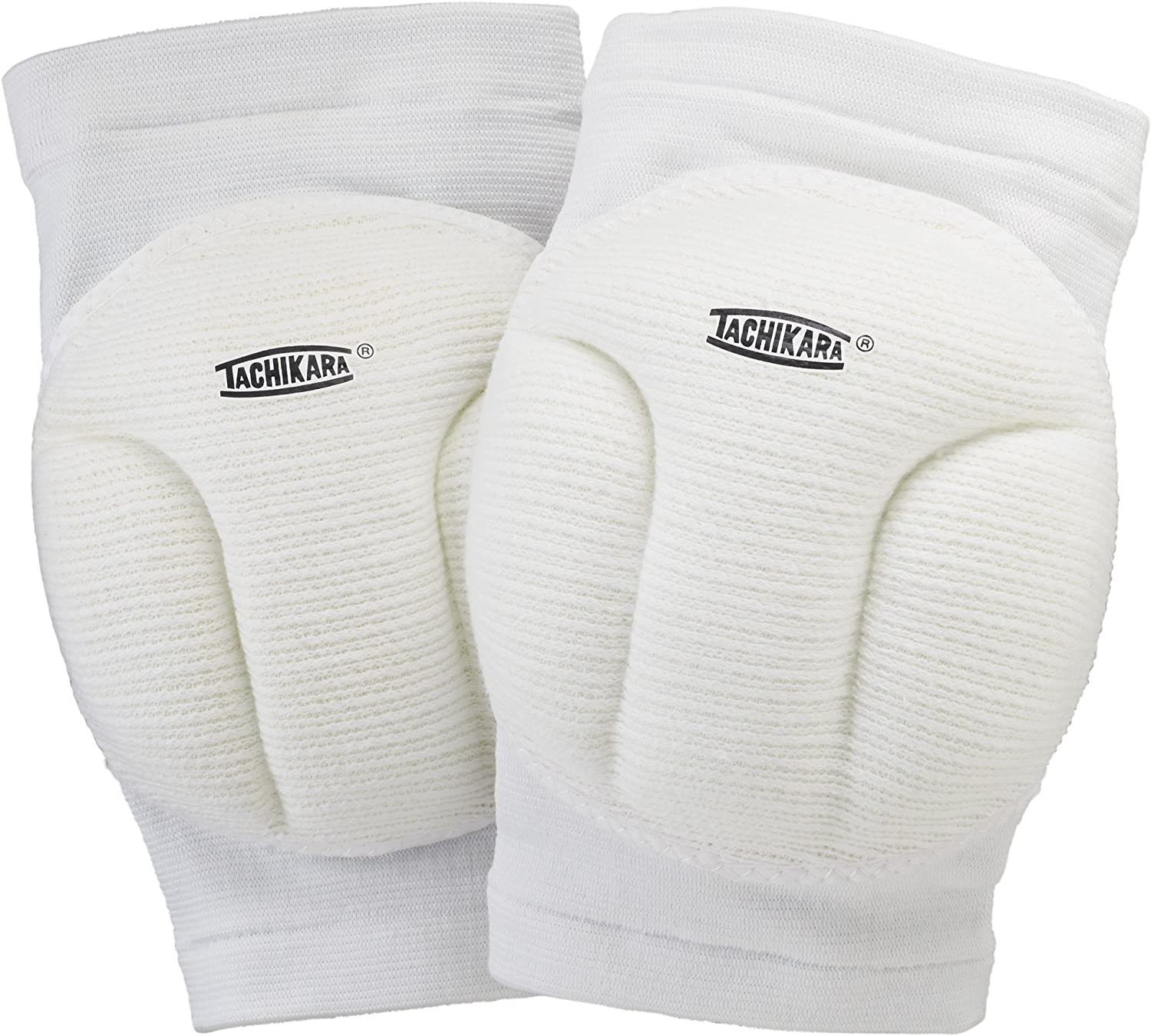
Tachikara knee pads represent the accessible end of volleyball protection — adequate foam padding, stays in place reasonably well, covers the necessary area. They're the correct choice for recreational players, youth beginners, and anyone who plays 1-2 times per week and doesn't need competitive-grade protection. The padding is thinner than Asics or Mizuno gear, which means they're fine for light floor contact but won't protect adequately in intense diving situations. For the recreational player or youth league participant, these provide functional protection at a price that makes sense.
0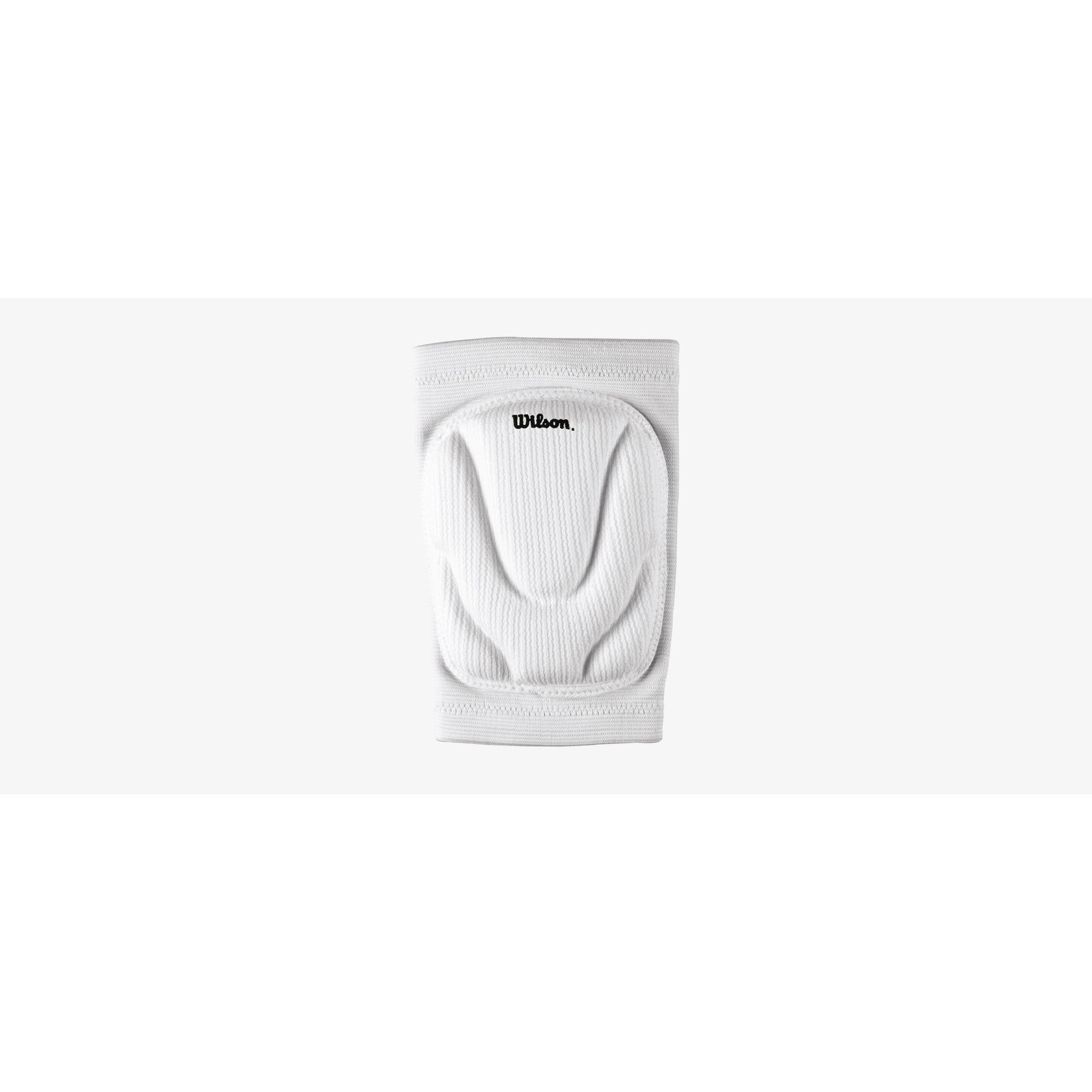
Wilson's volleyball knee pads sit between budget and premium — more padding than Tachikara, less bulk than Mizuno LR6, and a price that represents reasonable value for high school and club players who want better than entry-level without paying for professional-grade gear. The EVA foam padding provides good shock absorption for most court contact. The compression fit keeps them positioned correctly through normal play. For competitive high school players or adult recreational players who play 3+ times per week and want reliable protection, Wilson is a sensible mid-range choice.
0Which one is right for you?
Best Overall Volleyball Knee Pad
Asics Unisex Gel Volleyball Knee Pad
Asics's gel knee pad is the standard recommendation for competitive volleyball at the high school and collegiate level — the gel padding absorbs repeated floor contact without restricting movement.
Best for Libero Players
Mizuno LR6 Volleyball Knee Pad
The Mizuno LR6 is designed for players who dive repeatedly — liberos and defensive specialists who spend significant time on the floor and need coverage that stays in place through repeated dives.
Best for Hitters and Setters
Nike Fundamentals Volleyball Knee Pad
Nike's Fundamentals knee pad is cut thinner and positioned for players who need some protection but prioritize movement — hitters and setters who want coverage without the bulk of a full gel pad.
Best Budget Knee Pad
Tachikara Volleyball Knee Pad
Tachikara knee pads represent the accessible end of volleyball protection — adequate foam padding, and they stay in place reasonably well.
Best Mid-Range Option
Wilson Volleyball Knee Pads
Wilson's volleyball knee pads sit between budget and premium — more padding than Tachikara, less bulk than Mizuno LR6, and a price that fits most club and school budgets.
How to Choose Volleyball Knee Pads
Position, padding thickness, and fit retention are the three factors that determine whether knee pads actually protect you.
Bottom line
For competitive players who dive regularly, Asics Gel pads are the standard for good reason. Mizuno LR6 is specifically right for liberos and defensive specialists who need maximum protection. Nike Fundamentals serves hitters and setters who need minimal-bulk pads for jump mechanics. The most important thing to avoid is wearing pads that slip — a pad sitting on your shin during a dive is worse than no pad. Try them on and pull-test before committing.
Frequently asked questions
Should volleyball knee pads be tight?▼
How long do volleyball knee pads last?▼
Can I wear volleyball knee pads on both knees?▼
Are volleyball knee pads good for other sports?▼
Prices change. Check the retailer for the current price.
Comments & questions
Discussion happens on nattzy, our community forum. Sign in with Google to post — it takes a second.
Related articles
Best Gym Bag 2026: Wet/Dry, Backpack vs Duffel, Sizing
Best Water Bottle 2026: Stanley vs Hydro Flask vs Thermos
Best Air Purifier 2026: 5 models compared honestly

ConoHa WING review (2026): setup, speed and pricing
Best JP rental server 2026: 5 hosts ranked
Best LED Face Masks 2026: 3 Light Therapy Devices Compared