Best Weightlifting Shoes 2026: 5 for Squats & Cleans
Weightlifting shoes exist to solve one problem: the ankle mobility required for a deep squat doesn't match what most people's Achilles tendons allow. A raised heel compensates, letting you hit depth with a more upright torso. The secondary benefit is a rigid sole that transfers force directly to the floor — running shoes compress and absorb energy that should be going into the bar. Once you've squatted heavy in proper lifting shoes, flat shoes feel like squatting in sand.
Quick answer
The Nike Romaleos 4 is the default: a 22mm heel that matches the weightlifting standard, dual velcro straps that lock the midfoot with zero movement, a hard TPU sole with no give, and wide widths for broader feet. The Adidas Adipower 3 raises the heel to 24mm on a narrow last for snatch and clean and jerk positions, the Reebok Legacy Lifter 3 flexes enough for CrossFit, the Inov-8 Fastlift Power G 380 weighs 380g with a graphene outsole, and Do-Win costs under $80.
This comparison is desk research. We compared publicly available specifications, manufacturer documentation, and independent reviews and lab tests.

Nike Romaleos 4 Weightlifting Shoes
Best Overall: The Romaleos 4 is the shoe most competitive lifters default to when they don't have a strong brand preference. The 22mm heel is the standard for Olympic weightlifting, the toe box is wide enough for most feet without feeling loose, and the dual velcro straps lock the midfoot securely.
Top picks ↓| Product | Price | Link |
|---|---|---|
| $200.00Reference price | ||
| $230Reference price | ||
| $220.00Reference price | ||
| $210.00Reference price | ||
| $95.00Reference price |
Top picks
Related articles
The Romaleos 4 is the shoe most competitive lifters default to when they don't have a strong brand preference. The 22mm heel is the standard for Olympic weightlifting, the toe box is wide enough for most feet without feeling loose, and the dual velcro straps lock the midfoot securely. Nike's construction quality is consistent across sizes. The sole is hard TPU — no give at all, which is what you want. Available in wide widths, which matters for lifters with broader feet.
Pros
- ✓Dual velcro straps lock foot with zero movement
- ✓22mm heel raise suits most squat depths
- ✓Breathable mesh upper reduces heat buildup
Cons
- ✗Wide fit — may feel loose on narrow feet
- ✗Premium price for recreational lifters

The Adipower runs narrower than the Romaleos and has a higher 24mm heel drop — both characteristics that appeal to Olympic-style lifters who want a more aggressive forward lean position for snatches and clean & jerks. The TPU heel counter is exceptionally rigid. If your primary focus is the snatch and clean & jerk rather than powerlifting squats, the extra 2mm of heel elevation makes a noticeable difference in ankle flexibility. Single strap rather than dual, but the fit is secure.
Pros
- ✓24mm heel — highest for deep squat access
- ✓Narrow last locks the midfoot precisely
- ✓TPU heel block transfers force directly
Cons
- ✗Narrow fit won't work for wider feet
- ✗Higher heel requires adaptation period
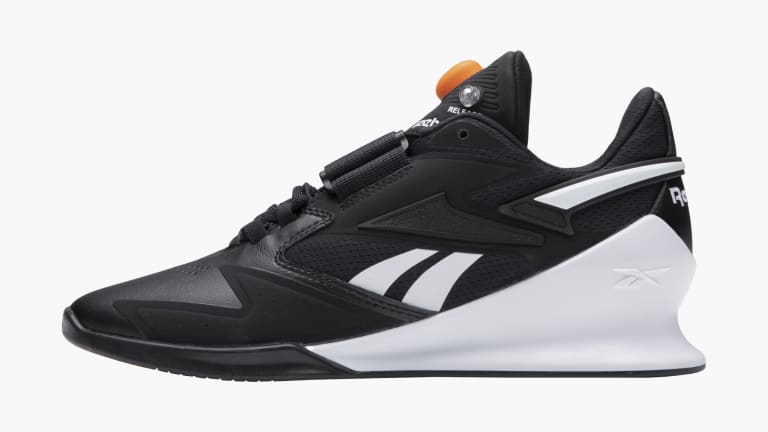
The Legacy Lifter sits between a pure weightlifting shoe and a training shoe. The 22mm heel matches the standard, but the construction allows slightly more lateral flex than the Romaleos or Adipower — which is useful in CrossFit where you might go directly from barbell work into box jumps without changing shoes. Popular in the competitive CrossFit community as a result. Wide toe box, dual strap, and a robust upper that holds up to varied training demands.
Pros
- ✓22mm heel works for both Olympic lifts and gym training
- ✓Wide toe box fits CrossFit athletes' feet
- ✓Dual-use shoe at a reasonable price
Cons
- ✗Heavier than pure Olympic lifting shoes
- ✗Less specialized than Adipower for competition
Subscribe to our newsletter
Occasional updates and new releases — no spam.

Inov-8 uses graphene in the outsole compound to achieve a harder-than-standard surface without the weight penalty. At 380g per shoe, it's the lightest competition-viable lifting shoe. The 20mm heel is 2mm lower than the Nike/Adidas standard — this suits lifters with naturally good ankle mobility who find higher heels push them too far forward. Strong choice for lifters who travel to competitions and want to minimize pack weight.
Pros
- ✓Graphene outsole harder and lighter than standard rubber
- ✓Faster transitions between lifts
- ✓Narrower profile reduces weight significantly
Cons
- ✗Priciest option in the category
- ✗Less heel support at very heavy loads
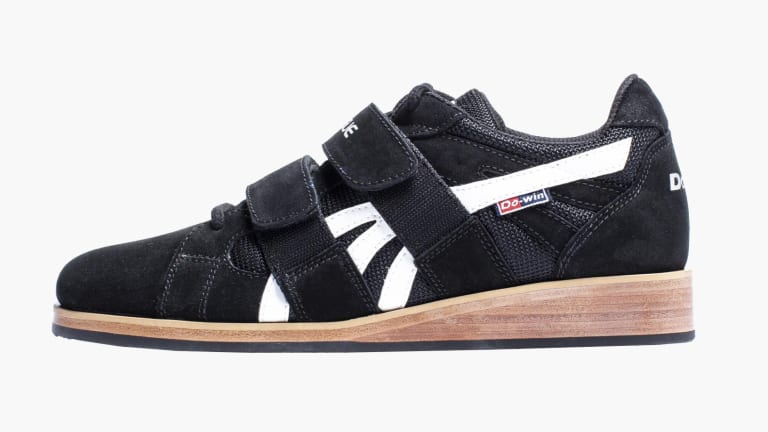
Do-Win is the open secret in weightlifting — a Chinese-manufactured shoe used by US national team members who compete in them under different brand names (American Barbell, Rogue, etc. have all sold Do-Win-manufactured shoes). The construction uses a solid wood heel block at 20mm, metatarsal strap, and a flat-soled design approved for competition. Half the price of Nike or Adidas with comparable functional performance. The upper is less refined and won't last as long, but as a first lifting shoe it's outstanding value.
Pros
- ✓Used by US national team members
- ✓Under $80 — fraction of Nike/Adidas price
- ✓Traditional heel block and strap design
Cons
- ✗Limited availability outside specialty retailers
- ✗Finish quality lower than premium options
Which one is right for you?
Competitive Olympic weightlifters focused on snatch and clean
Adidas Adipower 3 Weightlifting Shoes
The 24mm heel — highest in the category — gives the forward-lean position snatches and clean & jerks demand, with a rigid TPU block that wastes zero force.
CrossFit athletes who hate swapping shoes mid-WOD
Reebok Legacy Lifter 3
Slight lateral flex lets you go from barbell work straight into box jumps without changing shoes, unlike stiffer pure lifting shoes.
Serious lifters buying their first dedicated pair
Nike Romaleos 4 Weightlifting Shoes
Wide toe box, dual-strap lockdown, and Nike's consistent sizing make it the safest all-around choice with no guesswork on fit.
Lifters who travel to competitions with carry-on only
Inov-8 Fastlift Power G 380
At 380g per shoe, the graphene outsole sheds significant pack weight compared to TPU alternatives without sacrificing floor rigidity.
Beginners testing weightlifting shoes before committing
Do-Win Weightlifting Shoes
Under $80 with a competition-approved wood heel block — proven by US national team members — means you get real performance without a premium gamble.
Weightlifting Shoes Buying Guide: Heel Height, Sole, and Fit
Heel height and sole rigidity are the two specs that determine whether a lifting shoe works for you. Everything else is secondary.
Bottom line
For most lifters, the Romaleos 4 is the right starting point — it fits the widest range of foot shapes, the heel height is competition standard, and Nike's sizing consistency makes online ordering reliable. The Adipower 3 is worth it if Olympic lifting is your primary focus. Do-Win is the answer if you want to try lifting shoes without a major financial commitment.
Frequently asked questions
Do I need weightlifting shoes for squats?▼
Can I use weightlifting shoes for deadlifts?▼
How long do weightlifting shoes last?▼
What heel height should I start with?▼
Can women use men's weightlifting shoes?▼
Prices change. Check the retailer for the current price.
Comments & questions
Discussion happens on nattzy, our community forum. Sign in with Google to post — it takes a second.
Related articles
Top 5 Best Basketball Shoes 2026 by Position & Budget
Best Wrestling Shoes 2026: Grip, Ankle Support, and Mat Feel
Best Coffee Grinders 2026: Five mills side-by-side

Best Electric Toothbrush 2026: 5 models compared honestly
Best Air Purifier 2026: 5 models compared honestly

ConoHa WING review (2026): setup, speed and pricing