Migliori cinture da powerlifting 2026
Una cintura da powerlifting non ti rende più forte — offre al core qualcosa contro cui esercitare pressione, permettendoti di esprimere la forza che hai già costruito. La gamma di peso e la qualità costruttiva determinano il valore a lungo termine molto più degli elenchi di funzioni.
In breve
L'Inzer Forever Lever Belt è il punto di riferimento: cuoio conciato al vegetale a strato singolo da 10 mm, largo 4 pollici, con una leva che, una volta regolata, si chiude esattamente allo stesso modo a ogni serie, approvato IPF e coperto da garanzia a vita. Il Rogue Ohio Lifting Belt rinuncia a questo in cambio della flessibilità di una fibbia ad ardiglione che puoi stringere di più per un massimale, lo SBD Lever Belt arriva ai 13 mm, il massimo consentito dall'IPF, per le gare, Dark Iron Fitness costa 50-70 dollari e richiede un rodaggio minimo, e l'Harbinger Foam Core è adatto al lavoro in front rack nel sollevamento olimpico.
Questo confronto si basa su ricerca documentale: specifiche pubblicate, documentazione del produttore, test e recensioni indipendenti.
Il migliore in assoluto: La Forever Lever è il metro di paragone con cui si misura ogni altra cintura da powerlifting. Pelle conciata al vegetale monostrato, spessore 10 mm e larghezza 10 cm, con chiusura a leva che scatta con un clic soddisfacente e si apre con una sola pressione del pollice.
Nessun negozio partner qui: si apre una ricerca su Amazon.
I nostri consigli
Articoli correlati
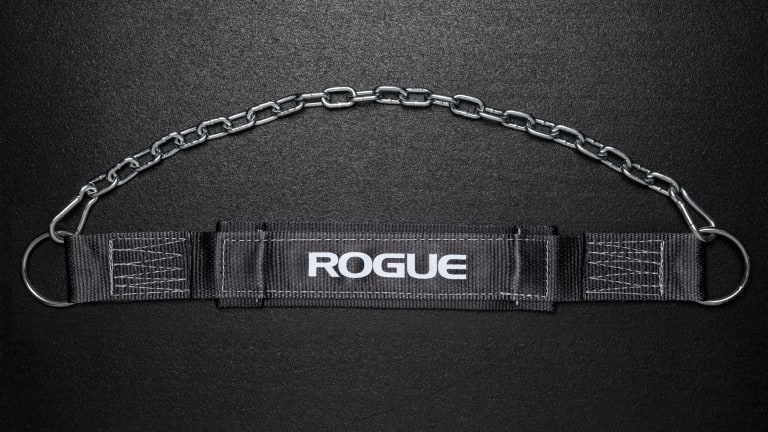

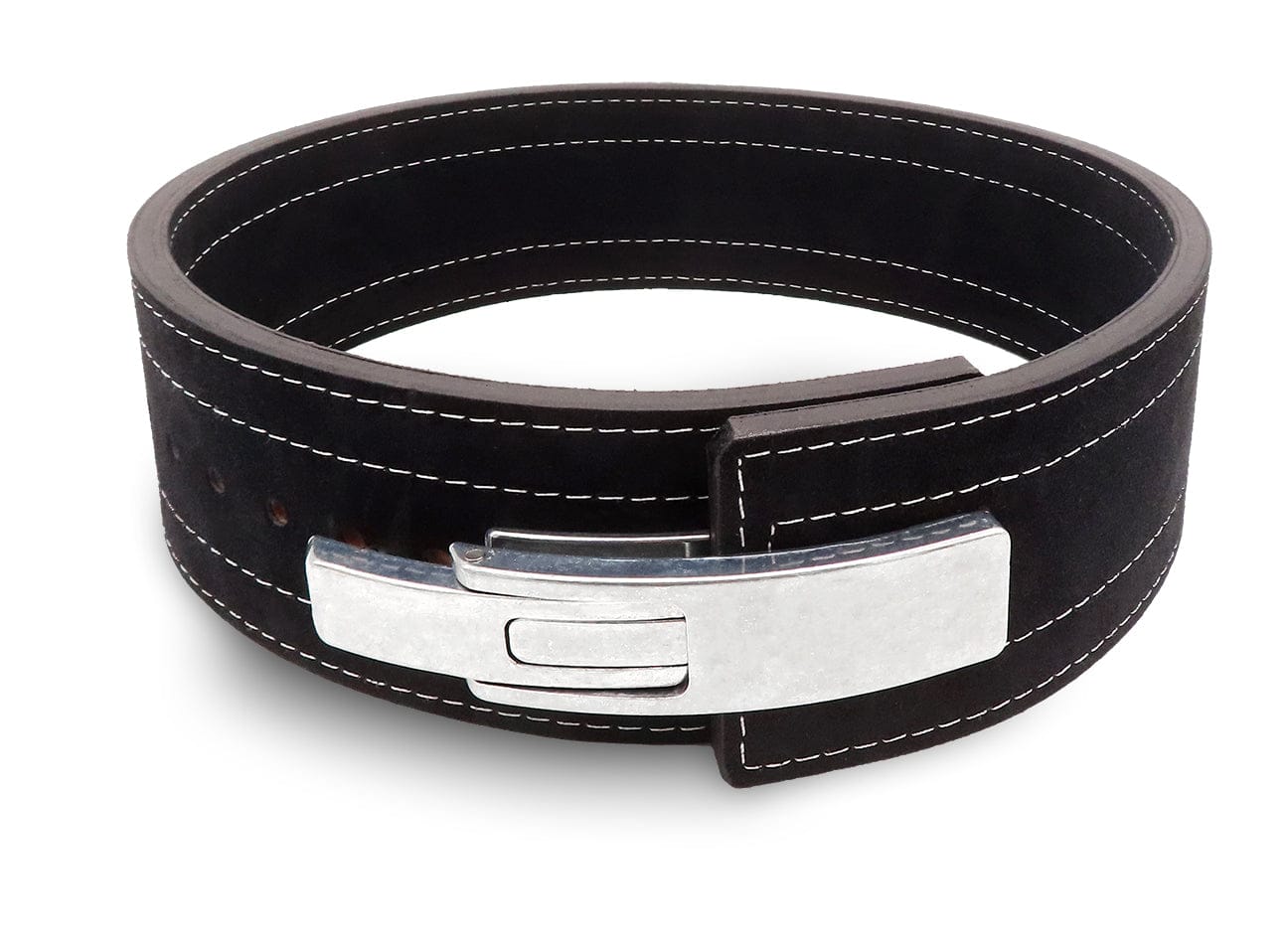
Inzer Advance Designs Forever Lever Belt (10mm)
Approvata IPF, fibbia a leva, garanzia a vita
La Forever Lever è il metro di paragone con cui si misura ogni altra cintura da powerlifting. Pelle conciata al vegetale monostrato, spessore 10 mm e larghezza 10 cm, con chiusura a leva che scatta con un clic soddisfacente e si apre con una sola pressione del pollice. Una volta regolata la leva sulla tua circonferenza vita a casa, ogni allenamento inizia con la stessa aderenza, identica ogni volta: niente più armeggiare con gli ardiglioni tra una serie pesante e l'altra. È omologata IPF per l'uso in gara, prodotta negli Stati Uniti e coperta da garanzia a vita. Lo spessore di 10 mm è quello giusto per la maggior parte dei powerlifter raw: abbastanza rigido per una spinta addominale seria, non al punto da ostacolare la profondità dello squat o la flessione dell'anca. Metti in conto 4-6 settimane reali di rodaggio prima che la pelle si ammorbidisca e prenda la forma del busto: scomoda all'inizio, perfettamente sagomata dopo.
Punti di forza
- ✓La chiusura a leva garantisce la stessa aderenza a ogni serie
- ✓Omologata IPF per le gare
- ✓Garanzia a vita e produzione statunitense
- ✓Lo spessore di 10 mm si adatta alla maggior parte degli atleti raw
Punti deboli
- ✗Lungo rodaggio di 4-6 settimane
- ✗Per regolare la leva bisogna svitare la fibbia
Nessun negozio partner qui: si apre una ricerca su Amazon.
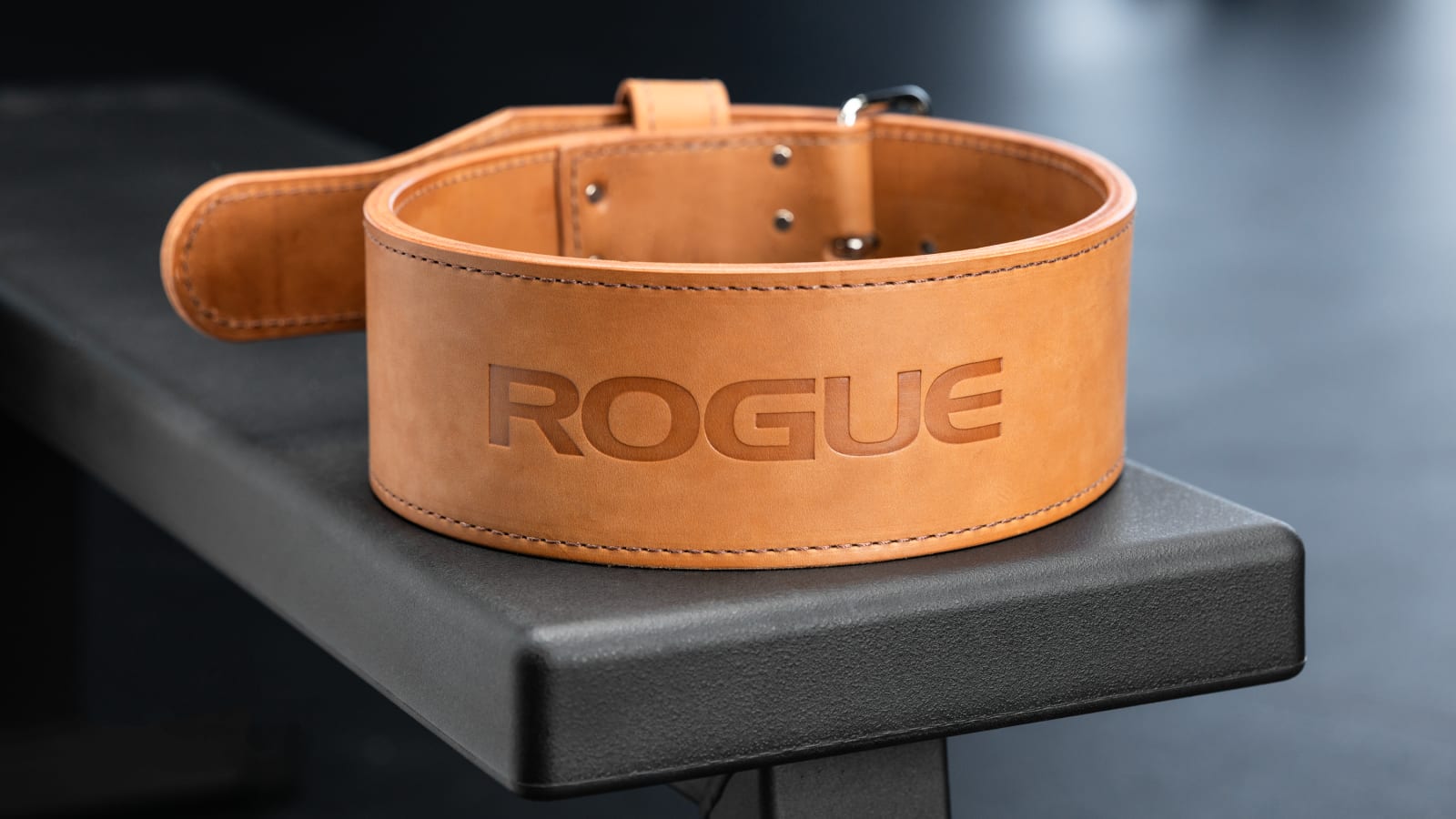
Rogue Ohio Lifting Belt (10mm)
Perno singolo o doppio, prodotta negli USA
La Rogue Ohio Lifting Belt è in pelle da 10 mm di spessore con fibbia a uno o due ardiglioni, larga 10 cm, ed è la cintura senza leva più diffusa nelle palestre di forza serie. La chiusura ad ardiglione offre più libertà di regolazione rispetto alla leva: puoi usare un foro più largo durante il riscaldamento e stringere progressivamente verso il massimale, cosa che conta nelle sedute lunghe, dove la circonferenza della vita cambia con il cibo e l'idratazione. Rogue la cuce a Columbus, in Ohio, con filo rinforzato su tutti i bordi sotto carico, e la fibbia a rullo in acciaio resta al suo posto sotto sforzo invece di ruotare e allentarsi. Il rodaggio è medio: circa 2-4 settimane prima che la pelle smetta di sembrare cartone. La versione a un ardiglione è più rapida tra le serie ed è la scelta standard per l'allenamento quotidiano; quella a due ardiglioni aggiunge sicurezza al prezzo di un setup più lento.
Punti di forza
- ✓Regolazione flessibile con uno o due ardiglioni
- ✓Cuciture rinforzate sui bordi sotto carico
- ✓Rodaggio più rapido rispetto alle cinture da gara con leva
- ✓La fibbia a rullo in acciaio resta salda sotto carico
Punti deboli
- ✗Non omologata IPF in tutte le configurazioni
- ✗L'ardiglione è più lento della leva tra le serie pesanti
Nessun negozio partner qui: si apre una ricerca su Amazon.

SBD Lever Belt (13mm)
13mm, standard competizione IPF, 7 taglie
La SBD Lever Belt ha uno spessore di 13 mm, il massimo consentito in gara IPF, ed è realizzata in pelle monostrato rigida con il meccanismo a leva integrato direttamente nel corpo della cintura anziché applicato sopra. È la cintura più indossata ai Campionati Mondiali IPF e nelle gare internazionali di powerlifting raw, e non a caso: a 13 mm la superficie di appoggio contro il core sotto carichi massimali è nettamente più consistente rispetto alle soluzioni da 10 mm, e gli atleti d'élite riportano con costanza guadagni misurabili nei tentativi al massimale. Nell'allenamento quotidiano è meno confortevole della Inzer: più che rodarla, è lei a rodare te. Molti atleti seri tengono una cintura più morbida per il lavoro complementare e riservano la SBD alla preparazione gara e ai massimali. Disponibile in 7 taglie, per una vestibilità precisa invece della logica della taglia unica.
Punti di forza
- ✓13 mm offrono la massima superficie di spinta consentita
- ✓La leva integrata resta più piatta rispetto ai modelli applicati
- ✓Standard di fatto ai Campionati Mondiali IPF
- ✓Sette taglie per una vestibilità precisa
Punti deboli
- ✗Prezzo premium oltre i 200 €
- ✗Meno confortevole della 10 mm per l'allenamento quotidiano
Nessun negozio partner qui: si apre una ricerca su Amazon.
Iscriviti alla newsletter
Novità e aggiornamenti occasionali, senza spam.

Dark Iron Fitness Genuine Leather Belt
10mm vera pelle, nessuna approvazione per competizione necessaria
La Dark Iron Fitness Genuine Leather Belt è in pelle bovina da 10 mm di spessore, larga 10 cm, con fibbia a rullo a due ardiglioni. Non è omologata IPF e la pelle è visibilmente più morbida di quella di Inzer o SBD già dal primo giorno: risulta quindi subito più confortevole, ma offre una superficie di spinta leggermente inferiore sotto carichi massimali. Per l'allenamento di forza generale al 70-90% dell'intensità (squat, stacchi, spinte sopra la testa nei range di lavoro abituali) il supporto è più che sufficiente, e la pelle più morbida evita gran parte del doloroso rodaggio di settimane che richiedono le cinture da gara. I due ardiglioni allungano i tempi di chiusura rispetto a una leva, ma sono in acciaio abbastanza spesso da non piegarsi nel tempo, punto debole tipico delle cinture davvero economiche. La scelta giusta per chi non gareggia e vuole vera pelle senza pagare il sovrapprezzo.
Punti di forza
- ✓Vera pelle nella fascia 50-70 €
- ✓Richiede un rodaggio minimo
- ✓Ardiglioni in acciaio spessi, resistenti alla piegatura
- ✓Adeguata per allenamenti sotto l'intensità da gara
Punti deboli
- ✗Non omologata IPF per le gare
- ✗La pelle più morbida offre meno superficie di spinta al massimale
Nessun negozio partner qui: si apre una ricerca su Amazon.

Harbinger Foam Core Belt (4-Inch)
Nucleo in schiuma, migliore per principianti e sollevamento olimpico
La Harbinger Foam Core Belt è costruita in modo del tutto diverso dalle cinture in pelle: esterno in nylon, imbottitura interna in schiuma a celle chiuse e fibbia in acciaio, larga 10 cm, morbida fin dal primo utilizzo e senza alcun rodaggio. Non è una cintura da powerlifting, perché manca un nucleo rigido in pelle contro cui spingere ai carichi massimali, ma offre un sostegno lombare reale per l'allenamento in palestra ed è adatta al sollevamento olimpico, dove la parte anteriore della cintura deve essere sottile per non ostacolare la ricezione in front rack nelle girate. Le cinture in pelle, con i loro 10 cm pieni di larghezza, possono interferire con la posizione di ricezione; la schiuma della Harbinger si comprime leggermente e resta fuori dai piedi. Sotto i 30 €, è la porta d'ingresso all'uso della cintura e permette ai principianti di costruire la tecnica di spinta addominale prima di passare a una cintura rigida da gara.
Punti di forza
- ✓La costruzione morbida in schiuma non richiede rodaggio
- ✓Non ostacola la ricezione in front rack nei sollevamenti olimpici
- ✓Prezzo d'ingresso sotto i 30 €
- ✓Sostegno lombare per il lavoro generale in palestra
Punti deboli
- ✗Rigidità insufficiente per il powerlifting al massimale
- ✗Va sostituita quando i carichi aumentano
Nessun negozio partner qui: si apre una ricerca su Amazon.
Per chi è?
Per i powerlifter che vogliono una cintura per sempre
Inzer Advance Designs Forever Lever Belt (10mm)
Aderenza costante bloccata dalla leva, omologazione IPF e garanzia a vita ne fanno la scelta più sicura per chi punta sul sollevamento serio a lungo termine.
Per chi cambia la stretta da seduta a seduta
Rogue Ohio Lifting Belt (10mm)
La chiusura ad ardiglione permette fori più larghi in riscaldamento e una stretta progressiva verso i massimali, utile quando la circonferenza della vita varia nelle sedute lunghe.
Per le gare di powerlifting ad alto livello
SBD Lever Belt (13mm)
I 13 mm, massimo consentito dall'IPF, offrono più superficie di spinta contro il core, con guadagni misurabili nei tentativi al massimale nelle gare delle federazioni con controlli antidoping.
Per atleti di forza che non gareggiano e hanno un budget
Dark Iron Fitness Genuine Leather Belt
Vera pelle da 10 mm a 50-70 € con rodaggio minimo: copre gli allenamenti al 70-90% dell'intensità senza pagare il sovrapprezzo delle cinture da gara.
Per principianti e sollevatori olimpici
Harbinger Foam Core Belt (4-Inch)
La costruzione in schiuma senza rodaggio sostiene la zona lombare senza ostacolare la ricezione in front rack richiesta da girate e slanci.
Inzer Advance Designs Forever Lever Belt (10mm) — Migliore in assoluto
La cintura Forever di Inzer è il riferimento con cui vengono misurate tutte le altre cinture da powerlifting. È in pelle monoplato concia vegetale da 10mm di spessore, larga 4 pollici, e utilizza una fibbia a leva che si chiude con uno scatto soddisfacente e si apre con una pressione del pollice. Per l'uso in competizione, è approvata dalla IPF.
La chiusura a leva significa setup rapido tra le serie — nessun perno da infilare, nessuna regolazione per trovare il foro giusto. Una volta impostata la leva sulla tua misura vita a casa, ottieni la stessa vestibilità stretta ad ogni sessione senza doverci pensare. Il periodo di rodaggio è reale: aspettati 4-6 settimane di utilizzo rigido e scomodo prima che la pelle si ammorbidisca e si adatti alla forma del torso.
È prodotta negli USA e venduta con garanzia a vita. Lo spessore da 10mm è adatto alla maggior parte dei powerlifter raw — abbastanza spessa per un supporto serio, non così rigida da limitare i movimenti per la profondità dello squat. Se gareggi in IPF o USAPL, questa cintura soddisfa tutti gli standard federali.
Rogue Ohio Lifting Belt (10mm) — Migliore cintura a perno
La cintura Ohio di Rogue ha 10mm di spessore in pelle con una fibbia a perno singolo in acciaio inossidabile, larga 4 pollici, disponibile sia in configurazione a perno singolo che doppio. Non è approvata dalla IPF in tutte le configurazioni, ma è una delle cinture più utilizzate nelle palestre di forza per la qualità costruttiva e la durata.
La chiusura a perno offre più regolabilità di una leva — puoi affinare la vestibilità buco per buco a seconda che tu stia riscaldando in modo allentato o cercando la massima trazione per un tentativo massimale. Il compromesso è il tempo tra le serie. Il perno singolo è più veloce del doppio, e la maggior parte dei sollevatori sceglie il singolo per l'allenamento quotidiano.
Rogue cuce la cintura a Columbus, Ohio usando filo rinforzato su tutti i bordi portanti. La fibbia a rullo in acciaio non ruota sotto carico, il che impedisce alla cintura di allentarsi a metà serie. Il rodaggio è moderato — circa 2-4 settimane prima che smetta di sembrare cartone. Una buona scelta se vuoi l'affidabilità della produzione Rogue senza impegnarti con una leva.
SBD Lever Belt (13mm) — Migliore per la competizione
La cintura a leva di SBD ha 13mm di spessore — il massimo consentito nelle competizioni IPF — realizzata in pelle monoplato rigida con un meccanismo a leva integrato che si attacca direttamente al corpo della cintura piuttosto che sovramettersi. È la cintura più indossata ai Campionati del Mondo IPF e agli incontri internazionali di powerlifting raw.
A 13mm è notevolmente più rigida delle opzioni da 10mm. Quella rigidità extra si traduce direttamente in superficie di supporto per il core ai carichi massimali, motivo per cui i sollevatori d'elite la scelgono per le competizioni. L'allenamento quotidiano è meno comodo — questa cintura non si rodano tanto quanto ti abitua essa stessa. Molti sollevatori tengono una cintura più morbida per il lavoro accessorio e riservano la SBD per i tentativi pesanti.
La leva si rilascia con una pressione ferma sul lato piuttosto che al centro della fibbia, il che alcuni sollevatori trovano più veloce rispetto ai design a leva tradizionali. Disponibile in 7 taglie per una vestibilità corretta piuttosto che un aggiustamento one-size. Il prezzo è significativo — oltre US$200 — ma è l'ultima cintura che la maggior parte dei powerlifter seri acquista mai.
Dark Iron Fitness Genuine Leather Belt — Migliore pelle economica
La cintura in pelle di Dark Iron utilizza vera pelle bovina a 10mm di spessore, larga 4 pollici, con una fibbia a rullo a doppio perno. Non è approvata dalla IPF e la pelle è più morbida di Inzer o SBD fin dal primo giorno, il che significa che è più comoda immediatamente ma offre una superficie di supporto leggermente minore ai carichi massimali.
Per l'allenamento della forza generale — stacchi, squat e distensioni sopra la testa nella gamma di intensità 70-90% — il supporto è più che adeguato. La pelle più morbida salta la maggior parte del dolore del rodaggio. La sentirai adattarsi al torso nelle prime sessioni piuttosto che nel processo di settimane richiesto dalle cinture da competizione più rigide.
La doppia fibbia a perno richiede più tempo per essere allacciata rispetto a una leva, ma i perni in acciaio sono abbastanza spessi da non piegarsi nel tempo, che è un punto di rottura comune nelle cinture veramente economiche. Il prezzo è nella fascia US$50-70, rendendola l'opzione in vera pelle più accessibile per chi non prevede di gareggiare.
Harbinger Foam Core Belt (4 pollici) — Migliore per i principianti
La cintura con nucleo in schiuma di Harbinger è costruita diversamente dalle cinture in pelle: utilizza un esterno in nylon con imbottitura in schiuma a cellule chiuse e una fibbia in acciaio. È larga 4 pollici, morbida dal momento in cui la indossi, e richiede zero rodaggio. Non è una cintura da powerlifting — non c'è un nucleo in pelle rigida contro cui fare pressione — ma fornisce un vero supporto lombare per l'allenamento in palestra.
La costruzione in schiuma la rende appropriata per il sollevamento olimpico, dove la parte anteriore della cintura deve essere abbastanza sottile da non bloccare la posizione di ricezione nel clean and jerk. Le cinture in pelle con la loro larghezza completa di 4 pollici possono interferire con il rack frontale — la schiuma flessibile di Harbinger si comprime leggermente e rimane fuori dai piedi.
A meno di US$30 è il punto di ingresso per l'allenamento con la cintura. Per i principianti che imparano a esercitare correttamente la pressione intra-addominale, una cintura più morbida che non limita il movimento aiuta a sviluppare la tecnica prima di impegnarsi in una cintura rigida da competizione in pelle. Una volta che stai gestendo carichi più pesanti o pianifichi di gareggiare, vorrai passare alla pelle — ma questa cintura durerà anni di allenamento costante prima che ciò diventi necessario.
Domande frequenti
Devo prendere una cintura da 10mm o 13mm?▼
Cintura a leva vs cintura a perno — quale è meglio?▼
Quando dovrei iniziare a usare una cintura da powerlifting?▼
I prezzi cambiano. Verifica il prezzo attuale sul negozio.
Commenti e domande
La discussione avviene su nattzy, il nostro forum. Accedi con Google per partecipare.