Best Apple Cider Vinegar 2026: 5 Picks, Raw to Gummies
Five apple cider vinegars — from Bragg's raw unfiltered flagship to Goli's gummy format — covering classic ACV drinking, salad dressings, cooking applications, and supplement use. Bioavailability and consistency of intake outperform ingredient quantity on the label.
Quick answer
The best apple cider vinegar for most people is Bragg's raw unfiltered: USDA Organic, with visible mother strands, and consistent enough between batches to be the reference standard. If you cook with it in volume, the equivalent organic unfiltered alternative runs 15-20% cheaper per ounce. If the taste is the obstacle, Kevita's carbonated ACV drink with ginger and lemon makes a daily dose palatable.
We assessed each product on flavor profile, sourcing transparency, value per serving, packaging integrity, and how well it performed across common use cases. Documented certifications and verified user reviews were cross-checked against marketing claims.
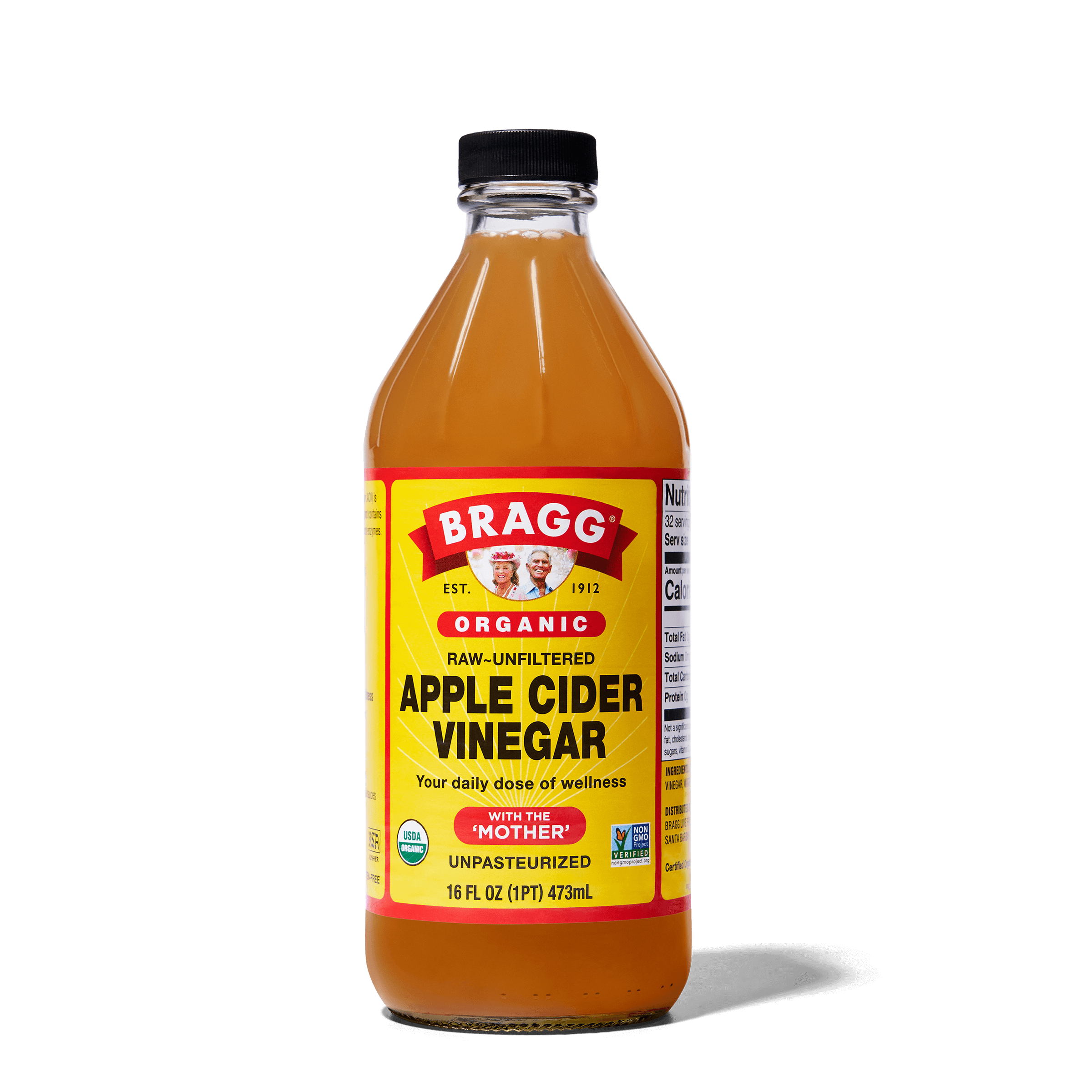
Bragg Organic Apple Cider Vinegar
Best Overall: Bragg remains the reference standard for raw ACV: unfiltered, USDA Organic, with visible mother strands that confirm active cultures. The sharp apple-forward flavor has more fermentation complexity than grocery-store alternatives, and the 32 oz bottle is priced competitively for daily tonic use.
Top picks ↓| Product | Price | Link |
|---|---|---|
| $9.99Reference price | ||
| $7.09Price as of 2026-09-24 | ||
| $3.99Reference price | ||
| $14.98Reference price | ||
| $8.99Reference price |
| Product | Serving size | Calories | Acidity | Mother | Organic | ACV per serving | Certifications |
|---|---|---|---|---|---|---|---|
| Bragg Organic Apple Cider Vinegar | 1 Tbsp (15 ml) | 0 kcal | 5% | yes | yes | 15 ml | USDA Organic, Non-GMO Project Verified, Kosher, Gluten-Free |
| Dynamic Health Organic Apple Cider Vinegar | 1 Tbsp (15 ml) | 0 kcal | 5% | yes | yes | — | USDA Organic, Non-GMO, Kosher, Halal (IFANCA), Gluten-Free, Vegan |
| Kevita Apple Cider Vinegar Tonic | 1 bottle (15.2 fl oz / 450 ml) | 40 kcal | — | — | yes | 2 Tbsp (30 ml) | USDA Organic, Non-GMO Project Verified, Gluten-Free, Kosher, Vegan |
| Goli Apple Cider Vinegar Gummies | 2 gummies | 25 kcal | — | — | no | 1000 mg | Vegan, Gluten-Free, Non-GMO, Gelatin-Free, Kosher |
| Fairchild's Organic Apple Cider Vinegar | 1 Tbsp (15 ml) | 5 kcal | 6.3% | yes | yes | 15 ml | USDA Organic, Kosher, Raw & Unfiltered, Gluten-Free |
Top picks
Related articles

The original raw unfiltered ACV — USDA Organic, Non-GMO Verified, with the mother, widely available at mainstream retail. Sharp apple-forward flavor with fermentation complexity. Best for the standard diluted tonic protocol and culinary use where robust ACV character is wanted. Most recognized brand in the category with consistent quality across batches.
Bragg remains the reference standard for raw ACV: unfiltered, USDA Organic, with visible mother strands that confirm active cultures. The sharp apple-forward flavor has more fermentation complexity than grocery-store alternatives, and the 32 oz bottle is priced competitively for daily tonic use. If you're undecided, this is the one to start with.
Pros
- ✓Unfiltered 'with the mother' — visible active cultures
- ✓USDA Organic and Non-GMO verified
- ✓Sharp, complex apple flavor preferred by tonic drinkers
Cons
- ✗Stronger flavor than most — needs dilution for beginners
Score breakdown
| Serving size | 1 Tbsp (15 ml) |
| Calories | 0 kcal |
| Acidity | 5% |
| Mother | yes |
| Organic | yes |
| ACV per serving | 15 ml |
| Certifications | USDA Organic, Non-GMO Project Verified, Kosher, Gluten-Free |
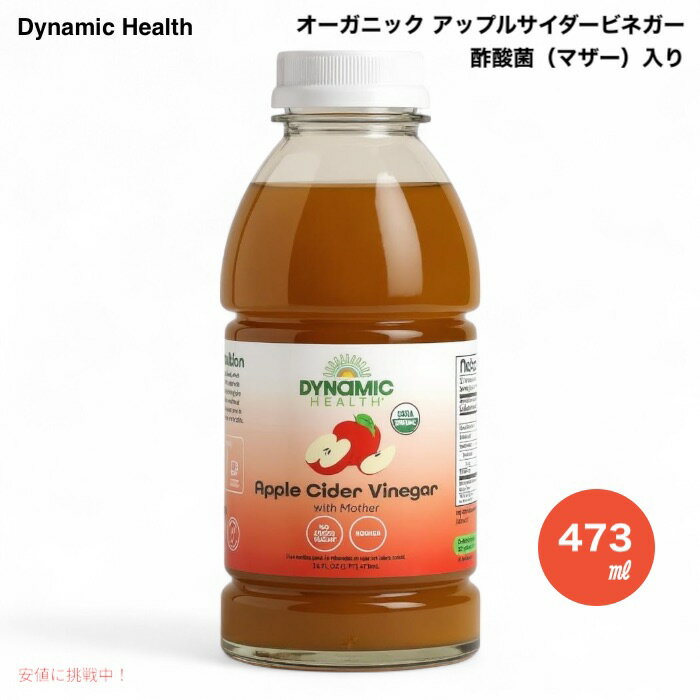
Best value raw unfiltered option — USDA Organic, with the mother, typically 15–20% cheaper per ounce than Bragg. Functionally equivalent for cooking and daily tonics. Best choice for high-volume culinary use where cost per ounce matters and brand recognition is secondary.
Functionally equivalent to Bragg — USDA Organic, unfiltered, with the mother — but typically 15–20% cheaper per ounce. The apple sourcing is less specified and the flavor is slightly less complex, but for high-volume cooking and daily tonics where cost per ounce matters, Dynamic Health closes the gap without meaningful trade-offs.
Pros
- ✓Lowest cost per ounce among organic unfiltered options
- ✓USDA Organic, unfiltered, with the mother
- ✓Solid value for high-volume cooking use
Cons
- ✗Less sourcing transparency than Fairchild's or Bragg
Score breakdown
| Serving size | 1 Tbsp (15 ml) |
| Calories | 0 kcal |
| Acidity | 5% |
| Mother | yes |
| Organic | yes |
| Certifications | USDA Organic, Non-GMO, Kosher, Halal (IFANCA), Gluten-Free, Vegan |
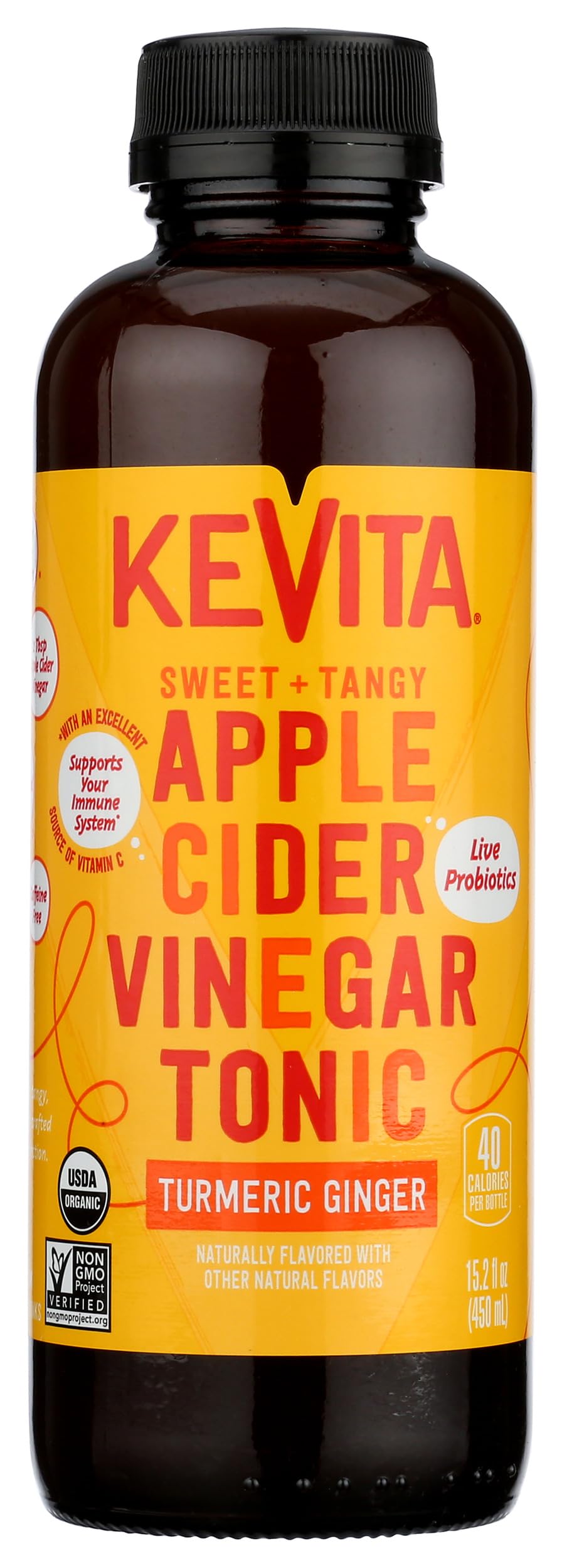
Best for palatability — ready-to-drink carbonated ACV beverage with ginger and lemon, lower acidity and lower dose than liquid protocols. Best for people who won't stick to straight diluted ACV. Higher cost per serving but much easier to consume daily. Lower ACV dose than liquid alternatives.
Kevita is a ready-to-drink carbonated ACV beverage with ginger, lemon, and stevia that makes daily ACV intake genuinely enjoyable. The ACV dose is lower than the liquid standard (roughly 25 mg per bottle vs. 1–2 tablespoons), and the cost per serving is higher — the trade-off is that people who struggle with straight ACV actually stick to it.
Pros
- ✓Ready-to-drink — no mixing or diluting
- ✓Carbonation and added flavors make it far more palatable
- ✓Lower acidity reduces tooth enamel exposure risk
Cons
- ✗Lower ACV dose than standard liquid protocol
- ✗Higher cost per serving than liquid ACV
Score breakdown
| Serving size | 1 bottle (15.2 fl oz / 450 ml) |
| Calories | 40 kcal |
| Organic | yes |
| ACV per serving | 2 Tbsp (30 ml) |
| Certifications | USDA Organic, Non-GMO Project Verified, Gluten-Free, Kosher, Vegan |
Subscribe to our newsletter
Occasional updates and new releases — no spam.

Best for daily habit compliance — no liquid mess, no harsh taste, includes B vitamins. Lower ACV dose per serving than liquid (roughly 1 tsp equivalent). Best when format consistency matters more than maximum dosing. Certified organic, vegan, Non-GMO. Widely available.
Goli gummies deliver roughly one teaspoon of ACV equivalent per two-gummy serving, which is less than the standard tablespoon dose but far easier to take daily. Certified organic, vegan, Non-GMO, with added B9 and B12 vitamins. If you'll skip the liquid but take gummies every day, Goli delivers better real-world results through adherence.
Pros
- ✓No harsh taste, no mixing — highest format compliance
- ✓Added B vitamins (B9 and B12)
- ✓Certified organic, vegan, Non-GMO
Cons
- ✗Lower ACV dose per serving than liquid (1 tsp vs 1–2 tbsp)
- ✗Higher cost per ACV gram than liquid options
Score breakdown
| Serving size | 2 gummies |
| Calories | 25 kcal |
| Organic | no |
| ACV per serving | 1000 mg |
| Certifications | Vegan, Gluten-Free, Non-GMO, Gelatin-Free, Kosher |
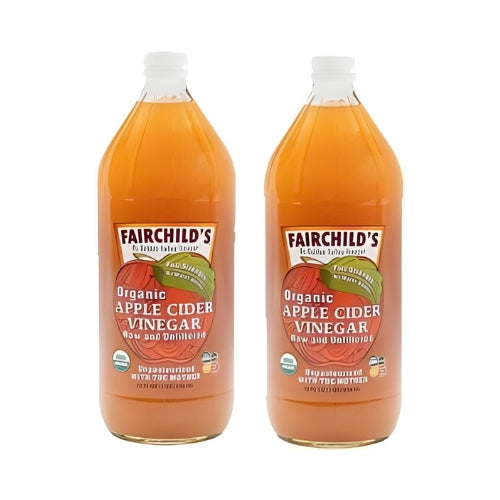
Fairchild's Organic Apple Cider Vinegar
Best for culinary transparency — Washington State-grown Rag Bag apples, explicit 5% acidity labeling, family-owned sourcing. Cleaner apple flavor with less fermentation complexity than Bragg. Best for light vinaigrettes and shrubs where apple-forward flavor and sourcing story matter. Slightly lower availability than Bragg at mainstream retailers.
Fairchild's differentiates with explicit Washington State Rag Bag apple sourcing and verified 5% acidity — the kind of transparency most ACV brands avoid. The flavor is cleaner and less yeasty than Bragg, making it a better fit for light vinaigrettes and drinking vinegars where you want apple flavor without pronounced fermentation notes.
Pros
- ✓Named apple variety and US state of origin — rare transparency
- ✓Explicit 5% acidity labeling
- ✓Cleaner apple flavor with less fermentation complexity
Cons
- ✗Less widely available than Bragg at mainstream retailers
Score breakdown
| Serving size | 1 Tbsp (15 ml) |
| Calories | 5 kcal |
| Acidity | 6.3% |
| Mother | yes |
| Organic | yes |
| ACV per serving | 15 ml |
| Certifications | USDA Organic, Kosher, Raw & Unfiltered, Gluten-Free |
Which one is right for you?
For daily ACV tonic drinkers
Bragg Organic Apple Cider Vinegar
The reference raw ACV with consistent quality across batches — the obvious first choice for a daily diluted tonic habit.
For high-volume cooking
Dynamic Health Organic Apple Cider Vinegar
15–20% cheaper per ounce than Bragg with equivalent organic certification — the right call when you're going through a bottle a week.
For ACV beginners
Kevita Apple Cider Vinegar Tonic
Carbonated, flavored, and pre-diluted — the lowest barrier to entry for people who find straight liquid ACV too harsh.
For habit-first, dose-second users
Goli Apple Cider Vinegar Gummies
If you'll actually take gummies every day but skip the liquid, consistent lower dosing beats inconsistent higher dosing.
For light vinaigrettes and salad dressings
Fairchild's Organic Apple Cider Vinegar
The cleaner apple flavor and sourcing transparency make a genuine difference in recipes where the ACV character is front and center.
What 'with the mother' actually means
The 'mother' in apple cider vinegar refers to a colony of cellulose and acetic acid bacteria — the same culture that drives fermentation in the first place. In an unfiltered, unpasteurized ACV, these strands settle at the bottom of the bottle as a cloudy sediment. Bragg's label shows this sediment as a point of pride; most grocery-store vinegars remove it via filtration and pasteurization, which extends shelf life but eliminates live cultures.
The practical significance of the mother is contested. Proponents argue it contains probiotics and enzymes that provide digestive benefits. The research evidence here is thin — most ACV studies use acetic acid in isolation, and the few that tested probiotic activity in unfiltered ACV found bacterial counts far lower than a standard probiotic supplement. What the mother does reliably deliver is a more complex, slightly yeasty flavor that distinguishes raw ACV from the sharp, flat taste of filtered varieties. If flavor quality matters for salad dressings or shrubs, choose unfiltered. If you're primarily seeking acetic acid for culinary acid balance, filtered works just as well.
Acidity standardization is the more practically important spec. US-market ACV is typically labeled at 5% acidity — meaning 5g of acetic acid per 100ml. This is the standard for food safety in pickling and preserving, and all five products here meet it. Fairchild's explicitly calls out 5% acidity as a feature, which is worth noting because some imported or small-batch ACV products drift below this threshold.
Raw and unfiltered: Bragg vs Fairchild's
Bragg Organic Apple Cider Vinegar is the reference product for American raw ACV — USDA Organic, Non-GMO Project Verified, unfiltered, unpasteurized, with the mother visible at the bottom. The flavor is sharp and apple-forward with a yeasty complexity from the mother culture. It works well in salad dressings, marinades, and the standard diluted ACV tonic (one to two tablespoons in 8oz of water, sometimes with honey). At roughly $8–$10 for a 32oz bottle, the cost per serving is low.
Fairchild's Organic Apple Cider Vinegar differentiates itself with Washington State-grown Rag Bag apples and explicit 5% acidity labeling. The family-owned sourcing is a meaningful distinction in a market where many 'organic' ACV brands source from commodity suppliers without specifying origin. Fairchild's flavor profile tends toward a cleaner apple character — less yeasty than Bragg, slightly less sharp, with a flavor that holds up better in recipes where you want the apple note without pronounced fermentation complexity.
For everyday cooking and dressings, these two are largely interchangeable. Fairchild's is a better choice when apple flavor specificity matters — particularly in lighter vinaigrettes or shrub-style drinking vinegars where sourcing transparency is part of the product story. Bragg remains the better-known, more widely available option with a lower price per ounce at most retailers.
Ready-to-drink format: Kevita ACV Tonic
Kevita Apple Cider Vinegar Tonic is a ready-to-drink beverage that incorporates ACV alongside apple juice, ginger, lemon, and stevia. At roughly 25mg of ACV per 15.2oz bottle, the acetic acid dose is lower than the 1–2 tablespoon standard for diluted ACV tonics — a trade-off that Kevita compensates for with better palatability. The carbonation and added flavors make it substantially more drinkable than straight ACV in water for people who find the taste of undiluted ACV difficult.
The lower acidity is genuinely relevant here. Straight ACV diluted to the standard drinking protocol — 1–2 tablespoons in 8oz water — produces a pH low enough to be hard on tooth enamel with repeated daily use. Kevita's buffered, diluted format reduces that risk, though drinking through a straw and rinsing with water afterward is still sensible regardless of format.
Kevita is best understood as a functional beverage that delivers some ACV benefit with the palatability of a flavored sparkling drink, not as a high-dose ACV supplement. At $3–$4 per bottle, the cost per serving is higher than any of the liquid ACV options here. It earns its place for people who want to incorporate ACV into a daily routine but won't stick to the raw-liquid protocol.
Gummy format: Goli ACV Gummies
Goli Apple Cider Vinegar Gummies are the category leader in gummy-format ACV. Each gummy contains the equivalent of roughly one teaspoon (about 500mg) of ACV, with B vitamins (B9 and B12) added. A serving of two gummies delivers roughly one teaspoon of ACV — well below the 1–2 tablespoon standard dose used in most clinical research on ACV.
The practical appeal is obvious: no liquid mess, no harsh taste, no tooth enamel exposure from undiluted acetic acid. Goli's gummies are sweet, lightly apple-flavored, and easy to take daily. They're certified organic, vegan, and Non-GMO Project Verified. The B vitamin addition is a minor bonus — B12 in particular is worth having for people on plant-based diets, though the dose is not therapeutic.
The honest limitation: at standard serving size, gummies deliver less ACV than a tablespoon of liquid. If the reason you're taking ACV is specifically for acetic acid — blood glucose response, satiety signaling, or acidity for digestion — the lower dose matters. If the reason is general wellness habit, daily consistency, or simply that you want to include ACV in your routine without the taste or logistics of liquid, gummies are the right format.
Dynamic Health: value for daily use
Dynamic Health Organic Apple Cider Vinegar is the lowest cost-per-ounce option among the raw, unfiltered choices. It is USDA Organic, unfiltered, and contains the mother — functionally similar to Bragg's but typically available at $6–$8 for a 32oz bottle, or about 15–20% less per ounce. The apple sourcing is less specified than Fairchild's; like many mid-tier ACV brands, Dynamic Health sources from organic suppliers without publishing estate or region details.
For people who use ACV primarily for cooking — deglazing pans, balancing sauces, quick pickles, or high-volume vinaigrettes — the price difference between Dynamic Health and Bragg is meaningful over time. The mother is present and the organic certification is real; the flavor is comparable to Bragg's with slightly less complexity.
Dynamic Health also sells a concentrated ACV tonic with added apple juice, honey, and spices — a format closer to Kevita's. But the plain unflavored ACV is where the value proposition is strongest. It's the right choice when ACV is a staple ingredient used in quantity rather than a daily wellness tonic where brand trust and flavor quality matter more than cost.
Health claims: what the evidence actually supports
Apple cider vinegar has accumulated an impressive folklore of health benefits — weight loss, blood glucose control, antimicrobial properties, gut health, skin clearing — and a more modest body of actual research. The most consistent finding across controlled trials is that acetic acid (the active compound in all vinegars, not just ACV) moderately blunts postprandial blood glucose response when consumed before or with a high-carbohydrate meal. The effect size is real but small, and it applies to any vinegar with acetic acid, not specifically to ACV or the mother.
ACV for weight loss specifically: several small trials show modest appetite suppression and slightly reduced caloric intake over a few weeks of daily ACV consumption. The effect is not large — the best-controlled trial showed about 1–2kg additional weight loss over 12 weeks compared to placebo. This is a legitimate effect, not nothing, but it should not be the primary reason to buy ACV at a premium. No trial has shown ACV to be a meaningful weight-loss intervention on its own.
Topical ACV use for skin — particularly for acne or fungal issues — has some mechanistic basis (low pH is antimicrobial), but the case report and anecdote base is much stronger than the controlled trial base. Undiluted ACV on skin can cause chemical burns; dilution to 1:10 or lower is necessary. If you use ACV topically, this is a separate purchasing decision from dietary use — a plain filtered ACV at 5% acidity is adequate for topical applications where flavor and the mother are irrelevant.
Daily use protocol: what actually holds up
The standard diluted ACV tonic — 1–2 tablespoons in 8oz of water, optionally with honey or lemon — is the most common daily protocol. Taken before meals, it moderately reduces post-meal glucose spikes; taken in the morning, it's a habit anchor. The key practice is always diluting liquid ACV — undiluted ACV at 5% acidity has a pH around 2.5–3.0, which is hard on tooth enamel and esophageal tissue with repeated exposure. Drinking through a straw and rinsing afterward reduces enamel exposure.
For cooking, ACV at 5% works for any recipe calling for cider vinegar — salad dressings, pickled vegetables, braised meats, sauces, and baked goods where a mild fruity acidity is appropriate. It is not a substitute for white wine vinegar or balsamic in applications where those flavors are specific. ACV's slightly sweet, apple character makes it particularly good in vinaigrettes with stone fruit or in quick refrigerator pickles where a softer acid is preferable to the sharpness of distilled white vinegar.
ACV for the skin: dilute to 1 part ACV in 10 parts water as a maximum for facial use, patch test first, and do not apply undiluted to broken or inflamed skin. The low pH can help with surface bacterial balance in mild acne-prone skin, but the evidence base for clinical skin conditions (eczema, rosacea) is insufficient to recommend it as treatment.
Frequently asked questions
What does 'with the mother' mean in apple cider vinegar?▼
Is apple cider vinegar safe to drink daily?▼
Does apple cider vinegar help with weight loss?▼
Are ACV gummies as effective as liquid ACV?▼
Can I use ACV on my face?▼
Prices change. Check the retailer for the current price.
Comments & questions
Discussion happens on nattzy, our community forum. Sign in with Google to post — it takes a second.
Related articles
Food
Best Toaster 2026: 5 Compared
Best Toaster 2026: 5 Compared

Best Protein Powder 2026: 5 Compared

ConoHa WING review (2026): setup, speed and pricing
Best JP rental server 2026: 5 hosts ranked

Best LED Face Masks 2026: 3 Light Therapy Devices Compared

Best Robot Vacuums 2026: 5 Models Compared Honestly