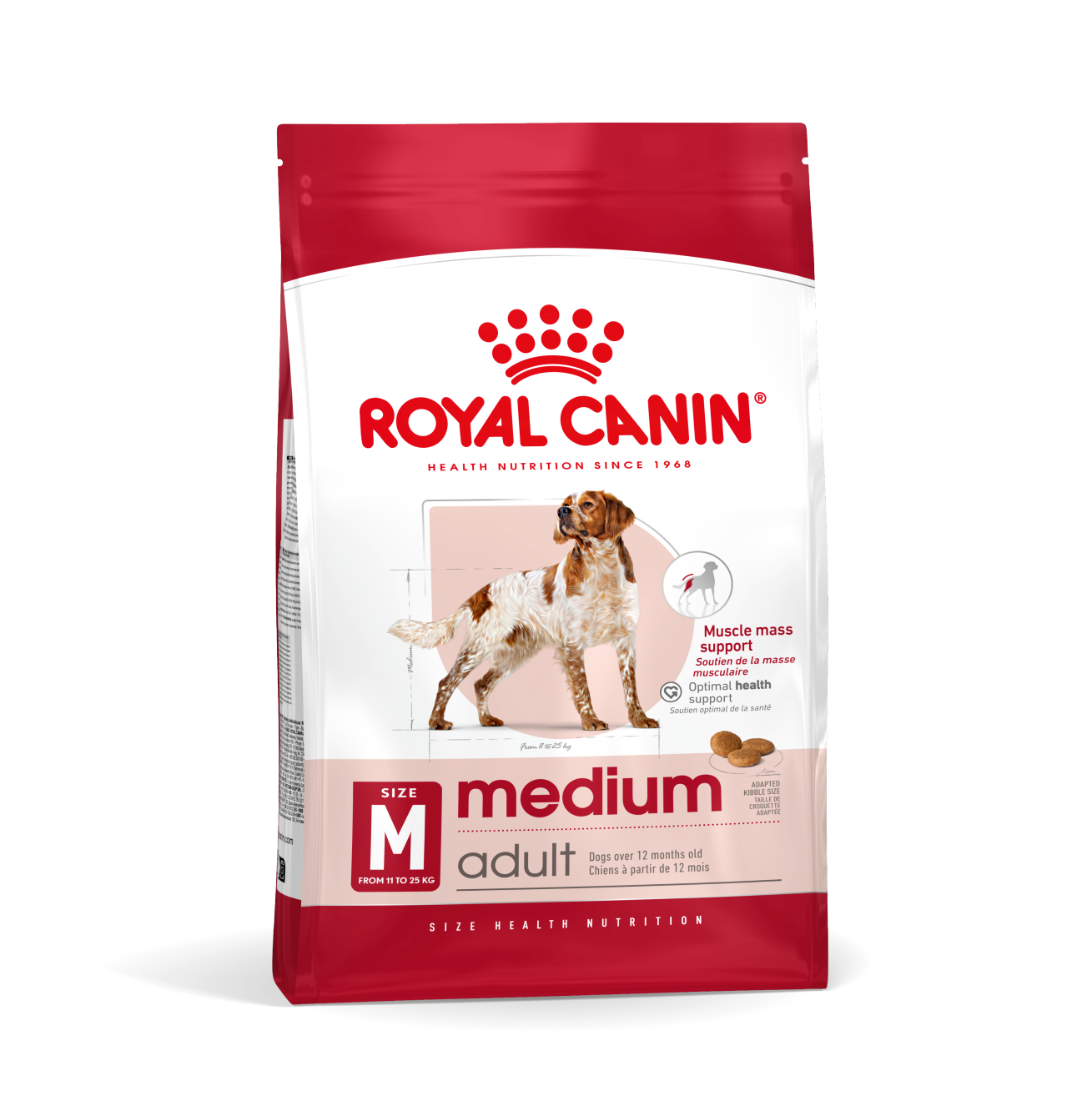
Best Catio 2026: 5 Cat Enclosures Compared
A catio almost never fails on size. It fails on three things: the gaps, a roof that holds water, and a design that gives the cat floor area but no height.
Quick answer
The Aivituvin outdoor cat house is the catio to buy: it is the only one here that gets both a properly pitched felt roof and a raised, enclosed sleeping box, which is what turns a run into a usable enclosure. Petsfit's two-storey design fits a balcony, PawHut gives the most vertical territory per dollar, and Trixie Natura is the cold-weather shelter.
We did not run our own testing on any of these products. Doing it honestly would need an instrumented enclosure for the catios, a calibrated wet-bulb rig for the evaporative coolers, and a loaded sled with a force plate for the hack squat machines — none of which we have. What we did instead: pulled every published specification from each manufacturer's own product page and manual, cross-checked current pricing against major retailer listings, and read owner reviews at volume, filtering for reports that describe a measurable failure or a repeated complaint rather than a first-week impression. Where a number is a manufacturer claim rather than an independent measurement, we say so in the text.

🏆 Best overall: The Aivituvin is the pick because it does the two structurally important things at once: a properly pitched felt roof and an enclosed, raised sleeping box inside the run. That combination is what turns an enclosure into somewhere a cat will actually settle rather than pass through.
Top picks ↓| Product | Price | Link |
|---|---|---|
| $396.99Price as of 2026-10-04 | ||
| $385Price as of 2026-10-04 | ||
| $150〜$280Reference price | ||
| $70〜$140Reference price | ||
| $200〜$350Reference price |
Top picks
Related articles

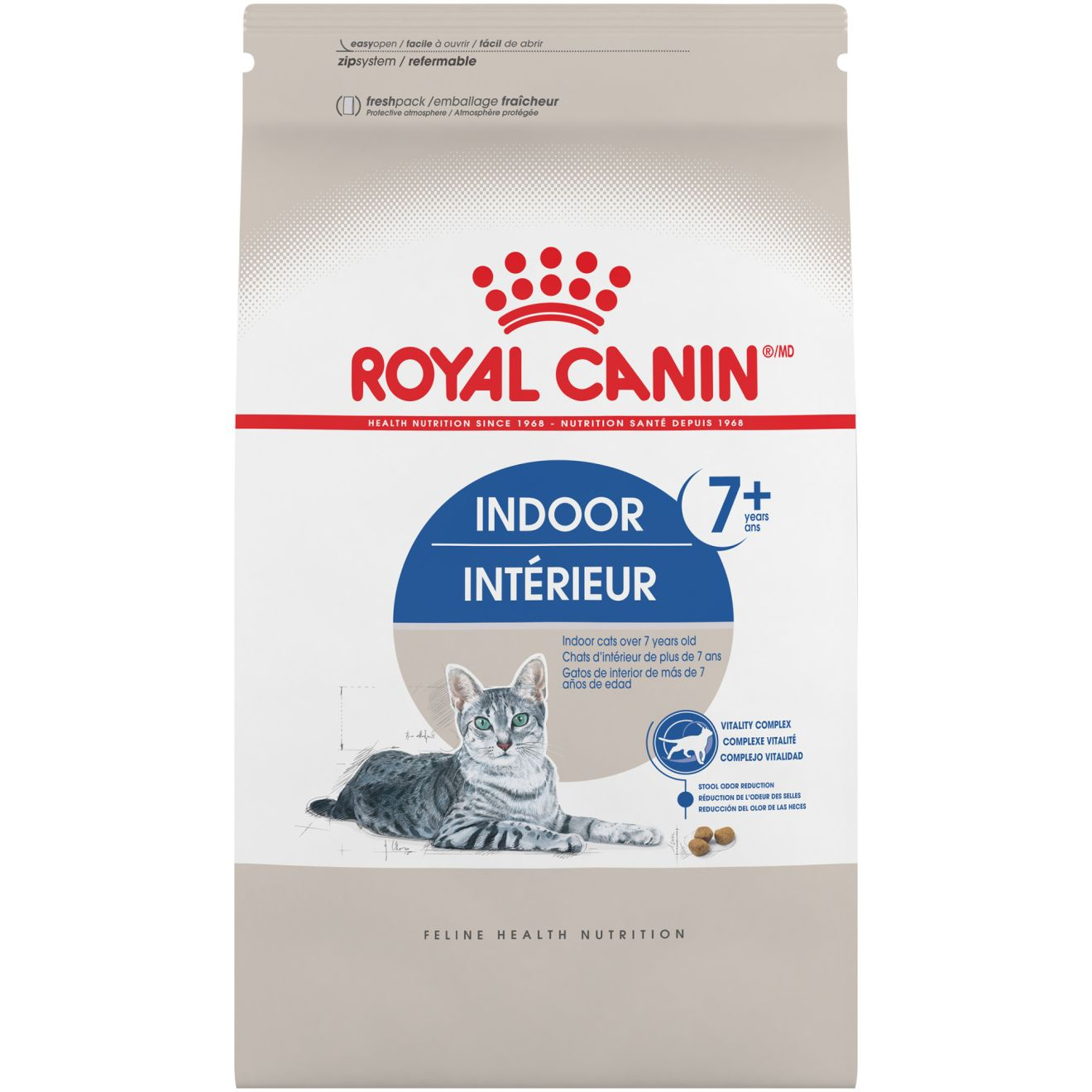

Aivituvin sells several sizes under similar names — match the external dimensions, not the product title.
The Aivituvin is the pick because it does the two structurally important things at once: a properly pitched felt roof and an enclosed, raised sleeping box inside the run. That combination is what turns an enclosure into somewhere a cat will actually settle rather than pass through. It is a large flat-pack and the assembly is the weak point — set aside an afternoon and expect to re-drill a hole or two.
Pros
- ✓Pitched roof with real drainage
- ✓Enclosed raised sleeping box inside the run
- ✓Walk-in height makes cleaning practical
Cons
- ✗Long assembly, holes not always aligned
- ✗Large footprint
- ✗Softwood needs re-treating annually

Listed in both two-storey and single-storey versions; confirm the ramp is included.
The Petsfit is the two-storey answer for a patio corner or a balcony where a walk-in unit will not fit. The ramp between levels gives the vertical movement that makes an enclosure interesting to a cat, and the hinged roof panel means you can reach in without dismantling anything. The trade is that at this size there is no room for both a shelter and a run — it is one or the other.
Pros
- ✓Fits a balcony or patio corner
- ✓Two levels with a ramp
- ✓Hinged roof for access
Cons
- ✗Too small to combine shelter and run
- ✗Limited weather protection
- ✗Ramp is steep for older cats
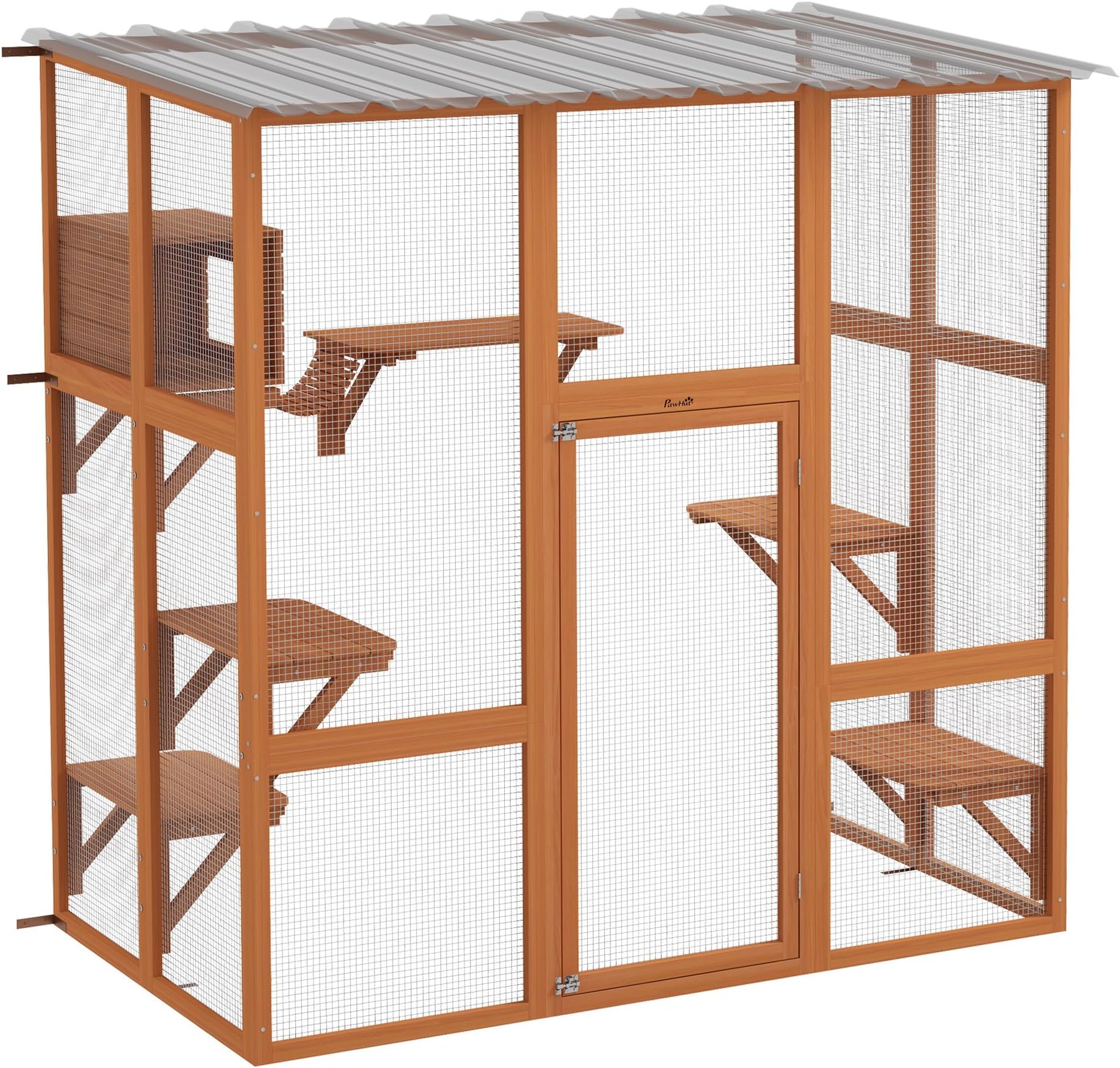
Shelf count varies between listings of the same model — check the photos rather than the title.
The PawHut is the cheapest way to get genuine vertical territory. The tall, narrow format stacks several shelves in the ground area of a small side table, which is exactly the geometry cats prefer. It is also the unit where the roof is closest to flat, so adding a slope at assembly is worth the ten minutes. Access is through hatches only.
Pros
- ✓Most vertical space per square foot
- ✓Lowest price of the wooden units
- ✓Narrow enough for a side return or alley
Cons
- ✗Near-flat roof holds water as shipped
- ✗Hatch-only access slows cleaning
- ✗Lighter frame than the Aivituvin
Subscribe to our newsletter
Occasional updates and new releases — no spam.

Sold as individual modules and as bundles; the bundle is the cheaper route if you want more than one tunnel.
The Kitty City is not a catio in the structural sense and should not be bought as one. It is a soft modular tunnel system that clips together, packs down and travels — which makes it the only realistic option for a rented balcony or a holiday let. Supervised use in mild weather is what it is for. Left out in rain or left alone with a determined cat, it will not hold.
Pros
- ✓Packs down and travels
- ✓No assembly tools
- ✓Cheapest here by a wide margin
Cons
- ✗Not weatherproof
- ✗Not secure unsupervised
- ✗Fabric wears where cats claw

Trixie Natura Cat Home with Terrace
The Natura line has several roof styles; the terrace version is a distinct SKU.
The Trixie reads as a house with a terrace rather than as an enclosure, and that is how to buy it. The insulated pine body and raised floor make it the only unit here that is genuinely a cold-weather shelter. But the run area is small, so it works as the sleeping end of an already-fenced garden rather than as the whole containment solution.
Pros
- ✓Insulated body and raised floor
- ✓Genuine cold-weather shelter
- ✓Solid pine construction
Cons
- ✗Very small run area
- ✗Not a containment solution on its own
- ✗Heaviest unit here
Escape-proofing is a gap problem, not a height problem
Cats do not usually escape a catio by climbing out of the top. They escape through the seam where a hinged door meets the frame, through the gap under a base panel that has settled unevenly on soft ground, or by working loose a wire panel that is stapled rather than screwed. Everything else about the enclosure matters less than how those three junctions are made.
When reading a listing, look for how the wire is attached. Staples into softwood are the common cost-saving and the common failure — they pull out over a season of weather and pressure. Screwed batten strips holding the wire against the frame are the better construction, and they are visible in the product photos if you look at the frame edges rather than the overall shape.
The other check is the door latch. A single spring catch is enough for most cats; a determined one will learn a simple lift latch. If the enclosure is going somewhere unsupervised, a barrel bolt or a padlock hasp is worth adding regardless of what the kit ships with.
Roofs: the part that decides whether it survives the winter
The roofing on flat-pack catios is usually asphalt felt over thin plywood, and it is almost always the first thing to fail. The failure is not the felt itself but the pitch: a roof that is close to flat holds standing water, the water finds the fastener holes, and the plywood delaminates from the inside where you cannot see it.
Aivituvin and Trixie both ship pitched roofs with a meaningful slope, which is the main structural reason they cost more than the flat-topped budget enclosures. If you buy a nearly flat-roofed unit, plan on adding a slope with a batten under one edge before it goes outside — it is a ten-minute job at assembly and effectively impossible afterwards.
Vertical space beats floor space
Cats use enclosures in three dimensions. A tall, narrow catio with four stacked shelves gives a cat more usable territory than a low run with twice the ground area, because a cat's idea of a good spot is a high one with a view. This is the single biggest difference between an enclosure the cat lives in and one it walks through once.
The PawHut vertical format is the clearest example of this trade in the group: it occupies less ground than the walk-in units but offers more perching levels. The counterpoint is human access — you cannot walk into it, so cleaning is done through hatches, which is slower.
Permanent structure vs packable
The wooden enclosures here are semi-permanent. Once assembled and weathered they do not move easily, and disassembly usually costs you some fasteners and some panel edges. That is the right choice for an owned garden.
The Kitty City system is the opposite: soft-sided, clips together, packs into a bag. It is not weatherproof and it is not secure against a determined cat left alone, but it is the only thing here that works for a rented balcony or for taking to a holiday let. Buying it expecting year-round outdoor housing is the common disappointment.
Frequently asked questions
Does a catio need a floor?▼
How big does a catio need to be?▼
Can a catio be used in winter?▼
How long does assembly take?▼
Prices change. Check the retailer for the current price.
Comments & questions
Discussion happens on nattzy, our community forum. Sign in with Google to post — it takes a second.
View the discussion thread on nattzy ↗
Still deciding? Ask the community your own question — Post a question on nattzy ↗
Related articles
Best Dog Food 2026: 5 Compared for Nutrition & Value
Best Dog Harness 2026: 5 Compared for No-Pull Control & Fit
Best Air Purifier 2026: 5 models compared honestly

ConoHa WING review (2026): setup, speed and pricing
Best JP rental server 2026: 5 hosts ranked
Best LED Face Masks 2026: 3 Light Therapy Devices Compared