Best Electrolyte Drink 2026: 5 Compared
Electrolyte drinks split into two camps. Bioavailability and consistency of intake outperform ingredient quantity on the label.
Quick answer
For athletes training hard in heat for 60+ minutes, LMNT Recharge is the pick — 1,000mg sodium per stick replaces actual sweat losses rather than a fraction of them. Choose Liquid I.V. for daily hydration, where CTT glucose-to-sodium absorption and the best flavor keep intake consistent; Nuun Sport tablets for $0.70–$0.80 per serving and pocket portability; and DripDrop ORS for illness recovery on a WHO-standard formulation.
Each electrolyte drink was evaluated on sodium content relative to actual sweat losses, sugar load versus transport function, flavor palatability in hot and cold water, price per serving at realistic weekly use frequency, and fit across specific use cases — hard training, illness recovery, and travel.
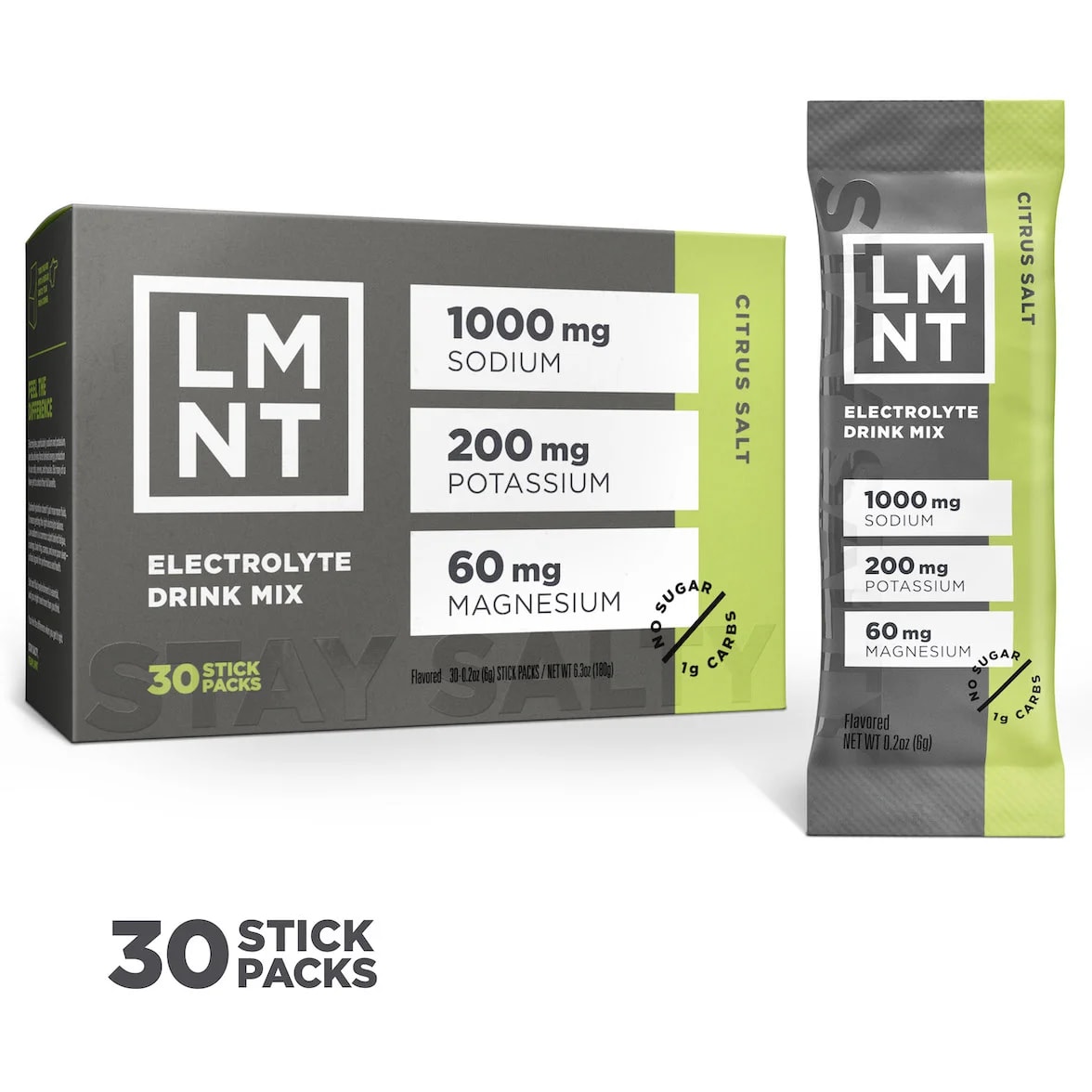
LMNT Recharge Electrolyte Drink Mix
Best for heavy training and keto: LMNT's 1,000mg sodium per stick is the category differentiator — it replaces actual sweat losses rather than a fraction of them, which matters for hot-climate training, keto dieters who excrete more sodium, and anyone sweating heavily for 60+ minutes. The zero-sugar formula with stevia sweetening avoids the glucose load that's unnecessary when carbohydrate fueling is coming from food.
Top picks ↓| Product | Price | Link |
|---|---|---|
| $45Reference price | ||
| $30.55Reference price | ||
| $32.72Price as of 2026-09-24 | ||
| $8.99Reference price | ||
| $11.87Reference price |
| Product | Sodium | Potassium | Magnesium | Sugar | Sweetener | Format | Price per serving |
|---|---|---|---|---|---|---|---|
| LMNT Recharge Electrolyte Drink Mix | 1,000 mg | 200 mg | 60 mg | 0 g | Stevia | Powder stick packet | approx. $1.50–$1.80 |
| Liquid I.V. Hydration Multiplier | 500 mg | 370 mg | Not listed | 11 g | Cane sugar + stevia | Powder stick packet | approx. $1.00–$1.25 |
| Nuun Sport Electrolyte Tablets | 300 mg | 150 mg | 25 mg | 1 g | Stevia + dextrose | Effervescent tablet | approx. $0.70–$0.80 |
| DripDrop ORS Electrolyte Powder | 330 mg | 185 mg | 70 mg | 8 g | Cane sugar | Powder packet | approx. $1.20–$1.50 |
| Pedialyte Sport Electrolyte Solution | 490 mg | 380 mg | Not listed | 6 g | Sucrose | Pre-mixed liquid (powder packets also available) | approx. $0.80–$1.00 |
Top picks
Related articles

LMNT Recharge Electrolyte Drink Mix
1,000mg sodium per packet — built for heavy sweating and keto
LMNT's 1,000mg sodium per stick is the category differentiator — it replaces actual sweat losses rather than a fraction of them, which matters for hot-climate training, keto dieters who excrete more sodium, and anyone sweating heavily for 60+ minutes. The zero-sugar formula with stevia sweetening avoids the glucose load that's unnecessary when carbohydrate fueling is coming from food. The Raw Unflavored variant is genuinely useful: it adds electrolytes to coffee, broth, or water without altering the flavor profile. The trade-off is price ($1.50–$1.80 per stick) and the 1,000mg sodium is too high for casual hydration — over-sodiuming without sweat losses causes bloating, not benefit.
Pros
- ✓1,000mg sodium matches actual heavy sweat losses rather than a token amount
- ✓Zero sugar — compatible with keto, low-carb, and fasting windows
- ✓Raw Unflavored adds electrolytes to food or coffee without taste impact
Cons
- ✗At $1.50–$1.80 per serving, the highest price per packet in this comparison
Score breakdown
| Sodium | 1,000 mg |
| Potassium | 200 mg |
| Magnesium | 60 mg |
| Sugar | 0 g |
| Sweetener | Stevia |
| Format | Powder stick packet |
| Price per serving | approx. $1.50–$1.80 |

CTT absorption formula, 500mg sodium, widely available
Liquid I.V.'s CTT formula — a glucose-to-sodium ratio based on WHO ORS science — activates SGLT-1 transporters in the small intestine for faster water absorption than plain water. The 500mg sodium is adequate for moderate training and the 11g sugar serves a transport function, not just sweetening. Flavor quality is consistently above average across its lineup: Lemon Lime and Passion Fruit hold up well in both cold and room-temperature water. The catch is the 11g sugar per serving, which is real carbohydrate load — incompatible with strict keto or low-carb tracking, and redundant if you're already eating carbohydrates on a training day.
Pros
- ✓CTT absorption technology based on WHO ORS science delivers measurably faster hydration
- ✓Flavor quality is the best in this comparison — multiple options that taste genuinely good
- ✓500mg sodium covers moderate training and travel without being excessive for casual use
Cons
- ✗11g sugar per serving is a dealbreaker for keto or strict low-carb approaches
Score breakdown
| Sodium | 500 mg |
| Potassium | 370 mg |
| Magnesium | Not listed |
| Sugar | 11 g |
| Sweetener | Cane sugar + stevia |
| Format | Powder stick packet |
| Price per serving | approx. $1.00–$1.25 |

Nuun Sport Electrolyte Tablets
Tablet format, most packable, 300mg sodium, best value per serving
Nuun's effervescent tablet format is uniquely portable — a tube of 10 tablets fits in a pocket and weighs almost nothing versus powder packets or liquid bottles. At $0.70–$0.80 per tablet it's the most affordable in this comparison for everyday use. The 300mg sodium is adequate for light to moderate exercise and general hydration; it's the correct limitation for a daily-use product where 1,000mg sodium without corresponding sweat loss would be excessive. The tablet format also allows concentration adjustment: dissolve in less water before a hot session, more water for lighter daily sipping. The trade-off is that 300mg doesn't cover heavy sweating — for serious heat training you need LMNT or DripDrop.
Pros
- ✓Tablet format is the most packable in this comparison — pocket-size, featherweight
- ✓Best price per serving at $0.70–$0.80 — appropriate for daily consistent use
- ✓Adjustable concentration by varying water-to-tablet ratio
Cons
- ✗300mg sodium doesn't cover heavy sweat losses — inadequate for heat training above 60 minutes
Score breakdown
| Sodium | 300 mg |
| Potassium | 150 mg |
| Magnesium | 25 mg |
| Sugar | 1 g |
| Sweetener | Stevia + dextrose |
| Format | Effervescent tablet |
| Price per serving | approx. $0.70–$0.80 |
Subscribe to our newsletter
Occasional updates and new releases — no spam.

Medical-grade ORS, best for illness recovery and severe dehydration
DripDrop is formulated as a WHO-standard Oral Rehydration Solution — the glucose-to-sodium cotransport ratio is the same framework used in clinical dehydration treatment. The 330mg sodium and 8g sugar combination activates gut absorption at the physiological level, not just adding minerals to water. It's meaningfully better-tasting than clinical ORS alternatives like plain Pedialyte original — Watermelon and Lemon are the standout flavors. The medical positioning makes it most relevant for illness recovery, heat exhaustion risk, and genuine acute dehydration. It's not optimized for daily workout hydration where Nuun's cost or LMNT's sodium density is more context-appropriate.
Pros
- ✓WHO-standard ORS formulation activates gut cotransport absorption
- ✓Significantly better tasting than clinical ORS alternatives at similar sodium levels
- ✓Worth keeping in a travel emergency kit — packets store for extended periods
Cons
- ✗Not the right tool for daily workout hydration — cost and positioning are both illness-oriented
Score breakdown
| Sodium | 330 mg |
| Potassium | 185 mg |
| Magnesium | 70 mg |
| Sugar | 8 g |
| Sweetener | Cane sugar |
| Format | Powder packet |
| Price per serving | approx. $1.20–$1.50 |

Pedialyte Sport Electrolyte Solution
Pharmacy-available anytime, 490mg sodium, trusted for illness and recovery
Pedialyte Sport's 490mg sodium and 380mg potassium in the adult Sport line position it properly for exercise recovery — the original pediatric Pedialyte formula has lower sodium, and the Sport version corrects that for adult sweating. The real advantage is pharmacy ubiquity: at 2am when someone has food poisoning or a stomach virus, Pedialyte is what's on the drugstore shelf. For planned workout hydration, the powder packets are more practical than the pre-mixed liquid. The liquid format's convenience for illness recovery is the primary use case argument — it requires no preparation when you're feeling too sick to measure powder.
Pros
- ✓Available at pharmacies and grocery stores at any hour — no planning required
- ✓490mg sodium + 380mg potassium covers moderate to heavy exercise recovery
- ✓Grape and Fruit Punch flavors are palatable for adults without fighting the taste
Cons
- ✗Pre-mixed liquid is heavy and impractical to carry for active sports — powder packets exist but are less widely available
Score breakdown
| Sodium | 490 mg |
| Potassium | 380 mg |
| Magnesium | Not listed |
| Sugar | 6 g |
| Sweetener | Sucrose |
| Format | Pre-mixed liquid (powder packets also available) |
| Price per serving | approx. $0.80–$1.00 |
Which one is right for you?
Athletes training hard in heat for 60+ minutes
LMNT Recharge Electrolyte Drink Mix
1,000mg sodium matches actual sweat losses in heavy training — the only option here that replaces electrolytes at physiologically meaningful levels for prolonged heat exercise.
Daily hydration for travel and general fitness
Liquid I.V. Hydration Multiplier
CTT absorption technology and the best flavor quality in this comparison make it the most likely product you'll actually enjoy drinking consistently.
Budget-conscious daily hydration with maximum portability
Nuun Sport Electrolyte Tablets
Best price per serving at $0.70–$0.80 and the pocket-size tablet format requires no measuring or mess — the right tool for everyday low-friction hydration habits.
Illness recovery or severe acute dehydration
DripDrop ORS Electrolyte Powder
WHO-standard ORS formulation with significantly better taste than clinical alternatives — the most appropriate choice for vomiting, diarrhea, fever, or heat exhaustion recovery.
Unplanned illness with no preparation time
Pedialyte Sport Electrolyte Solution
Pharmacy availability at any hour means no advance planning — the liquid format requires nothing when you're too sick to measure powder, and it's trusted for clinical hydration from decades of use.
LMNT Recharge — the high-sodium choice for hard training
LMNT delivers 1,000mg sodium, 200mg potassium, and 60mg magnesium per stick packet — sodium levels significantly higher than most electrolyte drinks on the market. That's the whole point. For athletes training in heat, keto dieters who excrete more sodium due to low insulin levels, and anyone doing hot yoga or sauna sessions, 1,000mg sodium per serving replaces what's actually lost in sweat rather than a fraction of it. The formulation is zero sugar, sweetened with stevia, and comes in flavors including Citrus Salt, Raw Unflavored, and Watermelon Salt.
Price runs about $1.50–$1.80 per stick packet depending on bundle size (30-count boxes typically land around $45). That's higher than Nuun or Liquid I.V. on a per-serving basis, but the sodium content is not comparable — LMNT is replacing actual sweat losses, not offering a diluted version. The Raw Unflavored variant contains only sodium, potassium, and magnesium with no additives, which makes it practical for adding to food or coffee without altering flavor.
Not the right pick if you're hydrating casually or want something with calories for endurance fueling — LMNT has zero carbohydrates, which means it pairs with food but doesn't provide energy itself. Also not ideal if you're sodium-sensitive or have hypertension; consult a doctor before using 1,000mg sodium supplements regularly.
Liquid I.V. Hydration Multiplier — the mainstream hydration packet
Liquid I.V. uses Cellular Transport Technology (CTT), based on the World Health Organization's Oral Rehydration Solution ratios — a specific glucose-to-sodium ratio that activates SGLT-1 transporters in the small intestine, drawing water into the bloodstream faster than drinking plain water. Each stick contains 500mg sodium, 370mg potassium, and 11g sugar in the standard formula. The sugar is functional, not decorative — it's part of the transport mechanism.
Price comes in around $1.00–$1.25 per stick in the 30-count boxes, which positions it as a mid-range option. Flavor quality is solid — Lemon Lime, Watermelon, Passion Fruit, and Tropical Punch are all well-reviewed, with no strong artificial sweetener aftertaste. The Hydration Multiplier + Energy version adds 100mg caffeine from matcha and guayusa for travelers with long transit days.
The 11g sugar is the trade-off. For keto dieters or anyone watching carbohydrate intake, that's a dealbreaker. For endurance athletes who need some carbohydrate with hydration, it's compatible with fueling strategy. The sodium level at 500mg is reasonable but won't cover heavy sweating sessions — LMNT's 1,000mg is the right tool if you're drenched.
Nuun Sport — the ultralight tablet option
Nuun Sport dissolves in 16oz of water as a small effervescent tablet, which makes it the most packable option in this comparison — a tube of 10 tablets weighs almost nothing and fits in a pocket. Each tablet delivers 300mg sodium, 150mg potassium, 25mg magnesium, and only 1g sugar. The sugar is minimal enough that Nuun markets to athletes across dietary preferences including low-carb.
Price per serving is roughly $0.70–$0.80 per tablet in a standard 4-tube pack (40 servings for about $28–$30). That makes it the most affordable option in this comparison, particularly for everyday use rather than heavy-training sessions. The tablet format also means you can adjust concentration by varying the water-to-tablet ratio — use less water for more sodium density before a hot workout, more water for lighter hydration throughout a normal day.
The sodium at 300mg is the limitation. For casual hydration, travel, or moderate exercise, 300mg is adequate. For athletes sweating heavily in heat — construction workers, summer runners, anyone doing two-a-days — 300mg replaces only a fraction of actual sweat losses, and you'd need multiple tablets per hour to approach what LMNT delivers. Lemon Lime and Tri-Berry are the most consistently well-reviewed flavors.
DripDrop ORS — the medical-grade powder for illness recovery
DripDrop is formulated as an Oral Rehydration Solution meeting WHO standards — the same framework used in clinical rehydration for diarrhea, vomiting, and fever-related dehydration. Each packet delivers 330mg sodium, 185mg potassium, and 8g sugar in the glucose-to-sodium ratio that activates cotransport absorption in the gut. The sugar isn't sweetening; it's the mechanism. DripDrop also includes 70mg magnesium and small amounts of zinc and vitamin C.
Price is roughly $1.20–$1.50 per packet depending on pack size. The Watermelon and Lemon flavors taste noticeably better than clinical ORS alternatives like Pedialyte in original formula — DripDrop invested in palatability as a differentiator. Pickle and Honey Lemon flavors are also available for sodium-forward taste preferences.
The medical-grade positioning makes DripDrop most relevant for illness recovery, severe sweating situations (heat exhaustion risk), and situations where you're genuinely dehydrated rather than pre-hydrating. It's not the first choice for everyday workout hydration where Nuun's lower cost or LMNT's higher sodium content is more appropriate to context. Emergency use case: DripDrop powder packets store well and are worth keeping in a travel kit alongside rehydration salts.
Pedialyte Sport — the pediatric formula adults actually use
Pedialyte originally designed for infants and children with dehydration from illness now has an adult-marketed Sport line: 490mg sodium, 380mg potassium, 6g sugar per serving. The sodium and potassium levels are higher than the original Pedialyte formulation, closer to what adults need for exercise recovery. Pre-mixed liquid format is the most common, though powder packs exist for portability.
Price in liquid form runs about $0.80–$1.00 per 12oz serving in the multi-pack 4-bottles format — slightly expensive for daily use but widely available at drugstores and grocery stores at any hour, which is the actual use case. At 2am when someone has food poisoning or a stomach bug, Pedialyte is what's on the shelf. The grape and fruit punch flavors are palatable enough that adults drink them willingly without fighting the flavor.
The pre-mixed liquid format is less practical for active sports use — carrying bottles is heavier than powder or tablets. Pedialyte Sport's real advantage is pharmacy ubiquity and the clinical trust built over decades of pediatric use. If you want it for workout hydration specifically, the powder packets are more practical. If you want it for illness recovery backup, the liquid bottles are what's actually available at 2am.
Frequently asked questions
How much sodium do you actually need in an electrolyte drink?▼
Do electrolyte drinks help with hangovers?▼
Are electrolyte drinks better than coconut water?▼
Prices change. Check the retailer for the current price.
Comments & questions
Discussion happens on nattzy, our community forum. Sign in with Google to post — it takes a second.
Related articles
Food
Best Toaster 2026: 5 Compared
Best Toaster 2026: 5 Compared

Best Protein Powder 2026: 5 Compared

ConoHa WING review (2026): setup, speed and pricing
Best JP rental server 2026: 5 hosts ranked
Best LED Face Masks 2026: 3 Light Therapy Devices Compared
Best Robot Vacuums 2026: 5 Models Compared Honestly