Best Granola 2026: Crunch, Clusters & Ingredient Quality
Granola fails in two directions: it's either too sweet (closer to dessert than breakfast) or too sparse (plain toasted oats with nothing holding them together). The best granola has genuine cluster formation that stays crunchy in milk, sweetness that complements oats rather than masking them, and ingredient ratios that make every spoonful worth eating. This guide compares 5 options using published specifications, manufacturer documentation and independent reviews.
Quick answer
For most people, Bob's Red Mill is the pick — properly toasted whole-grain rolled oats with consistent cluster formation set the everyday standard. Choose KIND Healthy Grains for firmer clusters of oats, quinoa, millet, and amaranth that hold their shape in milk; Nature Valley Oats & Honey for the widely available mass-market baseline; and Purely Elizabeth for gluten-free oats with coconut sugar and coconut oil.
We assessed each product on flavor profile, sourcing transparency, value per serving, packaging integrity, and how well it performed across common use cases. Documented certifications and verified user reviews were cross-checked against marketing claims.
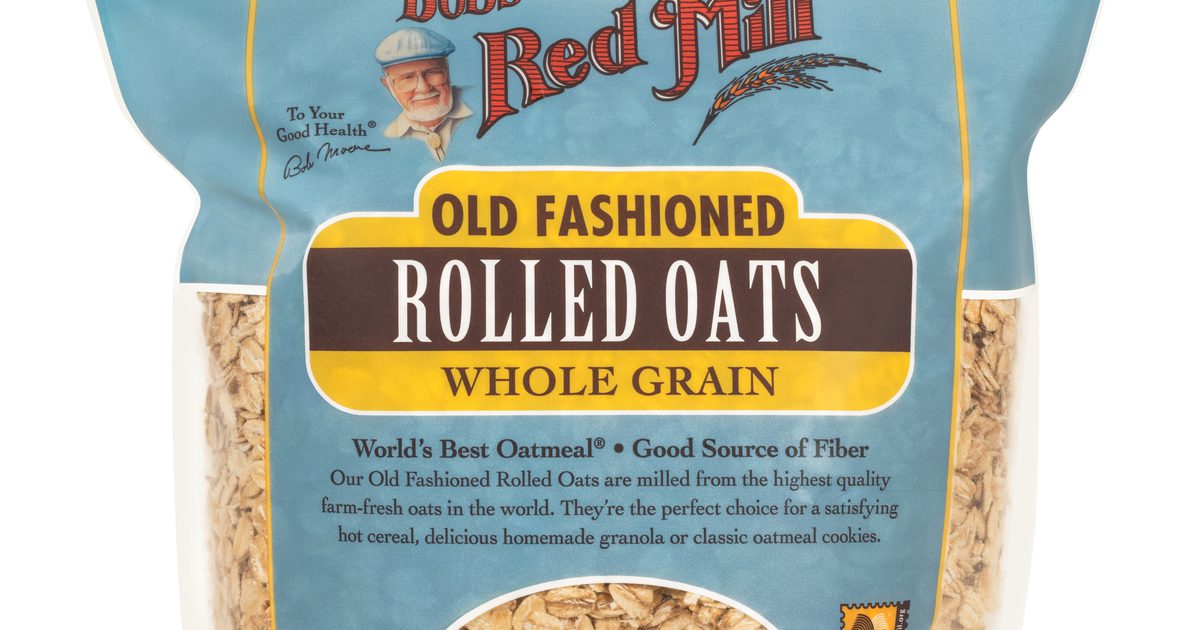
Bob's Red Mill Old Fashioned Granola
Best Overall Granola: Bob's Red Mill sets the standard for everyday granola — the rolled oats are whole grain and properly toasted, the cluster formation is consistent, and the sweetness from honey and brown sugar is present without being overwhelming. The ingredient list is short and readable: whole grain oats, honey, sunflower oil, brown sugar, vanilla.
Top picks ↓| Product | Price | Link |
|---|---|---|
| $6.48Reference price | ||
| $8.99Reference price | ||
| — | ||
| $9.99Reference price | ||
| $12.75Reference price |
Top picks
Related articles
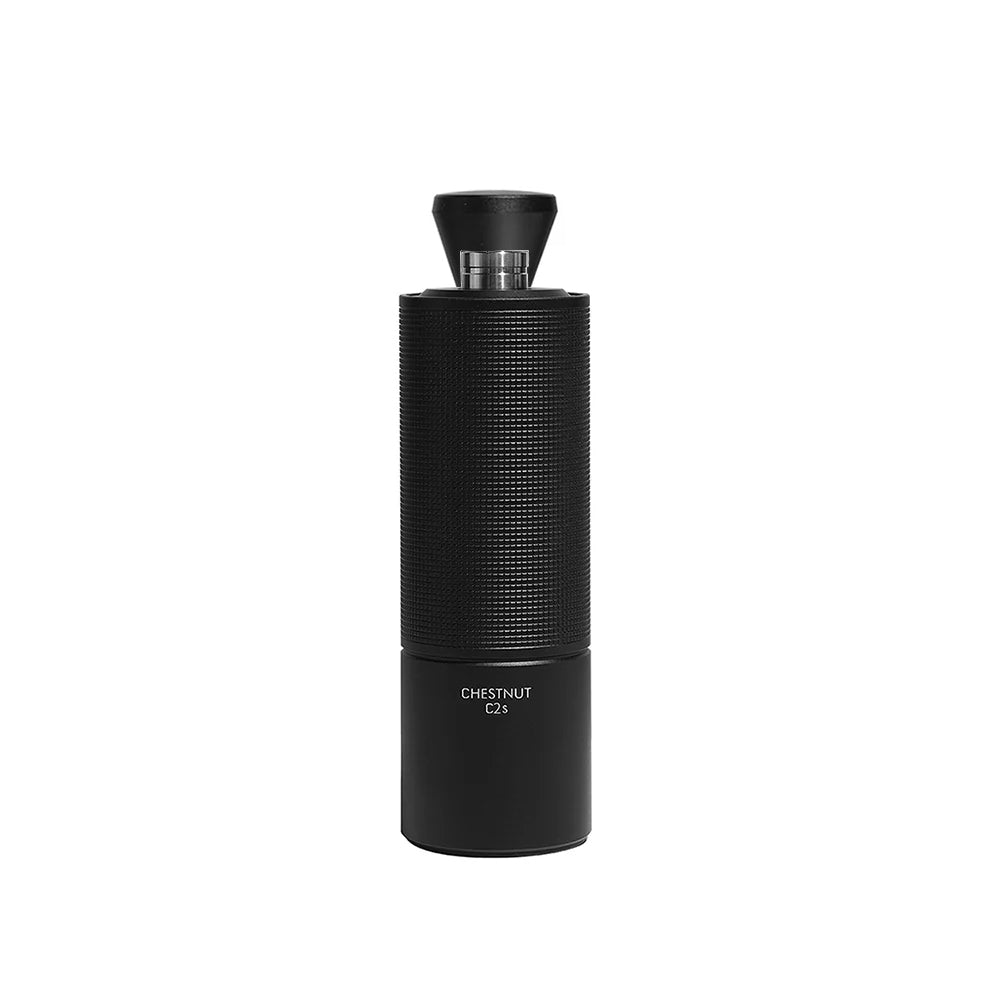

Bob's Red Mill sets the standard for everyday granola — the rolled oats are whole grain and properly toasted, the cluster formation is consistent, and the sweetness from honey and brown sugar is present without being overwhelming. The ingredient list is short and readable: whole grain oats, honey, sunflower oil, brown sugar, vanilla. No artificial additives, no highly processed ingredients. It holds up in milk without turning immediately to mush, and the clusters survive being poured from the bag without crumbling. For a daily breakfast granola that performs consistently, has genuine oat flavor, and doesn't cost premium prices, Bob's Red Mill is the default recommendation. It's not exciting — it's reliable and well-made.
Pros
- ✓Short, readable ingredient list: oats, honey, sunflower oil, brown sugar, vanilla
- ✓Holds up in milk without immediately turning to mush
- ✓Consistent everyday quality without premium pricing
Cons
- ✗Reliable rather than exciting — no complex flavor ambitions
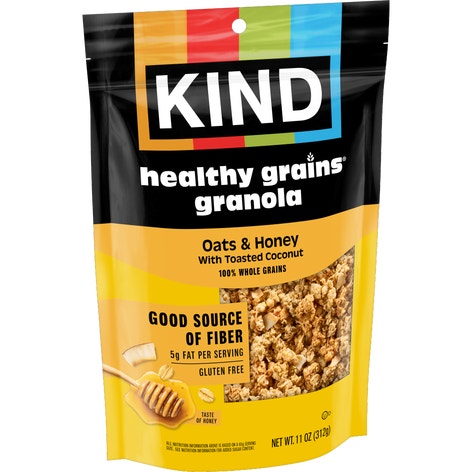
KIND's granola approach is cluster-forward — the oats, quinoa, millet, and amaranth are pressed into firm, distinct clusters that don't disintegrate at contact with liquid. The multi-grain base adds texture complexity that single-grain granolas lack: the quinoa and millet add a mild nuttiness and the toasted coconut deepens the flavor. The sweetness level is moderate — enough to be pleasant, not enough to compete with added yogurt or fruit. The cluster structure makes KIND work particularly well as a topping on yogurt parfaits or acai bowls, where you want the granola to maintain texture rather than soak into the base. The price per ounce is higher than Bob's Red Mill, but the cluster integrity and multi-grain complexity justify it for regular use.
Pros
- ✓Firm clusters keep their texture on yogurt parfaits and acai bowls
- ✓Oats, quinoa, millet, and amaranth add multi-grain complexity
- ✓Moderate sweetness doesn't compete with yogurt or fruit
Cons
- ✗Higher price per ounce than Bob's Red Mill
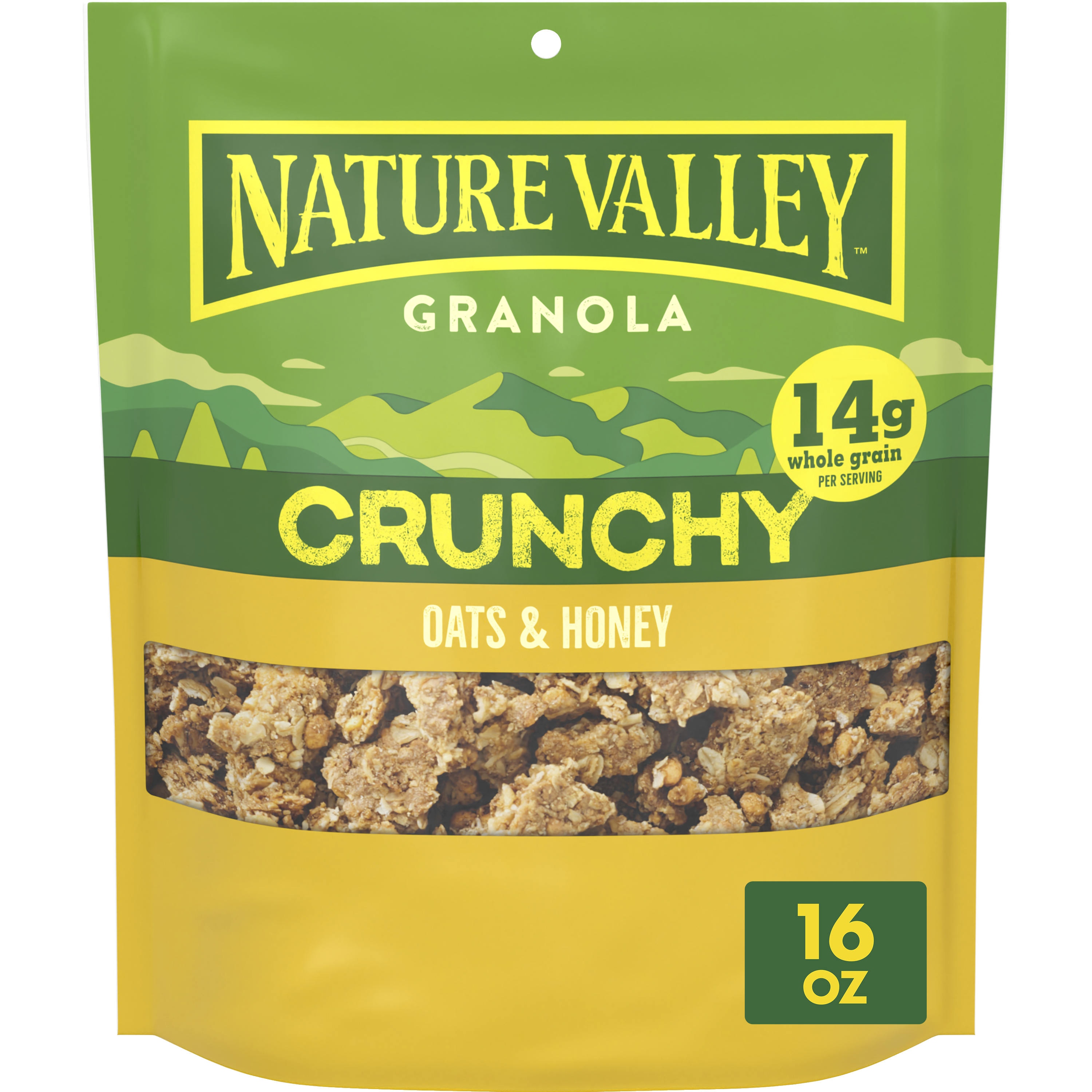
Nature Valley's loose granola format (not the bars) is the mass-market baseline — widely available, consistently priced, and produces the familiar toasted oat flavor that most people associate with granola. The sweetness is higher than Bob's Red Mill, and the ingredient list includes more additives, but the quality is adequate for everyday use. Where Nature Valley genuinely competes: the toasted honey flavor is distinctive and satisfying in a way that more neutral granolas aren't. It's not the cleanest ingredient profile or the most complex flavor, but it's reliably crunchy, available everywhere, and significantly cheaper than premium options. The choice for households where granola is a volume staple rather than a breakfast feature.
Pros
- ✓Distinctive toasted honey flavor with real satisfaction
- ✓Available everywhere at a consistently low price
- ✓Reliably crunchy as a volume staple
Cons
- ✗Sweeter, with more additives than cleaner-label competitors
Subscribe to our newsletter
Occasional updates and new releases — no spam.

Purely Elizabeth represents the artisan end of packaged granola — certified gluten-free oats, coconut sugar instead of refined sugar, coconut oil, and a mix of ancient grains (amaranth, quinoa, millet) with seeds that add genuine nutritional complexity. The flavor is noticeably different from mainstream granolas: the coconut sugar gives a deeper, less sharp sweetness than honey or cane sugar; the coconut oil adds richness; the ancient grains contribute earthy, nutty notes. The clusters are large and crunchy. The price is significantly higher than mass-market options — this is a granola you buy when you want breakfast to be an actual experience rather than a fuel delivery. For people eating granola with yogurt and fresh fruit as a deliberate meal, Purely Elizabeth is worth the premium.
Pros
- ✓Certified gluten-free oats with coconut sugar and coconut oil
- ✓Ancient grains and seeds add genuine nutritional complexity
- ✓Large, lasting crunchy clusters
Cons
- ✗Significantly pricier than mass-market granolas
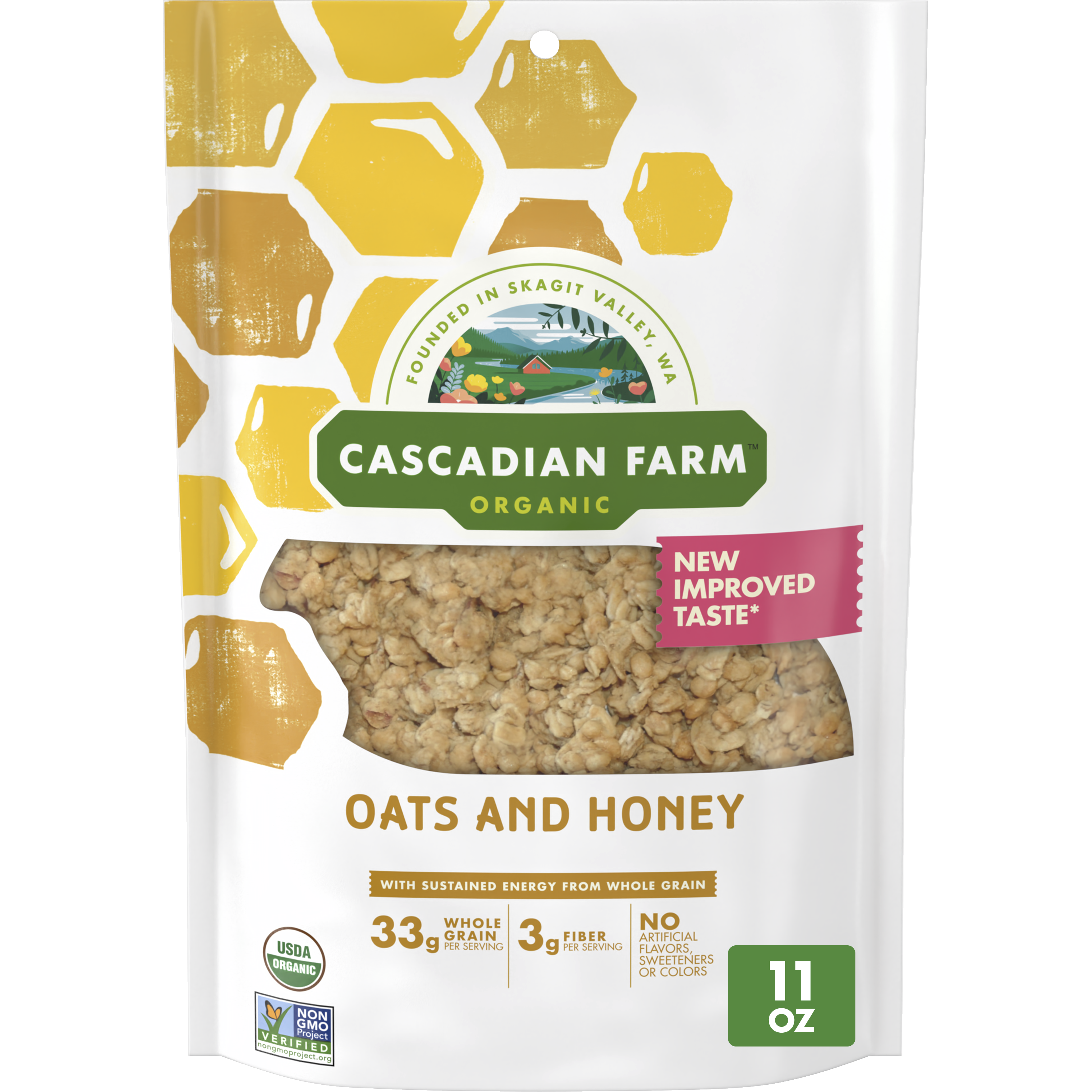
Cascadian Farm offers organic certification at a price point between mainstream and premium — organic rolled oats, organic honey, organic sunflower oil. The flavor profile is similar to conventional honey granolas but with a cleaner finish that organic ingredients often produce when you compare directly. The cluster formation is decent without being as firm as KIND. For households prioritizing organic certification for breakfast staples but not wanting to pay full artisan pricing, Cascadian Farm occupies the right middle ground. The organic certification covers all major ingredients, not just oats. The taste is straightforwardly good — this isn't a granola that tries to be complex, just a well-made organic version of the classic format.
Pros
- ✓Organic certification covers all major ingredients, not just oats
- ✓Cleaner finish than conventional honey granolas
- ✓Mid-price point between mainstream and artisan options
Cons
- ✗Cluster formation less firm than KIND
Which one is right for you?
Best Overall Granola
Bob's Red Mill Old Fashioned Granola
Bob's Red Mill sets the standard for everyday granola — the rolled oats are whole grain and properly toasted, the cluster formation is consistent, and the honey and brown sugar sweetness is present without overwhelming the oats.
Best Clusters Granola
KIND Healthy Grains Granola
KIND's granola approach is cluster-forward — the oats, quinoa, millet, and amaranth are pressed into firm, distinct clusters that hold their shape in milk instead of collapsing into mush.
Best Value Granola
Nature Valley Oats & Honey Granola
Nature Valley's loose granola format (not the bars) is the mass-market baseline — widely available, consistently priced, and provides the familiar toasted-oat flavor most people expect from granola.
Best Premium Granola
Purely Elizabeth Ancient Grain Granola
Purely Elizabeth represents the artisan end of packaged granola — certified gluten-free oats, coconut sugar instead of refined sugar, coconut oil, and an ancient-grain and seed mix that adds real nutritional complexity.
Best Organic Granola
Cascadian Farm Organic Granola
Cascadian Farm offers organic certification at a price point between mainstream and premium — organic rolled oats, organic honey, and organic sunflower oil, at a price between mainstream and premium.
How to Choose Granola
Cluster structure, sweetness level, and ingredient quality are the three factors that determine whether a granola earns a permanent spot in your pantry.
Bottom line
For daily breakfast granola that delivers consistent quality without premium pricing, Bob's Red Mill is the reliable default. KIND is the choice when cluster integrity and multi-grain complexity matter — particularly for yogurt parfaits where texture contrast is the point. Purely Elizabeth is the premium step up for households where granola is a deliberate meal rather than a quick breakfast option. The key metric when evaluating any granola: how much of the flavor is coming from quality oat toasting versus added sugar masking mediocre ingredients. Good granola tastes like toasted grain and honey; poor granola tastes like sugar with oat texture.
Frequently asked questions
Is granola actually healthy?▼
How should I store granola to keep it crunchy?▼
Can I make granola at home cheaper than buying it?▼
What's the difference between granola and muesli?▼
Prices change. Check the retailer for the current price.
Comments & questions
Discussion happens on nattzy, our community forum. Sign in with Google to post — it takes a second.
Related articles
Food
Best Toaster 2026: 5 Compared
Best Toaster 2026: 5 Compared

Best Protein Powder 2026: 5 Compared

ConoHa WING review (2026): setup, speed and pricing
Best JP rental server 2026: 5 hosts ranked

Best LED Face Masks 2026: 3 Light Therapy Devices Compared
Best Robot Vacuums 2026: 5 Models Compared Honestly