Best Matcha Powder 2026: Ceremonial vs Culinary Grade
Not all matcha is created equal. The same bright-green powder category spans ceremonial-grade single-origin Japanese teas and cheap culinary blends that turn gray in a latte. Five widely available options are compared here on grade, origin, harvest and price per serving to separate the worth-it from the skip-it.
Quick answer
For most drinkers, Jade Leaf Ceremonial is the pick — Uji-origin ceremonial grade with vibrant color and mild umami at a price dramatically below the heritage brands. Ippodo's Kan-no-Shiro, from a Kyoto house selling tea since 1717, is the flagship whose deep neon green shows before you taste it, Encha's latte grade holds color in steamed oat milk, Aiya's cooking grade suits baking, and ITO EN's Matcha Love is the most widely stocked.
We assessed each product on flavor profile, sourcing transparency, value per serving, packaging integrity, and how well it performed across common use cases. Documented certifications and verified user reviews were cross-checked against marketing claims.
Best Overall: Ippodo has been selling tea in Kyoto since 1717, and Kan-no-Shiro is their flagship ceremonial grade. The color is a deep, almost neon green — visually you can tell before tasting.
Top picks ↓| Product | Price | Link |
|---|---|---|
| — | ||
| $19.99Reference price | ||
| $26.99Price as of 2026-09-24 | ||
| $22.99Reference price | ||
| $15.74Reference price |
Top picks
Related articles
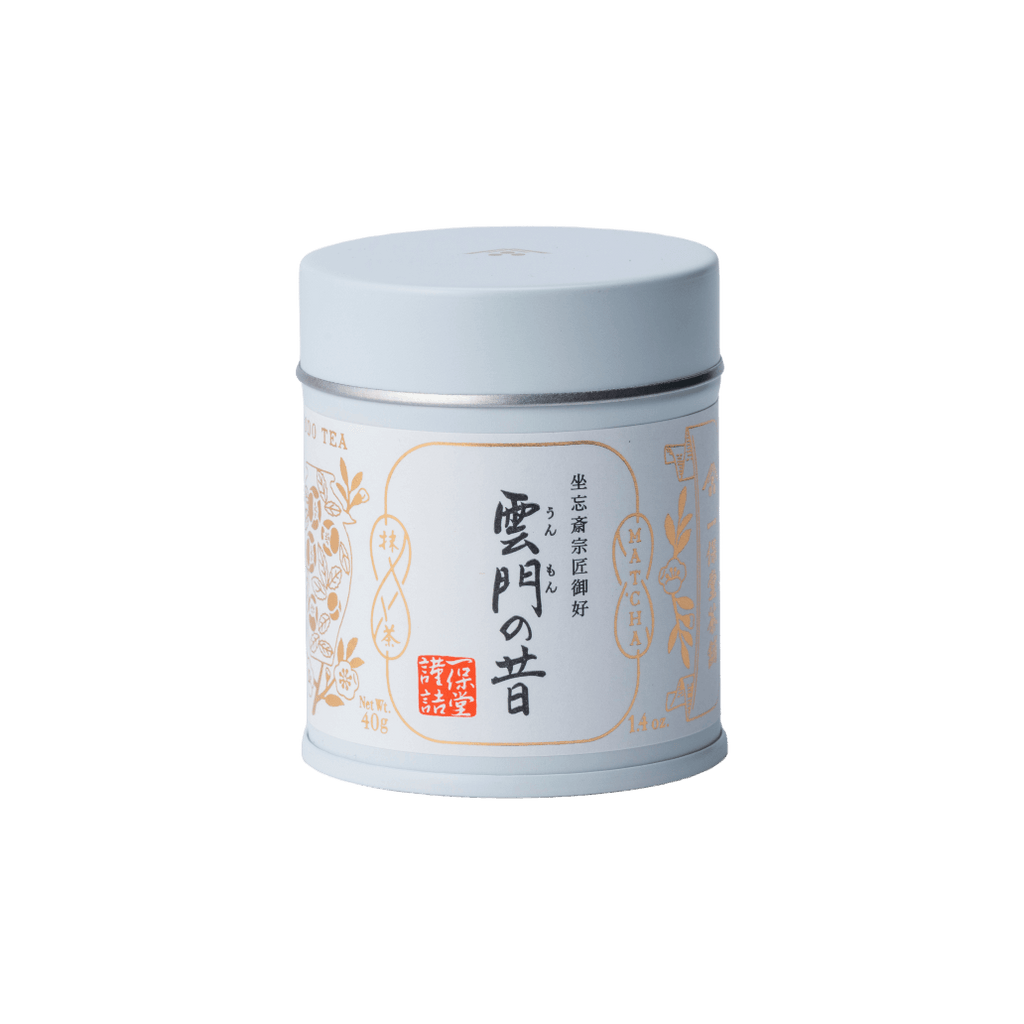


Ippodo has been selling tea in Kyoto since 1717, and Kan-no-Shiro is their flagship ceremonial grade. The color is a deep, almost neon green — visually you can tell before tasting. Whisked traditionally it's creamy, naturally sweet with almost no bitterness. L-theanine content tests high. The price reflects the terroir and shade-growing process, but if you're serious about matcha, this is the reference point.
Pros
- ✓Kyoto tea house heritage since 1717 — flagship ceremonial grade
- ✓Deep, vivid green color signals the quality before tasting
- ✓Creamy, naturally sweet whisked flavor with almost no bitterness
Cons
- ✗Premium price reflecting Uji terroir and shade-growing
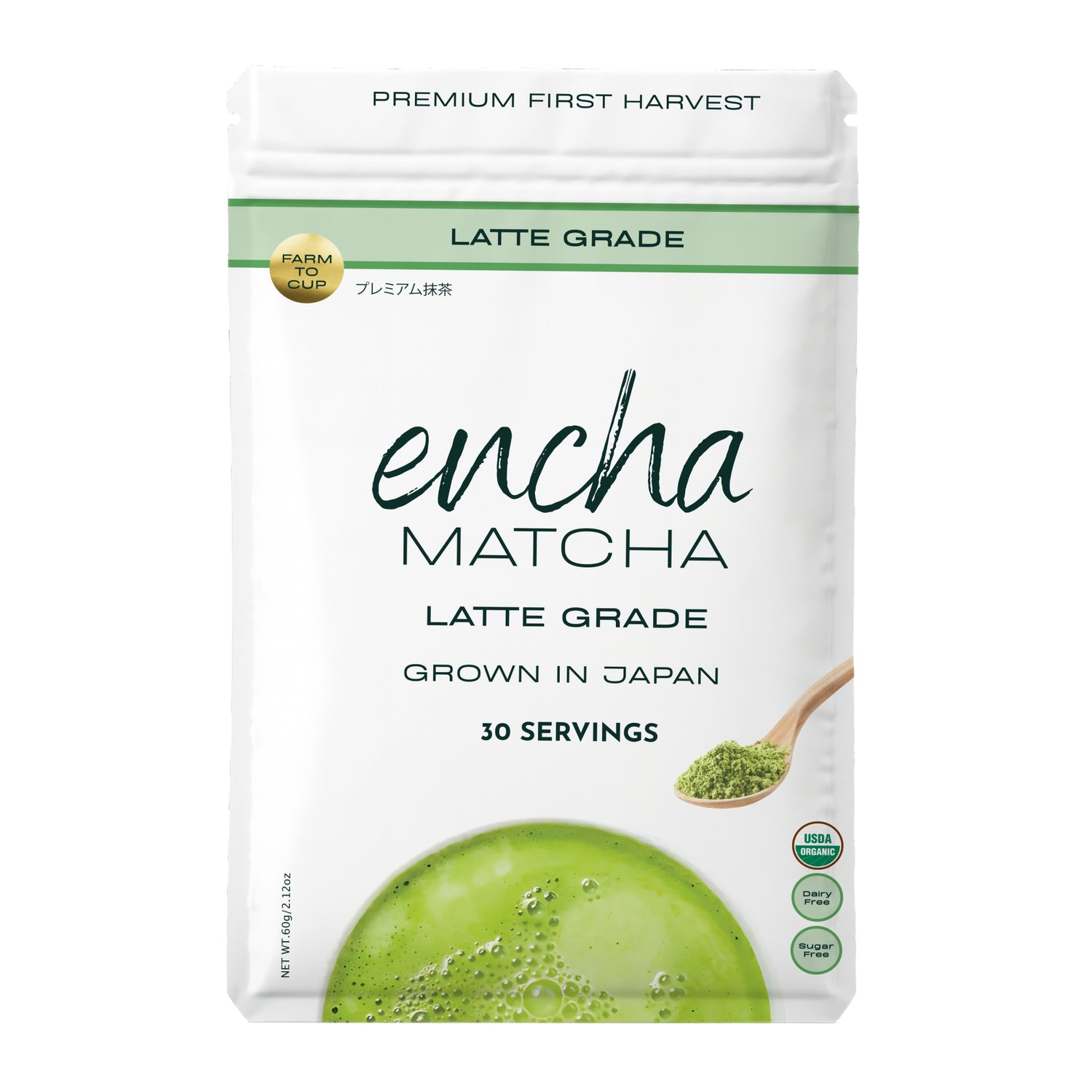
Encha sources from a single farm in Uji, Kyoto and their latte grade is specifically tuned for milk-based drinks. It holds up to steamed oat milk without losing color or flavor — something cheaper grades can't manage. The earthier profile that's less ideal for a straight thin tea actually shines through dairy. USDA organic certified. For anyone primarily making matcha lattes, this is the most cost-effective serious option.
Pros
- ✓Latte grade tuned to hold color and flavor through steamed milk
- ✓Single-farm Uji sourcing with USDA organic certification
- ✓Most cost-effective serious option for daily lattes
Cons
- ✗Earthier profile less suited to drinking straight as thin tea
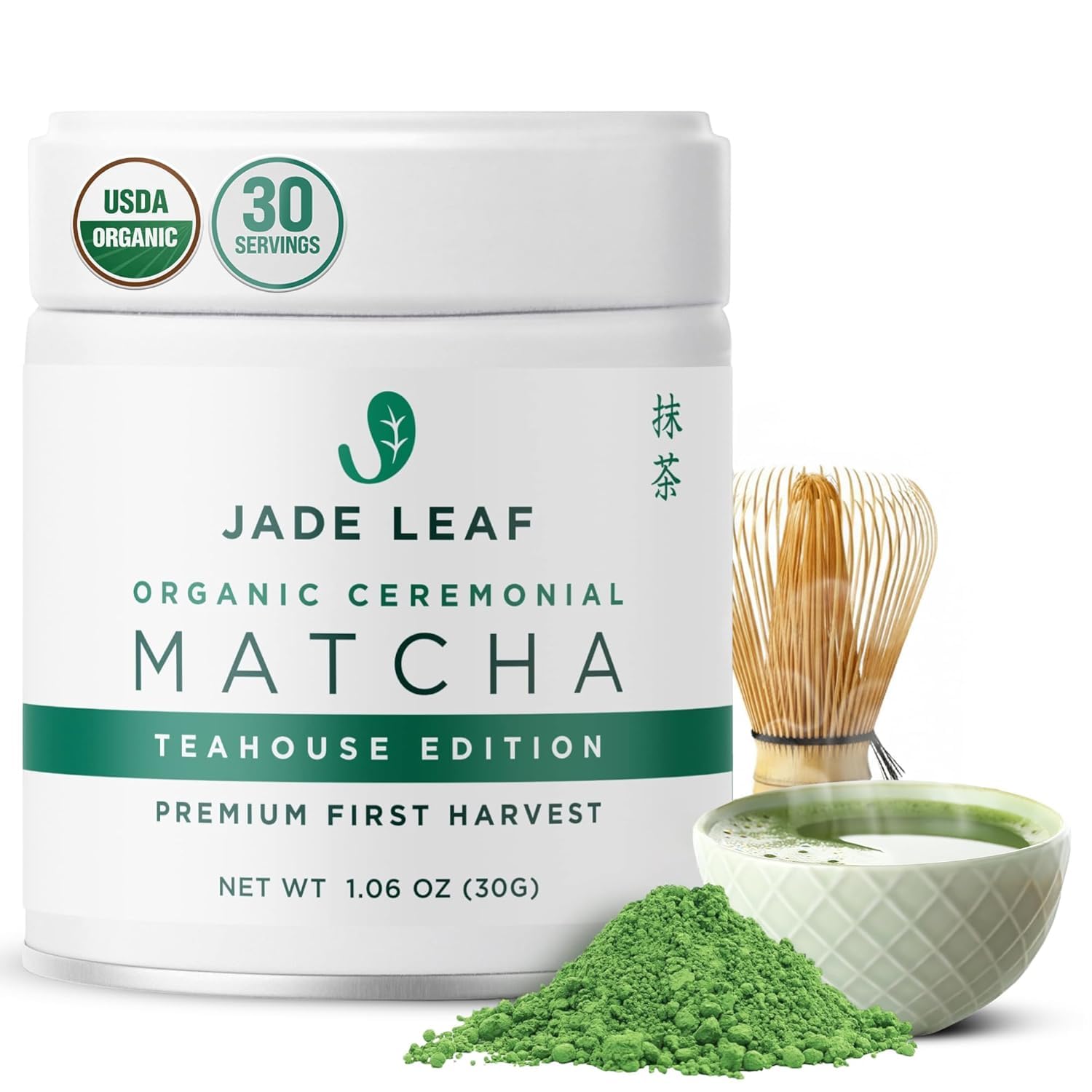
Jade Leaf Organic Ceremonial Matcha
Jade Leaf punches well above its price. Ceremonial grade with an Uji origin, reasonably vibrant color, and mild umami flavor. Not as complex as Ippodo but dramatically better than mass-market options at roughly half the price. Good daily driver for someone who wants real matcha quality without the premium commitment. Slight grassy note that some appreciate and others don't — try the sample size first.
Pros
- ✓Uji-origin ceremonial grade at roughly half the premium price
- ✓Dramatically better than mass-market options for a daily driver
- ✓Sample size available to test before committing
Cons
- ✗Slight grassy note divides opinion — less complex than Ippodo
Subscribe to our newsletter
Occasional updates and new releases — no spam.

Aiya is one of the largest dedicated matcha producers in Japan. Their cooking grade is meant for recipes where matcha is mixed with other strong flavors — baked goods, smoothies, ice cream. At this price it makes sense economically (you'd go broke using ceremonial grade in muffins). The color holds reasonably well in baked applications. Not for drinking straight, but excellent for recipes where you want real matcha flavor without spending on ceremonial grade.
Pros
- ✓Purpose-built cooking grade from one of Japan's largest matcha producers
- ✓Economical enough for baked goods, smoothies, and ice cream
- ✓Color holds reasonably well through baking
Cons
- ✗Not for drinking straight

ITO EN's Matcha Love line is the most widely distributed in Western grocery stores. The unsweetened powder is a solid middle ground — better than mass-market blends, below dedicated ceremonial grades. Convenient single-serve sachets exist if you want portability. The flavor is pleasant if unexciting: mildly grassy, slightly bitter, not deeply umami. For someone new to matcha deciding if they like it before investing in premium options, this is a reasonable starting point.
Pros
- ✓Widest distribution in Western grocery stores
- ✓Single-serve sachets available for portability
- ✓Reasonable entry point before investing in premium grades
Cons
- ✗Mildly grassy, slightly bitter flavor without deep umami
Which one is right for you?
Best Overall
Ippodo Kan-no-Shiro
Ippodo has been selling tea in Kyoto since 1717, and Kan-no-Shiro is their flagship ceremonial grade.
Best for Lattes
Encha Latte Grade Organic Matcha
Encha sources from a single farm in Uji, Kyoto and their latte grade is specifically tuned for milk-based drinks.
Best Value Ceremonial
Jade Leaf Organic Ceremonial Matcha
Jade Leaf punches well above its price.
Best for Baking
Aiya Cooking Grade Matcha
Aiya is one of the largest dedicated matcha producers in Japan.
Most Accessible
Matcha Love Unsweetened Powder
ITO EN's Matcha Love line is the most widely distributed in Western grocery stores.
How to Choose Matcha Powder
Grade labeling in matcha has no legal standard. Here's what actually matters.
Bottom line
Ippodo Kan-no-Shiro is the clear choice for traditional preparation. For lattes, Encha's latte grade holds up to milk better than most. If you're baking regularly, Aiya's cooking grade is the economical pick. The main trap to avoid: paying ceremonial prices for something you'll blend into a smoothie, or buying a cheap blend and concluding you don't like matcha.
Frequently asked questions
What's the difference between ceremonial and culinary grade matcha?▼
Is Japanese matcha worth the price premium over cheaper alternatives?▼
How much caffeine is in matcha compared to coffee?▼
How should I store matcha after opening?▼
Prices change. Check the retailer for the current price.
Comments & questions
Discussion happens on nattzy, our community forum. Sign in with Google to post — it takes a second.
Related articles
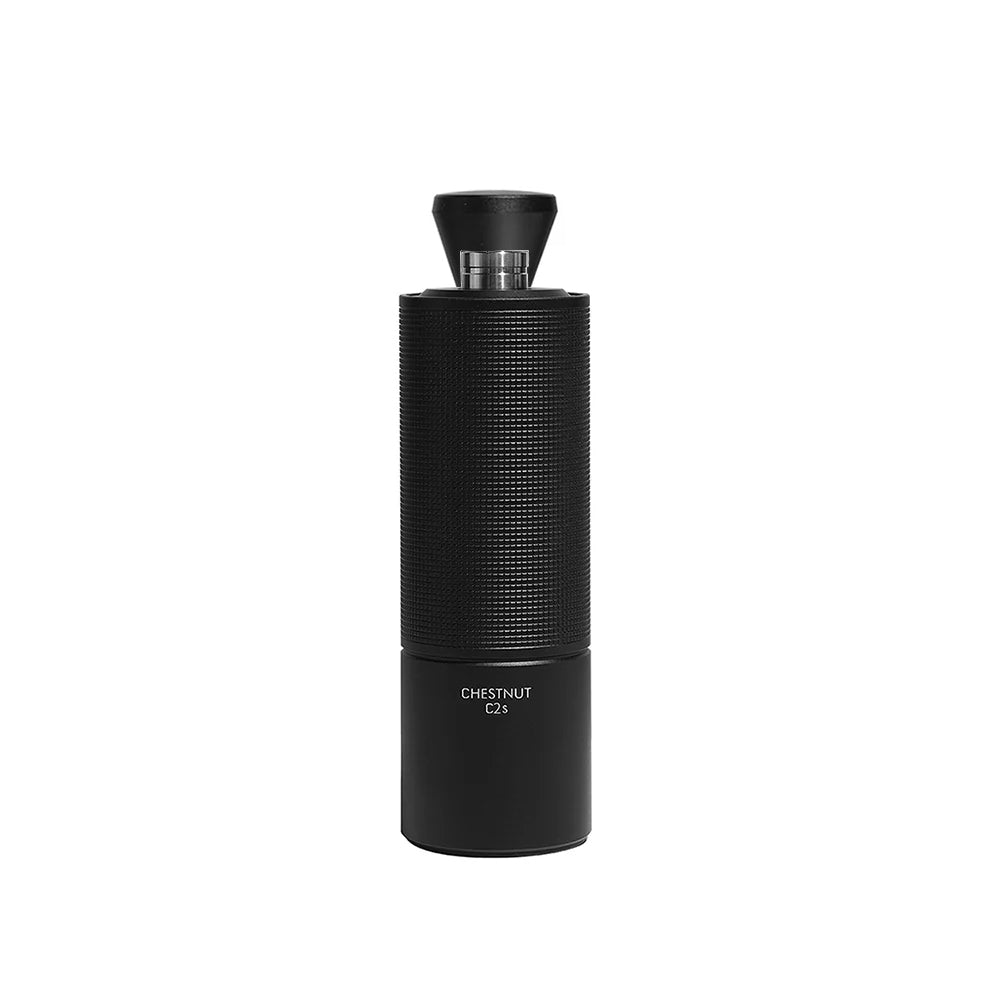
Best Coffee Grinders 2026: Five mills side-by-side
Food
Best Rice Cookers 2026: 5 Top Models Compared
Best Rice Cookers 2026: 5 Top Models Compared

ConoHa WING review (2026): setup, speed and pricing
Best JP rental server 2026: 5 hosts ranked
Best LED Face Masks 2026: 3 Light Therapy Devices Compared
Best Robot Vacuums 2026: 5 Models Compared Honestly