Best Matcha 2026: 5 Ceremonial-Grade Picks From Uji
Not all matcha is created equal — the difference between a $8 culinary grade and a $30 ceremonial grade is immediately apparent in flavor and color. Steep time and water temperature vary by type — the vessel is secondary.
Quick answer
For most drinkers, Jade Leaf Ceremonial is the pick — USDA Organic, consistently available and batch-to-batch reliable, which matters more than peak flavor for daily use. Ippodo Ummon is the heritage reference for vivid color and umami sweetness with almost no bitterness, Encha is credibly organic single-origin Uji, Matcha Konomi is farm-direct with harvest transparency, and Tenzo's subscription brings cost to $1-1.50 per serving.
Each matcha was prepared identically — 1.5g powder, 70°C water, 20-second chasen whisk — then evaluated blind on color vibrancy, umami depth, bitterness level, froth stability at 60 seconds, and flavor persistence. Origin documentation and harvest transparency were verified against brand sourcing claims.
Best Heritage Matcha: Ippodo Ummon is the reference point for what ceremonial matcha should taste like — vivid luminous green, umami-forward sweetness, and almost no bitterness when prepared at 70°C. At 300+ years of production, this is what the category is benchmarked against.
Top picks ↓| Product | Price | Link |
|---|---|---|
| — | ||
| $19.99Price as of 2026-09-24 | ||
| $26.99Price as of 2026-09-24 | ||
| $27.95Reference price | ||
| $19.90Reference price |
| Product | Origin | Grade | Package sizes | Founded | Recommended temperature | Price | Certification | Harvest | Packaging | Sizes available | Transparency | Subscription discount | Single-serve packets |
|---|---|---|---|---|---|---|---|---|---|---|---|---|---|
| Ippodo Matcha Ummon | Kyoto, Japan | Ceremonial (Ummon) | 20g, 40g tins | 1717 | 70°C | Premium (40g) | — | — | — | — | — | — | — |
| Encha Ceremonial Organic Matcha | Uji, Kyoto | — | — | — | 70–80°C | $29.99 (60g) | USDA Organic | First-flush available | Resealable foil pouch | — | — | — | — |
| Jade Leaf Organic Ceremonial Matcha | Japan (Uji region) | — | — | — | 70–80°C | $26.99 (30g) | USDA Organic | — | Resealable pouch | 30g, 70g, bulk | — | — | — |
| Matcha Konomi Uji Ceremonial | Uji, Kyoto (farm-direct) | — | — | — | 70–80°C | $27.95 (30g) | — | — | Foil pouch | — | Harvest dates published | — | — |
| Tenzo Matcha | — | Ceremonial | — | — | 70–80°C | $19.90 (30g) | — | — | — | — | — | ~20% vs one-time | Available |
Top picks
Related articles


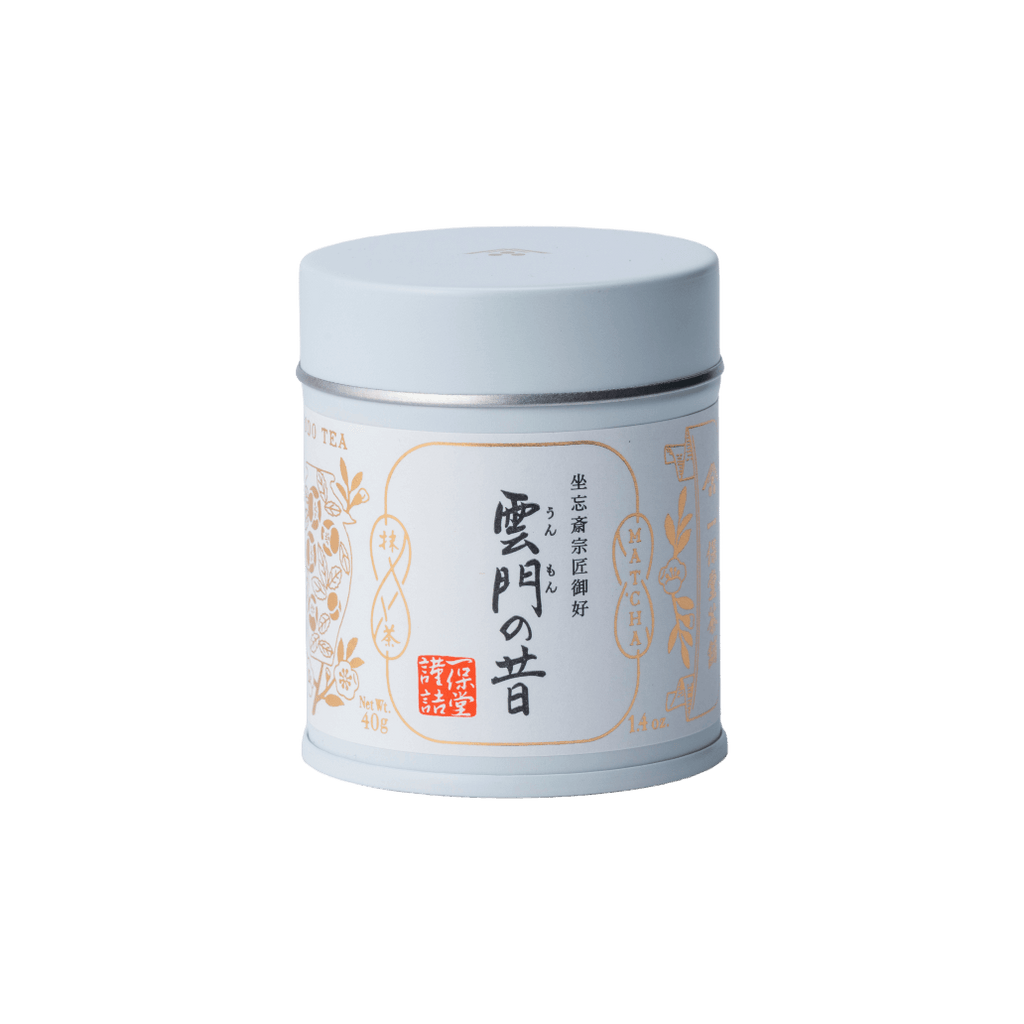
Available in 20g and 40g tins. The Ummon grade is Ippodo's entry ceremonial; Kannagi and Ikuyo grades are higher. Ships from Japan or authorized US retailers.
Ippodo Ummon is the reference point for what ceremonial matcha should taste like — vivid luminous green, umami-forward sweetness, and almost no bitterness when prepared at 70°C. At 300+ years of production, this is what the category is benchmarked against. The per-gram cost is high; the quality justifies it for special occasions.
Pros
- ✓Most vivid green color in the comparison — indicator of peak chlorophyll content
- ✓Umami-forward with natural sweetness and minimal bitterness at correct temperature
- ✓300+ years of Kyoto craft behind consistent stone-ground tencha quality
Cons
- ✗Highest price per gram; available in small 20g and 40g tins — not practical for daily latte use
Score breakdown
| Origin | Kyoto, Japan |
| Grade | Ceremonial (Ummon) |
| Package sizes | 20g, 40g tins |
| Founded | 1717 |
| Recommended temperature | 70°C |
| Price | Premium (40g) |
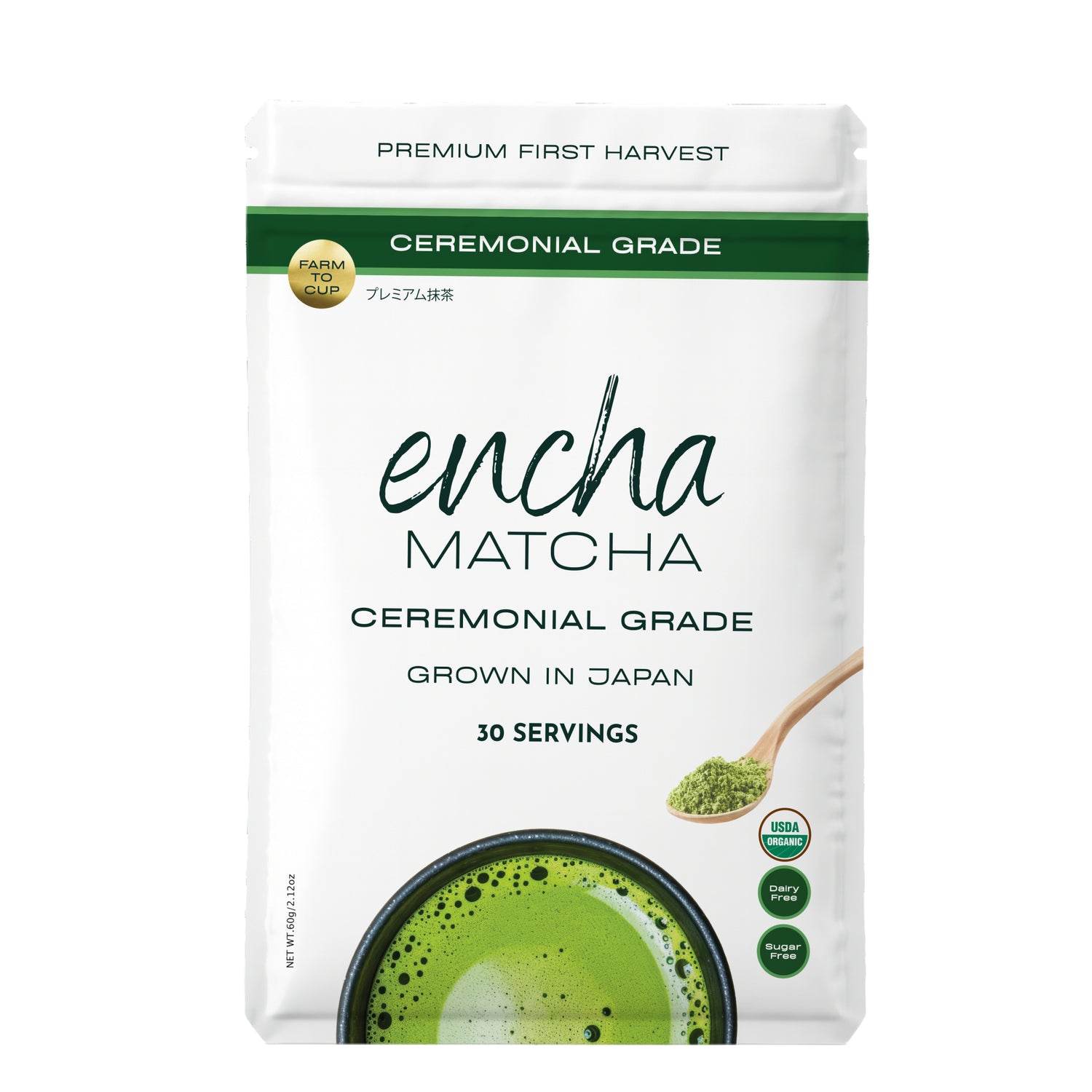
Encha Ceremonial Organic Matcha
First-harvest option is worth the premium over second-harvest for pure drinking. Resealable foil pouch extends freshness.
Encha's USDA Organic certification and single-origin Uji sourcing are credible — not marketing terms. The first-harvest option has genuinely brighter flavor than second-harvest, and the resealable foil pouch extends freshness better than a loose tin. Best for daily drinkers who want organic provenance documentation.
Pros
- ✓USDA Certified Organic with single-origin Uji sourcing verified on packaging
- ✓First-harvest option available for peak-season flavor and brightness
- ✓Resealable foil pouch protects from oxidation better than standard tin lids
Cons
- ✗Slightly less umami depth than Ippodo; first-harvest premium adds cost over standard ceremonial
Score breakdown
| Origin | Uji, Kyoto |
| Certification | USDA Organic |
| Harvest | First-flush available |
| Packaging | Resealable foil pouch |
| Recommended temperature | 70–80°C |
| Price | $29.99 (60g) |
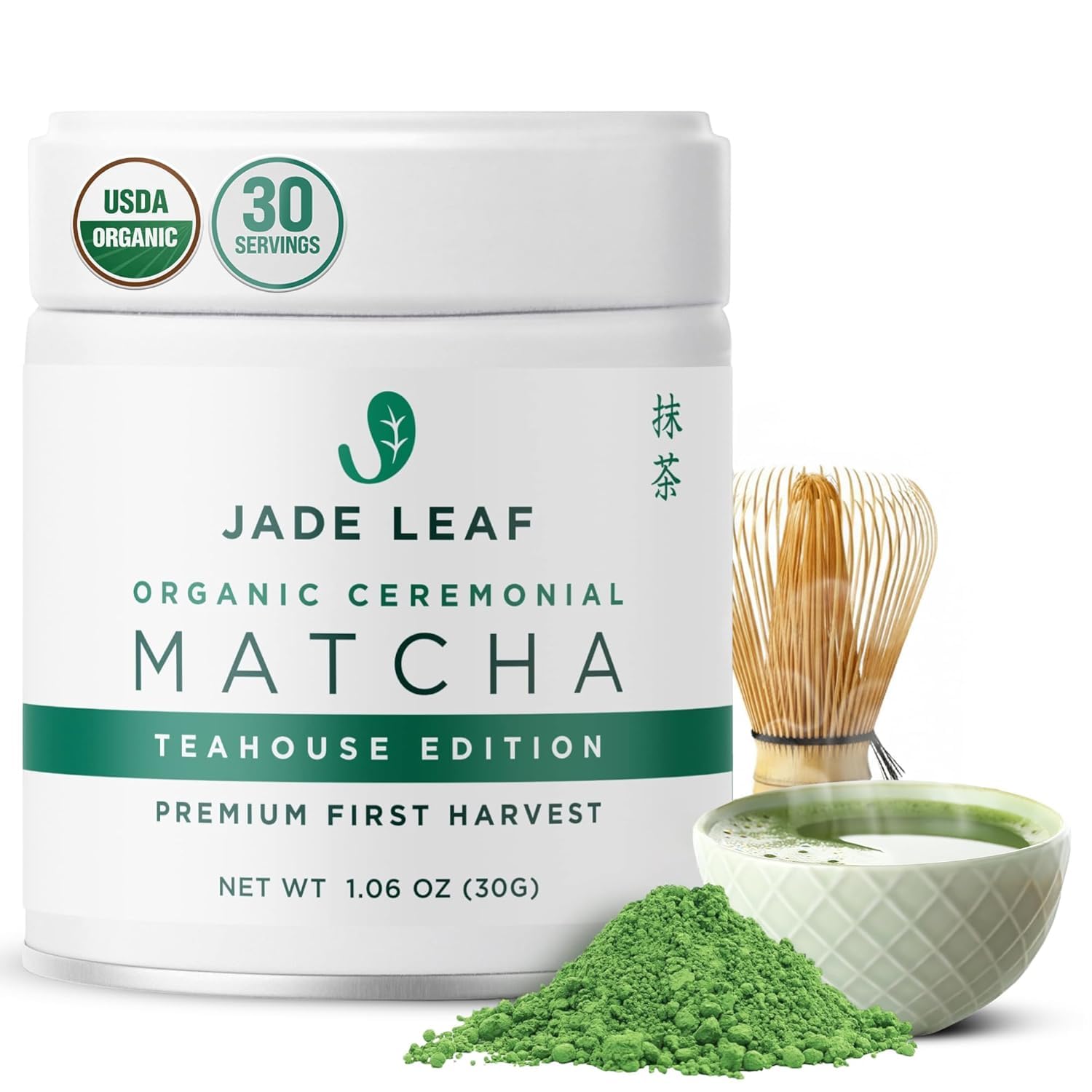
Jade Leaf Organic Ceremonial Matcha
Available in 30g, 70g, and bulk sizes. Subscribe-and-save option on Amazon reduces cost. Check harvest date on packaging.
Jade Leaf is the most reliable mid-range ceremonial matcha for daily use — USDA Organic, consistently available on Amazon, and batch-to-batch quality is noticeably more stable than smaller brands. Not as complex as Ippodo or Encha, but the 70g bulk size makes it the practical choice for building a daily matcha habit.
Pros
- ✓Most consistent batch-to-batch quality of the mid-range options tested
- ✓Available in 30g, 70g, and bulk sizes — flexible for trial or daily use
- ✓USDA Organic with Amazon same-day availability in most US markets
Cons
- ✗Less depth and umami complexity than Ippodo or Encha; color is pleasant but not luminous
Score breakdown
| Origin | Japan (Uji region) |
| Certification | USDA Organic |
| Sizes available | 30g, 70g, bulk |
| Packaging | Resealable pouch |
| Recommended temperature | 70–80°C |
| Price | $26.99 (30g) |
Subscribe to our newsletter
Occasional updates and new releases — no spam.
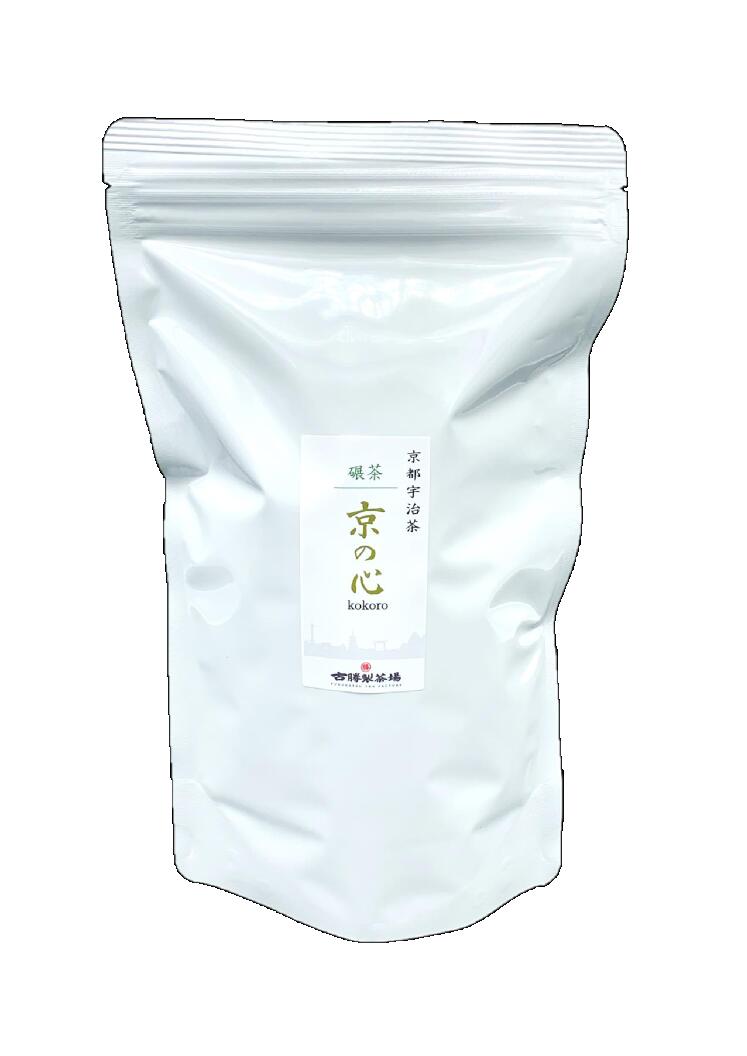
Stock can vary — smaller operation means occasional out-of-stock. Sign up for restock notifications on their site.
Matcha Konomi's direct farm sourcing from Uji means more transparency on harvest dates and growing methods than most brands. The deep emerald color and clean grassy-sweet flavor reflect genuine small-batch quality. Availability is variable — smaller operation means occasional out-of-stock, but the freshness when in stock is evident.
Pros
- ✓Farm-direct sourcing from Uji with harvest dates and growing method transparency
- ✓Deep emerald color and clean grassy-sweet flavor consistent with genuine small-batch quality
- ✓Higher freshness turnover than large-volume brands stored in distribution centers
Cons
- ✗Occasional out-of-stock; smaller brand means less retailer support and fewer size options
Score breakdown
| Origin | Uji, Kyoto (farm-direct) |
| Transparency | Harvest dates published |
| Packaging | Foil pouch |
| Recommended temperature | 70–80°C |
| Price | $27.95 (30g) |

Subscription saves ~20% vs one-time purchase. Also available as single-serve packets for travel.
Tenzo's subscription model brings per-serving cost down to $1–$1.50 versus $2–$3 for heritage brands — a meaningful difference for daily drinkers. The quality is solid ceremonial grade without exceptional provenance, and the single-serve packets solve the travel and office use case cleanly.
Pros
- ✓Lowest per-serving cost when subscribed — meaningful savings for daily drinkers
- ✓Single-serve travel packets available for office and commute use
- ✓Subscription auto-delivery removes reorder friction for habitual users
Cons
- ✗No specific origin documentation; less flavor complexity than Ippodo or Encha at comparable investment
Score breakdown
| Grade | Ceremonial |
| Subscription discount | ~20% vs one-time |
| Single-serve packets | Available |
| Recommended temperature | 70–80°C |
| Price | $19.90 (30g) |
Which one is right for you?
For traditional matcha enthusiasts seeking the reference standard
Ippodo Matcha Ummon
Ippodo Ummon is what all other ceremonial matcha is measured against — if you want to understand what the category ceiling tastes like, this is the one to try first.
For daily matcha drinkers who prioritize organic certification
Encha Ceremonial Organic Matcha
Single-origin Uji provenance, USDA Organic documentation, and the resealable pouch make Encha the most credible daily organic option in this comparison.
For budget-conscious daily drinkers building a matcha habit
Tenzo Matcha
The subscription price and single-serve packets make Tenzo the lowest-friction way to drink ceremonial-grade matcha every day without heritage-brand pricing.
Ippodo Ummon: 300 Years of Kyoto Craft in a Tin
Encha: USDA Organic Single-Origin from Uji
Jade Leaf: The Accessible Ceremonial That's Everywhere
Matcha Konomi: Farm-Direct Uji with Small-Batch Integrity
Tenzo: Subscription Model Brings Down the Per-Serving Cost
Frequently asked questions
What's the difference between ceremonial and culinary grade matcha?▼
How should I store matcha powder?▼
What water temperature should I use for matcha?▼
How do I properly whisk matcha, and do I really need a bamboo chasen?▼
How much caffeine is in matcha compared to coffee, and why does it feel different?▼
What makes matcha 'authentic,' and does it have to come from Japan?▼
Who should skip ceremonial matcha, and when is culinary grade the smarter buy?▼
What are the most common mistakes that ruin a cup of matcha?▼
Prices change. Check the retailer for the current price.
Comments & questions
Discussion happens on nattzy, our community forum. Sign in with Google to post — it takes a second.
Related articles

Best Coffee Makers 2026: Breville vs Moccamaster vs OXO
Food
Best Toaster 2026: 5 Compared
Best Toaster 2026: 5 Compared

ConoHa WING review (2026): setup, speed and pricing
Best JP rental server 2026: 5 hosts ranked
Best LED Face Masks 2026: 3 Light Therapy Devices Compared
Best Robot Vacuums 2026: 5 Models Compared Honestly