Best Rewards Credit Cards 2026: 5 Compared for Points
A rewards credit card can earn you hundreds of dollars in travel, cash back, or statement credits each year — but only if the card's earning structure matches how you actually spend. The $95 Chase Sapphire Preferred and the $0 Bilt Mastercard both made this list because they solve different problems. Annual fee is not a reliable proxy for value: the $395 Capital One Venture X consistently pays for itself for frequent travelers, while the $250 Amex Gold delivers outsized returns specifically for food and dining spending.
Quick answer
Among these five, the Chase Sapphire Preferred is the broadest fit: 3x on dining and streaming, 2x on travel, transfer partners including Hyatt, United and British Airways, and a $50 hotel credit that trims the $95 fee to about $45. The Amex Gold pays 4x at restaurants and U.S. supermarkets for a $250 fee largely offset by $120 Uber Cash plus $120 dining credits. Capital One Venture X bundles unlimited Priority Pass, Citi Custom Cash pays 5% automatically on your top category, and Bilt rewards rent fee-free.
Each card was evaluated on effective annual fee after credits, earning rates by spending category, transfer partner quality and breadth, travel protections, and practical value for three profiles: moderate spender, frequent diner, and frequent traveler.

Chase Sapphire Preferred Card
Best Overall: The Chase Sapphire Preferred earns 3x on dining and streaming, 2x on travel, and 1x everywhere else — with access to Chase's transfer partner network that includes Hyatt, United, British Airways, and Air France. Points are worth 1.25 cents each redeemed through Chase Travel, or up to 2.5 cents when transferred to Hyatt for peak-season hotel bookings.
| Product | Price | Link |
|---|---|---|
| $95〜95Reference price |
Top picks
Related articles
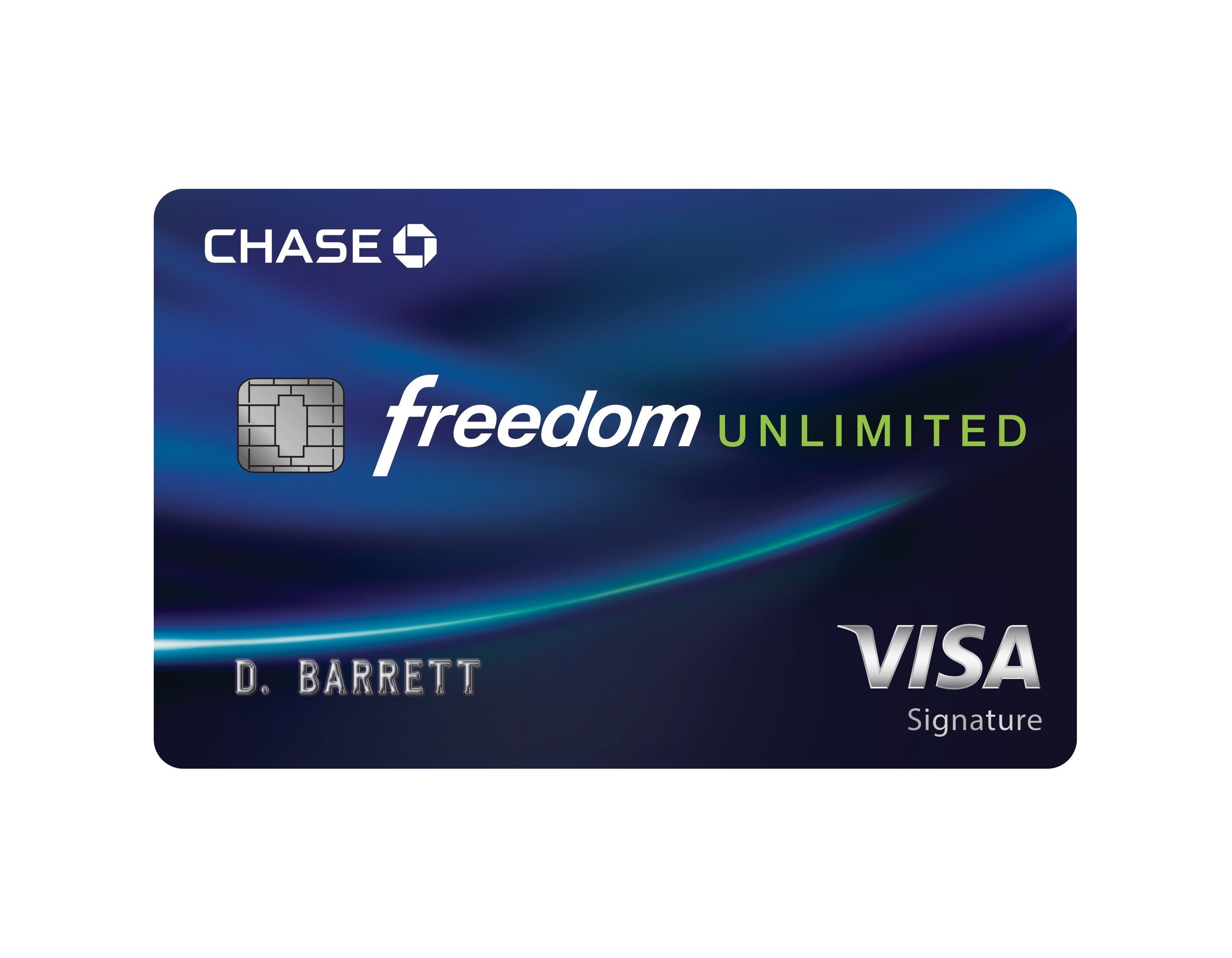


The Chase Sapphire Preferred earns 3x on dining and streaming, 2x on travel, and 1x everywhere else — with access to Chase's transfer partner network that includes Hyatt, United, British Airways, and Air France. Points are worth 1.25 cents each redeemed through Chase Travel, or up to 2.5 cents when transferred to Hyatt for peak-season hotel bookings. The $95 annual fee is offset by a $50 annual hotel credit through Chase Travel, making the effective cost $45 for most cardholders.
Pros
- ✓3x on dining and streaming, 2x on travel — balanced for moderate spenders
- ✓Transfer partners include Hyatt, United, British Airways — strong redemption upside
- ✓Primary rental car insurance and trip cancellation coverage up to $10,000/person
Cons
- ✗2x on general travel is lower than competitors like Venture X (2x) or Amex Gold (3x on flights)
- ✗$500/month dining cap does not apply but no grocery multiplier outside of select delivery apps
How to pick the right rewards card for your spending
Most people overestimate the importance of the sign-up bonus and underestimate the long-term earning structure. A 60,000-point sign-up bonus worth $750 is a one-time event; the ongoing multipliers on dining, travel, or groceries determine whether a card stays valuable for years.
Bottom line
For most people who travel occasionally and spend heavily on dining, the Chase Sapphire Preferred at $95 per year remains the best single-card solution — strong multipliers, excellent travel protections, and a transfer partner network that rewards users who learn to optimize redemptions. The Amex Gold is worth the higher fee if dining and grocery spending is high enough to exhaust the credits.
The Capital One Venture X is the best premium card for frequent travelers who want simplicity — the lounge access and annual credits make it self-funding. The Citi Custom Cash and Bilt Mastercard solve specific problems: the Custom Cash is the best 5% card for focused category spenders, and Bilt is the only card that turns rent into points. Most cardholders would benefit from pairing one premium travel card with either Bilt (renters) or Citi Custom Cash (targeted cash back) rather than trying to cover every category with a single card.
Frequently asked questions
Which rewards credit card has the best sign-up bonus in 2026?▼
Is the Capital One Venture X worth $395 per year?▼
Can you earn points on rent with a credit card?▼
What is the Citi Custom Cash best used for?▼
Do any of these cards have foreign transaction fees?▼
Prices change. Check the retailer for the current price.
Comments & questions
Discussion happens on nattzy, our community forum. Sign in with Google to post — it takes a second.
Related articles

Best Balance Transfer Cards 2026: 5 Compared for 0% APR

Best Credit Monitoring Services in 2026: Ranked

Best Electric Toothbrush 2026: 5 models compared honestly

Best Air Purifier 2026: 5 models compared honestly

ConoHa WING review (2026): setup, speed and pricing
Best JP rental server 2026: 5 hosts ranked