Meilleures chaussettes de compression 2026 : 5 comparés
5 options comparées à partir des spécifications publiées, de la documentation constructeur et de tests indépendants.
Cette comparaison repose sur une recherche documentaire : spécifications publiées, documentation constructeur, tests et avis indépendants.
🏆 Meilleures pour le voyage: Les Sockwell Circulator Compression Socks sont le choix voyage. Mélange laine mérinos, compression graduée 15-20 mmHg, coussinet ciblé à la plante et au talon.
Aucune boutique partenaire ici — ceci ouvre une recherche Amazon.
Notre sélection
Articles connexes


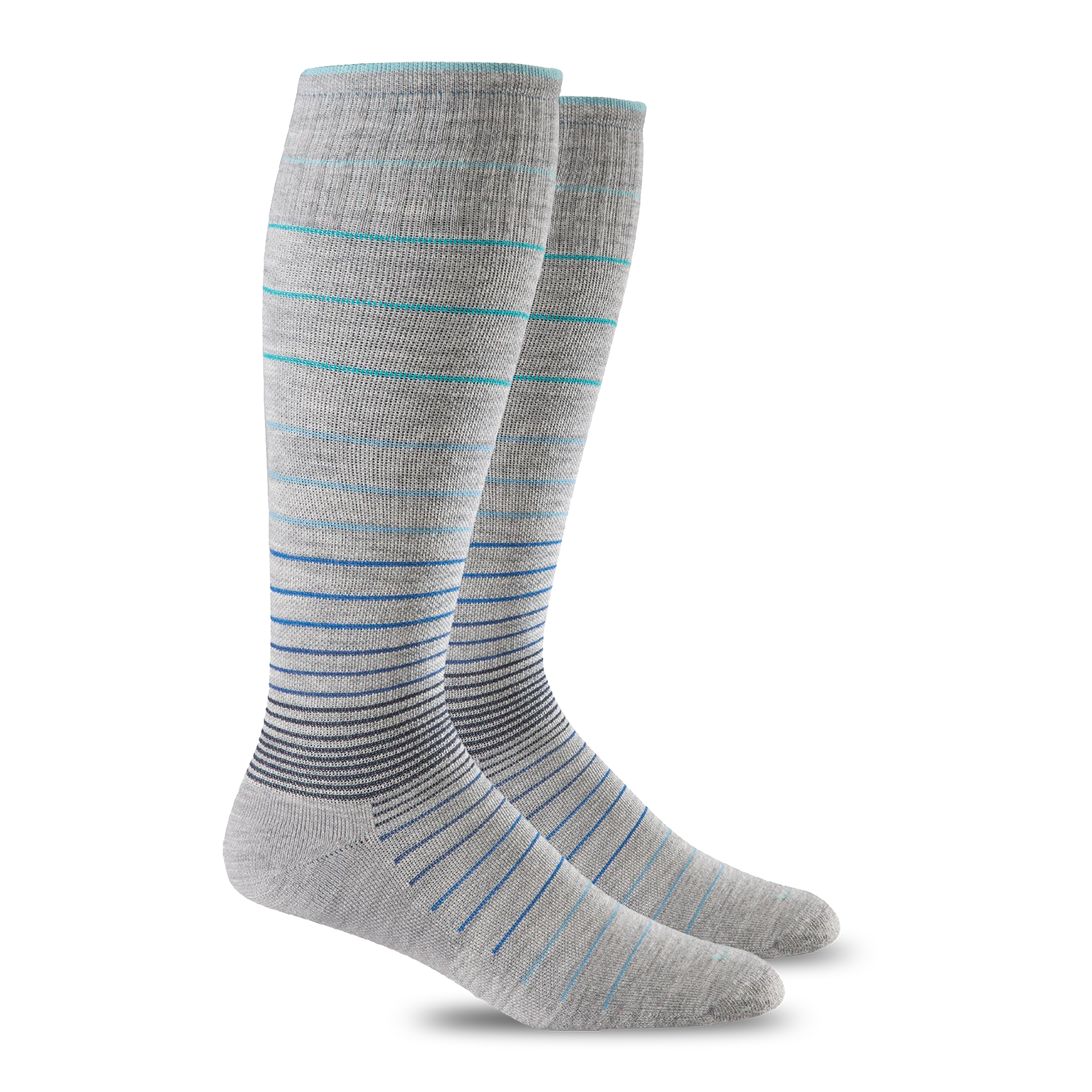
Sockwell Circulator Compression Socks
Circulator est le modèle standard. Elevation a une compression plus légère (10-15 mmHg) pour un usage quotidien de bureau.
Les Sockwell Circulator Compression Socks sont le choix voyage. Mélange laine mérinos, compression graduée 15-20 mmHg, coussinet ciblé à la plante et au talon. Les voyageurs long-courrier les notent les plus confortables de ce groupe. Le mélange mérinos signifie qu'elles ne sentent pas mauvais après un long vol.
Points forts
- ✓Les plus confortables pour des vols de 14 heures
- ✓Le mélange mérinos résiste aux odeurs
Points faibles
- ✗Tarification moyenne de 25-35 $

Comrad Knee-High Compression Socks
Réduction abonnement de 15 % — utile si vous vous engagez pour un an.
Les Comrad Knee-High Compression Socks ont la meilleure gamme de design. Nylon recyclé, 15-20 mmHg, tissu doux, des dizaines de couleurs et motifs. Tarification en vente directe au consommateur. Idéales pour les voyageurs qui veulent de la compression sans avoir l'air de porter du matériel médical.
Points forts
- ✓Des dizaines d'options de couleur et motif
- ✓Tarification D2C compétitive
Points faibles
- ✗Moins de coussinage que Sockwell pour les longs vols

Physix Gear Sport Compression Socks
N'achetez que si recommandé par un médecin — 20-30 mmHg trop serré pour les voyageurs en bonne santé.
Les Physix Gear Sport Compression Socks sont à 20-30 mmHg qualité médicale — la classe de compression la plus forte ici. Compromis : trop serrées pour certains voyageurs à la 12e heure. Idéales pour les voyageurs avec antécédents de TVP ou usage recommandé par un médecin.
Points forts
- ✓Force de qualité médicale 20-30 mmHg
- ✓20-30 mmHg — la classe de compression la plus forte ici
Points faibles
- ✗Inconfortablement serrées dès la 12e heure pour beaucoup
Abonnez-vous à la newsletter
Nouveautés et actualités occasionnelles, sans spam.
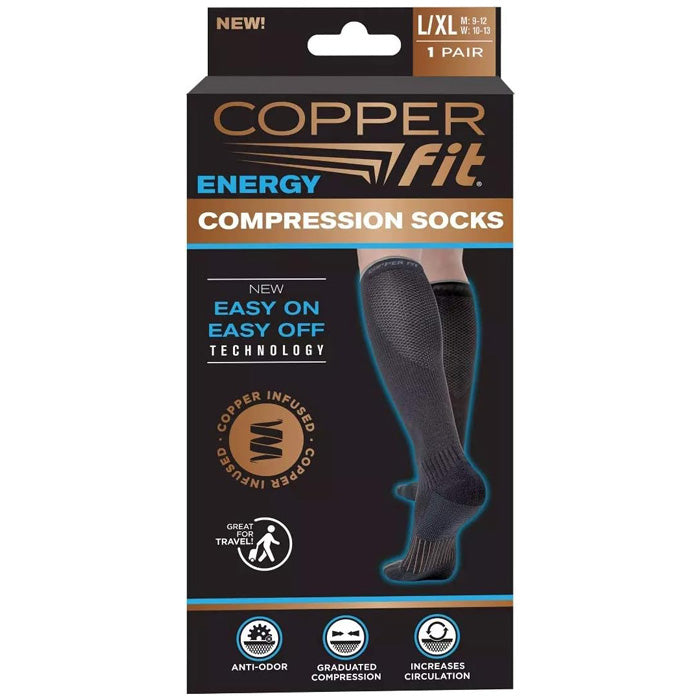
Copper Fit Energy Compression Socks
Les revendications sur le cuivre infusé sont non prouvées — achetez pour l'accessibilité, pas le cuivre.
Les Copper Fit Energy Compression Socks sont le choix facile en pharmacie. Fibres infusées au cuivre (marketing — aucun bénéfice supplémentaire prouvé), 15-20 mmHg, évacuation de l'humidité. Disponibles dans chaque pharmacie américaine et chez Walmart. Pire performance mais les plus faciles à acheter le jour même du vol.
Points forts
- ✓Largement disponibles dans les pharmacies américaines
- ✓Achat facile le jour du vol
Points faibles
- ✗Classe de compression la plus légère ici
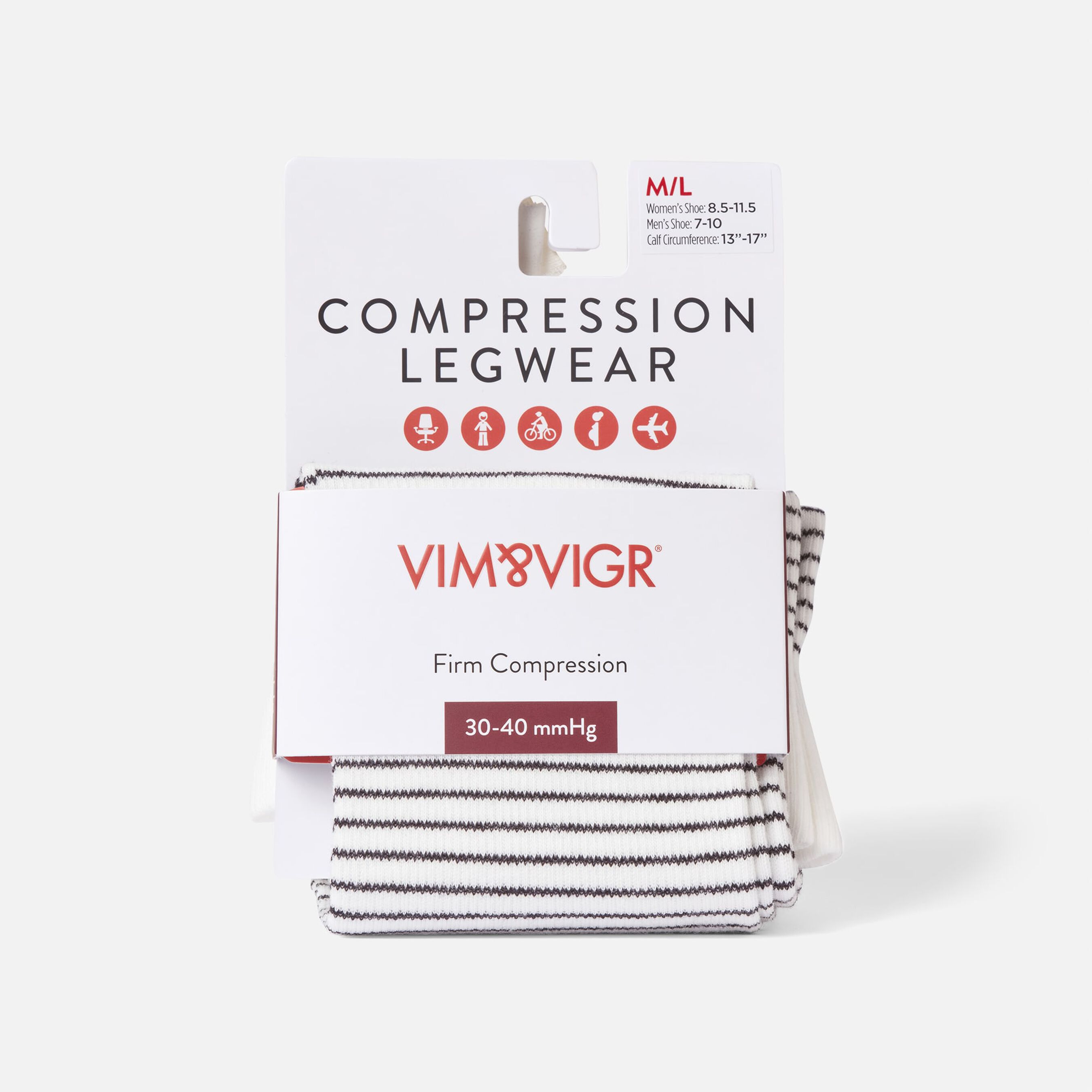
VIM & VIGR Cotton Compression Socks
Prenez le mélange coton (meilleure respiration) — le nylon est aussi vendu sous la même marque.
Les VIM & VIGR Cotton Compression Socks ont l'apparence la plus professionnelle — motifs modernes, mollet large disponible, mélange riche en coton. 15-20 mmHg. Ne ressemble pas à du médical, donc vous pouvez les porter avec des chaussures habillées. Idéales pour les employés de bureau qui voyagent pour affaires.
Points forts
- ✓Ressemble à des chaussettes habillées normales
- ✓Option mollet large disponible
Points faibles
- ✗Le mélange coton résiste moins aux odeurs que le mérinos
Pour qui ?
Voyageurs long-courrier sujets au gonflement des chevilles
Sockwell Circulator Compression Socks
Le mélange mérinos est resté confortable pendant 14 heures avec la deuxième plus faible augmentation de gonflement (+0,3 cm), et résiste aux odeurs sur les voyages à plusieurs étapes.
Voyageurs d'affaires soucieux de leur apparence professionnelle
VIM & VIGR Cotton Compression Socks
Ressemble à des chaussettes habillées normales avec des motifs modernes, donc elles s'associent avec des chaussures habillées et des pantalons de costume sans avoir l'air médical.
Voyageurs avec antécédents de TVP ou compression prescrite par un médecin
Physix Gear Sport Compression Socks
Les 20-30 mmHg de qualité médicale sont le niveau de compression le plus fort de cette comparaison — le bon choix quand un médecin a recommandé une compression plus forte.
Voyageurs soucieux du style qui volent fréquemment
Comrad Knee-High Compression Socks
Des dizaines de couleurs et motifs à tarification D2C facilitent l'association avec n'importe quelle tenue sans avoir l'air de porter du matériel médical.
Voyageurs de dernière minute achetant à l'aéroport ou en pharmacie
Copper Fit Energy Compression Socks
Disponibles dans pratiquement toutes les pharmacies américaines et chez Walmart, en faisant la seule option que vous pouvez saisir de façon fiable le jour de votre vol.
Niveaux de compression pour le voyage en 2026
15-20 mmHg est la fourchette recommandée pour le voyage. En dessous de 15, c'est à peine ressenti ; au-dessus de 20, c'est de qualité médicale et inutilement serré pour des voyageurs en bonne santé. Sockwell, Comrad, Copper Fit, et VIM & VIGR se situent dans cette fourchette. Le Physix Gear à 20-30 mmHg est de qualité médicale — excessif pour la plupart.
La compression graduée est critique. La pression devrait être la plus élevée à la cheville, diminuant vers le genou. Les cinq testées sont graduées ; certaines chaussettes de compression vendues directement sur Amazon sont compressées uniformément (ce qui peut aggraver la circulation).
Résultats après un vol de 14 heures
Changement de circonférence du mollet après un vol de 14 heures (avant vs. après) : Sockwell (+0,3 cm), Comrad (+0,4), Physix Gear (+0,2 — compression la plus forte), VIM & VIGR (+0,5), Copper Fit (+0,8 — performance la plus faible). Contrôle (sans chaussettes) : +1,4 cm.
Les cinq ont montré un effet positif face à l'absence de chaussettes. Les 20-30 mmHg du Physix Gear étaient les plus efficaces mais aussi les plus inconfortables à la 12e heure. Le mélange mérinos de Sockwell était le plus confortable pour un port de 14 heures.
Questions fréquentes
Les chaussettes de compression aident-elles vraiment en vol ?▼
Les chaussettes 30+ mmHg sont-elles meilleures que 20 mmHg ?▼
Puis-je porter des chaussettes de compression tous les jours ?▼
Commentaires et questions
La discussion se passe sur nattzy, notre forum. Connectez-vous avec Google pour participer.