Best Estate Planning Software 2026: 5 Will Tools Compared
Most Americans die without a will, leaving asset distribution to state intestacy laws that rarely match their wishes. Online estate planning software lets you create a legally binding will or revocable living trust in under an hour — without a $1,500 estate attorney retainer. The five tools here cover the full range: bare-bones $69 wills, $199 attorney-reviewed trusts, and free starter options for young families.
Quick answer
For most adults who want a complete plan, Trust & Will is the pick — its $199 trust plan covers a revocable living trust, pour-over will, durable power of attorney, and healthcare directive with attorney review. Choose LegalZoom at $279 to bundle with existing business or trademark filings; Tomorrow at $99/yr for unlimited updates as young families change beneficiaries; and Fabric for a genuinely free basic will.
Each platform was evaluated on document completeness (will, trust, DPOA, healthcare directive), attorney access, state coverage, trust-funding guidance, document storage and sharing, update cost model, and value relative to comparable local attorney fees.

Trust and Will Estate Planning
Best Overall: Trust & Will's $199 trust plan produces a complete estate plan — revocable living trust, pour-over will, durable power of attorney, and healthcare directive — with attorney review included. The trust-funding guide is the most detailed of any online platform, with institution-specific instructions for retitling bank accounts, brokerage accounts, and real estate.
| Product | Price | Link |
|---|---|---|
| $199〜499Reference price |
Top picks
Related articles
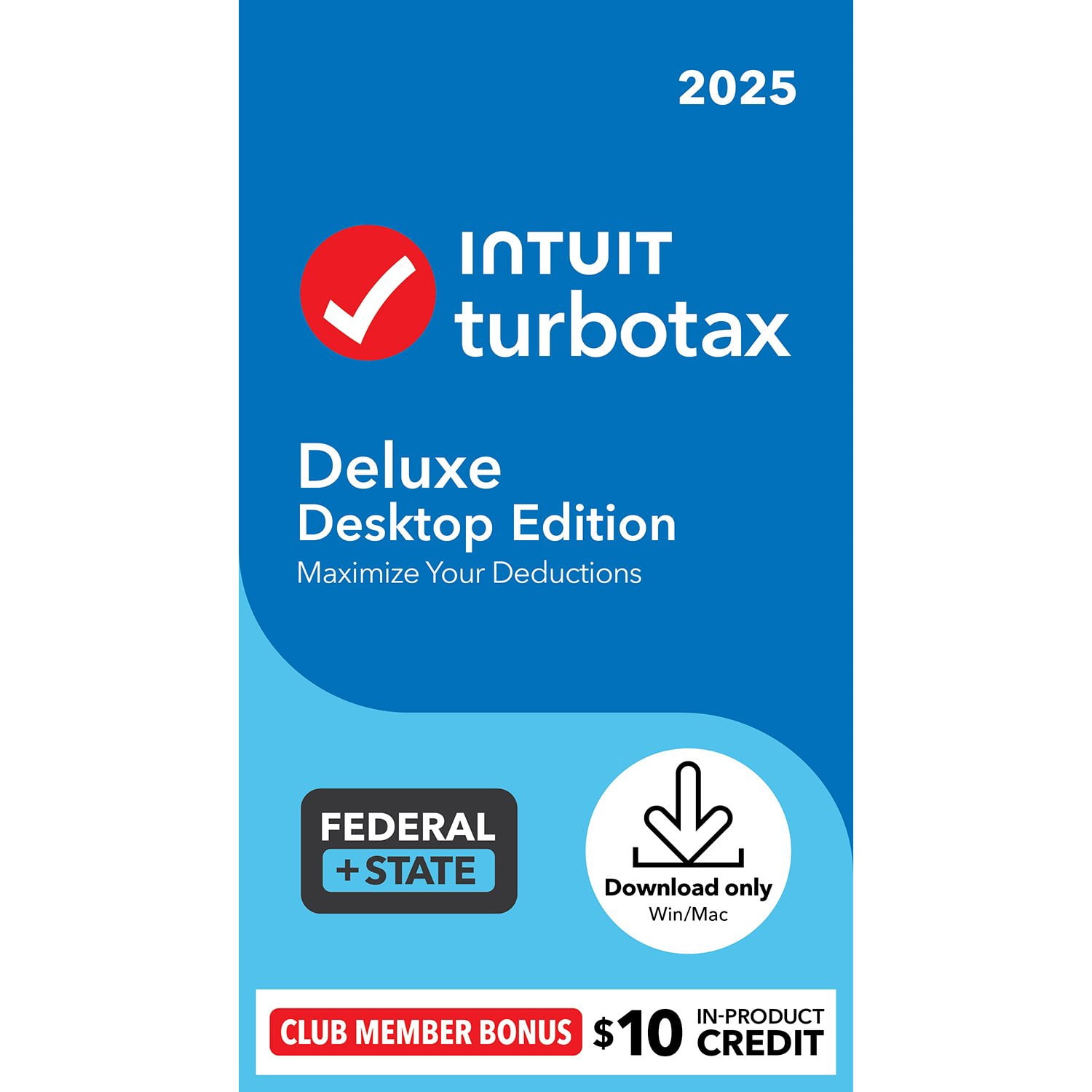


Trust & Will's $199 trust plan produces a complete estate plan — revocable living trust, pour-over will, durable power of attorney, and healthcare directive — with attorney review included. The trust-funding guide is the most detailed of any online platform, with institution-specific instructions for retitling bank accounts, brokerage accounts, and real estate. The interface walks you through each document in a logical sequence and flags state-specific requirements automatically.
Pros
- ✓Attorney review included in the $199 trust plan — not an add-on
- ✓Best trust-funding guidance of any platform, with institution-specific retitling instructions
- ✓Full document set: trust, pour-over will, DPOA, and healthcare directive in one package
Cons
- ✗Updates after initial purchase require re-purchasing or subscribing — no included amendment period
- ✗At $199, most expensive option here for a complete plan
Which one is right for you?
For most adults who want a complete plan
Trust and Will Estate Planning
Attorney review, full document set including trust and DPOA, and the best trust-funding guidance available online make Trust & Will the clearest all-around recommendation at $199.
For existing LegalZoom customers
legalzoom-estate-plan
If you already use LegalZoom for business or trademark filings, bundling your estate plan on the same account consolidates legal needs — the attorney consultation is included at $279.
For young parents expecting frequent updates
tomorrow-estate-app
The $99/yr unlimited-update subscription pays for itself after two amendments, and the mobile interface is optimized for parents naming guardians and updating beneficiaries as family situations change.
For anyone starting from zero with no budget
fabric-estate-app
A free basic will from Fabric is infinitely better than no will — start here, upgrade to the $149 plan for DPOA and healthcare directive when you're ready.
For simple estates needing only a will
willing-estate-software
If your estate is below your state's probate threshold and you genuinely only need a will, Willing's $69 option produces a legally valid document in under 20 minutes without upselling you on services you don't need.
What to look for in estate planning software
Estate planning software varies enormously in what it actually produces. A $69 will generator and a $199 trust platform are not interchangeable — the legal instruments are different, the asset-transfer mechanics differ, and the ongoing maintenance requirements diverge. Before comparing prices, clarify which document type you need.
Trust funding: the step most people skip
Creating a revocable living trust is only half the work — the trust does nothing until assets are titled into it. 'Funding' a trust means changing the ownership of bank accounts, brokerage accounts, real estate, and other titled assets from your personal name to the trust's name (e.g., 'The Smith Family Revocable Trust dated June 12, 2026'). This requires filing paperwork with each financial institution and, for real estate, recording a new deed with your county recorder.
Most online trust platforms provide funding instructions and template letters, but they don't complete the funding process for you — that requires contacting each financial institution individually. Trust & Will provides the most thorough funding guidance of the five platforms here, including institution-specific instructions and a funding checklist. A trust with no assets titled into it provides no probate-avoidance benefit — your executor will discover this the hard way if you skip this step.
For real estate specifically: most online platforms don't prepare deeds for you (LegalZoom does offer deed preparation as an add-on). If you own a home or investment property, budget for deed preparation — either through the platform ($100–200 extra) or a local real estate attorney ($150–400). The deed must be recorded with the county before the trust owns the property.
Bottom line
Trust & Will is the clearest recommendation for most adults who want a complete, attorney-reviewed estate plan: the $199 trust plan covers the full document set, includes attorney Q&A, and the platform's trust-funding guidance is the most thorough available online. LegalZoom makes sense if you need to bundle estate planning with an LLC formation or other legal services on one account. Tomorrow at $99/yr is the best choice for young parents who expect to update their plan frequently — the unlimited-update subscription model costs less than two LegalZoom amendments over a five-year period.
Fabric is the right starting point if you have no estate plan at all and want to start with a free basic will before committing to a paid plan. Willing at $69 covers the minimum — a legally valid will — for anyone who genuinely only needs that one document and nothing else. Whatever platform you choose, do it today: an imperfect estate plan completed this week is worth more than a perfect one perpetually deferred.
Frequently asked questions
Is online estate planning software legally valid?▼
Do I need a trust or just a will?▼
What happens if I move to a different state after creating my estate plan?▼
How often should I update my estate plan?▼
Can I name a digital asset or cryptocurrency in my will?▼
Prices change. Check the retailer for the current price.
Comments & questions
Discussion happens on nattzy, our community forum. Sign in with Google to post — it takes a second.