Best Personal Finance Software 2026: 5 compared
Five tools compared on what actually breaks after Mint: bank-sync reliability, missed transactions, and whether each one's budgeting method is the kind you will keep up with.
Quick answer
Monarch Money is the obvious post-Mint default: founded by ex-Mint employees, it offers Mint-like UX with no ads, the most consistent bank sync of the five by user reports, household sharing and strong investment tracking at $14.99/month. YNAB at $109/year is worth it only if you will do the daily check-in — zero-based budgeting genuinely changes behavior, but there is a four-to-six week learning curve. Quicken Simplifi at $48/year is the cheapest paid tier, with more sync reconnection complaints.
This comparison is desk research. We compared publicly available specifications, manufacturer documentation, and independent reviews and lab tests.

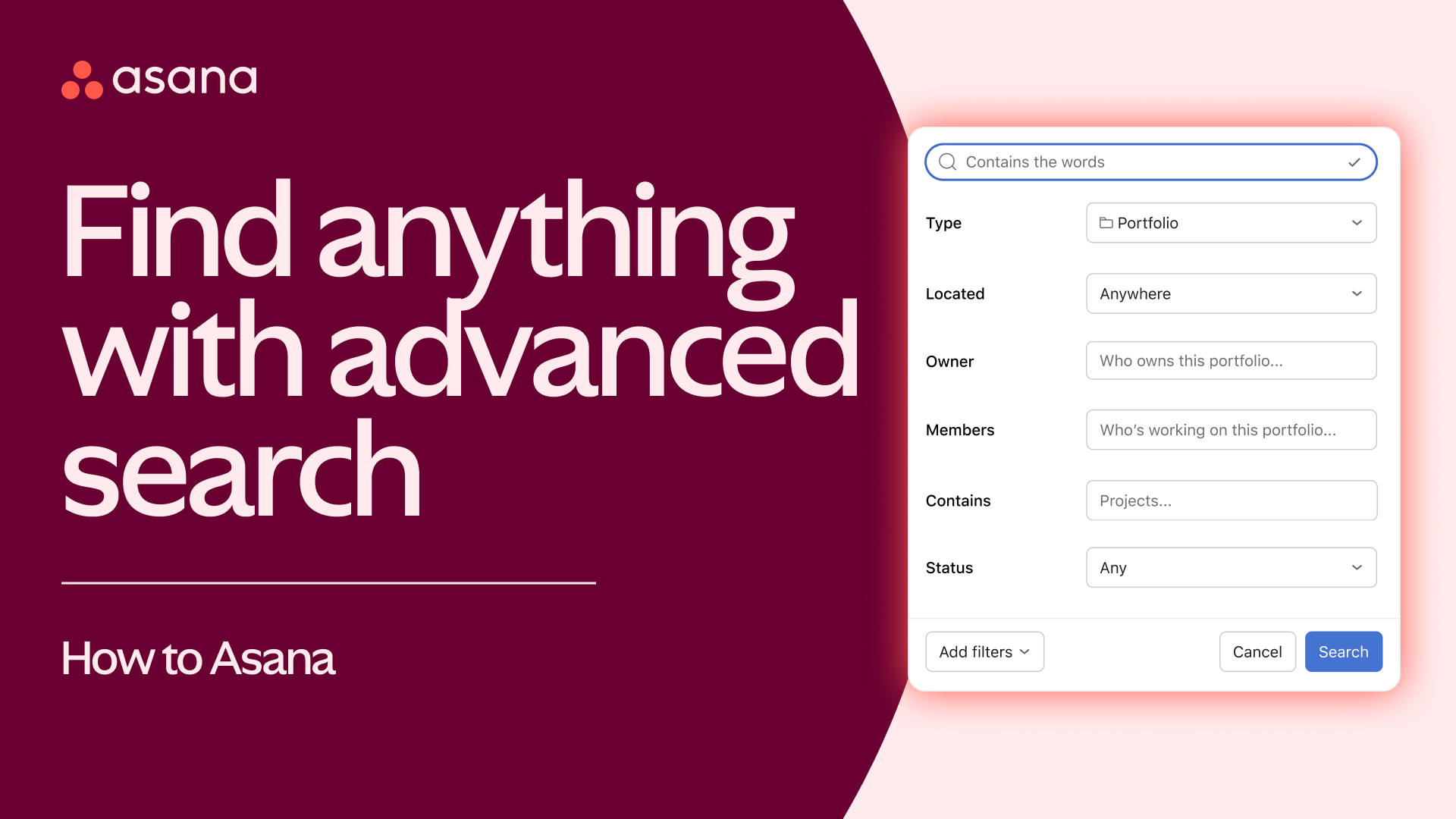
YNAB (You Need a Budget)
🏆 Best for serious budgeters: YNAB (You Need a Budget) is the right pick if you'll actually do the work. The zero-based budgeting methodology — every dollar has a job before you spend — is genuinely behavior-changing.
Top picks ↓| Product | Price | Link |
|---|---|---|
| $109/yr〜$179/yrReference price | ||
| $99/yr〜$179/yrReference price | ||
| $48/yr〜$60/yrReference price | ||
| $0〜$0Reference price | ||
| $79/yr〜$79/yrReference price |
Top picks
Related articles

YNAB (You Need a Budget)
Sign up at youneedabudget.com. 34-day free trial. Annual billing ($109) is much cheaper than monthly ($14.99/mo = $180/year). Students get a free year.
YNAB (You Need a Budget) is the right pick if you'll actually do the work. The zero-based budgeting methodology — every dollar has a job before you spend — is genuinely behavior-changing. Users commonly report a sharp drop in 'unaccounted-for' spending within the first few months. The catch is the daily check-in requirement and the 4-6 week learning curve. $109/year is the highest paid tier. If you'll use it consistently, it's the best value in this comparison by ROI.
Pros
- ✓Zero-based budgeting changes spending behavior
- ✓Best educational content (free workshops, podcast)
- ✓Strong active community
Cons
- ✗Steepest learning curve (4-6 weeks)
- ✗Requires daily check-ins for full benefit
- ✗$109/year is the highest
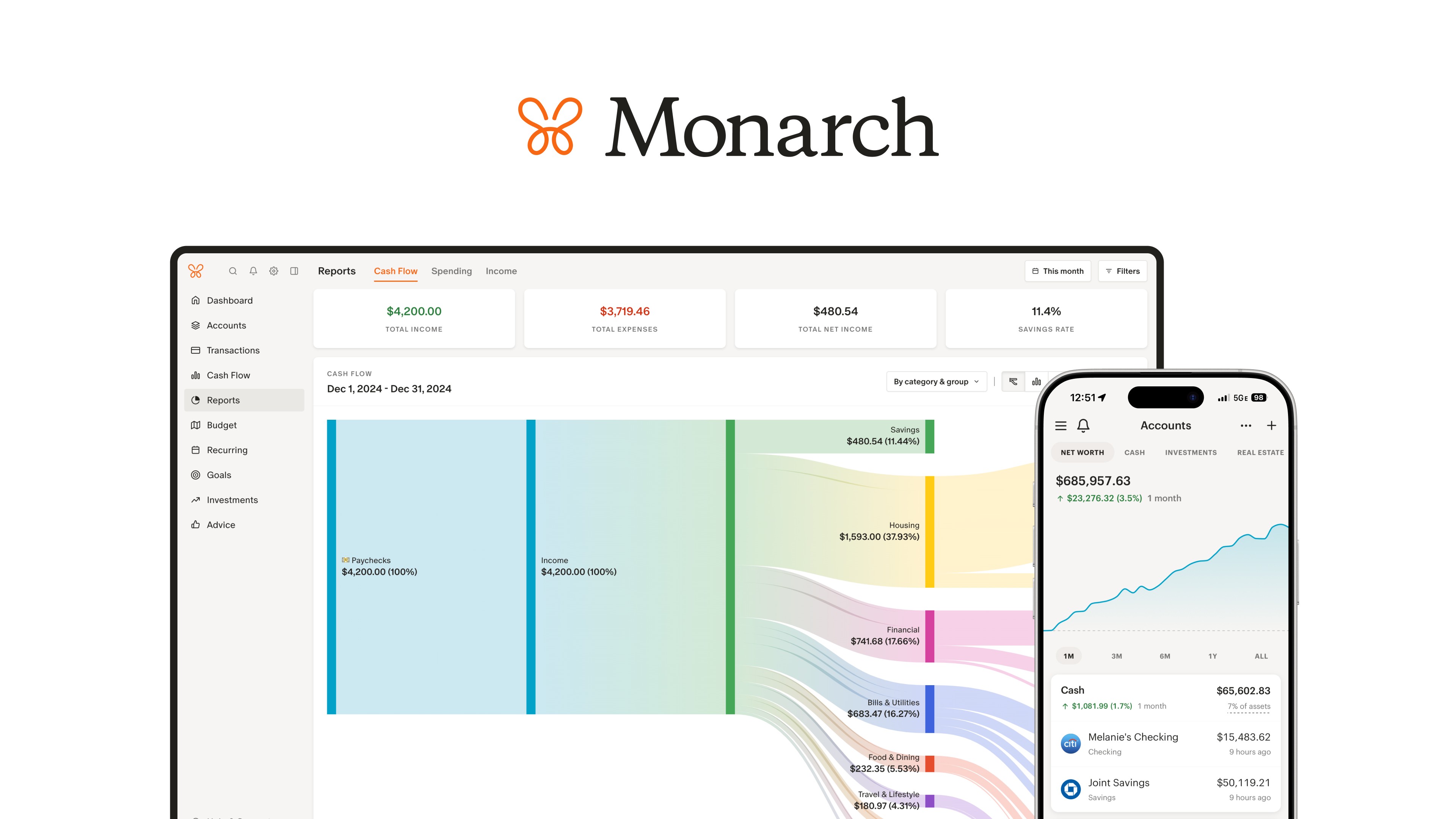
Sign up at monarchmoney.com. 7-day free trial. Annual billing ($99) saves $80 vs. monthly. Promo codes for 30-50% off the first year circulate frequently.
Monarch Money is the obvious post-Mint default. Founded by former Mint employees, it offers Mint-like UX without the ads (Mint pre-shutdown was overloaded with credit card offers). Strong bank sync, household sharing, custom categories, and excellent investment tracking. $14.99/month or $99/year. The 'all-in-one' positioning means it does many things well but specializes in none.
Pros
- ✓Mint-like UX with no ads
- ✓Most consistent bank sync of the five, by user reports
- ✓Household sharing for couples and families
Cons
- ✗$99/year is mid-tier
- ✗Budgeting methodology less rigorous than YNAB
- ✗Founded 2018 (newer than older alternatives)
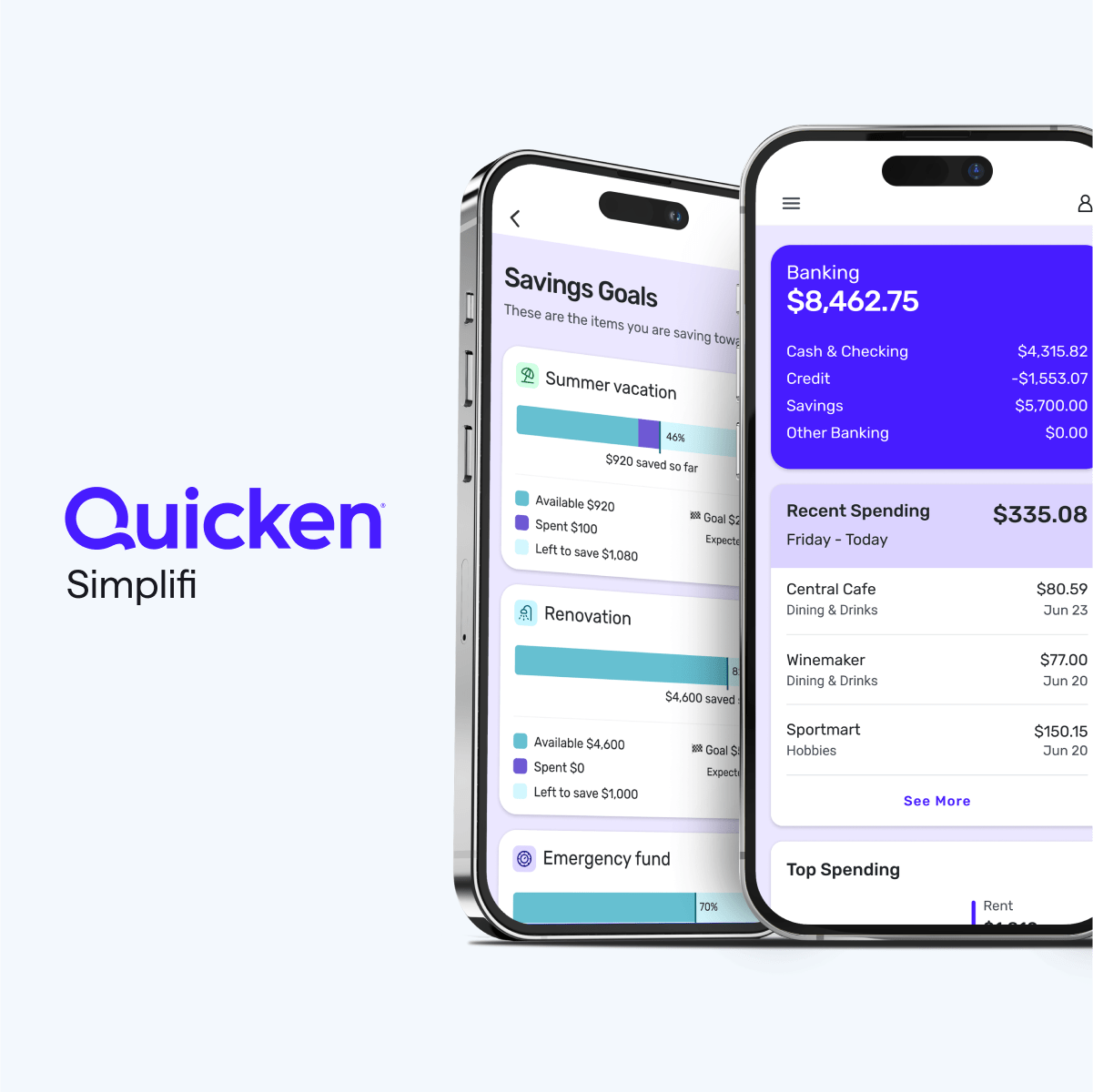
Sign up at quicken.com/simplifi. 30-day money-back guarantee. Often discounted to $24 for the first year via Quicken's website.
Quicken Simplifi is the best low-cost option at $48/year ($3.99/month billed annually). It's a stripped-down Quicken Online with focused budgeting and bank sync. Bank sync draws more reconnection complaints than Monarch or YNAB. The 'watch-list' spending plan is genuinely useful for staying on top of recurring expenses. No investment tracking depth, no household sharing.
Pros
- ✓$48/year is the lowest paid-tier price
- ✓Watch-list feature for recurring spending
- ✓Backed by Quicken (Aqua Capital ownership)
Cons
- ✗More frequent sync reconnections than Monarch
- ✗No household sharing
- ✗Limited investment tracking
Subscribe to our newsletter
Occasional updates and new releases — no spam.

Sign up at empower.com. Completely free. You'll receive an introductory phone call from a wealth advisor if you have over $250K in tracked assets — politely decline if you're not interested.
Empower Personal Dashboard (formerly Personal Capital) is the right free tool for investors. Net worth tracking, retirement planner, investment fee analyzer, and asset allocation tools are excellent. Budgeting features are basic — fine for high-income earners who don't need line-item budgeting but want investment visibility. Empower is also a wealth management firm; they will sales-call you if you have $250K+ in tracked assets.
Pros
- ✓Excellent investment and retirement tracking
- ✓Free
- ✓Strong asset allocation tools
Cons
- ✗Basic budgeting features
- ✗Sales calls if you have $250K+ tracked
- ✗Less focused on spending behavior change
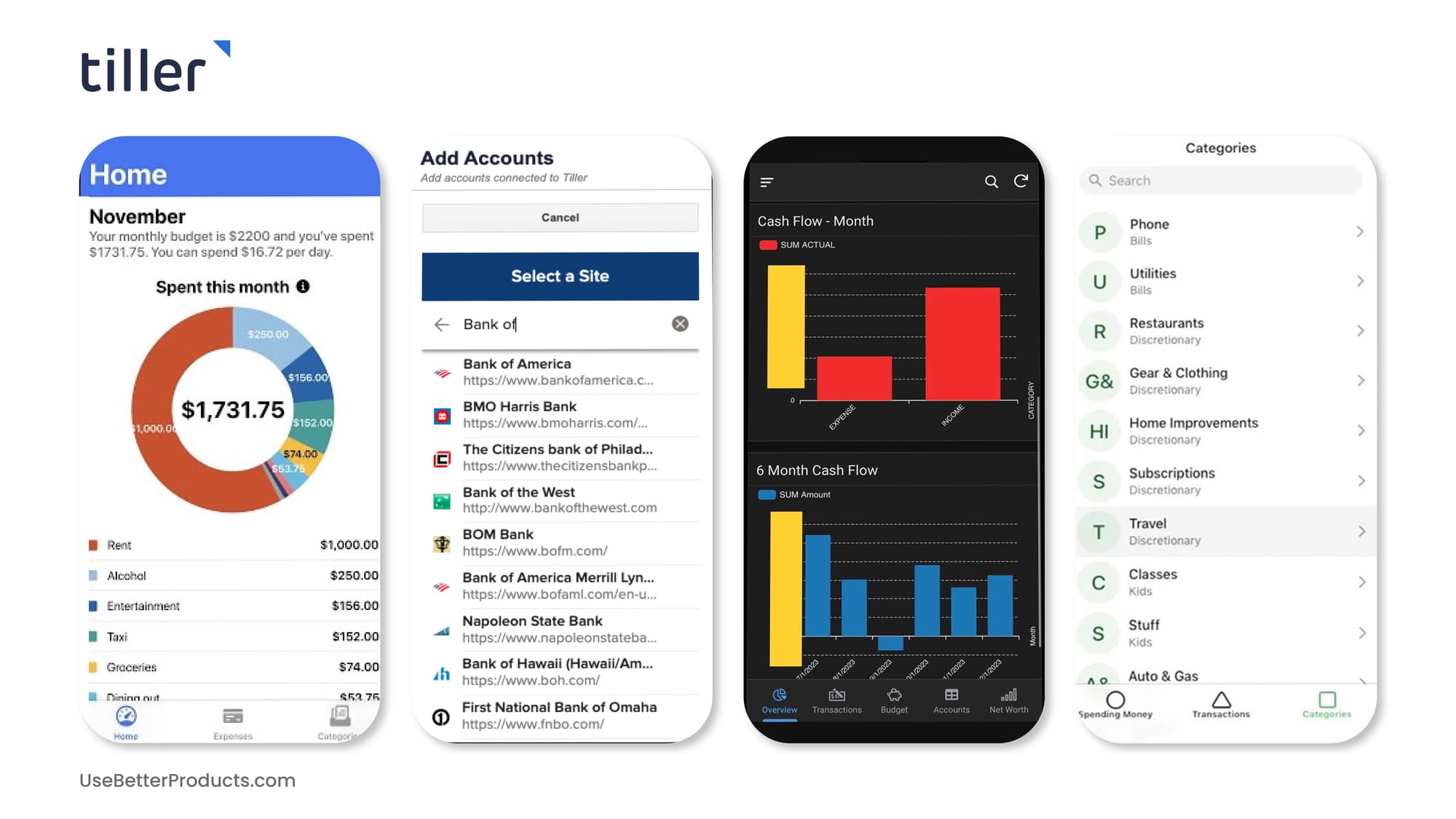
Sign up at tillerhq.com. 30-day free trial. Annual billing only ($79). Includes access to the template library and the Tiller community Discord.
Tiller Money writes daily bank-synced transaction data to Google Sheets (or Excel). From there, you build any budgeting methodology you want using pre-built templates or your own formulas. $79/year. Maximum flexibility, minimum hand-holding. Best for people who actively enjoy spreadsheet work — not for those looking for a polished app experience. The template library is the best starting point; most users settle into a customized YNAB-like or envelope-method sheet.
Pros
- ✓Maximum flexibility via Google Sheets
- ✓Strong template library
- ✓Daily bank sync via Plaid
Cons
- ✗Requires spreadsheet comfort
- ✗No native mobile app (Sheets mobile only)
- ✗Setup takes 2-4 hours
Which one is right for you?
Debt-focused people determined to change spending habits
YNAB (You Need a Budget)
YNAB's zero-based method forces every dollar to have a job, driving the behavioral change needed to eliminate debt.
Former Mint users looking for a seamless replacement
Monarch Money
Built by ex-Mint employees with a familiar UX, household sharing, and the most consistent bank sync reports of the five.
Budget-conscious users who want basic budgeting without overpaying
Quicken Simplifi
At $48/year — the lowest paid-tier price — Simplifi covers essential budgeting and recurring-expense tracking affordably.
High-income investors tracking net worth and retirement readiness
Empower Personal Dashboard
Empower's free investment fee analyzer, asset allocation tools, and retirement planner are unmatched at any price.
Spreadsheet power users who want total budgeting control
Tiller Money
Tiller pipes daily bank data into Google Sheets, letting you build any budgeting system with full formula flexibility.
Bank sync reliability
Monarch Money draws the most consistent sync reports of the five. Reconnections happen, but users describe them as occasional rather than routine.
YNAB is close behind. Chase and Capital One are the connections users most often report having to reauthorize.
Quicken Simplifi draws the most reconnection complaints of the group, with Bank of America connections named most often.
Empower Personal Dashboard is strongest on investment accounts; users report checking and credit card connections as the weaker side.
Tiller Money: Bank sync via Plaid is on par with Monarch. The catch is that Tiller writes data to Google Sheets, which adds a layer of fragility for non-spreadsheet users.
Budgeting methodology
YNAB enforces zero-based budgeting — every dollar gets a job before you spend it. This is the most disciplined approach and the most effective for changing behavior, but requires daily check-ins. Steepest learning curve.
Monarch and Simplifi use category-based budgeting (set limits per category, track against). Easier to adopt but less behavioral change.
Empower focuses on net worth and investment tracking rather than budgeting per se. Best for investors who already manage spending.
Tiller writes data to Google Sheets and lets you build any methodology you want. Maximum flexibility, minimum guidance.
Best for each use
Best for serious budgeters: YNAB at $109/year. Zero-based budgeting genuinely changes spending behavior. Worth the steep learning curve.
Best Mint replacement: Monarch Money at $99/year. Mint-like UX with active development, household sharing, no ads. The default pick for most former Mint users.
Best low-cost: Quicken Simplifi at $48/year. Solid budgeting at the lowest paid tier price.
Best for investors: Empower Personal Dashboard, free. Focus is on net worth and retirement planning rather than line-item budgeting.
Best for spreadsheet enthusiasts: Tiller Money at $79/year. Maximum flexibility via Google Sheets. Only choose this if you actively enjoy spreadsheets.
Frequently asked questions
Why did Mint shut down?▼
Is YNAB worth $109/year?▼
Is free Empower as good as paid alternatives?▼
Are these tools safe to connect to my bank?▼
Prices change. Check the retailer for the current price.
Comments & questions
Discussion happens on nattzy, our community forum. Sign in with Google to post — it takes a second.