Best Nail Polish 2026: Chip Resistance to Day 7
WriterPickly Editorial
Updated 2026-05-25
Every polish chips eventually. The gap between day 5 and day 8 is the whole story — and the longest-wearing polish costs $10.
Quick answer
Every polish chips eventually; the gap between day 5 and day 8 is the whole story, and the winner costs $10. Zoya's 10-free formula draws the best chip-resistance reports here, commonly reaching day 8 with only tip wear. OPI's 200+ shades and reliable two-coat coverage make it the safe professional choice, while Essie's thin self-levelling formula is the most forgiving for beginners. Orly gives the most consistent one-coat opacity in saturated shades, and Sally Hansen Miracle Gel gets closest to gel gloss without a lamp.
📋How we compared
This comparison is desk research. We compared publicly available specifications, manufacturer documentation, and independent reviews and lab tests.
Best Clean Formula: Zoya's 10-free formula draws the best chip-resistance reports in this comparison — commonly day 8 with only tip wear — which is remarkable for a clean-ingredient product. Clean formulas typically sacrifice longevity to remove binding agents; Zoya bucked that expectation.
Top picks ↓Related articles


1★ Best PickABest Clean FormulaZoya Nail Polish
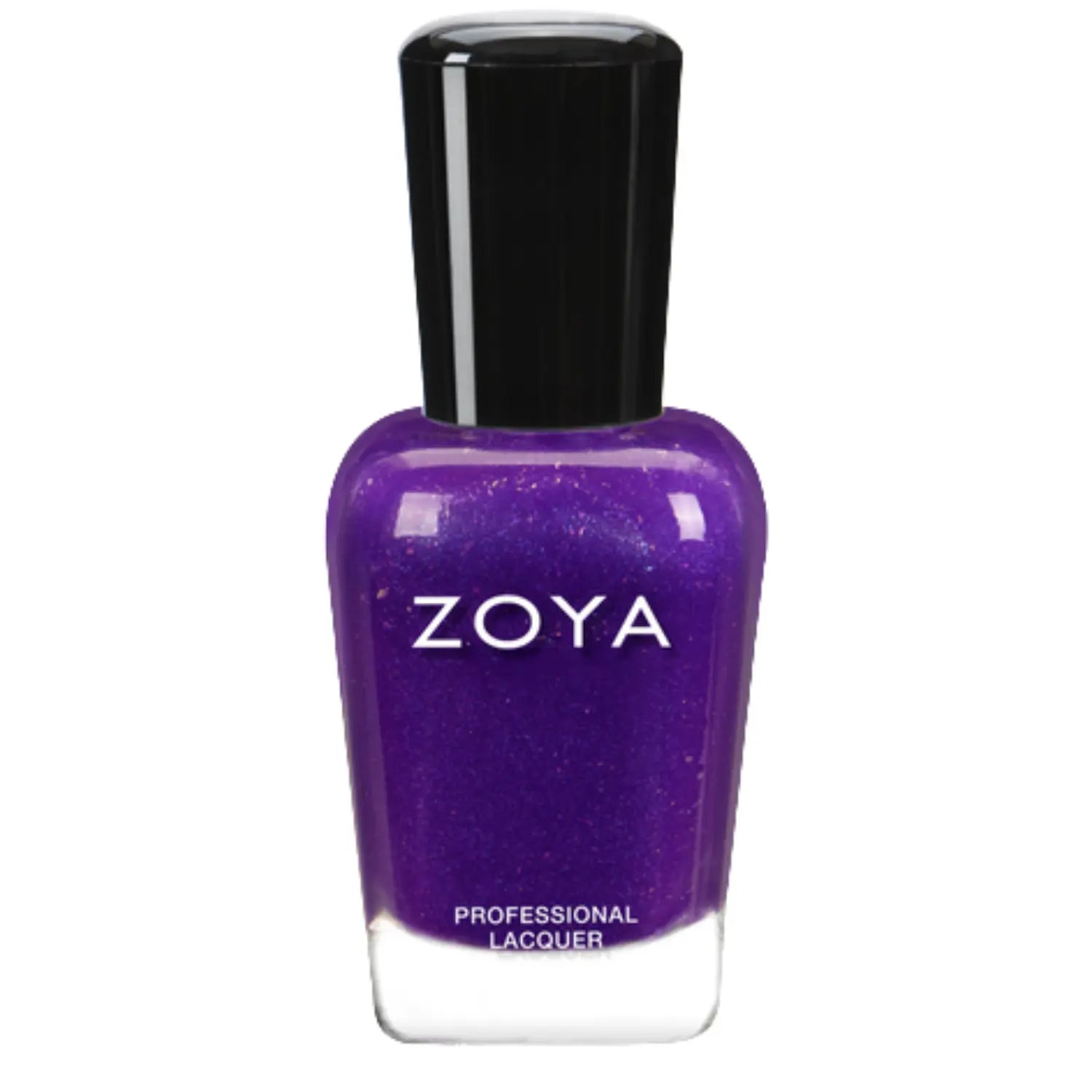
Best clean formula — 10-free, vegan, and the strongest chip-resistance reports in this comparison.
Zoya's 10-free formula draws the best chip-resistance reports in this comparison — commonly day 8 with only tip wear — which is remarkable for a clean-ingredient product. Clean formulas typically sacrifice longevity to remove binding agents; Zoya bucked that expectation. The 300+ shade range is smaller than OPI or Essie, and the formula is slightly thicker than Essie. Vegan and cruelty-free certification is verified, not just claimed. The main downside for nail art is that some shades need two coats for full saturation — but that is true of most polishes.
Pros
- ✓10-free clean formula — the most comprehensive ingredient exclusion here
- ✓Best reported chip resistance — day 8 with only tip wear
- ✓Vegan and cruelty-free, independently verified
Cons
- ✗Smaller shade range (300+) than OPI or Essie
Score breakdown
- Volume
- 0.5 fl oz (15 ml)
- Formula
- Big 10-free, vegan
- Finish
- Varies (crème, metallic, shimmer)
- Cruelty free
- Yes (vegan & cruelty-free)
- Shade count
- 400+ shades
- Dry type
- Air-dry, no lamp
2B+Best Shade RangeOPI Nail Lacquer

Best shade range — 200+ colors, reliable two-coat coverage, add a quality topcoat.
OPI's 200+ shade catalog and consistent salon-quality formula make it the safe professional choice. Two-coat coverage is reliable across the range. The formula is thicker than Essie, which means it self-levels well but can cause brush marks if applied too slowly. Owners report chip resistance declining from day 5 without a premium topcoat — a reliable topcoat is not optional with OPI, it is necessary to get the full week of wear.
Pros
- ✓200+ shades including seasonal and collaboration collections
- ✓Consistent professional-grade formula across all shades
- ✓Good color accuracy from bottle to nail
Cons
- ✗3-free only — lower on the clean-ingredient scale than Essie or Zoya
- ✗Owners report tip chipping from day 5 without a premium topcoat
Score breakdown
- Volume
- 0.5 fl oz (15 ml)
- Formula
- Classic nail lacquer (non-gel), vegan
- Finish
- Crème (also shimmer/pearl/glitter by shade)
- Shade count
- 200+ shades
- Dry type
- Air-dry, no UV/LED lamp
3A-Best for BeginnersEssie Nail Polish

Best for beginners — thinner formula, 400+ shades, 8-free ingredients.
Essie's thin, self-leveling formula is the most beginner-forgiving in this comparison. It glides on without streaks even at inconsistent stroke speeds, which makes it ideal for at-home application. The 400+ shade range includes the most nail-specific color names in the business. Owners report it holding cleanly through the first days, with minor tip wear but no full-nail chips by day 7. The one-coat coverage is sheer on most shades — always plan for two coats, which the formula handles without buildup.
Pros
- ✓Thinner formula self-levels — most forgiving for at-home application
- ✓8-free formula, better on clean-ingredient scale than OPI
- ✓400+ shade range, the widest in this comparison
Cons
- ✗One-coat coverage is sheer — two coats always required for opacity
Score breakdown
- Volume
- 13.5 ml (0.46 fl oz)
- Formula
- 8-free, vegan
- Finish
- Glossy shine (varies by shade)
- Dry type
- Air-dry, no lamp
Subscribe to our newsletter
Occasional updates and new releases — no spam.
4A-Best One-Coat PigmentOrly Nail Lacquer

Best one-coat pigment — ideal for nail art that needs dense color in one stroke.
Orly's one-coat opacity in saturated shades — reds, berries, deep blues — is the most consistent in this comparison. Owners report full opacity from a single coat on most saturated shades. The breathable formula claims to let water and oxygen through the polish film, though the practical difference versus standard formulas is small. Chip resistance is reported to hold through day 7 with minor tip wear. If you do nail art, the dense pigment means clean strokes without requiring multiple applications to build coverage.
Pros
- ✓Best one-coat pigment in saturated shades — cleaner for nail art
- ✓Breathable formula for everyday wear
- ✓Strong day-7 chip resistance with standard topcoat
Cons
- ✗Shade range (150+) is the smallest in this comparison
Score breakdown
- Volume
- 0.6 fl oz (18 ml)
- Formula
- 12-free, vegan
- Finish
- Varies (sheer, crème, shimmer, glitter, neon)
- Cruelty free
- Yes (PETA Beauty Without Bunnies / Leaping Bunny, vegan)
- Shade count
- 1,000+ shades
- Dry type
- Air-dry, no lamp
5BBest Gel EffectSally Hansen Miracle Gel Nail Polish
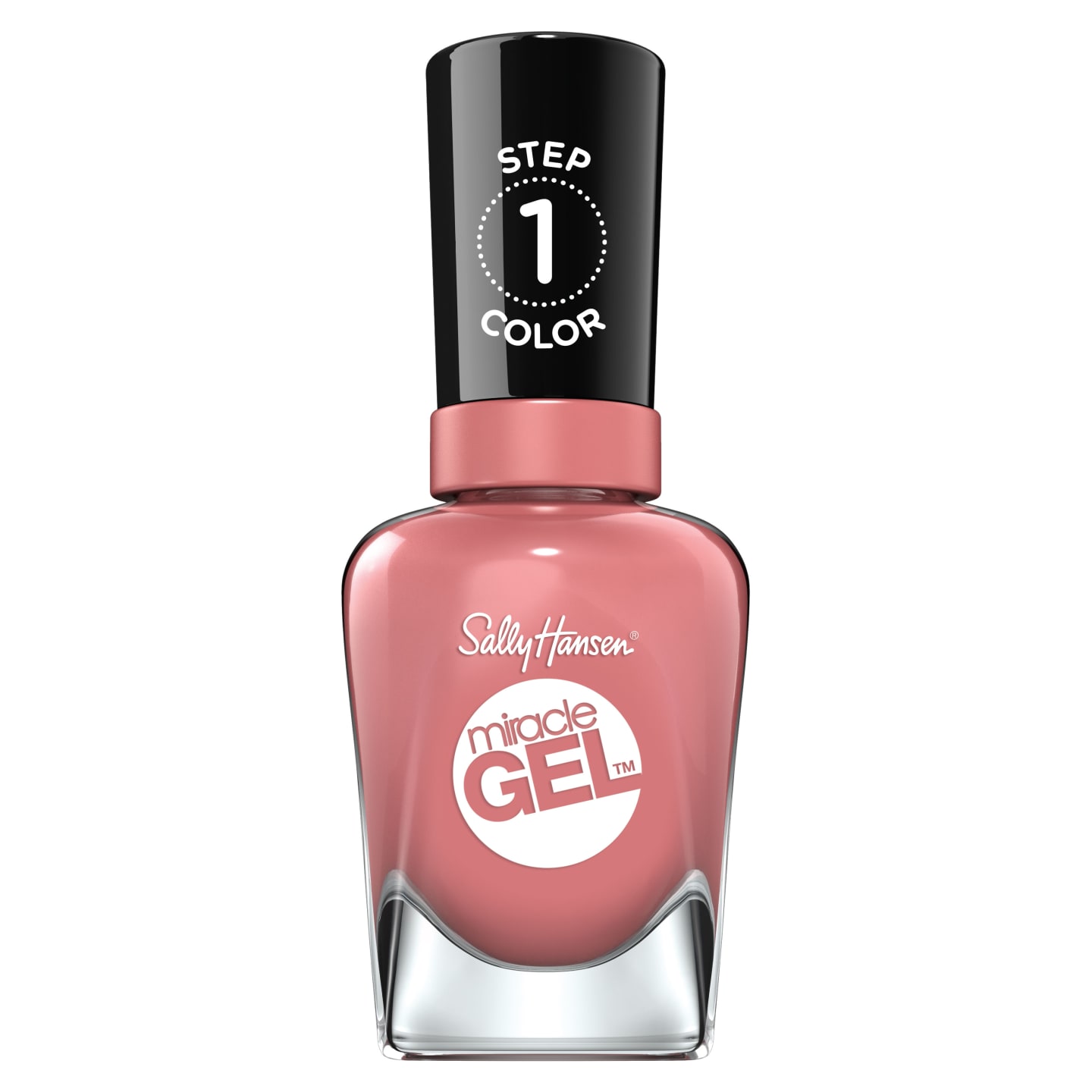
Best gel-effect — use both steps (color + gel topcoat) to hit the 8-day claim.
Sally Hansen Miracle Gel delivers a genuinely gel-like glossy finish without a UV lamp — when the matching gel topcoat is used. With a standard generic topcoat substituted, owners report chipping around day 6, which underperforms Zoya and Essie. The system's marketing claim of '8 days' requires both products to be used together. If you buy the matching topcoat ($12 additional), the combined system outperforms standard polish consistently. If you substitute any other topcoat, you are buying an average polish at a premium price.
Pros
- ✓Gel-like glossy finish without UV lamp
- ✓Strong chip resistance when matched topcoat is used
- ✓Wide shade range including bold statement colors
Cons
- ✗Requires matching gel topcoat to achieve marketed chip resistance — adds $12 to the cost
Score breakdown
- Volume
- 0.5 fl oz (14.7 ml)
- Formula
- Gel-like two-step (color coat + top coat), no UV lamp; 100% vegan
- Finish
- Glossy / glass shine
- Shade count
- 70+ shades
- Dry type
- Air-dry, no UV/LED lamp (top coat cures color coat)
| Product | Finish | Cruelty free | Dry type | |||
|---|---|---|---|---|---|---|
| Zoya Nail Polish | 0.5 fl oz (15 ml) | Big 10-free, vegan | Varies (crème, metallic, shimmer) | Yes (vegan & cruelty-free) | 400+ shades | Air-dry, no lamp |
| OPI Nail Lacquer | 0.5 fl oz (15 ml) | Classic nail lacquer (non-gel), vegan | Crème (also shimmer/pearl/glitter by shade) | — | 200+ shades | Air-dry, no UV/LED lamp |
| Essie Nail Polish | 13.5 ml (0.46 fl oz) | 8-free, vegan | Glossy shine (varies by shade) | — | — | Air-dry, no lamp |
| Orly Nail Lacquer | 0.6 fl oz (18 ml) | 12-free, vegan | Varies (sheer, crème, shimmer, glitter, neon) | Yes (PETA Beauty Without Bunnies / Leaping Bunny, vegan) | 1,000+ shades | Air-dry, no lamp |
| Sally Hansen Miracle Gel Nail Polish | 0.5 fl oz (14.7 ml) | Gel-like two-step (color coat + top coat), no UV lamp; 100% vegan | Glossy / glass shine | — | 70+ shades | Air-dry, no UV/LED lamp (top coat cures color coat) |
How we compared
The reference scenario throughout is how most people actually use these polishes: two coats on natural nails with no base coat, finished with a generic quick-dry topcoat rather than a brand's own matched system. Dishwashing without gloves is the real-world accelerant for chipping, which is why the wear figures below follow what daily users report rather than best-case brand claims.
Pigment is compared as one-coat opacity — full coverage versus sheer versus streaky — because that is the distinction reviewers describe most consistently. Formula thickness matters for the same reason: too thick causes brush marks; too thin requires four coats for full color.
Color accuracy — how closely the dry nail matches the bottle in daylight — is a recurring theme in buyer reviews. Some polishes shift significantly from bottle to nail, which matters when buying online.
Chip resistance: where each polish gives out
Through the first few days there is little to separate these five — owners report all of them intact or showing minimal tip wear. The gap opens around the one-week mark. OPI users commonly report first tip chipping around day 5 without an extra topcoat. Essie is generally reported to hold through day 7 with minor tip wear. Sally Hansen Miracle Gel — despite requiring no UV lamp — draws frequent reports of full-nail chipping around day 6 when it is used without its matching gel topcoat, short of its '8-day claim.'
Zoya draws the strongest wear reports of the five, commonly holding to day 8 with only tip wear. Orly is reported as consistent through day 7, with stronger one-coat pigment than any other polish here.
The table below summarizes where each polish landed on the metrics that matter most for daily wear. | Polish | Price | One-Coat Pigment | Reported First Chip | |---|---|---|---| | OPI | $12 | Good | Day 5 | | Essie | $10 | Sheer-medium | Day 7 | | Zoya | $10 | Good | Day 8 | | Orly | $10 | Excellent | Day 7 | | Sally Hansen MG | $12 | Good | Day 6 | Note that this table assumes a standard topcoat; Sally Hansen Miracle Gel requires its own gel topcoat to reach its '8-day' claim, and with a generic topcoat owners report it chipping sooner than Zoya and Essie at the same price.
OPI and Essie: the classics
OPI ($12) has 200+ shades and the most extensive pro-salon distribution of any brand here. The 3-free formula (no DBP, toluene, or formaldehyde) is solid but not the most non-toxic option — Zoya's 10-free list goes much further. Pigmentation is good in two coats. The main weakness is chip resistance without a dedicated topcoat: owners commonly report tip wear from day 5. With a quality topcoat, OPI lasts comparably to the others.
Essie ($10) is the beginner-friendly formula: the thinner consistency spreads evenly without streaking, which makes it forgiving for at-home application. The 8-free formula is better than OPI's 3-free from a clean-ingredient standpoint. With 400+ shades, the range is the widest here. The trade-off is one-coat coverage — Essie needs two full coats for most shades to reach full opacity.
Zoya, Orly, and Sally Hansen: the specialist tier
Zoya ($10) is the clean-beauty leader in this comparison: 10-free formula (excludes formaldehyde, toluene, DBP, camphor, formaldehyde resin, xylene, ethyl tosylamide, parabens, TPHP, and lead). Vegan and cruelty-free. The shade range (300+) is smaller than OPI and Essie but still extensive. Zoya draws the best chip-resistance reports of the group — commonly day 8 with only tip wear — which is particularly impressive given the cleaner formula. The one gap: some bold shades still need two coats for full coverage.
Orly ($10) distinguishes itself on one-coat pigment. Bright reds and deep berry shades are widely reported as fully opaque in one coat, which no other polish here matches consistently. The breathable formula is Orly's differentiator: a porous formula that allows water and oxygen to pass through, which claims to support nail health. The practical nail art advantage: dense pigment makes it the cleanest tool for detailed nail designs where streaking ruins the work.
Sally Hansen Miracle Gel ($12) promises gel-like results without a UV lamp — a two-step system where the matching gel topcoat is the key. With a standard topcoat in place of the matching one, users widely report chipping around day 5 or 6 — the system underperforms its '8-day' claim unless the specific topcoat is used. If you buy the matching topcoat, the chip resistance improves materially. If you want gel longevity without the lamp, you need both products.
This article uses affiliate links. Rankings reflect published specifications and user reports; no brand paid for placement.
Frequently asked questions
Do I need a base coat under nail polish?▼
Why does my nail polish chip so fast?▼
Is Zoya actually healthier for nails?▼
Does Sally Hansen Miracle Gel really last 8 days?▼
What is the difference between 3-free, 5-free, 8-free, and 10-free nail polish?▼
Which nail polish is best for nail art?▼
How long should I wait between coats?▼
Check the details of the products in this article
- OPI Nail Lacquer$11.99Price as of 2026-10-19
- Essie Nail Polish$7.97Price as of 2026-10-19
- Orly Nail Lacquer$8.40Price as of 2026-10-19
- Sally Hansen Miracle Gel Nail Polish$9.24Price as of 2026-10-19
Prices change. Check the retailer for the current price.
Comments & questions
Discussion happens on nattzy, our community forum. Sign in with Google to post — it takes a second.
View the discussion thread on nattzy ↗
Still deciding? Ask the community your own question — Post a question on nattzy ↗


