Best Dog Nail Clipper 2026: 5 compared
WriterPickly Editorial
Updated 2026-05-19
Cutting the quick bleeds, stresses your dog, and poisons every future trim session. This guide compares 5 options using published specifications, manufacturer documentation and independent reviews.
Quick answer
For dark-nailed or anxious dogs, the Dremel 7300-PT is the pick — grinding sneaks up on the quick instead of guessing at it, and cutting the quick poisons every future trim. The Casfuy grinder is the quieter option for noise-sensitive dogs, Safari's Professional trimmer suits medium and large dogs with light nails, Boshel's clippers are the pick under $15, and JW Pet's GripSoft Deluxe gives vet-style control on small dogs.
📋How we compared
This comparison is desk research. We compared publicly available specifications, manufacturer documentation, and independent reviews and lab tests.
This button opens Amazon search results, not a specific product page.
This button opens Amazon search results, not a specific product page.
Related articles
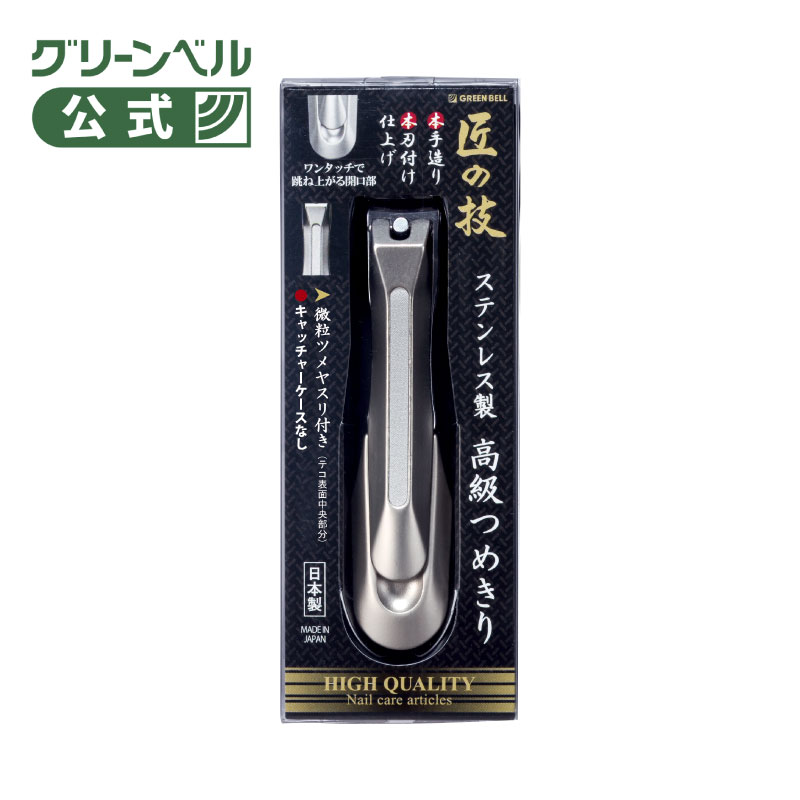


1★ Best PickDremel 7300-PT 4.8V Pet Grooming Tool

Cordless rotary grinder, 2 speeds (6,500/13,000 RPM), 60-grit bands — grinding removes the quick-cut risk entirely; ideal for dark-nailed dogs of any size
This button opens Amazon search results, not a specific product page.
2Safari Professional Stainless Steel Clipper

Stainless guillotine blade with safety guard, fastest clip time of the manual clippers here — professional-grade choice for medium/large dogs with visible nails
3Boshel Dog Nail Clipper

Budget pick under $15 with built-in safety guard and handle-mounted nail file — 40,000+ Amazon reviews; best for light-nailed dogs on a tight budget
Subscribe to our newsletter
Occasional updates and new releases — no spam.
4Casfuy Rechargeable Dog Nail Grinder

USB rechargeable, under 60 dB, 3 port sizes for XS–XL dogs, 5-hour battery — quietest grinder here; top pick for sound-sensitive or small breeds
5JW Pet GripSoft Deluxe Nail Clipper

Curved stainless blade with thermoplastic non-slip grip, vet-approved design — best fit for small-to-medium dogs; curved jaw reduces nail splintering
This button opens Amazon search results, not a specific product page.
How we compared
The variable that decides everything is nail color. On light nails you can see the pink quick through the keratin and stop short of it. Black nails hide it entirely — you cannot see where the blood vessel ends, so you guess. That asymmetry is the whole game, and every tool below is judged first on how it protects a dog whose quick you cannot see. | Tool | Price | Key strength | Quick-cut risk | Noise | |---|---|---|---|---| | Dremel 7300-PT | $35–$45 | Grinding, no quick-cut risk | None by design | 68–72 dB | | Casfuy Grinder | $25–$35 | Quiet, USB rechargeable | None by design | Under 60 dB | | Safari Professional | $12–$18 | Fastest, pro-grade blade | Low on light nails | Silent | | JW GripSoft Deluxe | $9–$14 | Vet-approved, small dogs | Moderate | Silent | | Boshel w/ Safety Guard | $10–$15 | Budget, built-in file | Moderate | Silent |
Grinders physically cannot cut the quick because they grind material away slowly — you feel resistance and stop. Clippers cut in one motion, and if the blade is positioned wrong by 1 mm, you're reaching for the styptic powder. Speed favors clippers: roughly 5 seconds per nail versus 15 for grinders. For a 12-nail trim, that's 1 minute versus 3. Fast matters when your dog is squirming.
Tolerance tells a different story than quick-cut risk. Owners of small breeds consistently report that the first grinder session goes badly — the vibration and pitch alarm a dog that has only ever felt clippers — and that it takes two or three sessions of gradual desensitization before the dog settles. First-time grinder users should budget that time for paw handling before expecting the dog to tolerate the tool calmly. Clippers, by contrast, are a familiar sensation most dogs accept from session one.
Dremel 7300-PT — best for dark-nailed or anxious dogs
The Dremel 7300-PT cannot cut the quick, and that is a property of the mechanism rather than a lucky result. Grinding is inherently forgiving — the drum removes material in layers, and you stop the moment the nail center starts looking chalky (that whitish dot signals you're approaching the quick). No clipper can match that feedback loop, which is why it is the default answer for black nails.
Two speeds: 6,500 RPM for small/thin nails, 13,000 RPM for thick Lab and Rottweiler nails. The 60-grit sanding bands wear down — owners report replacing a band after roughly 25 full trims, and a pack of 36 replacement bands runs about $6. Factor that into the running cost. Four AA batteries power the unit for about two hours, which covers 8–10 full trims before recharging. The cordless freedom matters when your dog needs to shift positions.
The Dremel runs louder than the Casfuy grinder — about 68–72 dB at arm's length versus the Casfuy's sub-60 dB. Large, phlegmatic dogs generally ignore it; small and sound-sensitive dogs are the ones owners report needing several sessions to stop flinching. If your dog is sound-sensitive, the Casfuy is worth considering first. At $35–$45, the Dremel costs two to four times more than the manual clippers here, but for a dog with black nails you'll never be able to see through, that premium is immediately justified by the first avoided quick-cut emergency.
Casfuy Dog Nail Grinder — best for noise-sensitive dogs
The Casfuy's motor is rated under 60 dB — quieter than a normal conversation. That's the single biggest functional advantage it has over the Dremel (68–72 dB). Owners of small and sound-sensitive dogs consistently report an easier introduction with the Casfuy, because the lower pitch and volume startle less on first contact.
Three grinding ports handle small (port A, fits nails up to 5 mm wide), medium (port B, up to 9 mm), and large (port C, up to 13 mm) dogs. Mid-size breeds sit comfortably in port B. Port C covers the largest nails, but the Casfuy's motor is smaller than the Dremel's, and owners of Rottweilers and other thick-nailed breeds report feeling it labor on dense rear nails. Stalling barely comes up in reviews; the Dremel is simply the more confident tool at that end of the range.
USB charging via micro-USB takes about 2.5 hours to fill the battery, which delivers 5 hours of runtime. That's the equivalent of 15–20 full trims between charges, so most households charge it about once a month. The Casfuy runs $25–$35, roughly $10 cheaper than the Dremel, and the sanding drum is built in rather than replaceable, which means no consumable cost but also no freshening the grit when it dulls.
Safari Professional Nail Trimmer — best for medium and large dogs with light nails
Safari is the clipper groomers actually use. The guillotine-style stainless blade cuts cleanly with minimal blade deflection, and the spring action is firm — not mushy like cheaper clippers. On a light-nailed medium dog a clean clip takes a few seconds per nail, which puts a full 12-nail trim under a minute.
The safety guard is a small metal bar that stops the blade from closing past a certain depth, theoretically preventing over-cutting. In practice, it's sized for the blade opening, not your dog's nail diameter — a thick Rottweiler nail can sit inside the guard while still having the quick within blade range. Quick-cut complaints in Safari reviews cluster almost entirely on black-nailed dogs; on light-nailed dogs where the quick is visible they largely disappear. That's the key limitation: it shines on transparent nails and struggles where visibility is zero.
At $12–$18, this is the clipper to recommend to a friend with a golden retriever or any light-nailed dog. The blade is replaceable (Safari sells refills), which extends tool life considerably. Not sized for small breeds — the jaw opening is designed for medium-to-large nails, and on a toy-breed nail the gap is too wide to position accurately.
Boshel Dog Nail Clippers — best budget pick under $15
The Boshel is Amazon's perennial top-seller in dog nail clippers, and with 40,000+ reviews averaging 4.5 stars it clearly works for a lot of people. The safety guard — a sliding blade limiter — prevents the blades from closing fully, adding a layer of protection that cheaper clippers omit. Quick-cut complaints are the most common criticism in its reviews — the highest rate of anything in this comparison — and they concentrate on black-nailed dogs, where the blade cannot be positioned by sight.
The built-in nail file in the handle is a practical touch. After clipping, a few strokes across each nail knock off the sharp edge — useful when your dog is already standing at the finish line and you don't want to reach for a separate tool. The plastic construction is lighter than the Safari's metal frame, which some people prefer for handling; others find it less confidence-inspiring under the hand.
For a first-time dog owner with a light-nailed small or medium dog and a tight budget, the Boshel delivers. For anyone with dark-nailed dogs or a dog that has been traumatized by a past quick-cut, the $25 premium for a Casfuy grinder is money well spent. The Boshel's value proposition is purely price: $10–$15 gets you a functional, safe-guarded clipper with a file included.
JW Pet GripSoft Deluxe — best for small dogs and vet-style control
The GripSoft's curved blade is shaped to cup a small dog's nail rather than meeting it at a flat angle, which means more of the nail surface contacts the cutting edge simultaneously. On toy and small-breed nails that produces cleaner cuts with less splintering than the flat-jawed Safari or Boshel, and it holds up through beagle-sized dogs. Beyond about 40 lb the jaw gap becomes the limiting factor and thicker nails no longer seat well.
The thermoplastic rubber grip is the softest and most tactile of the four clippers here. Thirty minutes into a trim session with a squirmy dog, grip fatigue matters. Owners report hand position staying more consistent through a full 12-nail trim on the JW than on the harder-handled Boshel. Quick-cut complaints land between the Boshel and the Safari, and as with every clipper here they concentrate on black nails.
Veterinarian-approved is not a regulated claim, but the design rationale is sound: the curved blade and small jaw opening genuinely suit the small-to-medium nail size range. At $9–$14, it's the least expensive option here. The blade is not replaceable on this model — when it dulls (typically after 12–18 months of weekly use), you replace the whole tool. That's fine at $12; less fine if the replacement cost climbs.
Frequently asked questions
Clipper or grinder — which is safer for dogs?▼
How often should I trim my dog's nails?▼
My dog is terrified of nail trims. What helps?▼
What do I do if I cut the quick?▼
Is the Dremel 7300-PT worth it for a small dog?▼
How long do grinding bands last on the Dremel?▼
Can I use a regular Dremel tool instead of the 7300-PT?▼
Which clipper is best for large dogs like Labs and Rottweilers?▼
Do grinders work on thick nails without bogging down?▼
Are there tools worth considering beyond these five?▼
Check the details of the products in this article
- Dremel 7300-PT 4.8V Pet Grooming Tool$35〜$45Reference price
This button opens Amazon search results, not a specific product page.
- Safari Professional Stainless Steel Clipper$14.41Price as of 2026-10-19
- Boshel Dog Nail Clipper$13.97Price as of 2026-10-19
- Casfuy Rechargeable Dog Nail Grinder$29.99Price as of 2026-10-19
- JW Pet GripSoft Deluxe Nail Clipper$12〜$18Reference price
This button opens Amazon search results, not a specific product page.
Prices change. Check the retailer for the current price.
Comments & questions
Discussion happens on nattzy, our community forum. Sign in with Google to post — it takes a second.
View the discussion thread on nattzy ↗
Still deciding? Ask the community your own question — Post a question on nattzy ↗
Related articles

Best Dog Anxiety Supplement 2026: 5 Calming Chews

Best Dog Joint Supplements 2026: 5 for Efficacy
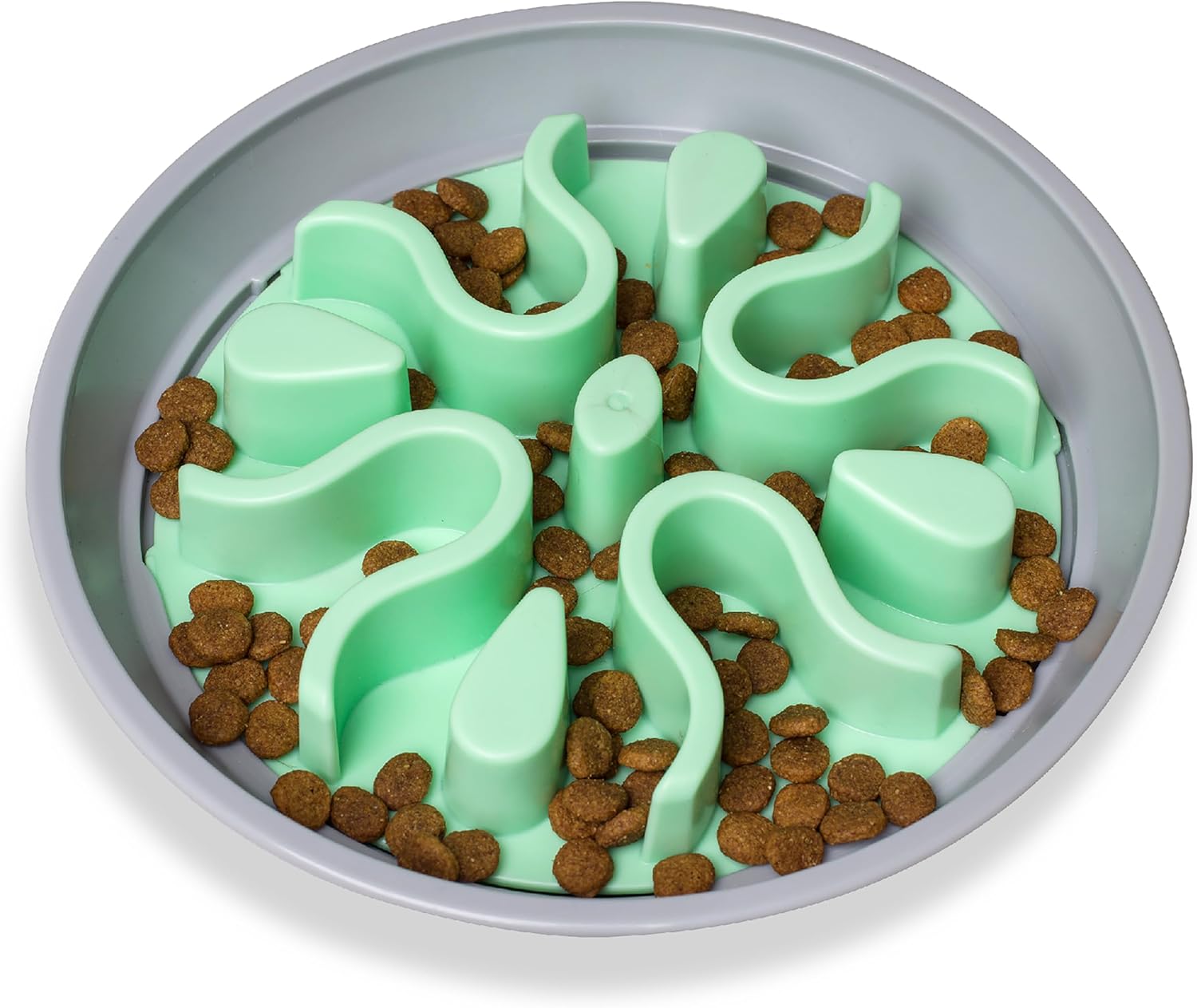
Best Slow Feeder Dog Bowls 2026: Outward Hound vs JASGOOD
:max_bytes(150000):strip_icc()/yeti-boomer-8-stainless-steel-043d6f3284764377bbdc7d33e6395b1f.jpg)
Best Dog Bowls of 2026: 5 Picks for Every Budget

Best Grain-Free Dog Food 2026: 5 Formulas Ranked
Best Dog Food 2026: 4 Compared for Nutrition & Value