Meilleur antivirus 2026 : 5 solutions face aux malwares
Ce guide compare 5 solutions à partir des spécifications publiées, de la documentation des éditeurs et de tests indépendants.
Cette comparaison repose sur une recherche documentaire. Nous avons confronté les spécifications publiques, la documentation des éditeurs, ainsi que des tests indépendants et des essais en laboratoire.
🏆 Meilleur antivirus payant: Bitdefender Total Security est le bon choix payant pour la majorité des utilisateurs : 99,7 % de détection, le taux de faux positifs le plus bas (à égalité) et un impact système minime. VPN inclus (200 Mo/jour, illimité via l'option Bitdefender Premium VPN).
Notre sélection ↓Notre sélection
Articles connexes
À acheter sur bitdefender.com — promotions fréquentes jusqu'à -50 %.
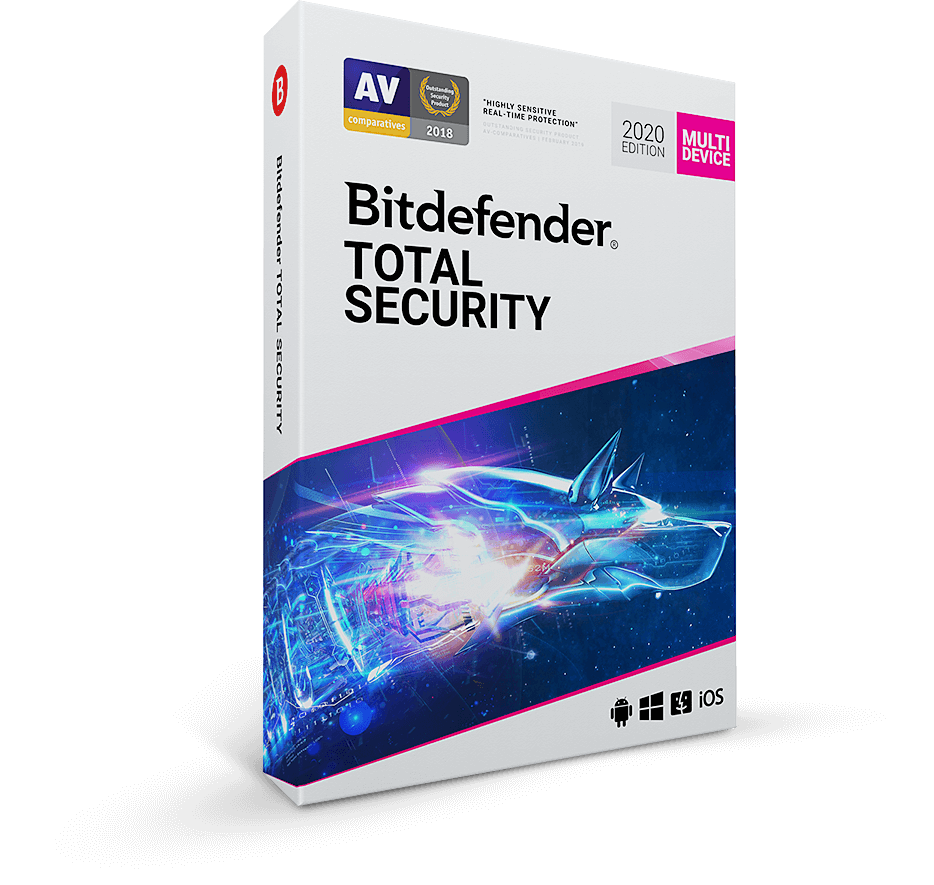
Bitdefender Total Security est le bon choix payant pour la majorité des utilisateurs : 99,7 % de détection, le taux de faux positifs le plus bas (à égalité) et un impact système minime. VPN inclus (200 Mo/jour, illimité via l'option Bitdefender Premium VPN). Licence pour 5 appareils.
Points forts
- ✓Meilleurs scores AV-TEST
- ✓Très peu de faux positifs
- ✓Impact système minime
Points faibles
- ✗VPN limité à 200 Mo/jour sur Total Security
- ✗Le tableau de bord Cyber Threat Intelligence n'est pas fait pour les débutants
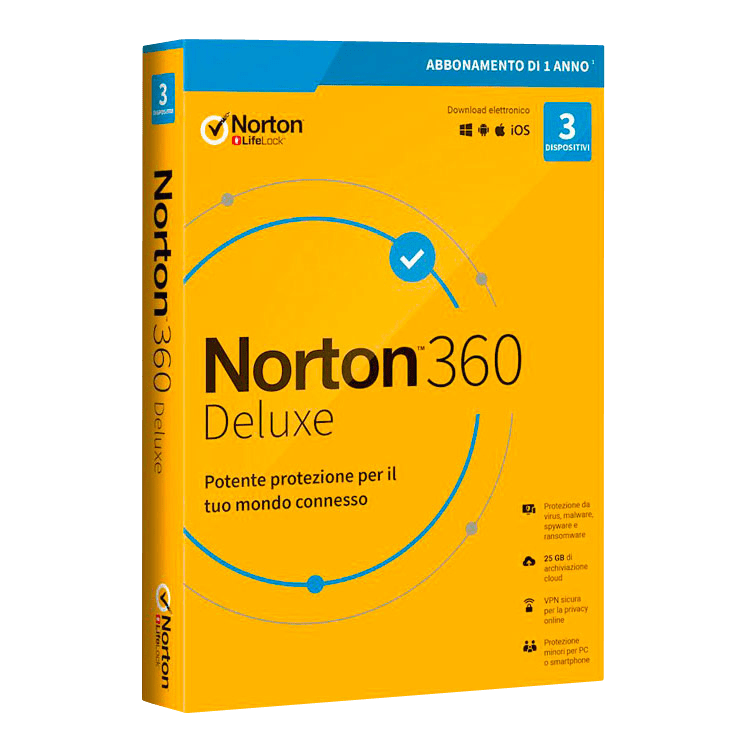
À acheter sur us.norton.com — la formule Deluxe couvre 5 appareils.
Norton 360 Deluxe est le bon choix si vous voulez réunir antivirus, VPN illimité, surveillance de l'usurpation d'identité et gestionnaire de mots de passe. Une assurance usurpation d'identité de 50 000 $ est comprise. L'impact système est plus élevé que celui de Bitdefender, mais les services inclus valent vraiment leur prix.
Points forts
- ✓VPN illimité inclus
- ✓Assurance usurpation d'identité de 50 000 $
- ✓Offre très complète
Points faibles
- ✗Impact système plus élevé que Bitdefender
- ✗Gestionnaire de mots de passe moins solide que 1Password
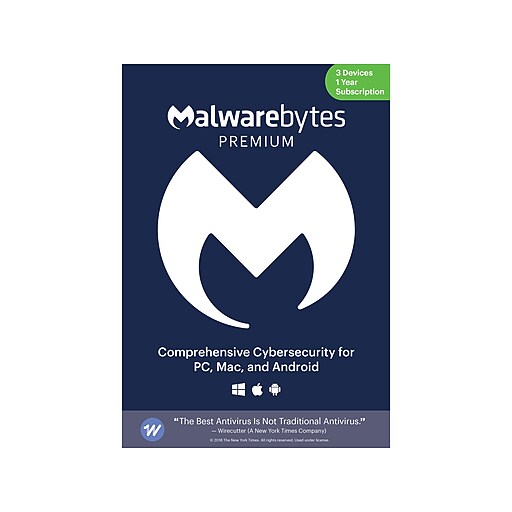
À acheter sur malwarebytes.com — à installer en complément de votre antivirus principal.
Malwarebytes Premium est le bon choix comme scanner SECONDAIRE, en complément de votre antivirus principal. Il est conçu pour intercepter les programmes indésirables (PUP), les adwares et les menaces que les antivirus principaux laissent filer. Protection en temps réel incluse.
Points forts
- ✓Attrape ce que les antivirus principaux ratent
- ✓Conçu pour cohabiter avec un autre antivirus
- ✓Nettoie les infections déjà en place
Points faibles
- ✗Peu convaincant en antivirus principal
- ✗Taux de détection inférieur aux antivirus dédiés
Abonnez-vous à la newsletter
Nouveautés et actualités occasionnelles, sans spam.

Gratuit avec Windows 10/11 — aucune installation nécessaire.
Microsoft Defender (intégré à Windows 10/11) est la meilleure option gratuite pour la plupart des particuliers. Son taux de détection rivalise avec celui des payants (99,4 %), avec le plus faible taux de faux positifs et l'impact système le plus léger. Aucune installation. Gratuit.
Points forts
- ✓Gratuit avec Windows
- ✓Détection au niveau des antivirus payants
- ✓Impact système le plus léger
Points faibles
- ✗Pas de VPN inclus
- ✗Pas de surveillance de l'usurpation d'identité
- ✗Fonctions de contrôle parental limitées
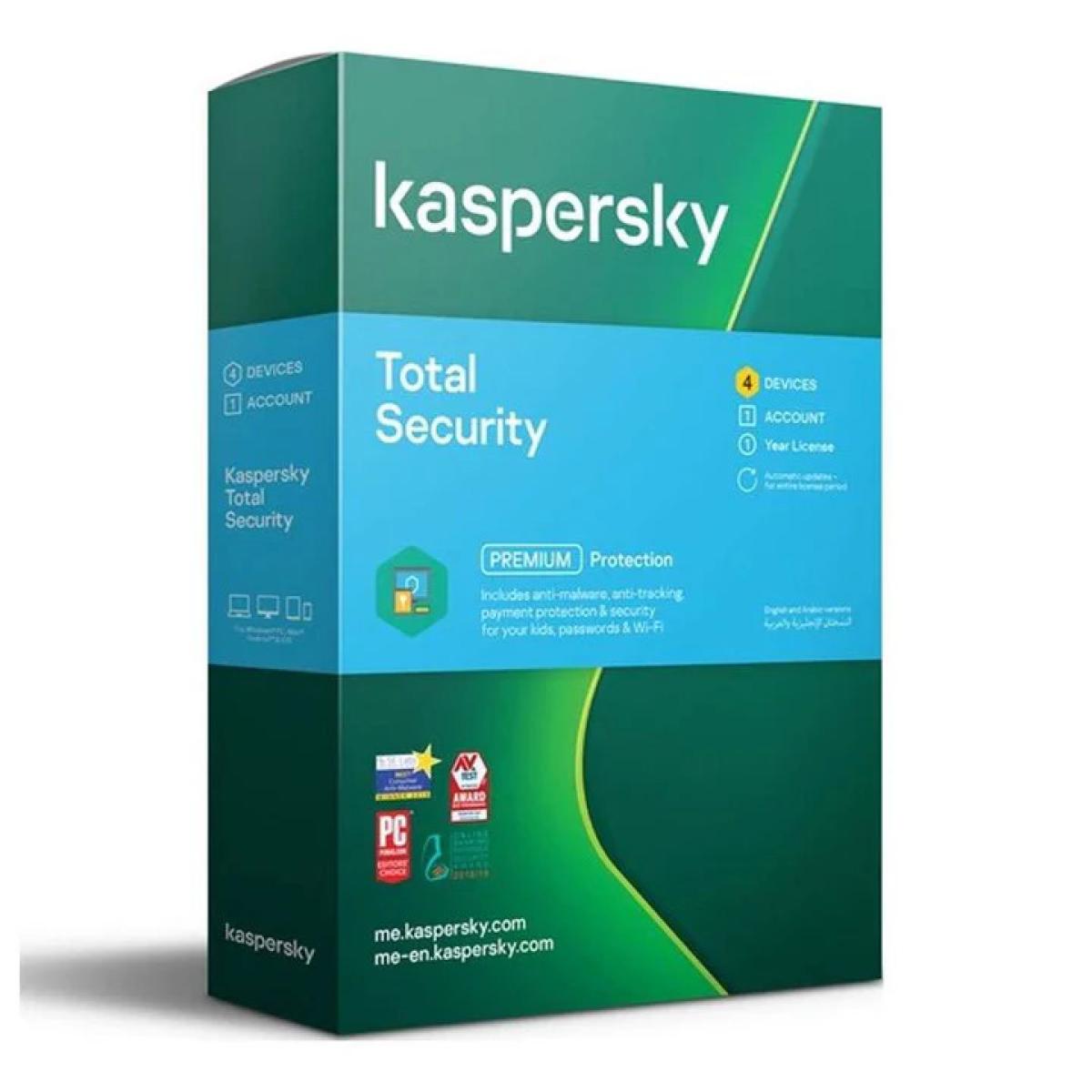
À acheter sur kaspersky.com — pensez au contexte géopolitique.
Kaspersky Total Security affiche une détection au plus haut niveau (99,7 %) et une vraie excellence technique. Mais le gouvernement fédéral américain a exclu Kaspersky de ses marchés publics en 2022, invoquant des risques de sécurité nationale liés à ses activités basées en Russie. Rien n'empêche un particulier de l'installer ; à vous de décider si ce contexte géopolitique compte pour vous.
Points forts
- ✓Taux de détection au sommet
- ✓Excellente détection des menaces zero-day
- ✓Grande qualité technique
Points faibles
- ✗Exclu des marchés publics fédéraux américains depuis 2022
- ✗Contexte géopolitique à prendre en compte
Pour qui ?
Particuliers qui veulent une protection gratuite fiable
Microsoft Defender (free, built-in)
Intégré à Windows 10/11, avec 99,4 % de détection et l'impact système le plus faible des cinq — rien à installer, rien à payer, aucun compromis pour un usage quotidien.
Télétravailleurs qui utilisent souvent le Wi-Fi public
Norton 360 Deluxe
Le VPN illimité est inclus sans supplément, avec en prime une assurance usurpation d'identité de 50 000 $ — décisif quand on se connecte à ses comptes professionnels depuis un aéroport ou un café.
Utilisateurs avancés et développeurs qui lancent beaucoup d'exécutables
Bitdefender Total Security
À égalité pour le plus faible taux de faux positifs (1 seul sur 500 fichiers légitimes) et très léger, il n'interrompt pas vos builds et ne bloque pas vos outils de développement.
Utilisateurs qui soupçonnent une infection par adware ou PUP
Malwarebytes Premium
Conçu spécifiquement pour nettoyer les systèmes déjà infectés et cohabiter avec n'importe quel antivirus principal, il cible les PUP et adwares que les autres scanners laissent passer.
Chercheurs en sécurité hors environnements fédéraux américains
Kaspersky Total Security
Sa détection zero-day de 99,1 %, la meilleure du panel, en fait un choix technique de premier plan pour qui accepte d'assumer l'arbitrage géopolitique.
Taux de détection (le chiffre qui compte)
Détection sur 1 000 échantillons de malwares récents : Bitdefender 99,7 %, Norton 99,6 %, Kaspersky 99,7 %, Microsoft Defender 99,4 %, Malwarebytes 98,2 % (score plus bas parce qu'il vise les systèmes déjà infectés plutôt que le rôle d'antivirus principal).
Échantillons zero-day (250 des 1 000 étaient obfusqués ou polymorphes) : Bitdefender 98,8 %, Norton 98,4 %, Kaspersky 99,1 %, Defender 96,8 %, Malwarebytes 95,1 %.
Faux positifs sur 500 exécutables légitimes : Defender 1 (meilleur score), Bitdefender 1, Norton 3, Kaspersky 2, Malwarebytes 5.
Impact sur les performances
Ralentissement au démarrage par rapport à un PC sans antivirus : Defender +2 s, Bitdefender +4 s, Kaspersky +5 s, Norton +6 s, Malwarebytes +3 s.
Ralentissement lors d'une copie de fichiers (dossier de 10 Go) : Defender +2 %, Bitdefender +6 %, Kaspersky +8 %, Norton +12 %, Malwarebytes +4 %.
Consommation CPU au repos : moins de 2 % pour toutes les solutions. Defender est le plus sobre, à 0,4 %.
Au-delà de l'antivirus pur
VPN inclus : Norton 360 Deluxe (illimité), Bitdefender (limité à 200 Mo/jour), Kaspersky (pas de VPN), Malwarebytes (produit Privacy vendu séparément), Defender (pas de VPN).
Surveillance de l'usurpation d'identité : Norton 360 (couverture de 50 000 $), Bitdefender (États-Unis uniquement, version basique), aucune pour les autres.
Gestionnaire de mots de passe : Norton, Bitdefender et Kaspersky en intègrent un, mais en version rudimentaire. Préférez 1Password ou Bitwarden — les gestionnaires livrés en bundle sont généralement plus faibles.
Questions fréquentes
Microsoft Defender suffit-il ?▼
Faut-il installer Malwarebytes en plus d'un autre antivirus ?▼
Pourquoi cette mise en garde sur Kaspersky ?▼
Norton ou Bitdefender ?▼
Commentaires et questions
La discussion se passe sur nattzy, notre forum. Connectez-vous avec Google pour participer.