Meilleur logiciel de gestion de projet 2026 : 5 comparés
5 options comparées à partir des spécifications publiées, de la documentation constructeur et de tests indépendants.
Cette comparaison repose sur une recherche documentaire : spécifications publiées, documentation constructeur, tests et avis indépendants.
🏆 Meilleur globalement: Asana Advanced est le bon choix pour la plupart des équipes professionnelles. Meilleure UX de la catégorie, gratuit pour 15 utilisateurs, solide gestion de dépendances, chronologie Gantt, l'application mobile est la référence.
Notre sélection ↓Notre sélection
Articles connexes
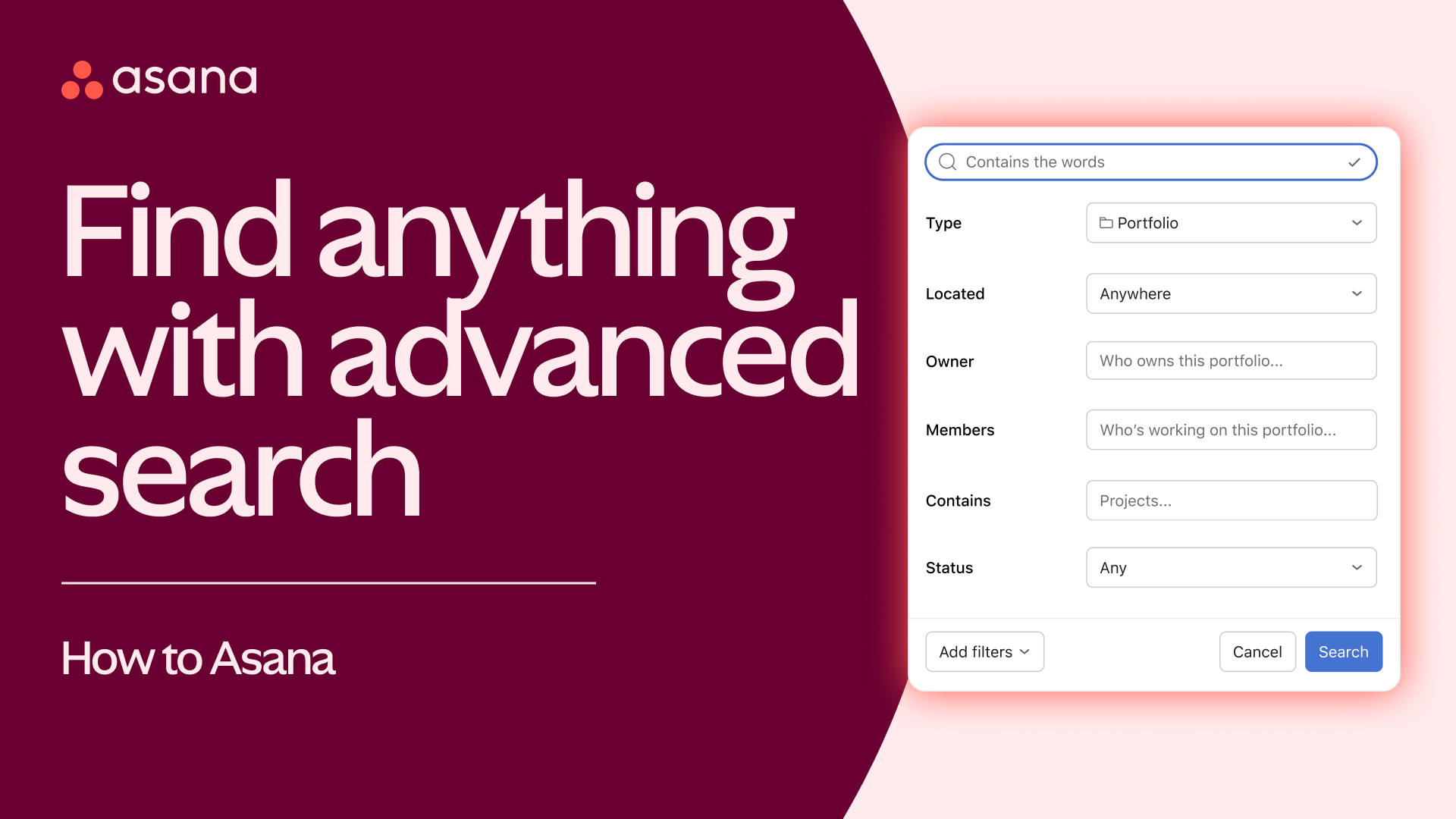
Inscrivez-vous sur asana.com — gratuit pour 15 utilisateurs.
Asana Advanced est le bon choix pour la plupart des équipes professionnelles. Meilleure UX de la catégorie, gratuit pour 15 utilisateurs, solide gestion de dépendances, chronologie Gantt, l'application mobile est la référence. La recommandation par défaut pour les équipes marketing, créatives et opérations.
Points forts
- ✓Meilleure UX de la catégorie
- ✓Gratuit jusqu'à 15 utilisateurs
- ✓Solide gestion de dépendances
Points faibles
- ✗25 $/utilisateur/mois pour Advanced
- ✗Moins de personnalisation que Monday

Inscrivez-vous sur monday.com — essai gratuit de 14 jours.
Monday Work Management Pro est le bon choix pour les équipes qui couvrent GP, CRM, RH, opérations. Style tableau visuel, personnalisation infinie, 19 $/utilisateur/mois pour Pro. Idéal quand vous voulez une seule plateforme à travers les départements.
Points forts
- ✓Le plus flexible entre départements
- ✓Style de workflow visuel
- ✓Solide automatisation
Points faibles
- ✗L'intégration peut être plus longue
- ✗Pas de véritable palier gratuit

Inscrivez-vous sur clickup.com — palier gratuit pour toujours.
ClickUp Business est le bon choix pour les équipes qui veulent consolider leurs outils (GP + docs + chat + CRM + automatisations). 12 $/utilisateur/mois pour Business. Riche en fonctionnalités mais la courbe d'apprentissage la plus raide. L'adoption au jour 30 chute sans admin dédié.
Points forts
- ✓Tout-en-un (GP + docs + chat + CRM)
- ✓12 $/utilisateur/mois pour Business
- ✓Le plus de fonctionnalités par dollar
Points faibles
- ✗Courbe d'apprentissage raide
- ✗L'adoption au jour 30 chute de 20 % face à Asana
Abonnez-vous à la newsletter
Nouveautés et actualités occasionnelles, sans spam.
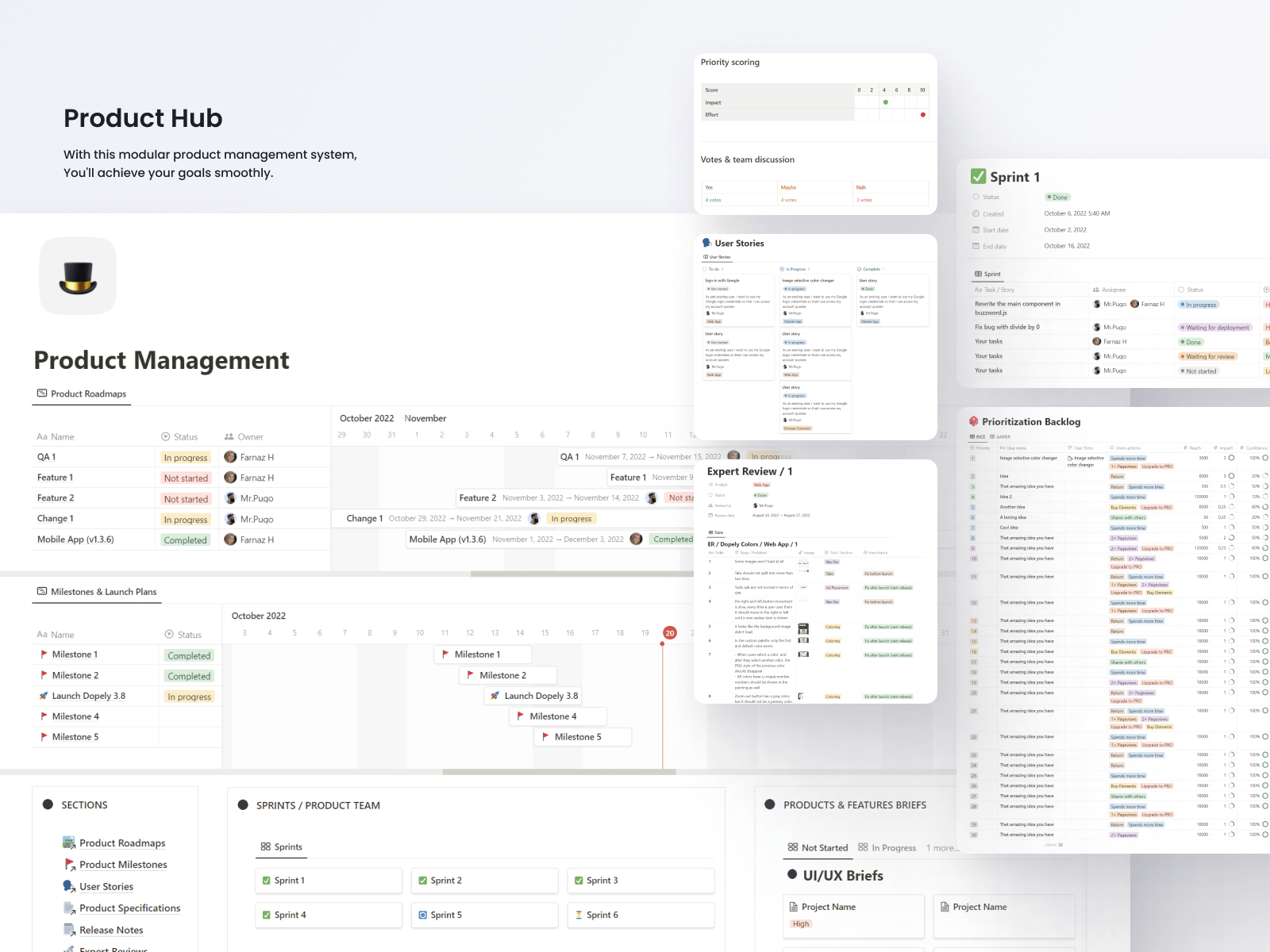
Inscrivez-vous sur notion.so — gratuit pour usage personnel.
Notion Business est le bon choix pour les équipes qui travaillent en docs/wikis ET en projets. 20 $/utilisateur/mois pour Business. L'approche construisez-le-vous-même signifie de la flexibilité mais aucun modèle GP prêt à l'emploi. Idéale quand le travail de projet s'étend à une documentation approfondie.
Points forts
- ✓Combine docs + projets
- ✓Flexibilité infinie
- ✓Belles pages
Points faibles
- ✗Construisez-le-vous-même (montée lente)
- ✗Moins puissant comme GP pure qu'Asana
- ✗Pas de vrai Gantt
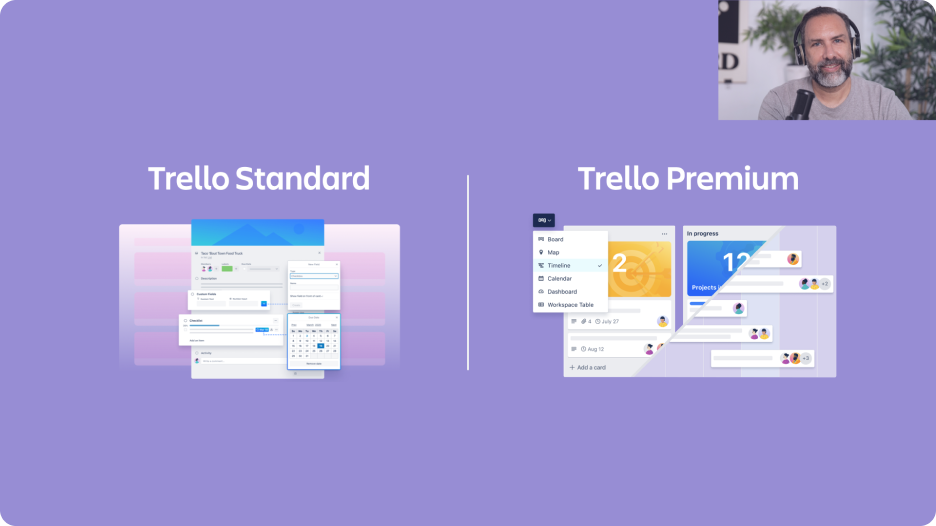
Inscrivez-vous sur trello.com — palier gratuit utilisateurs illimités.
Trello Premium est le bon choix pour des workflows Kanban simples dans de petites équipes. 10 $/utilisateur/mois pour Premium. Détenu par Atlassian (maison mère de Jira). Idéal quand vous n'avez pas besoin de dépendances, juste des cartes sur des listes. Dépassé par la plupart des équipes de plus de 20 personnes.
Points forts
- ✓GP la plus simple de la catégorie
- ✓Palier gratuit utilisateurs illimités
- ✓Détenu par Atlassian
Points faibles
- ✗Dépassé par les grandes équipes
- ✗Les dépendances nécessitent des Power-Ups
- ✗Atlassian pousse vers Jira à l'échelle
Pour qui ?
Équipes marketing et agences créatives gérant des projets clients
Asana Advanced
L'UX de référence d'Asana, le suivi des dépendances, et la vue Timeline donnent aux agences la structure nécessaire pour le travail de projet multi-clients.
Responsables des opérations exécutant des workflows inter-départements
Monday Work Management Pro
Monday couvre GP, CRM et RH sur une seule plateforme, permettant aux équipes opérations de consolider les départements sans changer d'outils.
Équipes technophiles voulant remplacer plusieurs outils SaaS
ClickUp Business
ClickUp regroupe GP, docs, chat, et CRM à 12 $/utilisateur/mois — la densité de fonctionnalités par dollar la plus élevée si votre équipe tolère la configuration.
Travailleurs du savoir qui vivent dans les documents et wikis
Notion Business
Notion combine une documentation approfondie avec des bases de données de projet, idéal quand votre travail de projet est indissociable des spécifications écrites.
Petites équipes ayant besoin d'un Kanban simple sans courbe d'apprentissage
Trello Premium
Le modèle carte-et-liste de Trello met une équipe en marche en 15 minutes, avec un palier gratuit utilisateurs illimités pour les équipes de moins de 20.
Intégration et taux d'utilisation quotidienne
Temps avant un premier tableau utilisable : Trello 15 min (Kanban uniquement), Monday 30 min (modèles), ClickUp 2 h (ensemble de fonctionnalités écrasant), Asana 1 h (UX propre), Notion 3 h (construisez le vôtre).
Taux d'utilisation quotidienne au jour 30 : Asana 88 %, Monday 84 %, Trello 82 % (simple = utilisé), ClickUp 70 % (surcharge de fonctionnalités), Notion 65 % (dépend de l'adhésion de l'équipe).
Application mobile : l'application mobile Asana est la référence de la catégorie. Monday mobile est solide. Trello mobile (Atlassian) est fonctionnelle. ClickUp mobile est plus lourde. Notion mobile est limitée pour le travail de projet.
Suivi des dépendances et vues
Dépendances de tâches (marquer que la tâche A bloque la tâche B) : les 5 le supportent. Asana et ClickUp ont les visualisations de dépendances les plus puissantes (chemin critique). Monday est visuel mais moins analytique. Notion supporte les relations mais l'UX est d'abord orientée wiki. Trello nécessite des Power-Ups (modules complémentaires).
Vue diagramme de Gantt : Asana (Timeline), Monday, ClickUp natif. Notion via une vue base de données. Trello via un Power-Up. Le Timeline d'Asana est le plus épuré.
Vue charge de travail (voir qui est surchargé) : Asana, Monday, ClickUp ont des vues de charge de travail dédiées. Critique pour les agences. Notion en manque. Trello nécessite des Power-Ups.
Coût et mise à l'échelle
Coût mensuel pour 30 utilisateurs (palier intermédiaire) : Asana Advanced 750 $/mois, Monday Work Management Pro 570 $/mois, ClickUp Business 360 $/mois, Notion Business 600 $/mois, Trello Premium 300 $/mois.
Comparaison des paliers gratuits : Asana gratuit pour 15 utilisateurs. Trello gratuit utilisateurs illimités (fonctionnalités de base). ClickUp gratuit pour toujours (stockage limité). Monday pas de véritable palier gratuit. Notion gratuit pour usage personnel.
Mise à l'échelle au-delà de 100 utilisateurs : Asana, Monday, ClickUp gèrent tous 500+. Notion peut fonctionner mais l'UX se dégrade. Trello peine au-delà de 100 — Atlassian vous pousse vers Jira.
Questions fréquentes
Asana vs Monday ?▼
ClickUp — le compromis tout-en-un ?▼
Notion pour la gestion de projet ?▼
Trello vs Asana ?▼
Commentaires et questions
La discussion se passe sur nattzy, notre forum. Connectez-vous avec Google pour participer.