2026년 최고의 도마
이 글은 5개 제품을 공개 사양, 제조사 자료, 독립 리뷰를 근거로 비교한 것입니다.
빠른 결론
대부분의 가정 요리사에게는 Boos Block의 엣지 그레인 메이플 도마가 최선의 선택입니다. 약 1450 얀카 경도의 하드 메이플은 얇은 일본식 칼날을 보호하면서도 매일 재료를 손질하기에 충분히 단단합니다. Teakhaus는 티크에 함유된 2~8%의 천연 오일 덕분에 오일을 바르지 않아도 물에 강하고, OXO의 HDPE 도마는 이 중 유일하게 생닭 손질 후 식기세척기 살균 코스를 견딜 수 있으며, Epicurean의 1/4인치 복합소재 도마는 나무 도마가 들어가지 않는 곳에도 들어갑니다.
각 제품을 제조 품질과 소재, 일상적인 주방 사용에서의 성능, 세척과 관리의 번거로움, 수년간 사용했을 때의 내구성, 가격 대비 가치를 기준으로 평가했습니다. 제조사 사양은 검증된 구매자 리뷰와 대조해 확인했습니다.
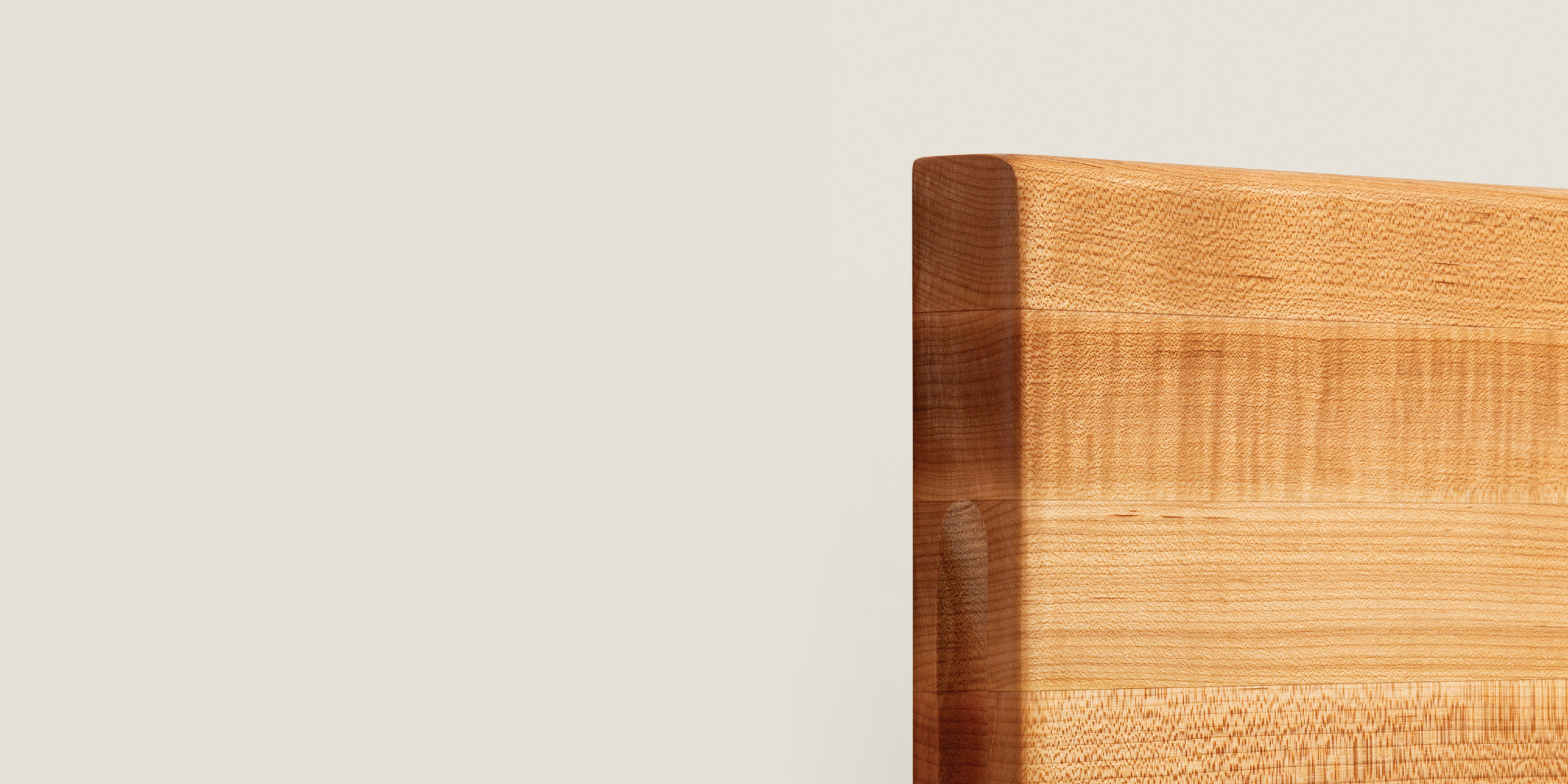
종합 1위: Boos Block 엣지그레인 메이플 도마가 전문 주방의 표준으로 통하는 데는 이유가 있습니다. 하드 메이플의 잰카 경도는 약 1450으로, 파이거나 패이지 않을 만큼 단단하면서도 칼날에는 부담을 주지 않는 절묘한 구간에 걸쳐 있습니다.
미국에서 구매 가능
| 제품 | 링크 |
|---|---|
미국에서 구매 가능 | |
미국에서 구매 가능 | |
미국에서 구매 가능 | |
미국에서 구매 가능 | |
미국에서 구매 가능 |



추천 순위


하드 메이플 엣지 그레인, Janka 경도 약 1450, 2-4주마다 식품 등급 미네랄 오일 필요. US$100-250+. 칼날 보존과 수명에 있어 전반적으로 최고의 나무 도마. 전문 주방 표준.
Boos Block 엣지그레인 메이플 도마가 전문 주방의 표준으로 통하는 데는 이유가 있습니다. 하드 메이플의 잰카 경도는 약 1450으로, 파이거나 패이지 않을 만큼 단단하면서도 칼날에는 부담을 주지 않는 절묘한 구간에 걸쳐 있습니다. 조밀하게 닫힌 목질은 칼자국이 난 뒤 다시 아물기 때문에, UC 데이비스 식품안전 연구에서 확인된 세균 잔류 억제 특성이 나타납니다. 흔히 쓰이는 크기는 45×30cm 또는 50×38cm에 두께 약 4cm로, 힘줘서 다질 때 무게감과 소음 억제 효과가 확실합니다. 2~4주에 한 번 미네랄 오일을 먹여주면 건조나 뒤틀림 없이 유지됩니다. 관리 부담은 분명 있지만, 제대로 오일링한 도마는 10년치 플라스틱 도마를 갈아치우는 것보다 오래갑니다.
추천 포인트
- ✓하드 메이플 경도가 칼날 보호에 가장 이상적인 구간
- ✓치밀한 목질이 다시 아물어 세균 잔류를 억제
- ✓약 4cm 두께로 힘든 손질 중에도 흔들리지 않음
- ✓평생 쓸 만한 완성도, 샌딩과 재오일링으로 복원 가능
아쉬운 점
- ✗2~4주마다 미네랄 오일 관리 필요
- ✗플라스틱·복합 소재 제품 대비 가격대가 높음
미국에서 구매 가능
티크 엣지 그레인, 자연적으로 방수성(티크 오일 함량), 최소한의 관리 필요. US$80-150. 야외 사용, 싱크대 옆 배치, 또는 관리가 적은 나무를 선호하는 사용자에게 최적. 메이플보다 칼날에 약간 더 부드러움.
Teakhaus는 자체 오일 함유량이 2~8%인 조림 티크를 사용해, 메이플처럼 주기적으로 미네랄 오일을 먹이지 않아도 기본적으로 물에 강합니다. 잰카 경도는 1000 안팎으로 메이플보다 살짝 무른 편이라 칼날에는 아주 조금 더 유리하고, 거친 결이 물기 있는 재료를 썰 때 미끄럼을 잡아줍니다. 표준 50×36cm 엣지그레인 패널은 중식도로 눌러 썰어도 휘지 않을 만큼 밀도가 있습니다. 단점은 티크에 포함된 규소(1~2%)로, 아주 단단한 일식 칼은 메이플을 쓸 때보다 날이 빨리 무뎌질 수 있습니다. 다만 가정에서는 체감하기 어려운 수준입니다. 싱크대 옆에 두는 도마라면, 혹은 오일링을 자주 잊는 편이라면 메이플이 벌하는 방치를 티크는 너그럽게 넘겨줍니다.
추천 포인트
- ✓티크 자체 오일 덕분에 미네랄 오일 관리가 거의 불필요
- ✓메이플보다 약간 무른 만큼 칼날에 조금 더 관대함
- ✓습한 환경에서 메이플보다 잘 버팀
- ✓동급 Boos 제품보다 대체로 저렴
아쉬운 점
- ✗규소 성분이 초경질 칼(HRC 62 이상)의 마모를 앞당길 수 있음
- ✗결이 굵어 메이플만큼 정갈해 보이지는 않음
미국에서 구매 가능
HDPE 플라스틱, 주스 홈, 미끄럼 방지 발, 식기 세척기 사용 가능. US$30-50. 전용 생고기 및 생선 가공에 최적. 식기 세척기 온도에서 위생 처리 가능하여 단백질 절단에 올바른 소재. 채소용 별도 나무 도마와 함께 사용.
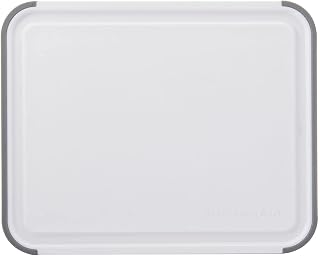
OXO Good Grips 도마는 HDPE 소재에 미끄럼 방지 고무 테두리와 둘레를 두른 육즙 홈을 갖췄고, 기본 모델 크기는 약 27×37cm입니다. HDPE는 칼질용으로 딱 맞는 플라스틱입니다. BPA-프리에 살균 온도의 식기세척기 사용이 가능하고, 딱딱한 폴리프로필렌보다 칼날에 부드럽습니다. 쇼어 D 경도 62~65 정도로 나무보다는 단단해 메이플보다 날이 빨리 무뎌지지만, 여기서 핵심은 식기세척기 대응입니다. 교차오염 위험이 최우선인 생닭·생선 등 육류 손질에는 살균 세척이 실제로 작동하는 이 소재가 정답입니다. 표면에 칼자국이 깊게 쌓이면 억지로 문질러 닦지 말고 교체하는 편이 낫습니다.
추천 포인트
- ✓살균 온도에서 식기세척기 사용 가능
- ✓육즙 홈이 고기를 썰 때 흘러나오는 물기를 잡아줌
- ✓고무 테두리가 미끄러운 조리대에서도 도마를 고정
- ✓칼자국이 쌓이면 부담 없이 교체할 수 있는 가격
아쉬운 점
- ✗나무 도마보다 칼날 마모가 빠름
- ✗칼자국이 깊어지면 시간이 지날수록 세균의 온상이 됨
미국에서 구매 가능
뉴스레터 구독
유용한 정보와 신규 소식을 가끔 보내드립니다. 스팸 없음.
종이 복합 소재(크라프트 섬유 + 수지), 식기 세척기 사용 가능, 두께 약 6mm 얇은 프로필. US$30-60. 오일 관리 없이 나무처럼 보이는 도마를 원하는 사용자에게 최적. 나무보다 칼날에 더 가혹하지만 관리는 더 편함.
Epicurean 키친 시리즈는 크라프트 섬유를 식품용 수지로 압축한 종이 복합 소재로, 두께 약 6mm 패널이면서 식기세척기에 넣을 수 있고 같은 크기 원목 도마보다 훨씬 가볍습니다. 표면 경도는 메이플보다 단단하고 HDPE보다는 조금 무른 정도라, 칼날 마모도 그 중간쯤에 놓입니다. 표준 크기는 약 37×29cm로, 두께 4cm짜리 나무 도마가 들어가지 않는 좁은 틈에도 세워서 수납됩니다. 결이 없으니 오일 관리도, 뒤틀림 걱정도 없다는 점이 가장 큰 매력입니다. 나무처럼 표면이 스스로 아무는 성질은 없고 티크나 월넛 같은 온기도 없지만, 쓰고 치우는 일상적인 번거로움은 이 비교군에서 가장 적습니다.
추천 포인트
- ✓식기세척기 사용 가능, 뒤틀림 걱정 없음
- ✓6mm 얇은 두께로 좁은 수납 공간에도 들어감
- ✓한 손으로 다룰 수 있을 만큼 가벼움
- ✓오일 관리가 전혀 필요 없음
아쉬운 점
- ✗나무 도마보다 칼날에 부담이 큼
- ✗복합 소재라 엔드그레인 원목 같은 자가 복원 성질이 없음
미국에서 구매 가능
블랙 월넛 엔드 그레인, Janka 약 1010, 모든 옵션 중 칼날에 가장 부드럽고, 최고의 시각적 매력. US$150-400. 주방 전시와 가장 매력적인 도마를 원하는 사용자에게 최적. 엔드 그레인 메이플과 동일한 오일 관리 요건.
John Boos 월넛 부처블록은 블랙 월넛을 엔드그레인으로 짠 제품으로, 잰카 경도 약 1010입니다. 메이플보다 무르고 티크보다도 살짝 무른, 이 비교군에서 칼날에 가장 관대한 원목입니다. 엔드그레인 구조에서는 칼날이 나뭇결을 가로지르는 대신 세로로 선 섬유 사이를 파고들기 때문에, 오일링하면 칼자국이 눈에 띄지 않게 아무는 특유의 자가 복원 표면이 만들어집니다. 기본 크기는 45×30×4cm부터 시작해 60cm가 넘는 대형 부처블록까지 이어집니다. 오일 관리는 엔드그레인 메이플과 같습니다. 처음에는 2~3주마다, 충분히 길들여진 뒤에는 간격을 늘려도 됩니다. 메이플보다 비싼 값은 사실상 진한 초콜릿빛 결값이며, 아일랜드나 조리대 위에서의 존재감은 밝은 메이플과 비교가 되지 않습니다.
추천 포인트
- ✓이 비교군에서 가장 무른 원목, 칼날에 가장 관대함
- ✓엔드그레인 구조로 자가 복원 효과가 극대화됨
- ✓짙은 월넛 결의 강렬한 존재감
- ✓메이플 라인과 동일한 검증된 Boos 완성도
아쉬운 점
- ✗동급 메이플 제품보다 상당히 비쌈
- ✗엔드그레인은 갈라짐 방지를 위해 꾸준한 오일링이 필요
미국에서 구매 가능
어떤 분께 추천하나요?
일식 칼을 쓰는 진심인 홈쿡
Boos Block Maple Cutting Board
잰카 1450의 하드 메이플은 얇은 일식 칼날을 어떤 플라스틱·복합 소재보다 잘 지켜주면서, 매일 하는 힘든 손질도 받아낼 만큼 단단합니다.
싱크대 옆에서 간편하게 쓰고 싶은 분
Teakhaus Edge Grain Teak Cutting Board
티크의 자체 오일 성분 덕분에, 관리하지 않은 메이플이라면 뒤틀렸을 습한 방치도 무리 없이 버팁니다.
생닭을 자주 손질하는 분
OXO Good Grips Plastic Cutting Board
여기서 식기세척기 살균 코스를 견디는 소재는 HDPE뿐이고, 육류 유래 병원균을 실제로 잡는 것은 그 살균 과정입니다.
수납 공간이 없는 좁은 주방의 자취러
Epicurean Kitchen Series Composite Cutting Board
두께 6mm 복합 소재라 4cm 원목 블록이 들어가지 않는 좁은 틈에도 쏙 들어갑니다.
아일랜드 주방을 쓰는 분
John Boos Walnut End-Grain Butcher Block Board
엔드그레인 월넛은 이 비교군에서 가장 눈길을 끄는 표면이자, 칼날에 가장 관대한 원목입니다.
나무 vs 플라스틱 vs 복합 소재: 세균과 칼날에 대한 과학적 근거
생고기를 다룰 때 플라스틱이 나무보다 더 안전하다는 직관적인 가정은 실험적으로 검증되었으며 기존 도마에서는 틀린 것으로 밝혀졌습니다. UC Davis의 Dean O. Cliver 식품 안전 연구는 홈이 생긴 중고 플라스틱 도마에 도입된 세균이 세척 후에도 생존하여 회수될 수 있음을 보여주었습니다; 나무 도마에 도입된 세균은 세척 후 회수되지 않았으며, 겉보기에 나무에 흡수되어 번식하지 못했습니다. 새롭고 매끄러운 플라스틱은 나무보다 오염시키기 더 어려웠습니다. 함의: 새 플라스틱 도마는 합리적으로 안전하지만, 긁힌 흠이 생기면 위생 처리하기 어려운 세균 저장소가 됩니다.
칼날 보존은 다른 물리학을 따릅니다. 플라스틱 경도(HDPE는 일반적으로 Shore D 62-65)는 나무(메이플은 Shore D 환산 약 30-40)보다 절단당 칼날에 더 많은 미세 마모를 일으킵니다. 이는 관찰 가능합니다: 플라스틱 도마에서 무뎌진 칼은 더 자주 손질이 필요합니다. 유리, 세라믹, 대리석 같은 딱딱한 소재는 플라스틱이나 나무보다 훨씬 나쁘며 칼 작업에는 절대 사용하지 않아야 합니다.
복합 소재 도마(Epicurean)는 종이 복합 소재(수지에 함침된 크라프트 섬유)로 만들어져 나무보다 단단하지만 일반적으로 플라스틱보다 부드러운 표면을 만들어냅니다. 식기 세척기 사용이 가능하고, 얇고, 가벼우며, 열리고 닫히는 결이 없습니다 — 수분 흡수에 불투과성이므로 휨 현상과 오일 관리 필요성이 없습니다. 절충점은 칼날에 나무보다 더 가혹하여, 효과 면에서 더 딱딱한 플라스틱에 가깝습니다.
Boos Block 메이플: 전문 주방 표준
John Boos 도마 — 특히 메이플 재질의 Boos Block 라인 — 는 북미에서 가장 널리 사용되는 전문 주방 도마입니다. 레스토랑 준비 주방이 Boos 블록을 사용하는 이유는 메이플이 정확히 올바른 경도이기 때문입니다: 절단 손상에 저항할 만큼 충분히 단단하고, 칼날에 친절할 만큼 충분히 부드럽습니다. 하드 메이플의 촘촘한 결(Janka 경도 약 1450)이 각 절단 후 단단히 닫혀, 나무 도마에서 관찰되는 자가 치유 및 세균 저항 특성의 메커니즘이 됩니다.
Boos 엣지 그레인 메이플 도마(표준 Boos Block 제품)는 표면에 긴 결이 보이도록 방향을 잡은 판재로 만들어집니다 — 하드우드 바닥재와 같은 방향입니다. 엔드 그레인 도마(메이플로도 제공되는 Boos Butcher Block)는 나무의 단면을 위로 향하게 하여 칼날이 결을 가로지르지 않고 그 사이를 미끄러지게 합니다. 엔드 그레인은 칼날에 더 부드럽고 절단 자국이 닫히는 특징적인 자가 치유 외관을 제공하지만, 더 많은 관리가 필요하고 정기적으로 오일칠하지 않으면 갈라지기 쉽습니다.
크기에 따라 US$100-250 이상에 Boos 도마는 플라스틱 대안보다 훨씬 비쌉니다. 엣지 그레인의 경우 2-4주마다, 엔드 그레인의 경우 더 자주 식품 등급 미네랄 오일 처리가 필요합니다. 이 투자는 수명으로 정당화됩니다: 잘 관리된 Boos 도마는 어떤 플라스틱 도마보다 수십 년은 오래갑니다.
Teakhaus 엣지 그레인 티크: 외부 및 습한 환경용 옵션
Teakhaus by Architec 엣지 그레인 도마는 메이플 대신 티크를 사용합니다. 티크의 자연적인 오일 함량(중량 대비 2-8%)은 미네랄 오일 처리 없이도 본질적으로 방수성을 부여합니다 — 야외 환경, 싱크대 옆, 또는 최소한의 관리를 선호하는 사용자에게 사용되는 티크 도마는 관리되지 않은 메이플처럼 쉽게 휘거나 갈라지지 않습니다. 자연 오일은 일부 자가 살균 특성에도 기여하지만, 메이플에 비해 근거가 덜 명확합니다.
티크는 메이플보다 약간 부드럽고(Janka 경도 약 1000 대 약 1450), 이는 칼날에 약간 더 좋습니다. 결이 더 거칠어 일부 사용자는 미적으로 덜 매력적으로 느끼지만 절단 작업에서 더 많은 그립을 제공합니다. 풀 사이즈 도마에 US$80-150에 Teakhaus는 비슷한 Boos 도마와 유사하거나 약간 저렴한 가격입니다.
티크의 높은 규소 함량(1-2%)은 칼날에 대한 우려로 종종 인용됩니다 — 규소는 연마성이 있으며, 티크 결은 메이플보다 더 많이 함유하고 있습니다. 이에 대한 실용적 증거는 혼재되어 있습니다; 대부분의 전문 칼 사용자는 티크가 메이플과 유사하게 작동한다고 보고하지만, 매우 단단한 일본 칼(HRC 62+)을 사용하는 민감한 사용자는 메이플보다 티크에서 약간 더 빠른 무뎌짐을 느낄 수 있습니다.
OXO Good Grips 플라스틱과 Epicurean 복합 소재: 실용적인 일상 도마
OXO Good Grips 플라스틱 도마는 아래쪽에 고무 그립 가장자리가 있는 HDPE(고밀도 폴리에틸렌) 소재입니다. HDPE는 도마에 올바른 플라스틱입니다: BPA 무첨가, 표준 온도에서 식기 세척기 사용 가능, 딱딱한 폴리프로필렌보다 칼날에 더 부드럽습니다. OXO 디자인에는 가장자리 주위에 주스 홈(고기 절단 시 액체 흘림 방지에 유용)과 미끄럼 방지 발이 추가되어 있습니다.
플라스틱 도마는 전용 생고기 및 생선 가공에 적합한 선택입니다. 식기 세척기에서 병원균을 죽이는 온도로 위생 처리할 수 있는 반면, 나무 도마는 식기 세척기에 넣으면 안 됩니다(장시간 열과 습기 노출이 휨과 갈라짐을 유발). 두 도마 시스템 — 단백질용 플라스틱, 그 외 모든 것에 나무 — 은 전문 주방의 표준이며 식품 안전을 위해 최적입니다.
Epicurean Kitchen Series 도마는 종이 복합 소재입니다: 식품 등급 수지 결합제와 함께 열 압축된 주방 종이 섬유. 결과물은 식기 세척기 사용 가능, 냄새 저항성이 있으며 두께 약 6mm(대부분의 나무 도마의 19mm와 비교)입니다. 얇은 프로필이 세로 보관을 쉽게 합니다. US$30-60에 같은 크기의 나무 도마보다 저렴합니다. 제한 사항은 칼날 성능입니다: 복합 소재는 나무보다 단단하고 날 보존에 미치는 영향이 플라스틱에 더 가깝습니다.
John Boos 월넛: 미적 프리미엄
John Boos는 메이플 라인과 함께 월넛 엔드 그레인 도마를 생산합니다. 블랙 월넛(Janka 경도 약 1010)은 메이플보다 부드럽고 티크보다 약간 부드러워, 칼날에 가장 부드러운 나무 옵션입니다. 엔드 그레인 방향은 최대한의 자가 치유 효과를 제공합니다 — 오일칠 후 칼 자국이 시각적으로 닫히며, 적절한 관리로 도마는 완벽한 외관을 유지합니다.
월넛의 시각적 매력이 프리미엄 가격(US$150-400 풀 사이즈 도마)의 주된 이유입니다: 진한 초콜릿 색 결은 주방 전시 목적으로 메이플보다 훨씬 더 매력적입니다. 월넛 엔드 그레인 도마는 메이플 엔드 그레인과 동일한 오일 관리가 필요합니다 — 완전히 시즈닝될 때까지 처음에는 2-3주마다 미네랄 오일, 이후에는 더 드물게.
순수하게 기능적인 절단을 위해서는 같은 엔드 그레인 구조에서 월넛이 메이플보다 의미 있는 성능 이점이 없습니다. 프리미엄은 미적 선택입니다. 주방 아일랜드나 조각대 위에 가장 보기 좋은 도마를 원하는 사용자에게는 Boos의 월넛 엔드 그레인이 올바른 사양입니다.
자주 묻는 질문
나무 도마를 제대로 오일칠하고 관리하는 방법은?▼
도마로 식중독이 전파될 수 있나요?▼
어떤 크기의 도마를 구매해야 하나요?▼
가격은 변동됩니다. 최신 가격은 판매처에서 확인하세요.
댓글 및 질문
토론은 커뮤니티 포럼 nattzy에서 진행됩니다. Google 계정으로 바로 참여할 수 있습니다.
아직 고민 중이신가요? 커뮤니티에 직접 질문해 보세요 — nattzy에 질문하기 ↗