Best Oolong Tea 2026: Taiwan High Mountain vs Wuyi Rock Oolong Compared
Oolong spans a wider flavor range than any other tea category — from light, floral green oolongs (15% oxidized) to heavily roasted dark oolongs (80% oxidized) that approach black tea in character. The difference between a light jade oolong from Taiwan and a mineral rock oolong from Wuyi is as dramatic as comparing Sancerre to a smoky Bordeaux. We tested five across the spectrum.
Kami menilai setiap produk berdasarkan profil rasa, transparansi asal bahan, nilai per sajian, kualitas kemasan, dan kinerjanya dalam berbagai penggunaan umum. Sertifikasi yang terdokumentasi serta ulasan pengguna yang terverifikasi kami cocokkan dengan klaim pemasaran.
Pilihan utama
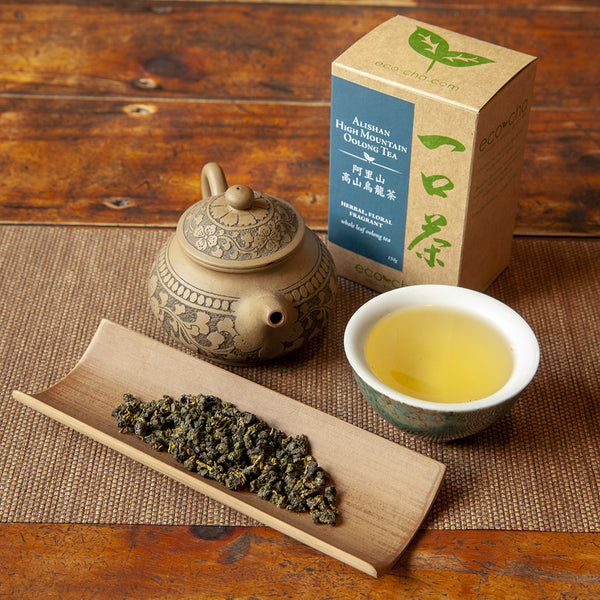
Ali Shan High Mountain Oolong
Ali Shan is grown at 1,200-1,600 meters in Taiwan's Chiayi mountains — altitude slows leaf growth and concentrates flavors. The result is a lightly oxidized, lightly roasted oolong with distinctive floral aroma (orchid-like), creamy texture, and a natural sweetness that lingers. Multiple steepings: the third and fourth infusions often produce the best cup. If you've been drinking green tea and want to try oolong, Ali Shan is the accessible gateway — floral and approachable without the complexity of heavily roasted styles.
0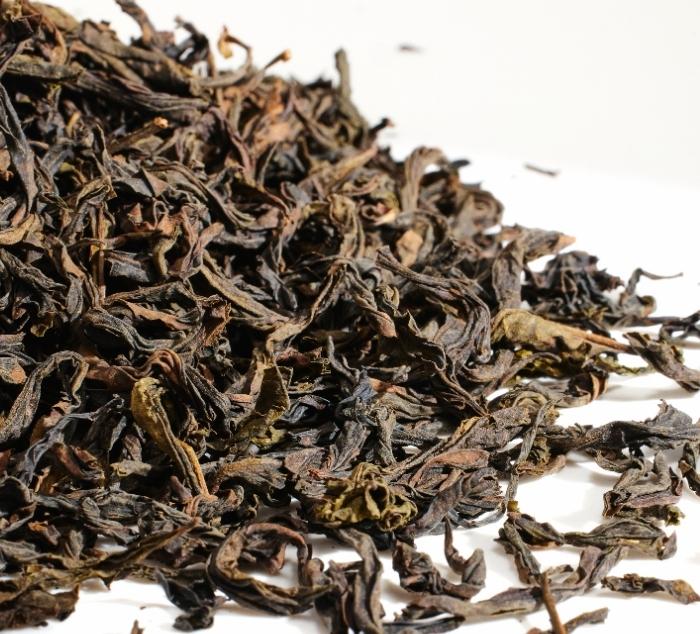
Da Hong Pao Wuyi Rock Oolong
Da Hong Pao is among the most famous Chinese teas — originally from a few ancient bushes in Fujian's Wuyi mountains. Modern commercial Da Hong Pao is a specific mineral-forward roasted oolong with notes of dark caramel, stone fruit, and mineral that's unlike anything else in the category. The high roast neutralizes caffeine partially and produces a warming, complex infusion. Best with 90-95°C water. If you want to understand why rock oolong has its own devoted following, this is where to start.
0
Dong Ding Oolong
Dong Ding is the classic Taiwanese medium-roast oolong — a reference point for the style. Grown in Nantou County, it's more oxidized and roasted than Ali Shan, with toasted grain notes alongside fruitiness and a round, full body. The roasting rounds out any rough edges and makes it more forgiving of slight overbrewing compared to lighter styles. Excellent with food — pairs well with roasted meats and savory dishes. Multiple steepings work well with gongfu brewing; a teapot yields a clean, full-flavored cup.
0
Li Shan High Mountain Oolong
Li Shan grows at 2,200-2,600 meters — some of the highest elevation tea in Taiwan. The combination of cold nights, morning mist, and slow growing season produces an intense, concentrated floral character with a long, silky finish. This is a premium tea — noticeably better than most Ali Shan on the market when it's the real thing. The flavor complexity reveals itself over multiple steepings: the first is delicate, the third or fourth is often the peak. Worth the premium price if you're serious about high mountain oolongs.
0
Tie Guan Yin Anxi
Tie Guan Yin from Anxi, Fujian is one of China's ten famous teas and the definitive lightly oxidized Chinese oolong. The name means Iron Goddess of Mercy. Modern styles lean floral-orchid with a clean, crisp character; traditional styles have more roasting. The green style (light oxidation) produces a clear, pale gold brew with distinct orchid and lily floral notes. Lower caffeine than heavily roasted oolongs. Good for daily drinking and accessible price point. If you want a classic Chinese oolong to understand the category, Tie Guan Yin is the essential reference.
0Siapa yang cocok?
Best Light Oolong
Ali Shan High Mountain Oolong
Ali Shan is grown at 1,200-1,600 meters in Taiwan's Chiayi mountains — altitude slows leaf growth and concentrates flavors.
Best Rock Oolong
Da Hong Pao Wuyi Rock Oolong
Da Hong Pao is among the most famous Chinese teas — originally from a few ancient bushes in Fujian's Wuyi mountains.
Best Medium Roast Oolong
Dong Ding Oolong
Dong Ding is the classic Taiwanese medium-roast oolong — a reference point for the style.
Best Premium Taiwan Oolong
Li Shan High Mountain Oolong
Li Shan grows at 2,200-2,600 meters — some of the highest elevation tea in Taiwan.
Best Classic Chinese Oolong
Tie Guan Yin Anxi
Tie Guan Yin from Anxi, Fujian is one of China's ten famous teas and the definitive lightly oxidized Chinese oolong.
How to Choose Oolong Tea
Oxidation level and roasting degree determine oolong's character. Here's how to navigate the spectrum.
Bottom line
For a gateway into oolong that won't overwhelm, Ali Shan High Mountain offers floral approachability. For the definitive Chinese rock oolong experience, Da Hong Pao from Wuyi is the benchmark. If you want a daily drinker that pairs with food, Dong Ding medium roast is reliable and forgiving. The biggest mistake new oolong drinkers make is brewing all oolongs the same way — temperature and steeping time need to adjust based on oxidation and roast level.