Best Baby Bottle 2026: 5 compared
WriterPickly Editorial
Updated 2026-05-19
Dr. Brown's, Comotomo, Philips Avent, Tommee Tippee, and MAM — compared on nipple shape and flow rates, colic-vent design, part count and how well each survives repeated sterilising.
Quick answer
Dr. Brown's Options+ is the best baby bottle for most families, and the only one here with an internal vent that measurably cuts air intake — the reason pediatricians recommend it for colic, at the cost of four parts to wash. Breastfed babies transition most easily to Comotomo's squeezable silicone; MAM self-sterilizes in a microwave in three minutes for travel.
📋How we compared
This comparison is desk research. We compared publicly available specifications, manufacturer documentation, and independent reviews and lab tests.

🏆 Best for colicky babies: Dr. Brown's Options+ Anti-Colic is the pediatrician-recommended pick. Internal vent system is designed to reduce air ingestion, and parents commonly report less gas and spit-up.
Top picks ↓This button opens Amazon search results, not a specific product page.
Which one is right for you?
Related articles


1★ Best Pick🏆 Best for colicky babiesDr. Brown's Options+ Anti-Colic
Options+ is the current model; standard Options (without +) is older and lacks improved vent.
Dr. Brown's Options+ Anti-Colic is the pediatrician-recommended pick. Internal vent system is designed to reduce air ingestion, and parents commonly report less gas and spit-up. Trade-off: 4 parts to wash means dishwasher cycle time matters. Remove vent for older babies.
Pros
- ✓Best gas/colic reduction in this comparison
- ✓Vent removable for older babies
Cons
- ✗Most parts to wash (4) vs. competitors
2🤱 Best for breastfed babiesComotomo Natural Feel
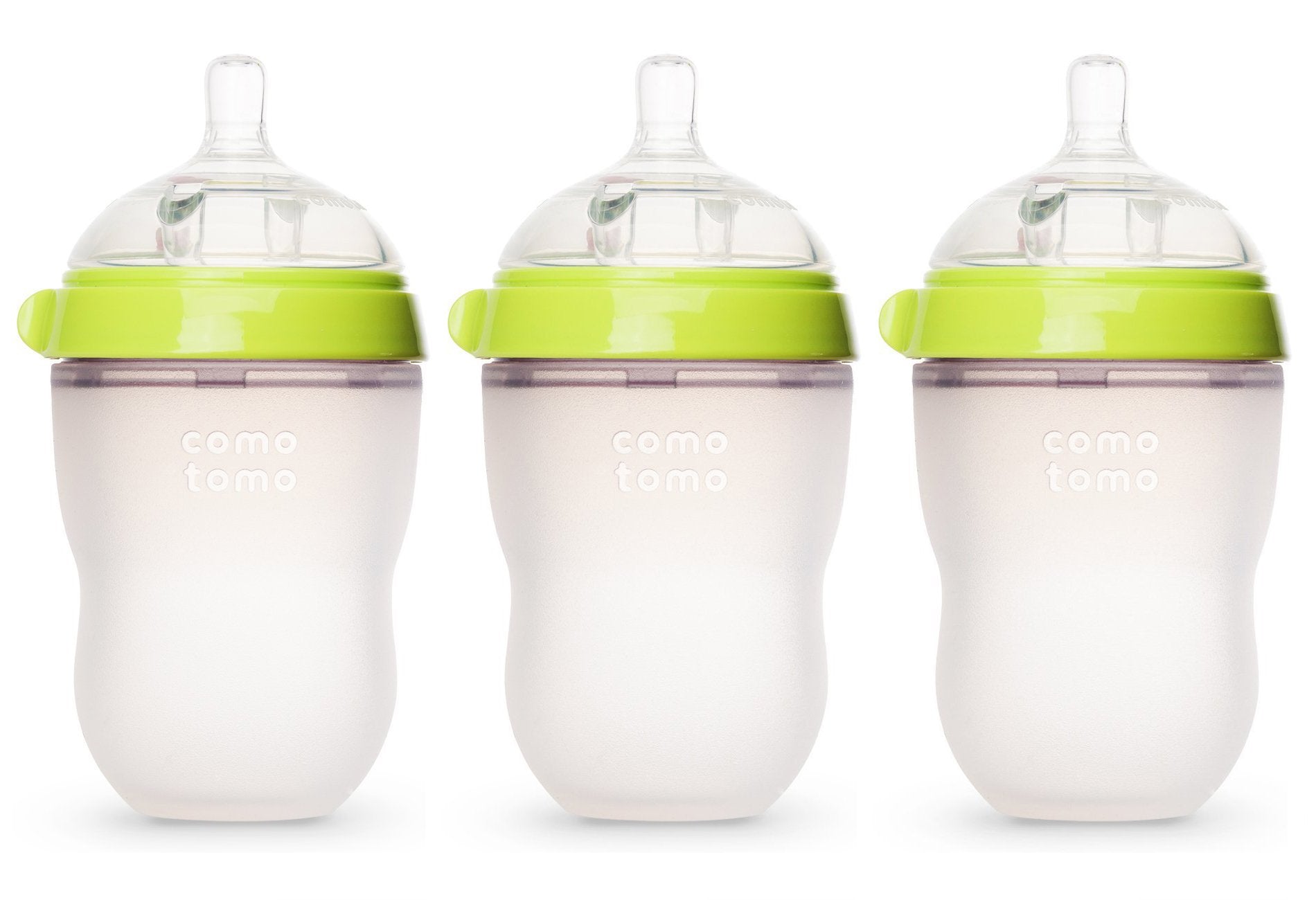
Get the green (8 oz) — pink (5 oz) outgrown by month 3.
Comotomo Natural Feel is the easiest transition for breastfed babies. 100% silicone body squeezes like breast, wide nipple mimics shape, dual anti-colic vents in nipple. Only 2 parts to wash. Parent reviews often single it out as the bottle breastfed babies accept most readily.
Pros
- ✓100% silicone body mimics breast
- ✓Only 2 parts to wash
Cons
- ✗Silicone body collects dust electrostatically
3💼 Best mainstreamPhilips Avent Natural Response

Natural Response replaces older Natural — confirm the model.
Philips Avent Natural Response is the broadly-available choice — every Target, Walmart, and CVS carries replacement parts. Petal-textured wide nipple, AirFree vent reduces colic, flow control responds to baby's suction pattern. Solid all-rounder.
Pros
- ✓Widely available replacement nipples
- ✓Flow control responds to baby
Cons
- ✗Anti-colic vent less effective than Dr. Brown's
Subscribe to our newsletter
Occasional updates and new releases — no spam.
4🌎 Most popular outside USTommee Tippee Closer to Nature
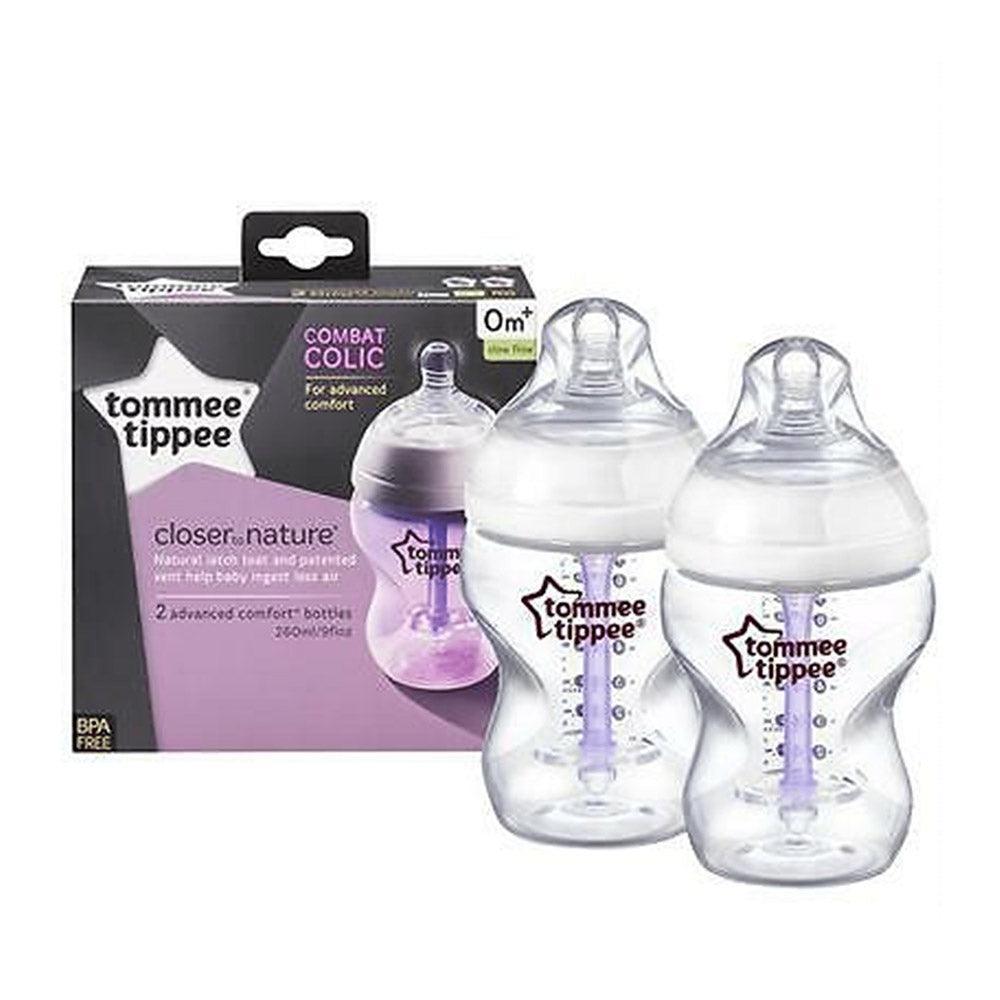
Closer to Nature is the original; Advanced Anti-Colic adds Dr. Brown's-style internal vent.
Tommee Tippee Closer to Nature is the UK's most-recommended bottle and growing in the US. Breast-like silicone nipple, anti-colic valve, dishwasher safe. Larger neck makes hand-washing easy.
Pros
- ✓Wide neck easy to clean
- ✓Breast-like silicone nipple
Cons
- ✗Less ubiquitous parts availability in US
5⚡ Self-sterilizingMAM Easy Start Anti-Colic
Anti-Colic version has the self-sterilizing base; standard Easy Start does not.
MAM Easy Start Anti-Colic self-sterilizes in the microwave in 3 minutes — useful for travel and no-dishwasher situations. MAM markets the SkinSoft nipple texture as easy for babies to accept. Best for road trips and grandparent care.
Pros
- ✓Self-sterilizes in microwave (3 min)
- ✓Affordable at $15-22
Cons
- ✗Anti-colic effect is mild vs. Dr. Brown's
Why bottles matter (briefly)
Nipple shape and flow rate are the main variables. Wide nipples (Comotomo, Philips Avent) help breastfed babies transition. Narrow nipples (Dr. Brown's, MAM) are easier to clean but require more suction.
Colic-vent designs vary widely. Dr. Brown's internal vent reduces air ingestion most measurably but adds 4 parts to wash. Comotomo has no internal vent and relies on dual anti-colic vents in the nipple — less effective but easier to clean.
Acceptance and durability: what owners report
Acceptance varies from baby to baby. Parent reviews most often describe wide, breast-shaped nipples (Comotomo, Philips Avent) as the easiest switch for breastfed babies, while narrow nipples such as Dr. Brown's are more often refused at first by breastfed babies.
All five are sold as dishwasher-safe (top rack). Nipples are a wear item on every brand — replace them on the schedule in the FAQ below or sooner if the silicone cracks, thins or discolors.
Frequently asked questions
Do I need bottles if I'm exclusively breastfeeding?▼
How often should I replace nipples?▼
Glass or plastic bottles?▼
Check the details of the products in this article
- Dr. Brown's Options+ Anti-Colic$14.99Price as of 2026-10-19
- Comotomo Natural Feel$22〜$28Reference price
This button opens Amazon search results, not a specific product page.
- Philips Avent Natural Response$47.49Price as of 2026-10-19
- Tommee Tippee Closer to Nature$11.13Price as of 2026-10-19
- MAM Easy Start Anti-Colic$25.99Price as of 2026-10-19
Prices change. Check the retailer for the current price.
Comments & questions
Discussion happens on nattzy, our community forum. Sign in with Google to post — it takes a second.
View the discussion thread on nattzy ↗
Still deciding? Ask the community your own question — Post a question on nattzy ↗