Best Earplugs for Sleeping 2026: Foam, Silicone and Wax
The best earplug for sleep is not the one with the highest number on the box. It is the one you can still wear at 3 a.m. with your head on the pillow. Fit, material and how far the plug sticks out of your ear matter more than a few decibels on paper.
Quick answer
Start with Mack's Slim Fit Soft Foam: a narrow foam plug that suits smaller ear canals, blocks a lot of sound and costs cents per night. Hearos Ultimate Softness is the cheaper bulk foam pick for average ears, Loop Dream is the reusable low-profile option for side sleepers, Mack's Pillow Soft silicone putty suits people who dislike anything inside the ear canal, and Ohropax Classic wax is the moldable, cotton-and-wax alternative that many European sleepers swear by.
We did not test these earplugs ourselves: no sound-level measurements, no sleep trials. We compared manufacturer specifications (material, sizes, pack counts and the published NRR or SNR rating), checked current US retail prices, and read a large volume of buyer reviews, keeping only complaints that repeat across many buyers — plugs working loose overnight, pressure when lying on the side, poor fit in small ears, residue — rather than one-off impressions. Noise ratings are the manufacturers' own lab figures.
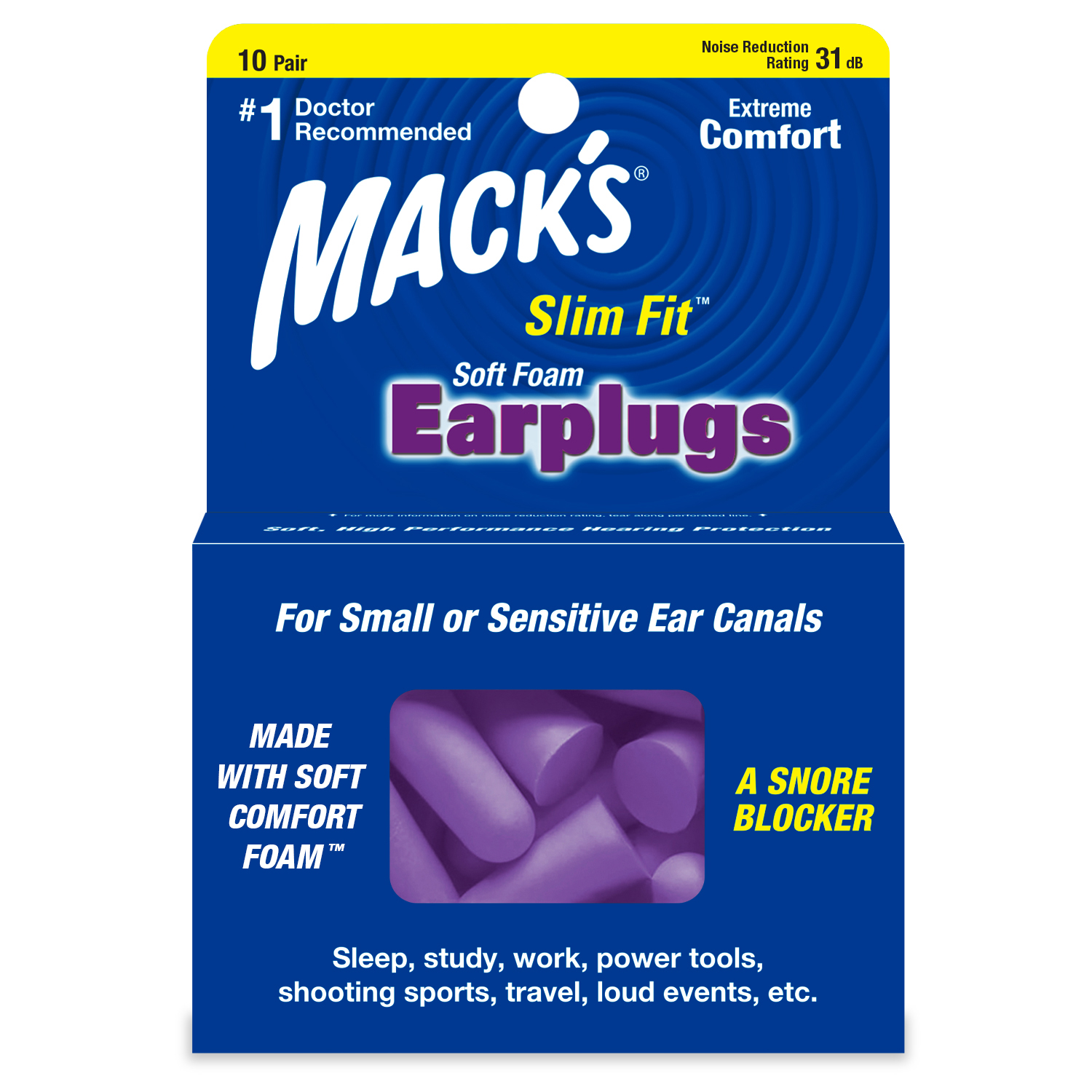
🏆 Best overall: Mack's Slim Fit is our top pick because it combines the high noise reduction of slow-recovery foam (NRR 31 on the current US box) with a narrower shape that suits the many people for whom standard foam plugs feel too big. Smaller size means less pressure in the ear canal and less plug sticking out, which helps side sleepers.
Top picks ↓| Product | Price | Link |
|---|---|---|
| $3〜$15Reference price | ||
| $8〜$23Reference price | ||
| $45〜$50Reference price | ||
| $4〜$12Reference price | ||
| $6〜$12Reference price |
Top picks
Related articles

Sold in several pack sizes; larger packs lower the price per pair.
Mack's Slim Fit is our top pick because it combines the high noise reduction of slow-recovery foam (NRR 31 on the current US box) with a narrower shape that suits the many people for whom standard foam plugs feel too big. Smaller size means less pressure in the ear canal and less plug sticking out, which helps side sleepers. It is inexpensive enough to replace often. The repeated complaints are that people with large ear canals find it slides out, and that like any foam, it takes a few nights to learn to roll and seat it properly.
Pros
- ✓High noise rating for foam at a low price
- ✓Slim shape suits smaller ear canals
- ✓Less pressure and protrusion than standard foam
Cons
- ✗May work loose in larger ears
- ✗Disposable, so running cost adds up slowly

Available in 20, 28, 56 and 100-pair packs; the 100-pair pack is the cheapest per pair.
Hearos Ultimate Softness is the classic bulk foam plug: soft, low-pressure and rated NRR 32, sold in packs up to 100 pairs, which makes it the cheapest per night of anything here. It fits average ear canals well and blocks as much as any foam plug at its price. The drawbacks are the usual ones for regular-size foam: it can feel too big in small ears and sticks out further than a slim plug, so some side sleepers trim it.
Pros
- ✓Very low cost per night in bulk packs
- ✓Soft foam with a high NRR
- ✓Easy to find in many pack sizes
Cons
- ✗Regular size can feel large in small ears
- ✗Sticks out more than slim or low-profile plugs

Sold in several colors; check that the listing is Dream and not Quiet or Engage, which are different models.
Loop Dream is built for the most common sleep-earplug complaint: pressure when lying on your side. The low-profile shell sits nearly flat in the ear, and the kit includes oval foam-silicone tips plus double-flange tips in four sizes, so most people can find a fit. It is reusable and washable. It costs far more than foam up front, and its manufacturer-stated SNR 27 is not directly comparable to US NRR figures; buyers with heavy snorers nearby often find dense foam blocks more.
Pros
- ✓Low profile designed for side sleeping
- ✓Four tip sizes and two tip styles
- ✓Reusable with a carry case
Cons
- ✗High up-front price
- ✗Usually blocks less low-frequency noise than dense foam
Subscribe to our newsletter
Occasional updates and new releases — no spam.
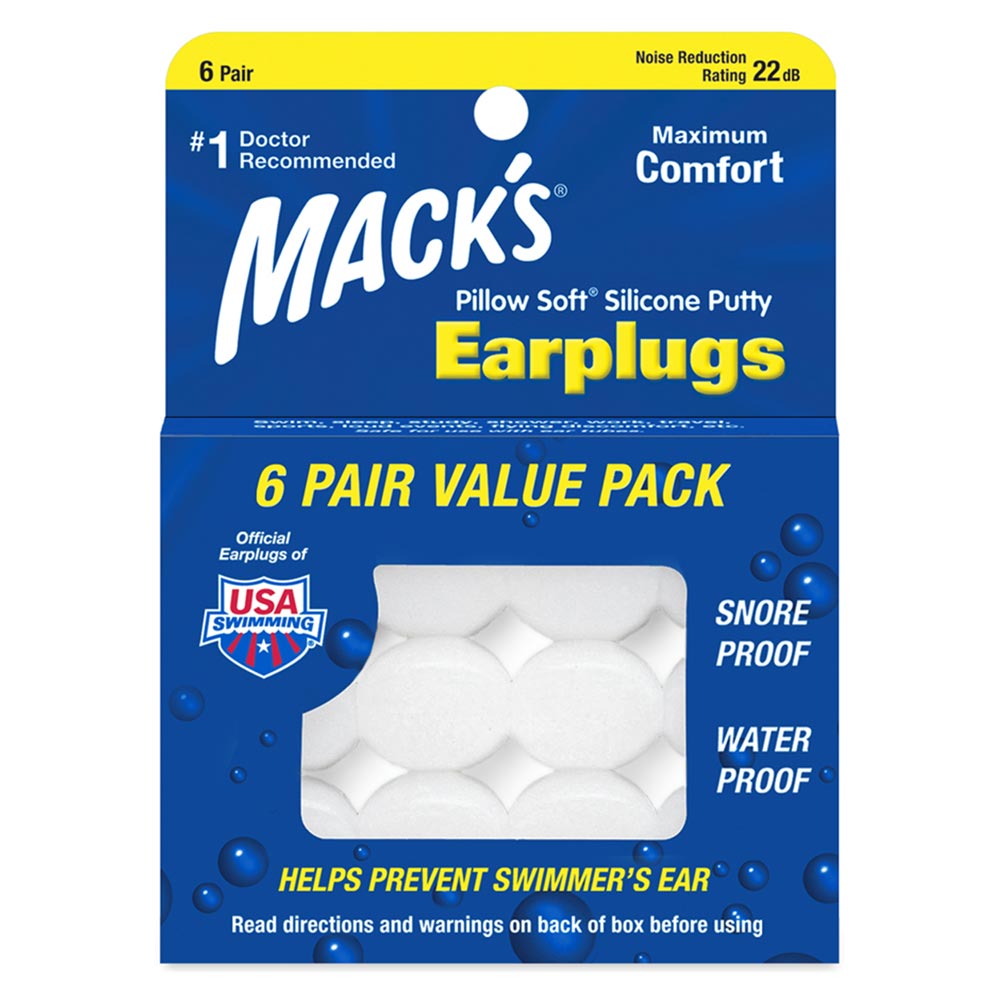
Mack's Pillow Soft Silicone Putty Earplugs
Comes in adult and kids' sizes and several pack counts; check the listing matches the size you want.
Mack's Pillow Soft silicone putty does not go into the ear canal at all. You warm it, flatten it and press it over the canal opening, where it seals and stays flat against the ear. That makes it a favorite for people who cannot stand the feeling of foam inside the ear, and it is also waterproof. Its NRR 22 is lower than foam, it needs a good seal to work, and buyers mention lint and occasional residue in hair.
Pros
- ✓Nothing inside the ear canal
- ✓Sits flat against the ear for side sleeping
- ✓Waterproof and moldable
Cons
- ✗Lower noise rating than foam
- ✗Can collect lint or leave residue

Imported boxes may have German packaging; the Classic version is the wax-and-cotton type.
Ohropax Classic has been made in Germany since 1907 from cotton wool, paraffin wax and petroleum jelly. Like putty, it is warmed in the fingers and shaped over the front of the ear canal, and many users like how it molds to the ear and stays put through the night. The manufacturer states SNR 21 on its European packaging. It is less widely stocked in the US, the wax can feel greasy and warm, and each piece is meant for a limited number of uses before replacing.
Pros
- ✓Molds closely to the shape of the ear
- ✓Sits flat for side sleepers
- ✓Long-established, simple design
Cons
- ✗Greasy feel and can leave residue
- ✗Harder to find in the US
NRR vs SNR: why the number on the box is not the whole story
US packaging shows an NRR (Noise Reduction Rating), while European packaging shows an SNR (Single Number Rating). They come from different test methods, so an SNR 27 plug and an NRR 27 plug are not directly comparable, and SNR figures usually look higher than NRR figures for the same product. Compare numbers within one system only.
Both ratings are lab results with carefully inserted plugs. At home, how well the plug is seated matters far more. A foam plug rated 32 that is only half inserted will block less than a silicone plug rated 22 that seals properly. For sleep, you rarely need maximum attenuation; you need enough to take the edge off snoring, traffic or neighbors while staying comfortable all night.
Foam, silicone putty, wax or reusable tips
Slow-recovery foam is rolled thin, inserted into the ear canal and expands to fill it. It usually gives the most noise reduction for the money, but the plug is disposable and some people find the expansion pressure uncomfortable. Silicone putty and wax work differently: you warm and shape them over the entrance of the ear canal rather than pushing them inside. They stay flat against the ear, which many side sleepers like, but they can leave residue in hair and are less effective if not sealed well.
Reusable tips such as Loop's are washable and hold their shape night after night. They cost more up front and usually block less than dense foam, but they sit flatter than many foam plugs and come in several tip sizes, which helps people whose ears are hard to fit.
Side sleepers: how much of the plug sticks out
If you sleep on your side, the part of the earplug outside your ear gets pressed into the pillow all night. Standard foam plugs that stick out can be pushed deeper or twisted, which is the most common source of morning soreness in buyer reviews. Trimming the outer end of a foam plug, choosing a slim fit, or switching to flat putty, wax or a low-profile reusable design are the usual fixes.
Loop Dream is designed specifically around this problem. Putty and wax sit nearly flush by nature. Standard and slim foam plugs work for many side sleepers too, as long as they are inserted fully so little remains outside the ear.
Hygiene, replacement and hearing your alarm
Disposable foam and putty are meant for a limited number of uses. Once foam stops expanding slowly, gets dirty or putty picks up lint, replace it. Reusable tips should be washed with mild soap and water and dried before reuse. Always insert and remove earplugs with clean hands, and follow the manufacturer's instructions for each type.
Earplugs reduce sound; they do not remove it. Most people still hear a loud alarm, but if you depend on hearing one, check with your usual alarm before relying on a new pair. A vibrating alarm or placing the phone closer are simple backups.
Frequently asked questions
Can I sleep in earplugs every night?▼
Why do my earplugs fall out during the night?▼
Which type is best for snoring?▼
Is a higher NRR always better for sleep?▼
Prices change. Check the retailer for the current price.
Comments & questions
Discussion happens on nattzy, our community forum. Sign in with Google to post — it takes a second.
Still deciding? Ask the community your own question — Post a question on nattzy ↗
Related articles

Best Aroma Diffuser 2026: 5 Compared
Best Standing Desk 2026: 5 sit-stand desks compared honestly

ConoHa WING review (2026): setup, speed and pricing
Best JP rental server 2026: 5 hosts ranked
Best LED Face Masks 2026: 3 Light Therapy Devices Compared
Best Hair Dryers 2026: 5 high-end models compared honestly