Best Sleep Mask 2026: 5 options compared
WriterPickly Editorial
Updated 2026-10-31
Five sleep masks — Alaska Bear Natural Silk (flat mulberry silk with a raised nose cutout, adjustable strap, budget silk entry point), Tempur-Pedic Sleep Mask (TEMPUR memory-foam material, elasticized strap with Velcro closure), Manta Sleep Mask (detachable eye cups you move along a hook-and-loop strap), Nidra Deep Rest Mask (moulded eye cups) and Drowsy Silk Sleep Mask (padded 22-momme mulberry silk). How well a mask seals around your eyes and nose matters more than brand or feature count.
Quick answer
The Alaska Bear Natural Silk Sleep Mask wins on value: mulberry silk against the skin, light and breathable, and hand-washable. Alaska Bear itself says its flat silk mask blocks most light, not all, so expect some leakage at the nose on prominent bridges. The Tempur-Pedic mask uses TEMPUR memory-foam material that the maker says contours to the face, the Manta's detachable eye cups move along a hook-and-loop strap so you can keep pressure off the eyelids (useful for eyelash extensions), the Nidra Deep Rest uses moulded eye cups for a free-eye space at a lower price than the Manta, and the Drowsy uses padded 22-momme silk.
📋How we compared
This comparison is desk research. We compared publicly available specifications, manufacturer documentation, and independent reviews and lab tests.
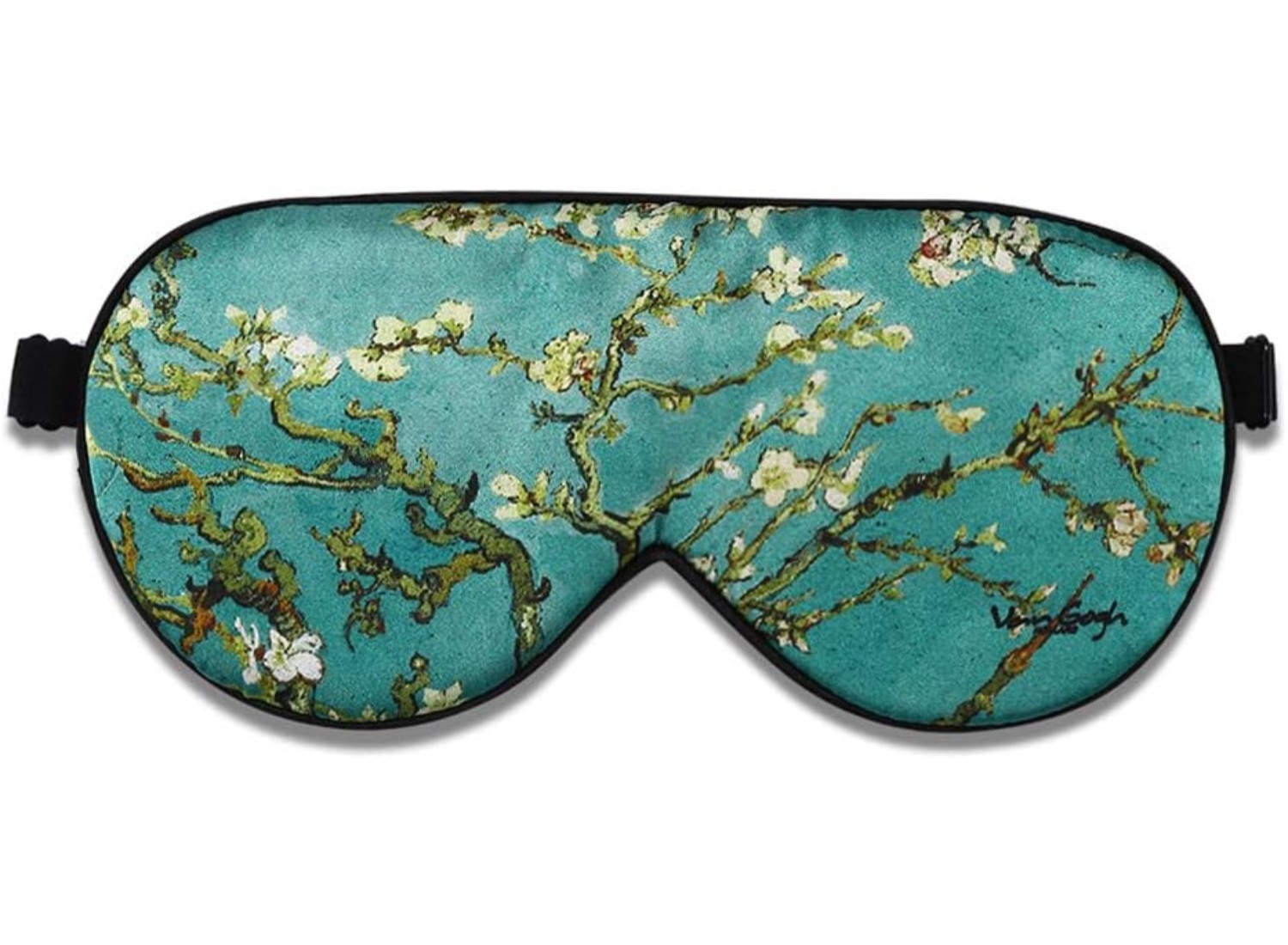
Best Overall: The Alaska Bear Natural Silk Sleep Mask gives you mulberry silk at an entry-level price, which makes the upgrade from a synthetic mask an easy decision. It is a flat mask with a raised nose cutout, and the maker says flat silk blocks most light rather than all — some nose-gap leakage on prominent bridges is the trade-off for the light, breathable silk.
This button opens Amazon search results, not a specific product page.
This button opens Amazon search results, not a specific product page.
This button opens Amazon search results, not a specific product page.
Which one is right for you?
Related articles


1★ Best PickA+Best OverallAlaska Bear Natural Silk Sleep Mask
Alaska Bear's Natural Silk Sleep Mask: 100% mulberry silk with an adjustable strap, and a raised nose cutout that, according to the maker, follows the contours of the face. Flat, lightweight and breathable — the entry point for users moving from synthetic to silk without premium pricing. Care, per Alaska Bear: hand-wash in cool water with mild detergent and air-dry flat; avoid wringing and hot dryers. Weaknesses: the maker says its flat silk mask blocks most light rather than all, so users with prominent nose bridges may see light at the nose; not suitable for eyelash-extension wearers; the maker's site does not state a momme figure for this mask.
The Alaska Bear Natural Silk Sleep Mask gives you mulberry silk at an entry-level price, which makes the upgrade from a synthetic mask an easy decision. It is a flat mask with a raised nose cutout, and the maker says flat silk blocks most light rather than all — some nose-gap leakage on prominent bridges is the trade-off for the light, breathable silk.
Pros
- ✓100% mulberry silk on both sides
- ✓Light and breathable for warm sleepers
- ✓Adjustable strap; simple hand-wash care
Cons
- ✗Flat design can leak light at the nose on prominent bridges
Score breakdown
Specifications
- Main material
- 100% mulberry silk (both sides)
- Silk weight
- —
- Design
- Flat, raised nose cutout
- Eye space
- None (rests on lids)
- Strap / closure
- Adjustable
- Care
- Hand wash cool, dry flat
- Main material
- 100% mulberry silk (both sides)
- Silk weight
- —
- Design
- Flat, raised nose cutout
- Eye space
- None (rests on lids)
- Strap / closure
- Adjustable
- Care
- Hand wash cool, dry flat
This button opens Amazon search results, not a specific product page.
2ABest Pressure DistributionTempur-Pedic Sleep Mask

Tempur-Pedic's sleep mask uses TEMPUR material that, according to the maker, contours to your face for darkness, with an elasticized strap and Velcro closure for an adjustable fit. The foam spreads contact around the eyes rather than pressing at one point. Recognisable brand. Weaknesses: foam holds more body heat than silk, so warm sleepers may notice it later in the night; the contour suits average nose bridges and may not seal fully on very low or very high ones; the maker's page gives no washing instructions.
The Tempur-Pedic Sleep Mask uses the brand's TEMPUR memory-foam material, which the maker says contours to your face, to spread contact around the eyes rather than pressing on one point; the elasticized strap closes with Velcro. The warm-sleeper trade-off is real — foam holds more body heat than silk.
Pros
- ✓TEMPUR foam contours to the face, per the maker
- ✓Adjustable elasticized strap with Velcro closure
- ✓Recognisable brand
Cons
- ✗Foam holds heat — less comfortable in warm rooms without AC
Score breakdown
Specifications
- Main material
- TEMPUR material (memory foam)
- Silk weight
- Not silk
- Design
- Contoured foam
- Eye space
- —
- Strap / closure
- Elasticized, Velcro closure
- Care
- —
- Main material
- TEMPUR material (memory foam)
- Silk weight
- Not silk
- Design
- Contoured foam
- Eye space
- —
- Strap / closure
- Elasticized, Velcro closure
- Care
- —
3B+Best for Eyelash ExtensionsManta Sleep Mask
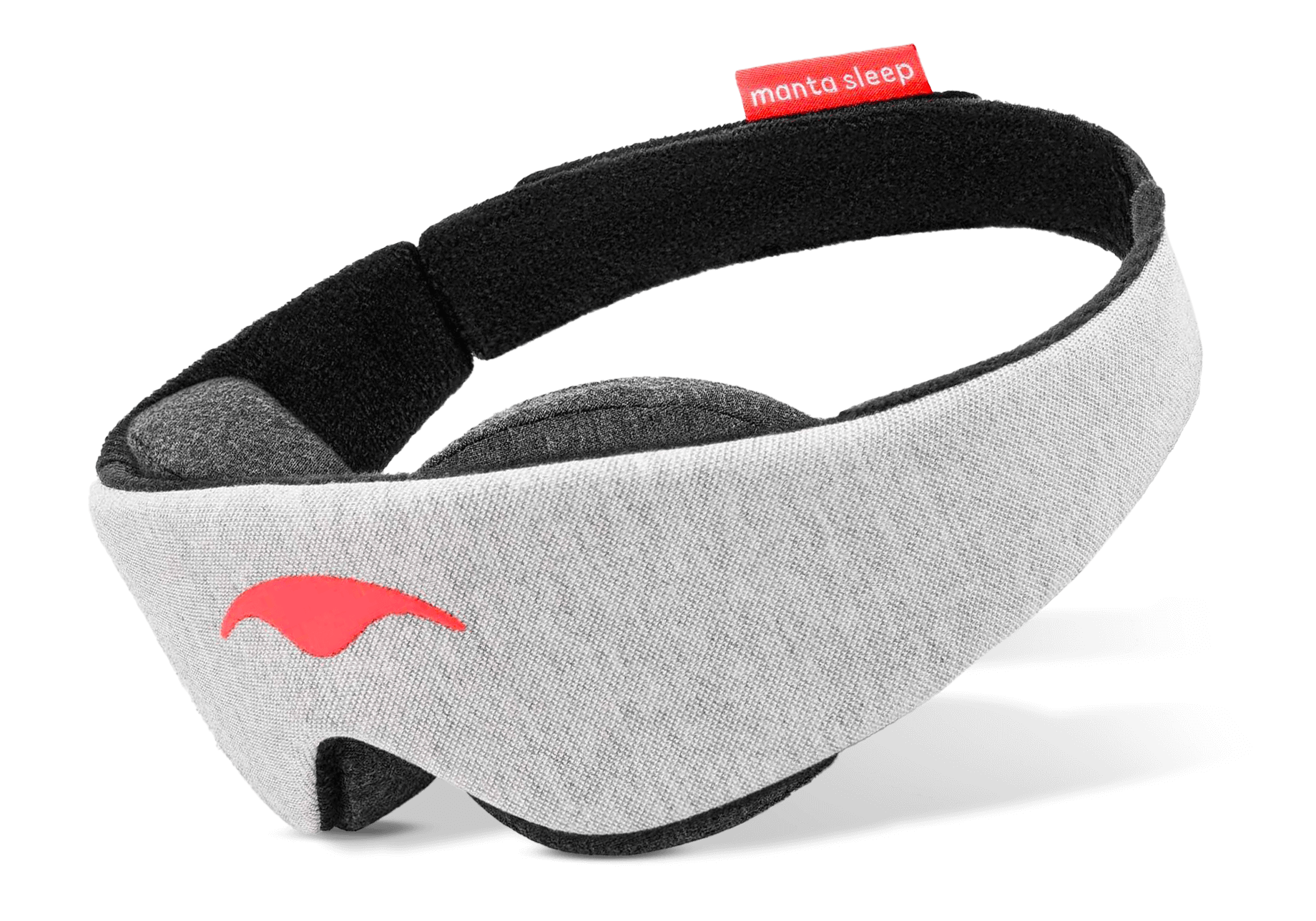
Manta's modular design with detachable eye cups that attach to the strap with hook-and-loop fastening — each cup can be moved to fit asymmetric faces and is designed to keep pressure off the closed eyelids. The most adjustable design in this comparison and a strong choice for eyelash-extension wearers. Weaknesses: the cups are bulkier than a flat mask, which some side sleepers notice on a pillow; the cups must be positioned carefully to avoid a gap at the nose bridge; the price premium over the Nidra matters if you only need cups, not movable ones.
The Manta's detachable eye cups, attached to the strap with hook-and-loop fastening, solve a problem fixed contoured masks cannot — fitting asymmetric faces and keeping pressure off the eyelids once positioned well. The bulk of the cups is noticeable when side sleeping with your face pressed into the pillow.
Pros
- ✓Movable cups adapt to many face shapes
- ✓Cups keep pressure off the eyelids — good for eyelash extensions
- ✓Hook-and-loop strap adjusts to head size
Cons
- ✗Cup assembly is bulkier than flat or moulded-cup masks
Score breakdown
Specifications
- Main material
- —
- Silk weight
- Not silk
- Design
- Detachable cups on strap
- Eye space
- Movable cups
- Strap / closure
- Hook-and-loop
- Care
- —
- Main material
- —
- Silk weight
- Not silk
- Design
- Detachable cups on strap
- Eye space
- Movable cups
- Strap / closure
- Hook-and-loop
- Care
- —
Subscribe to our newsletter
Occasional updates and new releases — no spam.
4BAffordable ContouredNidra Deep Rest Sleep Mask
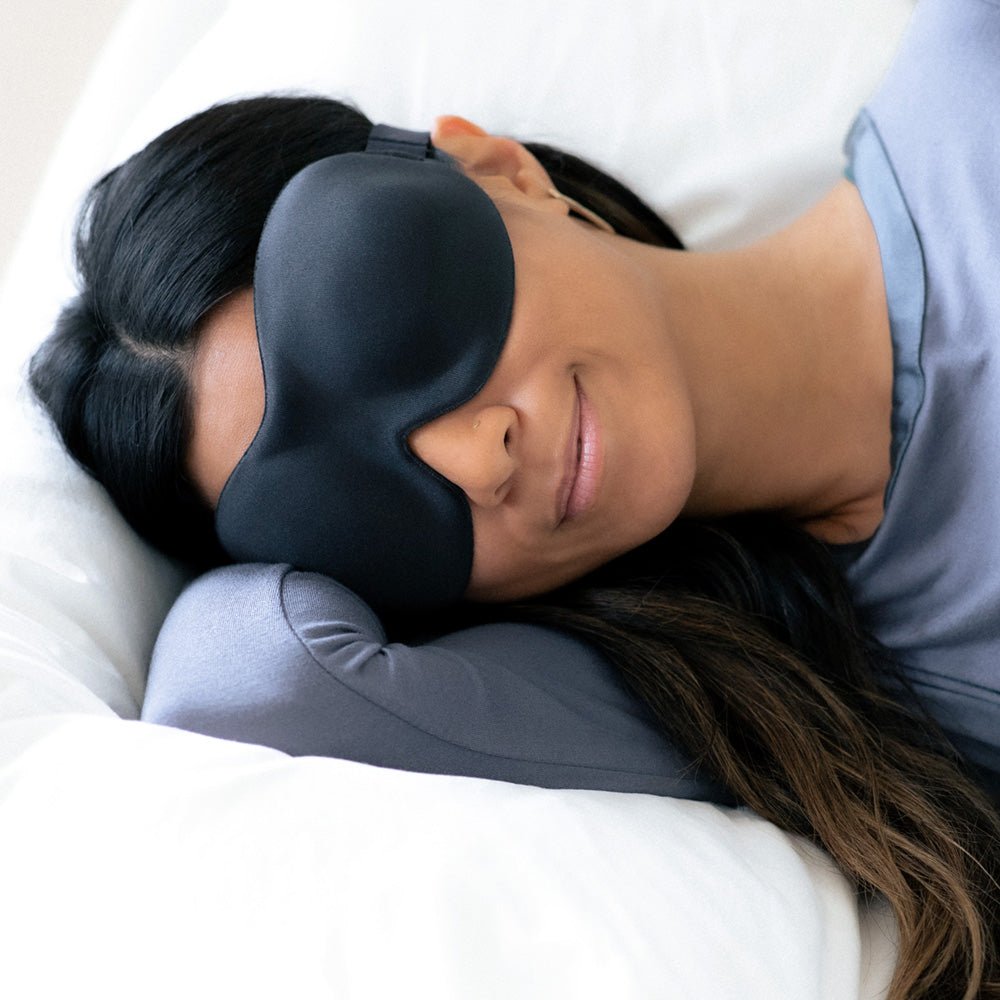
Nidra's contoured sleep mask with deep moulded eye cups that create a free-eye space for less than the Manta. It gives the core benefit of a cupped design — little or no lid contact and room for eye movement — without the Manta's adjustability. Weaknesses: the fixed cup shape does not suit unusual nose bridge heights as well as movable cups; the deep cups stand out from the face for side sleepers; retail listings disagree on its strap type and materials (polyester vs memory foam), so check the current listing.
The Nidra Deep Rest Mask provides the core benefit of a contoured design — a free-eye space with little or no lid contact — for less than the Manta. The fixed cup shape is the main limit: it suits average faces, but very low or very high nose bridges may not seal well.
Pros
- ✓Moulded eye cups create a free-eye space for less than the Manta
- ✓Cups keep fabric off the lashes
- ✓Simple fixed shape — nothing to position
Cons
- ✗Fixed cups may not seal on very low or very high nose bridges
Score breakdown
Specifications
- Main material
- —
- Silk weight
- Not silk
- Design
- Moulded eye cups
- Eye space
- Fixed cups
- Strap / closure
- —
- Care
- —
- Main material
- —
- Silk weight
- Not silk
- Design
- Moulded eye cups
- Eye space
- Fixed cups
- Strap / closure
- —
- Care
- —
This button opens Amazon search results, not a specific product page.
5B-Best Premium SilkDrowsy Silk Sleep Mask

Drowsy's padded 22-momme mulberry silk sleep mask with a fully adjustable strap (hook-and-loop closure, per its retail listing). The 22-momme silk is heavier than the silk in typical budget masks, and the brand's packaging positions it as a premium gift. Care, per its retail listing: hand wash or a delicate cold cycle, then hang to dry. Weaknesses: padding without moulded cups depends on how it sits against your nose bridge, so total blackout is not guaranteed for every face; the premium price is hard to justify on light blocking alone, since contoured masks such as the Nidra cost less; silk needs more careful washing than synthetic masks.
The Drowsy Silk Sleep Mask uses padded 22-momme mulberry silk, heavier than the silk in typical budget masks, with a fully adjustable strap per its retail listing. The padded design reduces light leakage but does not guarantee total blackout for every face shape.
Pros
- ✓22-momme silk is heavier than common 19-momme silk
- ✓Padded, fully adjustable wrap-around design
- ✓Premium packaging makes it an easy gift
Cons
- ✗Padded design reduces but may not eliminate light leakage
Score breakdown
Specifications
- Main material
- 22-momme mulberry silk, padded
- Silk weight
- 22 momme
- Design
- Padded wrap-around
- Eye space
- None (padded)
- Strap / closure
- Adjustable, hook-and-loop
- Care
- Hand or delicate cold wash, hang dry
- Main material
- 22-momme mulberry silk, padded
- Silk weight
- 22 momme
- Design
- Padded wrap-around
- Eye space
- None (padded)
- Strap / closure
- Adjustable, hook-and-loop
- Care
- Hand or delicate cold wash, hang dry
Side-by-side on the same scale
| Product | Silk weight | Design | Eye space | Strap / closure | Care | |
|---|---|---|---|---|---|---|
| Alaska Bear Natural Silk Sleep Mask | 100% mulberry silk (both sides) | — | Flat, raised nose cutout | None (rests on lids) | Adjustable | Hand wash cool, dry flat |
| Tempur-Pedic Sleep Mask | TEMPUR material (memory foam) | Not silk | Contoured foam | — | Elasticized, Velcro closure | — |
| Manta Sleep Mask | — | Not silk | Detachable cups on strap | Movable cups | Hook-and-loop | — |
| Nidra Deep Rest Sleep Mask | — | Not silk | Moulded eye cups | Fixed cups | — | — |
| Drowsy Silk Sleep Mask | 22-momme mulberry silk, padded | 22 momme | Padded wrap-around | None (padded) | Adjustable, hook-and-loop | Hand or delicate cold wash, hang dry |
How to read this table: values come from each maker's official product pages (Alaska Bear, Tempur-Pedic) and, where the maker page could not be read, from major retailers' copies of the same listing (Dillard's for Drowsy), checked in October 2026. “—” means the value could not be confirmed from those sources; “Not silk” means the momme rating does not apply. Weights are left out because no maker states one for these exact models. Pickly did not test these products.
Table checked 2026-10-31
How light affects sleep — and why total blackout matters
Light is the main environmental cue for the body clock: signals from the eyes reach the suprachiasmatic nucleus (the brain's circadian clock), which controls when the pineal gland releases melatonin. Light in the evening and at night suppresses melatonin secretion, which can delay sleep onset. How much light it takes varies widely between people: a 2019 study in PNAS (Phillips et al.) found that the evening light level needed to suppress melatonin by half averaged about 25 lux, but individual thresholds ranged from roughly 6 lux to about 350 lux — so some people react to fairly dim light. (Those measurements were made with eyes open, not through closed eyelids.) Streetlights through thin curtains, standby LEDs on electronics, and the glow of urban light pollution through windows all add stray light to a typical urban bedroom.
Blocking light well requires two things from a sleep mask: full coverage of the eye socket without side leakage, and a nose gap design that blocks the natural channel where a flat mask lifts away from the face at the bridge of the nose. The nose gap is a common light leakage point in flat sleep masks, and it is the reason contoured and nose-bridge designs exist. A mask that covers the sides and top but lets a sliver of light through the nose gap gives up much of the darkness that justifies wearing one.
The practical implication for the five masks in this comparison: light blocking is not binary — it depends on face shape, nose bridge height, and how the mask sits on your face. A mask that gives one person full darkness can leave a small gap at the nose for another. The five masks take different approaches to the nose gap — a raised nose cutout on a flat silk mask (Alaska Bear), contoured foam (Tempur-Pedic), movable cups (Manta), moulded cups (Nidra) and thick padding (Drowsy). Whether a given approach works for your face shape is the central uncertainty that no spec sheet can resolve; a return policy or trial period is the practical way to find out.
Contoured vs flat — eye pressure and REM eye movement
Flat sleep masks press the mask material directly against the eyelids. For thin silk or fabric masks at rest, this pressure is minimal, but contact with the eyelid changes across the night as the user rolls, adjusts position, and enters REM sleep, when the eyes move under closed lids. Some users find a mask resting on the lids during those movements uncomfortable or constricting; others do not notice it at all.
Contoured masks solve this with shaped eye cups — moulded foam or fabric cups, or repositionable cups — that sits around the orbital rim rather than on the eyelid surface. The eye sits in a free chamber with little or no contact between the lid and the mask material. For eyelash-extension wearers, this matters most — a flat mask presses on the lashes and can shorten the life of extensions. For most other users, the benefit is subjective comfort: whether the free-eye chamber feels better or the slight weight of a contoured mask structure feels worse is an individual preference that splits user reviews on every product in this category.
Memory foam designs (Tempur-Pedic) sit in a middle position: the soft foam conforms somewhat to individual face geometry under sleeping pressure and spreads contact over a larger area, but it does not keep the eyelids free the way a cupped design is meant to. The Manta's repositionable cups are the most configurable solution: each soft foam cup attaches to the strap with hook-and-loop fastening and can be moved independently, adapting to asymmetric face geometries that fixed contoured masks cannot accommodate.
Silk vs memory foam vs polyester — breathability and skin contact
Silk — specifically mulberry silk, whose weight is measured in momme — is the material most often associated with premium sleep masks because of its smooth, low-friction surface and its breathability. A smooth surface means less rubbing against facial skin over a night of contact, which is the basis for silk's reputation as 'gentle on skin'; claims beyond that, such as anti-ageing or skin-conditioning effects, are marketing claims rather than established outcomes.
The momme weight matters: lower momme produces a lighter, thinner silk that is less durable. Higher momme (19–25 momme is common for pillowcases and masks) produces a heavier, more opaque fabric that generally holds up better to washing. Drowsy states 22-momme silk for its mask. Alaska Bear describes its mask as 100% mulberry silk on both sides with a silk-covered filling, but the maker's site does not state a momme figure for the mask (it lists 19 and 22 momme for its pillowcases). The difference in feel over a night between typical momme weights is real but incremental — not a transformation of the sleep experience.
Memory foam (Tempur-Pedic) is the opposite profile: denser and less breathable, slower to release body heat, but better at holding a shape and spreading pressure. For users who sleep in a cool or air-conditioned room, breathability is less relevant. For users who sleep warm, foam can feel warm at the contact points later in the night. Moulded-cup masks such as the Nidra fall between, depending on the cup and lining material (retail listings for Nidra masks variously describe polyester and memory foam, and the maker page could not be read for this comparison). The material choice is not 'which is best' — it is 'which trade-off fits your sleep environment and skin preferences.'
Nose gap design — the detail that determines actual blackout
The nose gap problem is structural. The nose projects forward from the face, creating a tent-like lifting effect under any flat mask. A mask sitting flat across the face pulls away from the face beside the nose bridge as it climbs over the nose, leaving a gap through which light can reach the eyes from below.
Design responses to the nose gap vary by approach. Contoured designs (Tempur-Pedic's foam, Nidra's moulded eye cups) are shaped to follow the face more closely around the nose bridge, reducing the gap through shape rather than pressure. The limitation is that a fixed shape is made for an average face — users with very low or very high nose bridges may find the contour fits poorly. The Manta's approach uses movable cups: if the cups are placed so their lower edges rest snugly on your cheekbones, they help keep light from entering below. Alaska Bear's Natural Silk mask has a raised nose cutout that, according to the maker, follows the contours of the face; even so, Alaska Bear says its flat silk mask blocks most light and points buyers who want total darkness to contoured or wraparound styles.
The Drowsy Silk Mask is a padded silk design that wraps the eye area more closely than a thin flat mask. Drowsy's retail listings describe a '100% blackout design', but padding without moulded cups still depends on how it sits against your nose bridge, so treat full blackout as something to check on your own face rather than a given. For travel — aircraft sleep in particular, where cabin lighting plus window light comes from several directions — the nose gap matters more than in a bedroom where light comes mainly from one direction.
Strap design — staying on through the night without marks
A sleep mask that slips off during sleep or leaves visible strap marks by morning has failed at its basic function. Strap design involves two competing requirements: enough tension to keep the mask positioned through position changes, and enough padding or width that the strap pressure does not create indentation marks in the skin by the time you wake up.
Thin elastic straps hold a mask in place through tension over a small contact area. This works for back sleepers who do not change position much, but for side sleepers who press the strap against a pillow, a thin strap is more likely to leave a temporary groove. Wider or adjustable straps spread the holding force over a larger area and tend to leave fewer morning marks, at the cost of some bulk and warmth at the back of the head.
Four of the five use an adjustable closure, according to the maker or retailer listings: Tempur-Pedic's page describes an elasticized strap with a Velcro closure; the Manta's eye cups attach to a hook-and-loop strap; Drowsy's retail listing describes a fully adjustable wrap-around strap with a hook-and-loop closure; and Alaska Bear describes an adjustable strap. For the Nidra, retail listings disagree on whether the strap is elastic or Velcro-adjustable, so check the current listing. Evaluating strap fit from a photo is difficult; return policies are the practical substitute for an in-store fitting.
How to choose: nose gap, eye cups, strap and care
Start with the darkness you need. If your room is only slightly bright (a standby LED, light around a curtain), a flat silk mask such as the Alaska Bear is often enough — the maker itself describes its flat silk mask as blocking most light. If you sleep by day after night shifts, nap on planes, or the PNAS findings on low-light sensitivity sound like you, prefer a design in the table with shaped eye space: the Manta's movable cups, the Nidra's moulded cups or the Tempur-Pedic's contoured foam.
Next, decide whether anything may touch your eyelids. Look at the 'Eye space' row: Alaska Bear and Drowsy have none (the fabric or padding sits on the lids), while the Manta and Nidra use cups that keep fabric off the lids. Eyelash-extension wearers and people who dislike pressure on the eyes should skip the two silk masks and choose between the Manta (movable cups, higher price) and the Nidra (fixed cups, lower price). If your face is asymmetric or your eyes are set unusually wide or close, the Manta's movable cups are the safer bet than a fixed shape.
Then match the strap to how you sleep. Side sleepers press the strap into the pillow, so an adjustable, wider strap is kinder than thin elastic; the Tempur-Pedic (Velcro closure), Manta (hook-and-loop) and Drowsy (adjustable wrap-around strap) all list adjustable closures. Deep cups also stick out further from the face, so a side sleeper who finds cups uncomfortable may be happier with a padded silk mask such as the Drowsy.
Finally, check care and warmth. Both silk masks call for gentle washing — cool hand washing and drying flat for the Alaska Bear, hand washing or a delicate cold cycle and hanging to dry for the Drowsy (per its retail listing). The Tempur-Pedic's page gives no washing instructions, so read the care label before washing foam. Warm sleepers should lean toward silk; the foam-based Tempur-Pedic is the one most likely to feel warm by morning.
Who should skip which: skip the Alaska Bear if you need total darkness or have eyelash extensions; skip the Tempur-Pedic if you sleep hot; skip the Manta if you want the slimmest mask for side sleeping or keeping eye pressure off is not a priority for you; skip the Nidra if you have a very low or very high nose bridge; skip the Drowsy if light blocking matters more to you than silk comfort.
Where each fits
First silk sleep mask, moderate budget, want something better than polyester without premium pricing: Alaska Bear Natural Silk Sleep Mask. The 100% mulberry silk gives a smooth, lightweight, breathable contact surface — the core difference from synthetic options. The strap is adjustable. Weaknesses: it is a flat mask, and the maker itself says flat silk blocks most light rather than all, so expect some leakage at the nose on prominent bridges; silk needs hand washing in cool water rather than a machine; and a flat mask is a poor fit for eyelash-extension wearers who need the fabric kept off their lashes.
Memory foam contouring, pressure spread across the face rather than point contact, recognisable brand: Tempur-Pedic Sleep Mask. The TEMPUR material, which the maker says contours to your face, spreads contact across the area around the eyes, and the elasticized strap closes with Velcro for an adjustable fit. Weaknesses: foam is warmer than silk, so warm sleepers may notice it later in the night; a contoured shape suits average nose bridges and may not seal fully on very low or high ones; and the maker's page gives no washing instructions, so check the care label before washing.
Low eye pressure, eyelash-extension wearers, asymmetric faces, maximum adjustability: Manta Sleep Mask. The detachable eye cups attach to the strap with hook-and-loop fastening and can be moved to suit face shapes that fixed contoured masks cannot, and the cupped design keeps fabric off the lids, which is why it is a common pick for eyelash extensions and for people who are sensitive to eyelid pressure. Weaknesses: the cups add bulk compared to a flat silk mask, and some users find them uncomfortable for side sleeping; the cups need to be positioned carefully, or light can leak between the cups and the nose bridge; and the higher price is hard to justify if keeping pressure off the eyes is not a requirement for you.
Contoured design at a lower price, straightforward function: Nidra Deep Rest Mask. Moulded eye cups give a free-eye space for less than the Manta, making it a practical entry point for users who want a cupped mask but do not need movable cups. Weaknesses: the fixed cup shape fits average faces but may not seal well for very flat or very prominent nose bridges; the deep cups stand out from the face, which some side sleepers notice against a pillow; and retail listings disagree on the strap type and materials, so check the current listing before buying.
Premium silk, gift purchase or self-treat: Drowsy Silk Sleep Mask. The 22-momme padded mulberry silk is heavier than the silk in typical budget masks, the strap is fully adjustable according to its retail listing, and the brand's packaging makes it an easy gift. Weaknesses: the premium price is hard to justify on light blocking alone — the padded design depends on how it sits against your nose bridge, so total blackout is not guaranteed for every face; silk care means hand washing or a delicate cold cycle and hanging to dry, per the retail listing; and skin-care benefits claimed for silk are marketing claims that have not been independently confirmed.
Travel and flight sleep — what changes
Aircraft cabin sleep introduces specific demands that shift the evaluation. Cabin lighting is multi-directional — overhead panels, window light from neighbouring passengers who have not closed their shades, and aisle lighting from cabin crew movement. The nose gap issue becomes more acute because light enters from above, below, and the sides simultaneously rather than from one primary source. A mask that works adequately in a bedroom where light comes from one or two directions may leak significantly in a cabin where the light field is uniform.
The Manta's movable cups give it the best chance of cabin blackout of the five masks here, because the cups can be placed to rest on the cheekbones and block light from below the mask. The Nidra's moulded cups are the lower-priced contoured alternative for cabin use. Flat or padded silk masks (Alaska Bear, Drowsy) are adequate for dimmed-cabin overnight flights but are less likely to give total darkness under bright cabin lighting.
Strap marks are more visible on an aircraft because you typically disembark shortly after waking rather than having time at home before facing anyone. Wider, adjustable straps are less likely to leave an impression than thin elastic. The Tempur-Pedic's foam may feel warm in a warmer than usual cabin.
Train and short-flight sleep are common uses for sleep masks too. Cheap flat polyester masks sold at shops and airports are the baseline the products in this comparison need to beat; for a two-to-four-hour trip, the difference in light blocking and comfort can be worth it for regular travellers.
Verdict
For most users looking to upgrade from a flat polyester mask without spending more than necessary: Alaska Bear Natural Silk Sleep Mask. The silk is a clear step up from synthetic fabric at a modest price. If the flat design's nose gap limitation matters for your face, consider a contoured mask such as the Nidra or the Manta instead.
For eyelash-extension wearers, users sensitive to any eyelid pressure, or those whose faces do not fit standard contoured shapes: Manta Sleep Mask. The movable cups solve fit problems that fixed contoured designs cannot. Accept the bulk and price premium as the cost of that adjustability.
For premium silk as a gift or a treat: Drowsy Silk Sleep Mask. The padded 22-momme fabric and adjustable strap are the premium tier of this material category. Accept that light blocking is not its main advantage — it is a comfort and skin-contact luxury.
For a straightforward memory-foam option with a recognisable brand: Tempur-Pedic Sleep Mask. If you already like Tempur's pillows or mattresses, the material is familiar. Warmth is the main practical trade-off for summer sleep without air conditioning.
One note that applies to all five: a sleep mask is one of the cheapest changes you can make to a sleep environment, alongside earplugs. Sensitivity to light varies widely between people, so even dim light reaching the eyes can matter for some sleepers. In a room with street light, standby glow or urban light pollution, wearing any of these masks consistently matters more than the differences between them.
Frequently asked questions
Does wearing a sleep mask every night affect eye health or create dependency?▼
Which sleep mask is best for side sleepers?▼
Can I wear a sleep mask if I have eyelash extensions?▼
How do I wash a silk sleep mask without damaging it?▼
Is there a sleep mask that also blocks sound?▼
Do sleep masks help with jet lag?▼
What is the difference between 19-momme and 22-momme silk for sleep masks?▼
Is a flat silk sleep mask enough, or do I need a contoured one?▼
Check the details of the products in this article
- Alaska Bear Natural Silk Sleep Mask$9.99〜$19.99Reference price
This button opens Amazon search results, not a specific product page.
- Tempur-Pedic Sleep Mask$29Price as of 2026-11-10
- Manta Sleep Mask$39Price as of 2026-11-10
This button opens Amazon search results, not a specific product page.
- Drowsy Silk Sleep Mask$80Price as of 2026-11-10
Prices change. Check the retailer for the current price.
Comments & questions
Discussion happens on nattzy, our community forum. Sign in with Google to post — it takes a second.
View the discussion thread on nattzy ↗
Still deciding? Ask the community your own question — Post a question on nattzy ↗
Related articles

Best mattress toppers 2026: $50 vs $400 compared

Best Linen Sheets 2026: 5 Sets Compared on GSM & Softness

Best Bed Sheets 2026: Brooklinen vs Parachute vs Mellanni

Best Comforters 2026: Brooklinen vs Buffy vs Quince
Best Air Mattress 2026: 5 Compared
Best Earplugs for Sleeping 2026: Foam, Silicone and Wax