Best Travel First Aid Kits 2026: 5 Options for Every Trip
WriterPickly Editorial
Updated 2026-06-12
Most travel first aid kits fail in one of two directions: too sparse to handle anything real, or so stuffed with items you'll never use that the kit weighs more than your shoes. The five kits here were chosen because they represent genuinely different approaches to the same problem — covering the 95% of travel medical situations you'll actually encounter without becoming a burden to carry.
Quick answer
Adventure Medical Kits' Ultralight .7 is the pick when weight counts: 0.7 pounds, palm-sized, and curated by wilderness medicine physicians so nothing in it is filler. Surviveware's Small kit at $35 labels its interior pouches for fast access under stress and attaches via MOLLE, Swiss Safe's 200-piece kit at $27 adds a CPR mask and emergency blanket, First Aid Only's 299-piece kit at $29 suits group trips by volume, and the Me You Health premium kit at $55 pre-cuts blister tape.
Kits were evaluated on contents usefulness relative to weight, real-world relevance for common travel health situations, organization quality, and price-to-value ratio.

Best Overall: Adventure Medical Kits built the Ultralight .7 for backpackers who measure every gram — it weighs 0.7 pounds and fits in the palm of your hand while covering the injuries you'll actually encounter. The contents are curated by wilderness medicine physicians, so every item earns its weight.
Top picks ↓Related articles


1★ Best PickA+Best OverallAdventure Medical Kits Ultralight
Adventure Medical Kits built the Ultralight .7 for backpackers who measure every gram — it weighs 0.7 pounds and fits in the palm of your hand while covering the injuries you'll actually encounter. The contents are curated by wilderness medicine physicians, so every item earns its weight. Nothing is filler.
Pros
- ✓Physician-curated contents — nothing wasted
- ✓0.7 pounds, fits in a jacket pocket
- ✓Includes SAM splint and wound closure strips
- ✓Waterproof DryFlex bag
Cons
- ✗Compact size limits bandage quantity for longer group trips
- ✗Premium price for the size
2ARunner UpSurviveware Small First Aid
:max_bytes(150000):strip_icc()/survivewaresmall-d4551e69c7f94c4389c8256385123e6a.jpg)
Surviveware's Small kit at $35 earns its place with labeled interior pouches that make finding the right item fast under stress — a detail most competitors skip. The MOLLE-compatible exterior lets it attach to a backpack strap. Contents are well-chosen with useful items rather than padding the piece count with tiny bandages.
Pros
- ✓Labeled interior pouches for fast access
- ✓MOLLE-compatible for backpack attachment
- ✓Durable water-resistant exterior
- ✓Good wound care selection
Cons
- ✗Heavier than the Adventure Medical Ultralight
- ✗No wilderness-specific items like SAM splint
3ABest ValueSwiss Safe 2 In 1 First Aid

Swiss Safe's 200-piece kit at $27 delivers remarkable coverage for the price — including items like a CPR mask and emergency blanket that more expensive kits skip. The piece count is padded with duplicate small bandages, but the core supply selection is solid. Best choice when budget is the primary constraint.
Pros
- ✓200 pieces including CPR mask and emergency blanket
- ✓Most comprehensive coverage per dollar spent
- ✓Comes with a removable mini-kit inside
- ✓FDA-compliant contents
Cons
- ✗Piece count inflated with many duplicate small bandages
- ✗Heavier and bulkier than specialty travel kits
Subscribe to our newsletter
Occasional updates and new releases — no spam.
4B+Best for GroupsFirst Aid Only 299 Piece
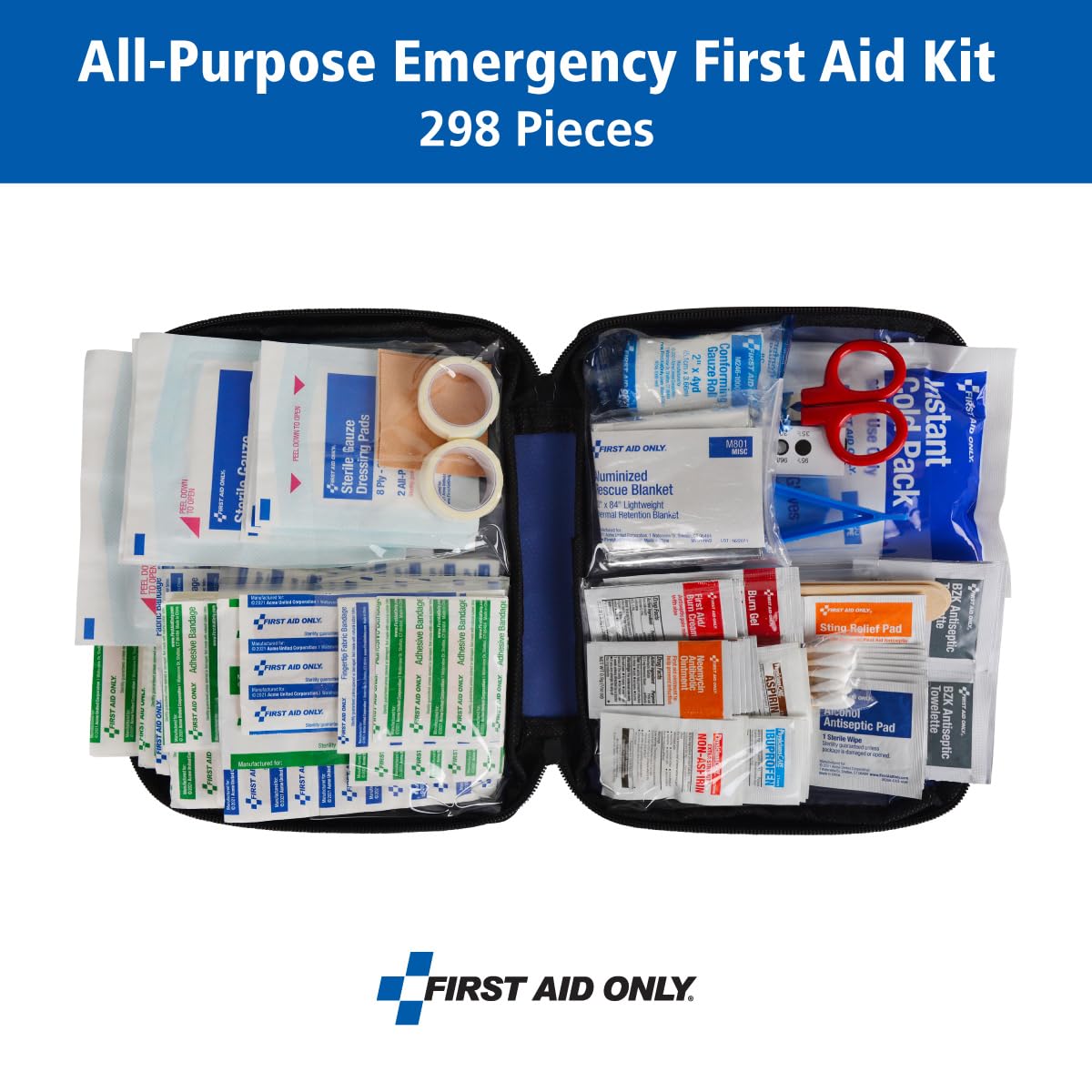
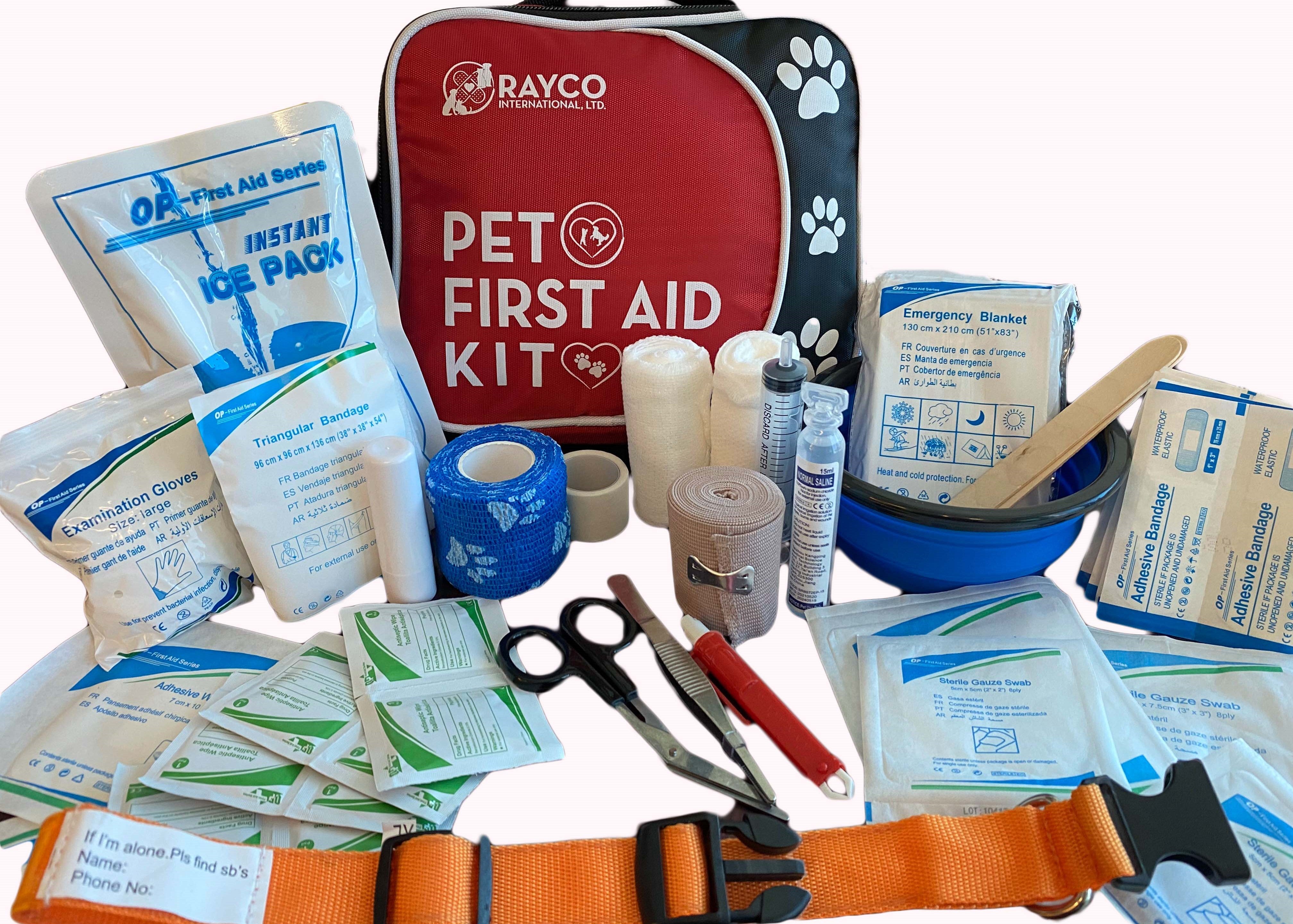
First Aid Only's 299-piece kit at $29 is the right answer when you're packing for a family trip or group travel where volume matters more than weight. The sheer quantity of bandages, gauze pads, and antiseptic wipes means you won't run low on supplies. It lives in a car or vacation rental, not in a backpack.
Pros
- ✓High quantity of essential supplies for group use
- ✓Includes first aid guide booklet
- ✓Hard case for protection
- ✓Excellent price per piece
Cons
- ✗Too bulky and heavy for carry-on backpacking
- ✗Not designed for solo travel or weight-conscious packing
5B+Best Premium OptionMe You Health Travel Kit

Me You Health's Premium Travel Kit at $55 targets the quality-over-quantity traveler with pharmaceutical-grade supplies, a stylish organizing case, and thoughtful additions like blister prevention tape pre-cut for heels and toes. It's the kit that doesn't embarrass you when you pull it out at a nice hotel.
Pros
- ✓Premium quality supplies, nothing flimsy
- ✓Stylish case that doesn't look like a first aid kit
- ✓Includes blister prevention tape
- ✓Well-organized with named compartments
Cons
- ✗$55 is 2-3x the price of comparable kits
- ✗Fewer total items than mid-range competitors
How to Choose a Travel First Aid Kit
The right kit depends on your trip type (urban hotel travel vs. backcountry camping), how far you'll be from medical care, and how many people you're covering. Most travelers need far less than they think — but the right few items are non-negotiable.
Urban vs. Backcountry Travel
For city travel where hospitals are 20 minutes away, a compact kit covering blisters, minor cuts, headaches, and stomach problems is genuinely sufficient. Backcountry and adventure travel requires SAM splints, more wound care supplies, an emergency blanket, and potentially a pressure bandage. Buying the wrong kit for your trip type is the most common mistake.
Key Items Most Kits Miss
Moleskin or blister patches are essential for any walking-heavy trip and often absent from budget kits. Oral rehydration salts (ORS packets) handle traveler's diarrhea dehydration better than anything else and weigh nothing. Tweezers with fine tips are genuinely useful. Consider supplementing any kit with these three items if they're not included.
Medications vs. Supplies
First aid kits sold in the US cannot legally include prescription medications, and most don't include common OTC drugs due to liability. Supplement any kit with your own: ibuprofen or acetaminophen, antihistamine (diphenhydramine), antidiarrheal (loperamide), and antacid. These four medications handle the majority of travel health complaints.
Compact vs. Comprehensive
A 50-piece kit that weighs 1 pound is a better travel companion than a 300-piece kit at 4 pounds — especially if you're flying carry-on only. Evaluate kits by the usefulness of individual items, not total piece count. A '299-piece' kit may include 100 identical small bandages that add weight without adding capability.
Bottom line
The Adventure Medical Kits Ultralight .7 is the best choice for most travelers — genuinely light, carefully curated, and designed by people who've thought hard about what actually gets used. Travelers who want maximum coverage at minimum price will be well served by the Swiss Safe 200-piece kit.
Frequently asked questions
What should a travel first aid kit include?▼
Can I bring a first aid kit on a plane?▼
How big of a first aid kit do I need for international travel?▼
Should I add any medications to a travel first aid kit?▼
What is the difference between a first aid kit and a trauma kit?▼
Check the details of the products in this article
- Adventure Medical Kits Ultralight$31.95Price as of 2026-10-05
- Surviveware Small First Aid$35Reference price
- Swiss Safe 2 In 1 First Aid$81.99Price as of 2026-10-05
- First Aid Only 299 Piece$29Reference price
- Me You Health Travel Kit$55Reference price
Prices change. Check the retailer for the current price.
Comments & questions
Discussion happens on nattzy, our community forum. Sign in with Google to post — it takes a second.
View the discussion thread on nattzy ↗
Still deciding? Ask the community your own question — Post a question on nattzy ↗