Best Kids Bike Helmet 2026: 5 Kids Will Actually Wear
WriterPickly Editorial
Updated 2026-06-12
The best kids helmet is the one they don't fight about. Comfort and fit retention determine whether a helmet stays on correctly through a two-hour ride or gets ripped off at the first complaint. MIPS protection, ventilation, and weight are real differentiators once the baseline safety certification is confirmed.
Quick answer
For most kids, the Bell Sidetrack II Youth is the pick — a 17-position fit dial, integrated sun visor and 14 vents make it the most complete helmet under $45. The Nutcase Little Nutty's distinctive graphics and magnetic buckle end the daily helmet argument, the Specialized Mio is the lightest MIPS option here at under 280 grams, and the Giro Scamp explicitly covers the 45-49cm XS range most brands skip.
📋How we compared
This comparison is desk research. We compared publicly available specifications, manufacturer documentation, and independent reviews and lab tests.

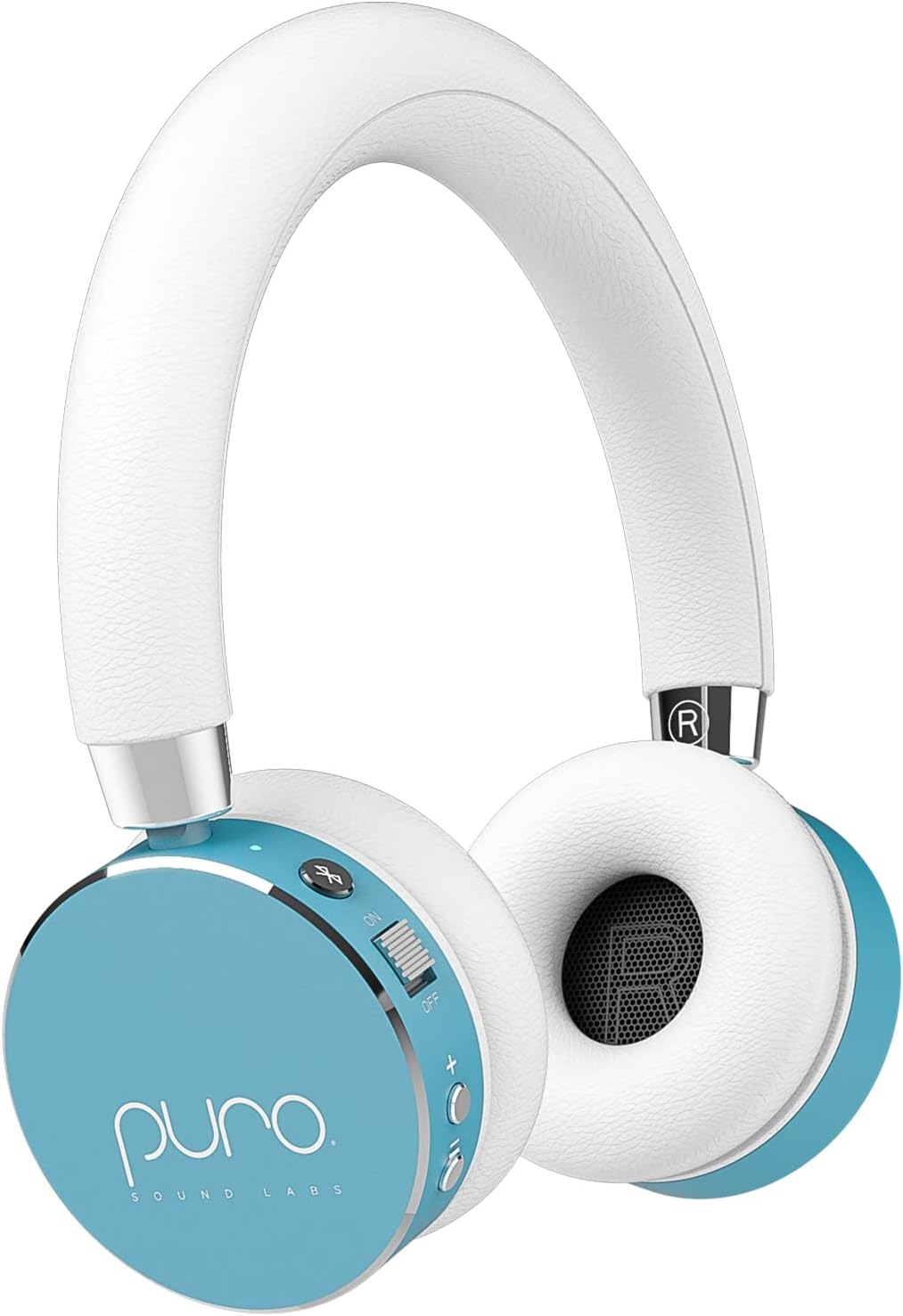
Best Overall: Bell's Sidetrack II hits a precise balance between protection, ventilation, and usability that earns the top spot. The integrated sun visor blocks direct sun from eyes on afternoon rides without adding meaningful weight, and the Ergo Fit dial at the rear adjusts to 17 different positions — enough range to accommodate head growth over a full season without loosening.
Top picks ↓Which one is right for you?
Related articles


1★ Best PickA+Best OverallBell Sidetrack Ii Youth
Bell's Sidetrack II hits a precise balance between protection, ventilation, and usability that earns the top spot. The integrated sun visor blocks direct sun from eyes on afternoon rides without adding meaningful weight, and the Ergo Fit dial at the rear adjusts to 17 different positions — enough range to accommodate head growth over a full season without loosening. The 14 vents run clean channels front to back for airflow that actually works. At $40, it's priced where parents don't feel guilty replacing it on schedule. MIPS is available as a step-up on the Sidetrack II, worth the additional cost for families prioritizing protection.
Pros
- ✓Integrated sun visor reduces glare on afternoon rides
- ✓17-position Ergo Fit dial accommodates growth
- ✓14 active ventilation channels
- ✓Fair price for the feature set
Cons
- ✗Base model lacks MIPS — upgrade version costs more
2ABest DesignNutcase Little Nutty

Nutcase helmets have genuine crossover appeal: kids want to wear them because the graphics are visually distinct from the generic designs most brands offer, and parents accept the premium because the build quality justifies it. The magnetic Fidlock buckle on the Little Nutty is the standout functional feature — it clicks closed one-handed without the usual chin-pinching that makes standard buckles a minor battle. The round internal form fits wide-headed children better than most competitors. At $60 it's the second-most expensive in this lineup, but the Fidlock buckle alone saves minutes of daily frustration.
Pros
- ✓Magnetic Fidlock buckle clicks closed without chin pinching
- ✓Distinctive graphics kids actually want to wear
- ✓Round internal form suits wide head shapes
- ✓Solid build quality at a premium price
Cons
- ✗No MIPS in this price tier — an omission at $60
- ✗Fewer vent channels than performance-focused helmets
3ABest MIPS ValueSpecialized Mio Mips

The Specialized Mio bundles MIPS protection into a helmet that weighs under 280 grams — light enough that kids rarely notice they're wearing it. The retention system adjusts via a dial at the rear and a separate occipital pad height adjustment, which together accommodate the wide range of head shapes that a single adjustment point misses. The seven vents are smaller than Bell's 14 but positioned at the crown where heat builds fastest, making them more effective per vent than raw count suggests. At $60, it's a strong choice when MIPS is non-negotiable and you want the lightest possible build.
Pros
- ✓MIPS included at a competitive price
- ✓Under 280 grams — genuinely light for all-day comfort
- ✓Dual adjustment: dial plus occipital pad height
- ✓Crown vents target the highest heat-buildup zone
Cons
- ✗Seven vents fewer than Bell Sidetrack — warmer on long summer rides
Subscribe to our newsletter
Occasional updates and new releases — no spam.
4A-Best for Small HeadsGiro Scamp Mips
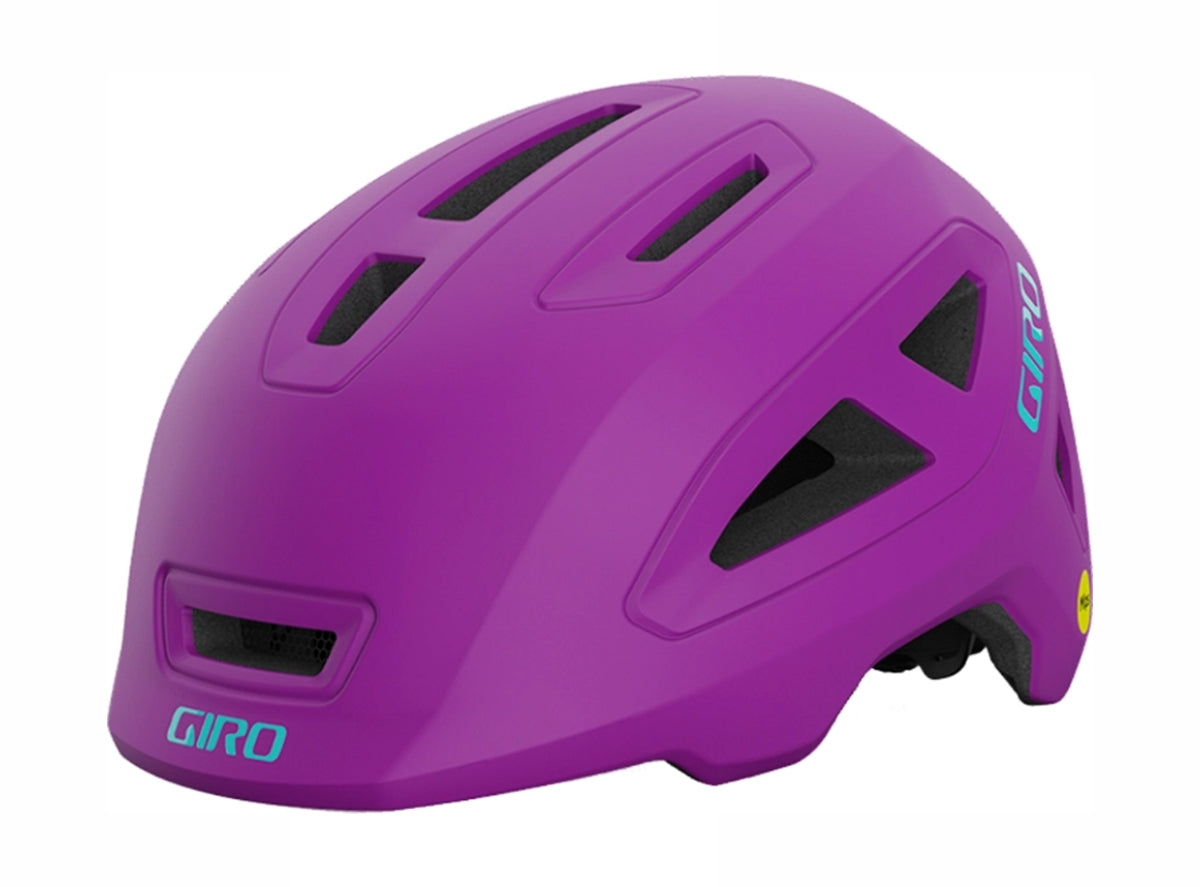
The Giro Scamp is sized specifically for the XS/S head range (45–49 cm) that most brands don't address cleanly — young children often swim in 'small' helmets from brands that start their range at 49 cm. The Roc Loc Jr. fit system uses a thumbwheel dial sized for small hands, which matters when you're trying to teach a five-year-old to check their own fit. MIPS is included across all sizes. The 10-vent configuration and lightweight shell make it one of the more comfortable options for younger riders in the 3–6 age range.
Pros
- ✓Addresses XS head sizes (45–49 cm) most brands skip
- ✓MIPS standard across all sizes
- ✓Thumbwheel dial sized for small hands
- ✓10 vents for a helmet designed for young riders
Cons
- ✗Grows out of size range before older kids, limiting long-term value
5B+Best BudgetJoovy Noodle Helmet

At $35, the Joovy Noodle is the clearest budget pick for families who need a safe, certified helmet without the premium features. It meets CPSC, CE, and ASTM certifications, includes a visor, and comes in more colors and graphics than most brands at this price point — useful when you have multiple kids to gear up simultaneously. The fit dial adjusts smoothly across a reasonable size range. What you give up is MIPS, the lightweight construction of premium helmets, and the refined fit-retention systems that prevent position drift on longer rides. For occasional riders and younger toddlers who prioritize novelty graphics over performance, this is a reasonable spend.
Pros
- ✓Meets CPSC, CE, and ASTM safety certifications
- ✓Wide color and graphic selection
- ✓Fit dial included at budget price
- ✓Visor included
Cons
- ✗No MIPS
- ✗Heavier than premium options — felt on longer rides
Why Fit Matters More Than Brand in Kids Helmets
A helmet that sits too high on the forehead — more than two finger-widths above the eyebrow — offers dramatically reduced protection in a front impact. Most kids push helmets back because the fit system allows it or because the helmet feels uncomfortable at the correct position. An adjustable fit dial at the rear of the helmet solves both problems: it lets parents lock the helmet at the correct depth so the child can't push it back without actively unbuckling the chin strap.
Head shape varies significantly between children. Round-headed kids often swim in helmets designed for oval heads, and vice versa. If a helmet rocks forward or sideways with the chin strap fastened, the internal head form doesn't match your child's shape. Trying on before purchasing is ideal; ordering from a retailer with free returns is the online equivalent.
MIPS (Multi-directional Impact Protection System) adds a slip plane inside the helmet that rotates slightly during oblique impacts, reducing rotational forces transferred to the brain. The science supporting MIPS is strong enough that it has become the default recommendation in adult cycling, and the price premium in kids helmets — typically $15–$25 over a non-MIPS equivalent — is worth it for a protection layer that activates in the most common real-world crash scenario.
Ventilation and Weight: The Comfort Factors
A heavy helmet increases the fatigue that leads to complaints and removal. Kids helmets should weigh under 350 grams for comfortable extended wear. Most helmets in the $35–$65 range hit this target, but cheaper models can run heavier without being obvious about it.
Ventilation channels matter most in summer. A helmet with large vent openings running front to back creates airflow during riding that keeps heads cooler. Smaller or blocked vents retain heat and accelerate the 'it's hot, take it off' complaint. Count open vents rather than marketing claims about ventilation counts.
Frequently asked questions
When should I replace my child's bike helmet?▼
Do kids need a different helmet for skateboarding vs. biking?▼
How tight should a kids helmet be?▼
Is MIPS worth it for casual riders?▼
What size helmet does my child need?▼
Check the details of the products in this article
- Bell Sidetrack Ii Youth$40Reference price
- Nutcase Little Nutty$60Reference price
- Specialized Mio Mips$60Reference price
- Joovy Noodle Helmet$29.99Price as of 2026-10-19
Prices change. Check the retailer for the current price.
Comments & questions
Discussion happens on nattzy, our community forum. Sign in with Google to post — it takes a second.
View the discussion thread on nattzy ↗
Still deciding? Ask the community your own question — Post a question on nattzy ↗