Best Cast Iron Skillet 2026: 5 skillets compared
Five cast iron skillets spanning budget buys to premium French enameled pans. Weekly usage frequency, not recipe variety, determines which spec actually matters.
Quick answer
The Lodge L8SK3 is the skillet to start with — pre-seasoned and cheap enough that a wrong fit costs almost nothing. For long acid-based braises, Le Creuset's enamel is the only option here that won't strip its seasoning. Field Company No.8 is roughly 1.8 kg for anyone with wrist limits, and Stargazer is the premium US-made pan for pan sauces.
We assessed each product on build quality and materials, how it performs in everyday kitchen use, cleaning and maintenance burden, durability over years of use, and value for the price. Manufacturer specifications were cross-checked against verified owner reviews.
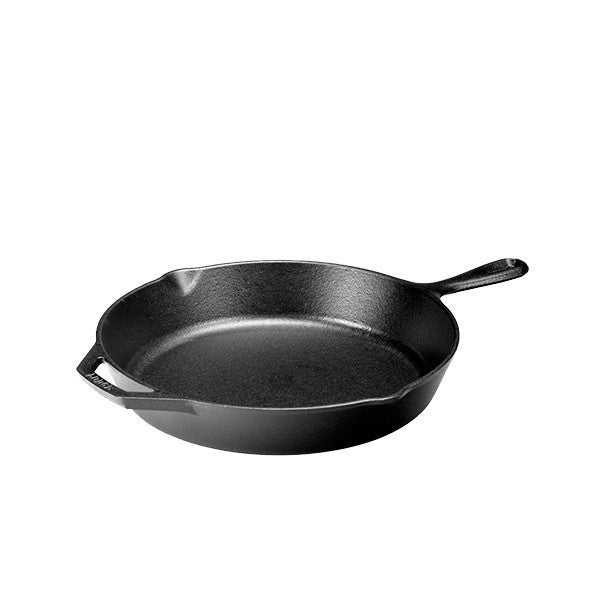
Lodge L8SK3 10.25-Inch Cast Iron Skillet
Best Overall: The Lodge L8SK3 is the cast iron skillet that defines the category — sand-cast in South Pittsburg, Tennessee, factory pre-seasoned with vegetable oil, and priced low enough that a wrong purchase costs almost nothing. At 26 cm (10.25 inches) the cooking area handles two pork chops or a full chicken cutlet without crowding, and the dual handle design (main grip plus opposite helper loop) makes stovetop-to-oven transport a two-handed job rather than a wrist test.
Top picks ↓| Product | Price | Link |
|---|---|---|
| $24.90Price as of 2026-09-24 | ||
| — | ||
| $135.00Reference price | ||
| $155.00Reference price | ||
| $28.99Price as of 2026-09-24 |
Top picks
Related articles


Industry benchmark pre-seasoned skillet — 10.25-inch (26cm), 2.1 kg, works on induction/oven/campfire. Rough foundry texture improves over months of cooking. The right first cast iron pan at the right price.
The Lodge L8SK3 is the cast iron skillet that defines the category — sand-cast in South Pittsburg, Tennessee, factory pre-seasoned with vegetable oil, and priced low enough that a wrong purchase costs almost nothing. At 26 cm (10.25 inches) the cooking area handles two pork chops or a full chicken cutlet without crowding, and the dual handle design (main grip plus opposite helper loop) makes stovetop-to-oven transport a two-handed job rather than a wrist test. The rough foundry texture seasons up over the first 6-12 months of regular cooking into a slick, dark patina. Induction, oven, and campfire compatible without restriction. Long-term Amazon reviews going back a decade document Lodge skillets surviving drops, oven self-clean cycles, and being left outside in rain — the failure modes that destroy non-stick pans don't apply here.
Pros
- ✓Factory pre-seasoned and usable from day one
- ✓Dual handle simplifies two-handed transport
- ✓Works on induction, oven, and open flame without restriction
- ✓Lowest entry price for full-size pre-seasoned cast iron
Cons
- ✗Rough foundry texture needs months of cooking to slick up
- ✗2.1 kg feels heavy compared to thinner machined skillets
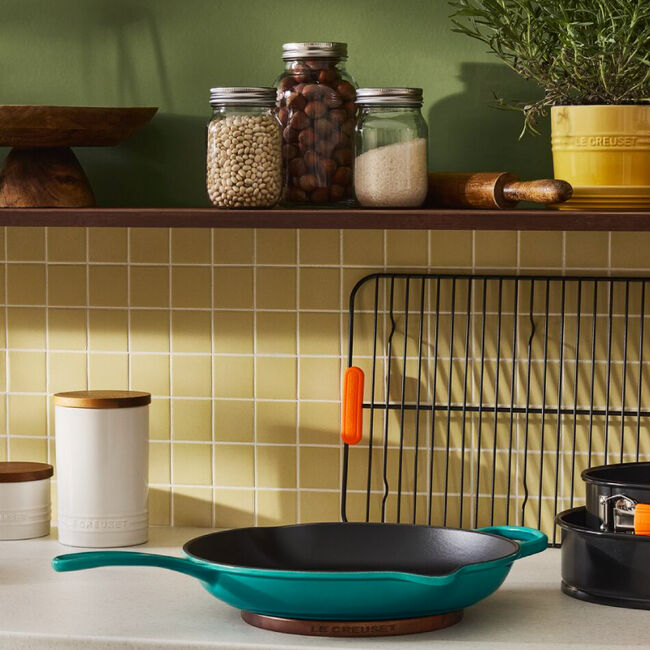
Enameled cast iron — no seasoning required, handles acidic dishes freely, cleans with soap. Premium price reflects brand, color options, and zero-maintenance ownership. Worth it if you cook braises and sauces with acid ingredients regularly.
Le Creuset's Signature enameled skillet eliminates the seasoning question entirely — the vitreous enamel coating is the cooking surface, and it doesn't accept or require polymerized fat. That means you can deglaze with wine, simmer tomato sauce, or cook a lemon-butter fish without worrying about stripping the pan, and you can clean it with regular dish soap and a sponge. The 26 cm cast iron core retains heat the same way bare cast iron does, but the enamel surface moderates direct heat slightly for more even distribution. The trade-offs are price (about 8-10x a comparable Lodge), the phenolic handle's 190°C oven cap on the Signature line, and the fact that the enamel can chip if dropped. Color options across the lineup make it as much a kitchen aesthetic object as a cooking tool.
Pros
- ✓No seasoning maintenance — soap and acid are safe
- ✓Handles tomato sauces and wine deglazes without flavor transfer
- ✓Heat distribution slightly more even than bare cast iron
- ✓Wide range of color options for kitchen display
Cons
- ✗Premium price reflects brand and color options as much as performance
- ✗Phenolic handle limits oven use to 190°C on Signature line

Lightweight machined-surface pick — approximately 1.8 kg vs Lodge's heavier models. Smooth machined cooking surface builds seasoning faster than rough foundry texture. Correct choice if cast iron weight has previously discouraged you.
The Field Company No.8 is the cast iron skillet for cooks who find a Lodge tiring at the stove. Cast in the US and then machined smooth across the cooking surface (rather than left with the pebbly sand-cast texture), it lands at approximately 1.8 kg — close to half the weight of a Lodge 12-inch — and the machined finish develops seasoning more evenly and faster than rough cast surfaces. By the six-month mark of regular use, the surface slickness rivals a well-seasoned older Lodge. The thinner walls reduce thermal mass slightly, which a restaurant cook searing eight steaks in sequence might notice but a home cook generally won't. At a 5x premium over Lodge, it's a defensible upgrade for buyers with wrist issues or anyone who's previously abandoned cast iron because of the weight.
Pros
- ✓Roughly half the weight of a Lodge 12-inch
- ✓Machined smooth surface develops seasoning faster
- ✓Lighter pan means easier flipping and stove-side handling
- ✓Made in the USA with consistent build quality
Cons
- ✗5x the price of a comparable Lodge
- ✗Thinner walls give up a small amount of thermal mass
Subscribe to our newsletter
Occasional updates and new releases — no spam.
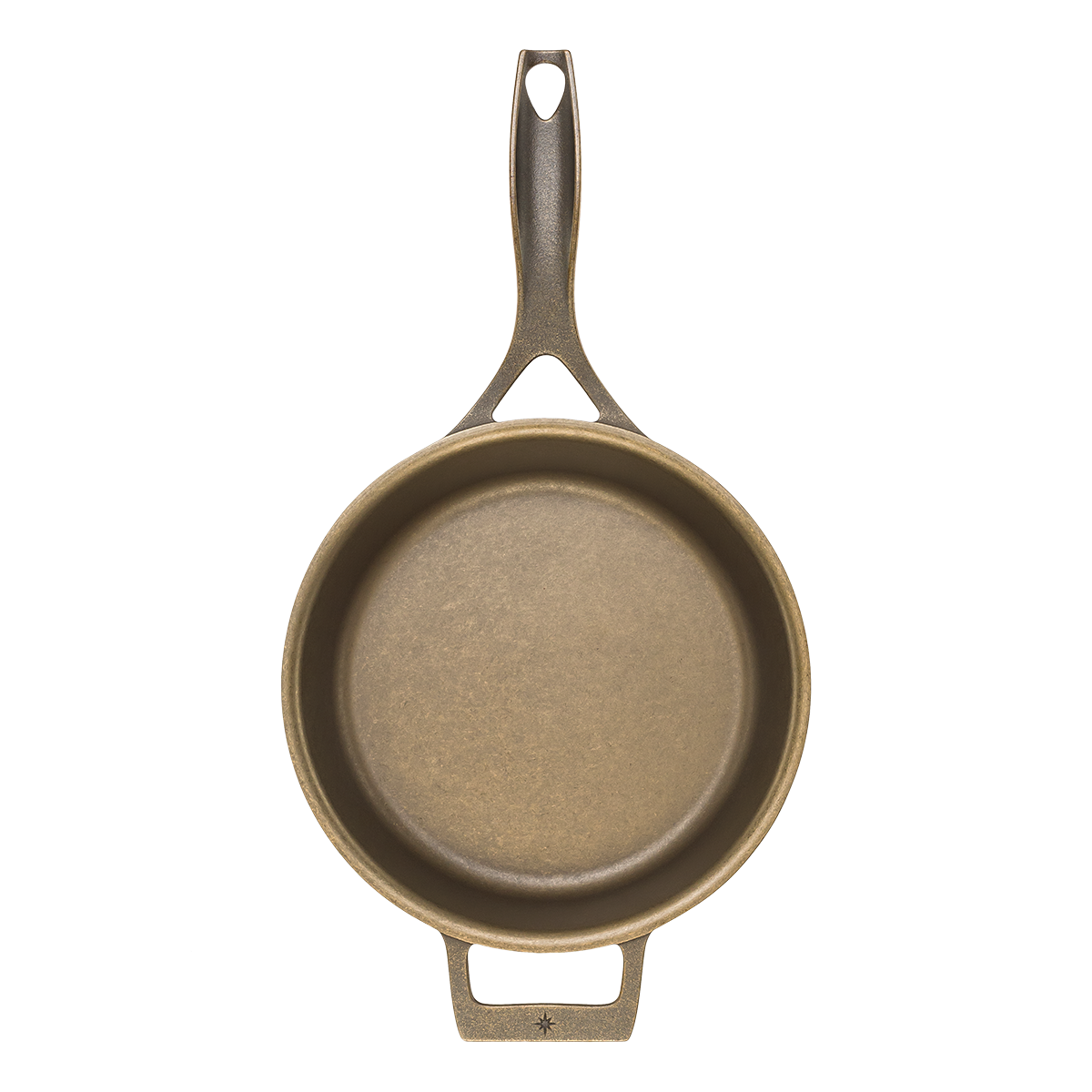
American-made machined-smooth skillet with flared rim for drip-free pouring — 10.5-inch, about 2.2 kg, helper handle included. Polished surface seasons faster than sand-cast alternatives. Best for cooks who want premium US-made bare cast iron.
Stargazer's 10.5-inch skillet is the other premium American machined-smooth option alongside Field Company, with a few design choices that distinguish it. The cooking surface is polished after casting rather than left with the foundry texture, the rim is flared on all sides for drip-free pouring of pan sauces and rendered fat, and a long curved primary handle plus a helper loop on the opposite side give two-handed control without the helper loop blocking spatula access. Weight lands around 2.2 kg, between Field Company's lightweight pick and a standard Lodge. The polished surface seasons faster than rough sand-cast alternatives, and the flared rim is genuinely useful when finishing a sauce in the pan and pouring it over food.
Pros
- ✓Polished cooking surface seasons quickly and evenly
- ✓Flared rim across the whole pan for clean pouring
- ✓Long primary handle plus opposite helper loop
- ✓US-made with consistent machining
Cons
- ✗Roughly 4-5x the price of a standard Lodge
- ✗Lower thermal mass than thicker traditional castings

Budget pre-seasoned entry point — 10-inch, about 2.3 kg, seasoned with flaxseed oil. Made in Colombia. Best value for solo or couple households at the lowest price in this comparison.
Victoria's 10-inch cast iron skillet is the budget pre-seasoned entry point in this comparison — cast in Colombia, factory pre-seasoned with flaxseed oil (which some seasoning enthusiasts consider a cleaner starting surface than the vegetable-oil baseline Lodge ships with), and priced low enough that it's often the cheapest pre-seasoned cast iron in this category. The 10-inch diameter is meaningfully smaller than a 12-inch Lodge and suits one or two-person cooking — two chicken thighs, a couple of eggs, a single pork chop. Weight is approximately 2.3 kg, lighter than the Lodge 12-inch by virtue of the smaller diameter rather than thinner walls. Amazon US owner reviews consistently note the factory seasoning as comparable to or better than Lodge's out-of-the-box surface.
Pros
- ✓Lowest price in this comparison for pre-seasoned cast iron
- ✓Flaxseed-oil factory seasoning is unusually smooth from new
- ✓10-inch size suits solo and couple cooking
- ✓Works on induction, oven, and open flame
Cons
- ✗10-inch diameter is small for family-size cooking
- ✗Less widely reviewed than Lodge in long-term ownership data
Which one is right for you?
For first-time cast iron buyers
Lodge L8SK3 10.25-Inch Cast Iron Skillet
Lodge's low price means a wrong fit costs almost nothing, and the dual handle plus pre-seasoned surface make it usable from the first cook.
For tomato-sauce and wine-deglaze cooking
Le Creuset Signature Enameled Cast Iron Skillet
The enamel coating isolates the iron from acidic ingredients, which makes Le Creuset the only option here that handles long acid-based braises without stripping seasoning.
For cooks with wrist or shoulder limits
Field Company No.8 Cast Iron Skillet
At roughly 1.8 kg the Field Company is the lightest full-size cast iron skillet in this comparison and the only one most cooks with arm fatigue can actually use daily.
For pan-sauce finishers who want a premium US-made pan
Stargazer 10.5-Inch Cast Iron Skillet
The flared rim and polished cooking surface make pouring rendered fat and reductions clean, and the machined finish builds seasoning faster than foundry textures.
For solo or couple households on a budget
Victoria 10-Inch Cast Iron Skillet
The 10-inch size matches one-to-two person portions and Victoria's flaxseed-oil pre-seasoning is unusually slick out of the box for the lowest price in the category.
What cast iron actually does well (and where it falls short)
Cast iron's physical properties explain its cooking behavior better than any marketing copy. The material is dense — a Lodge 12-inch skillet weighs 3.8 kg — and that density means high thermal mass. Cast iron takes longer than stainless or carbon steel to reach cooking temperature, but once hot it holds that heat through repeated additions of cold food. Sear six steaks in a stainless pan and the temperature drops noticeably with each one; sear them in cast iron and the recovery is faster because the pan has more stored energy to give up. This makes cast iron the right tool for searing, for corn bread baked in the oven where even heat across the bottom produces a uniform crust, for deep-dish pizza where you want the crust to fry slightly against a hot surface, and for any dish where the pan goes from stovetop to oven and back.
The downside of high thermal mass is poor heat distribution at the stovetop level. Cast iron is a poor conductor compared to aluminum or copper — it heats unevenly from a single burner, with the center running hotter than the edges. This produces a hot spot directly above the burner that cooks the center of an egg faster than the edges. Carbon steel (the material used in professional-grade French crepe pans and Chinese woks) has similar heat retention properties but distributes heat somewhat more evenly. The uneven heating problem is less severe on gas ranges than on electric coil burners, and essentially disappears on induction where the entire base heats simultaneously, which is part of why cast iron and induction pair particularly well.
Cast iron handles acid poorly. Tomato sauces, wine reductions, citrus, and vinegar-based dishes react with bare cast iron, stripping seasoning and imparting a metallic off-taste. A well-seasoned skillet handles a brief deglaze better than a barely-seasoned one, but cast iron is genuinely the wrong tool for a 45-minute tomato braise. Enameled cast iron (Le Creuset, Staub) solves this completely — the enamel coating isolates the iron from the food — but at significant cost and weight. Bare cast iron is also reactive with eggs until the seasoning is thoroughly built up, which is why a new Lodge 12-inch will stick eggs in a way that a 5-year-old well-seasoned skillet won't.
Seasoning: what it is, how it builds, and what destroys it
Seasoning is polymerized cooking fat bonded to the surface of bare cast iron. When oil or fat is heated past its smoke point on cast iron, it undergoes a Maillard-adjacent polymerization reaction that transforms the liquid fat into a hard, slick, bonded layer. Multiple thin layers of polymerized fat build up over time into the smooth black patina that makes an old cast iron skillet virtually non-stick. The key word is 'thin' — a single thick application of oil bakes into a sticky gummy layer that causes more sticking than no seasoning at all. Proper factory pre-seasoning (Lodge's standard) involves multiple thin oil applications at high temperature and produces a usable but not yet optimal surface that improves with cooking over the first 6-12 months.
Factory pre-seasoned skillets (Lodge, Victoria, Camp Chef) ship ready to cook with, though the initial seasoning is more of a rust-preventive coating than a mature non-stick surface. The pan improves with every cook of fatty foods — bacon, sausage, fried chicken, corn bread baked with butter — and degrades slightly with every exposure to soap, acidic food, or high-heat washing. The old rule 'never use soap on cast iron' has been revised by food scientists: modern dish soap (which uses surfactants, not the lye-based soap that actively stripped seasoning) can be used for quick cleaning without serious harm to a well-seasoned pan. The actual enemies of seasoning are soaking in water (causes rust and strips the surface layers), cooking acidic foods for extended periods, and dishwasher cleaning (the combination of harsh detergent, high heat, and steam strips seasoning to bare metal in a single cycle).
The Field Company No.8 approaches the seasoning question differently from Lodge — its machined-smooth cooking surface provides a better base for seasoning adhesion and development than the rough foundry texture of a standard Lodge. Lodge's factory surface has a slightly pebbly texture from the sand-casting process; Field Company machines the cooking surface smooth after casting. The practical result is a Field Company skillet that develops a more consistently slick patina faster than a comparable Lodge, at the cost of being more expensive and lighter (due to thinner walls).
Enameled cast iron (Le Creuset Signature, Staub) requires no seasoning at all — the vitreous enamel coating serves as the cooking surface and does not require or accept polymerized fat. This eliminates the maintenance learning curve entirely: you can use soap, cook acidic dishes, and store the pan wet without concern. The trade-offs are price (the Le Creuset 26cm skillet is premium-tier versus the budget Lodge 30cm), weight (enameled cast iron is heavier than comparable bare cast iron because the enamel adds mass), and the fact that enameled skillets can chip if dropped, exposing the cast iron underneath.
Weight: the variable that actually governs the buying decision
Lodge 12-inch (30cm): 3.8 kg. Le Creuset Signature 26cm: around 2.5 kg (the 26cm enameled skillet is a smaller diameter, but enameled versions of comparable diameter run heavier). Field Company No.8 (similar to a 10.25-inch Lodge): approximately 1.8 kg. Camp Chef 12-inch: approximately 3.4 kg. Victoria 10-inch: approximately 2.3 kg.
Weight matters differently depending on how you cook. If your primary use is putting the skillet in a 230°C oven to finish a sear and then carrying it to the table to serve from, 3.8 kg is manageable — you lift it once, set it down, lift it again. If your primary use is flipping food at the stovetop several times during cooking, 3.8 kg becomes tiring over a 20-minute cook. The Field Company No.8 at approximately 1.8 kg is the lightest full-sized cast iron option on the market — it's half the weight of a Lodge 12-inch — and for cooks who find heavy pans tiring, this is not a marginal difference but a pan they can actually use vs one that stays in the cabinet. The trade-off for lighter weight in bare cast iron is thinner walls, which means slightly lower thermal mass and slightly faster heat loss when cold food is added, but this is detectable by a cook paying close attention rather than a meaningful difference in most home cooking.
The Lodge 12-inch is the benchmark because it's the most widely available cast iron skillet in the world, the most-reviewed, and the price has stayed firmly in budget territory for a decade. Its 3.8 kg weight reflects standard wall thickness. If you've used cast iron before and the weight never bothered you, Lodge is the sensible choice. If you've avoided cast iron because of the weight, Field Company is worth the 5x price premium for many people.
Induction, oven, and campfire compatibility
All five skillets in this comparison work on induction cooktops. Cast iron's ferromagnetic properties make it inherently compatible with induction without any modification, and induction is actually the ideal heat source for cast iron because it heats the entire base simultaneously rather than only the area directly above a gas or electric burner. The hot-spot issue that affects stovetop cast iron cooking is significantly reduced on induction.
All five are oven-safe without temperature limitation — bare cast iron handles temperatures up to 260°C+ without damage, and enameled cast iron (Le Creuset) is rated oven-safe to 260°C with the proviso that the phenolic handle cannot go above 190°C on the Le Creuset Signature series. This is relevant for high-heat applications: if you're finishing a steak in a 260°C oven, check which Le Creuset handle type you have before setting the temperature. The bare cast iron models (Lodge, Field Company, Camp Chef, Victoria) have no oven temperature restrictions.
For campfire and open-flame cooking, bare cast iron is the correct tool and enameled cast iron should generally be avoided. The enamel coating on Le Creuset can craze (develop microscopic cracks) when exposed to rapid thermal shock — moving from a cold storage situation directly onto hot coals is exactly the thermal cycle that causes this. Bare cast iron handles this transition without damage. Lodge, Camp Chef, and Victoria are all campfire-appropriate; Field Company (designed more as a kitchen skillet) is mechanically suitable but its machined surface and higher price point make it a poor choice for campfire grit and outdoor cleaning conditions.
Where each skillet fits
Lodge L10SK3 12-inch (budget-tier): the industry benchmark. Pre-seasoned from the factory, dual helper handle (main handle plus a small loop handle on the opposite side for two-handed transport), oven and induction safe, campfire safe. 3.8 kg and the rough foundry surface texture are the two characteristics that divide Lodge buyers from non-buyers. If you've never used cast iron and want to understand what the category is, Lodge is where to start — the price is low enough that a wrong choice costs little, and if you find you use it regularly, upgrading later makes sense. Long-term Amazon reviews going back 10+ years document Lodge surviving decades of use including drops, oven self-clean cycles, and being left outside in rain. It doesn't fail from normal cooking abuse in a way a non-stick pan would.
Le Creuset Signature Enameled Cast Iron Skillet 26cm (premium-tier): the no-maintenance premium pick. The enamel eliminates seasoning entirely — you can deglaze with wine, simmer tomato sauce, cook lemon butter fish, and clean with dish soap without concern. Heat distribution is slightly more even than bare cast iron because the enamel surface moderates direct heat somewhat. Color options (about 15 in the current lineup) are part of the product identity — Le Creuset is partly a kitchen aesthetic product and buyers who invest in it tend to display it. The honest case against: at this premium price you're paying primarily for brand, color options, and the no-seasoning maintenance trade-off. A mid-range Staub enameled skillet provides similar cooking performance. A budget Lodge provides similar heat retention with more maintenance effort. Le Creuset is the right pick if you want the absolute top of the enameled cast iron category and the price is acceptable.
Field Company No.8 Cast Iron Skillet (mid-range): the lightweight machined-surface pick. At approximately 1.8 kg — about half the weight of a Lodge 12-inch — this is the cast iron skillet for cooks who want the thermal properties of cast iron without the wrist strain. The machined smooth cooking surface (as opposed to the rough sand-cast texture of Lodge) develops seasoning faster and more evenly, and by the 6-month mark of regular use the surface difference between a Field Company and a well-seasoned Lodge is minimal. Thinner walls mean slightly less thermal mass, which shows up in restaurant-level repeated-sear applications (6+ steaks in a row) more than it does in home cooking. Field Company is the right pick for cooks who want cast iron but have found the Lodge weight tiring or who have wrist limitations.
Camp Chef 12-inch Cast Iron Skillet with Dual Handle (budget-tier): the value dual-handle pick. Similar weight and casting quality to Lodge, factory pre-seasoned, the dual helper handle design makes stovetop-to-oven transport significantly easier than single-handle designs and matters especially for the 3.4-3.8 kg class of full-size skillets. Less widely reviewed in Japan than Lodge but shares the same basic category of 'American foundry pre-seasoned skillet' with comparable performance. Camp Chef is the right pick if you specifically want dual handles at a competitive price point.
Victoria 10-inch Cast Iron Skillet (budget-tier): the budget pre-seasoned entry point. Made in Colombia, factory pre-seasoned with flaxseed oil (which some seasoning enthusiasts consider superior to Lodge's vegetable oil seasoning), 10-inch diameter is slightly smaller than the Lodge 12-inch and suits 1-2 person households. At 2.3 kg the Victoria is lighter than the Lodge 12-inch because of its smaller diameter rather than thinner walls. Amazon US reviews consistently note the factory seasoning quality as comparable to or better than Lodge's out-of-the-box surface. The honest trade-off: 10-inch is genuinely smaller than 12-inch for family cooking — two chicken thighs and a lone pork chop rather than a full chicken cutlet spread. Victoria is the right pick for a solo or couple household that wants cast iron quality at the lowest price point in this comparison.
Cleaning and long-term maintenance
The practical maintenance rule for bare cast iron: clean while warm (not scorching hot, not fully cool — the residue releases most easily when the pan is still above 50°C), use a stiff brush or Lodge's own chain-mail scrubber for stuck-on food, rinse with hot water, dry immediately and thoroughly on the stovetop over low heat until all surface moisture has evaporated, then rub a paper towel with a few drops of neutral oil (not olive oil, which polymerizes poorly) across the surface while still warm. This routine takes 3-4 minutes and, done consistently, builds seasoning rather than depleting it.
The soap question: modern dish soap (sodium lauryl sulfate or laureth sulfate surfactants) does not strip a well-developed seasoning layer the way lye soap would. A quick scrub with a small amount of dish soap to remove food residue, followed by thorough drying and oiling, is safe for a skillet with at least 3-6 months of built-up seasoning. The caveat is 'quick' — soaking a cast iron skillet in soapy water for 30 minutes will damage the seasoning. The dish soap myth persists because many owners have a pan with thin new seasoning that genuinely is vulnerable to soap, and because the fail-safe advice ('never use soap') is easier to communicate than the accurate advice ('you can use a small amount of soap briefly, but dry immediately and oil afterward').
Rust: the common failure mode for neglected cast iron is surface rust from moisture exposure. Rust looks alarming but is not a reason to discard the pan. The standard recovery process is scrubbing the rust off with steel wool or coarse salt until the surface is uniform grey metal, rinsing, drying thoroughly, and re-seasoning with 3-4 thin oil applications in a 200°C oven, each baked for an hour. A cast iron skillet that has rusted can be restored to cooking condition in a few hours of work. This is meaningfully different from the failure modes of non-stick coatings (which cannot be restored once worn) or stainless pans (which dent and warp from thermal shock). The 'lifetime pan' narrative is grounded in this actual repairability.
Verdict
For most home cooks who've never owned cast iron, start with Lodge L10SK3 12-inch. The budget price means a wrong fit costs little, the 12-inch diameter handles family meals, and the factory pre-seasoning is usable from day one. After 6 months of regular cooking the seasoning will have improved to a genuinely non-stick surface on appropriate foods. Accept the 3.8 kg weight as the price of entry; if it bothers you enough to avoid using the pan, that's the signal to look at Field Company.
Step up to the mid-range Field Company No.8 if weight is a real constraint — wrist issues, arthritis, or simply finding a 3.8 kg pan tiring at the stove. The machined surface and lighter weight are meaningful improvements; the price premium over Lodge is real but the functional difference is also real. Step sideways to the premium Le Creuset Signature if you cook acidic dishes frequently and want to eliminate seasoning maintenance entirely, or if you're buying kitchen equipment that will live on the stovetop and be looked at. Step sideways to the budget Camp Chef 12-inch if you specifically want dual handles for easier two-handed transport at comparable Lodge quality. Step down to the budget Victoria 10-inch if you cook for one or two people and want the lowest possible entry price into quality pre-seasoned cast iron.
Frequently asked questions
Can I really use soap on cast iron?▼
Why does food stick to my cast iron skillet?▼
Is enameled cast iron worth the price over bare cast iron?▼
How is the Field Company different from a Lodge, beyond the weight?▼
Is cast iron good for Japanese home-style cooking?▼
How long does cast iron last?▼
Prices change. Check the retailer for the current price.
Comments & questions
Discussion happens on nattzy, our community forum. Sign in with Google to post — it takes a second.
Related articles
Best Air Fryer 2026: 5 Models Compared Honestly

Best Coffee Makers 2026: Breville vs Moccamaster vs OXO

Best Air Purifier 2026: 5 models compared honestly

ConoHa WING review (2026): setup, speed and pricing
Best JP rental server 2026: 5 hosts ranked

Best LED Face Masks 2026: 3 Light Therapy Devices Compared