Best Studio Headphones 2026: 5 Monitoring Pairs Compared
WriterPickly Editorial
Updated 2026-10-05
Studio headphones are tools for hearing mistakes. The first choice is closed back or open back, because that decides whether you can record with them next to a microphone or mix with them in a quiet room.
Quick answer
The beyerdynamic DT 770 PRO 80 ohm at $199.99 is the studio headphone for most home recording: closed back, 270 g, usable for both tracking and checking mixes. The DT 990 PRO at the same price is the open-back choice for mixing in a quiet room. The Sennheiser HD 280 PRO at $99.95 lists up to 32 dB of noise attenuation. The RODE NTH-100 is a 32-ohm closed pair that runs well from a laptop. The PreSonus HD9 at $79.99 is the budget pick.
We did not run our own testing on these headphones. Judging sound means listening to each pair on the same material, and comfort depends on head shape. What we did instead: took the design, impedance, frequency range and weight from each manufacturer's specification pages, checked prices on the makers' own stores on October 4, 2026, and read owner reviews in volume. We could not confirm a current US price for the RODE NTH-100, so we do not quote one. Frequency ranges are the makers' own figures and are not measured the same way across brands.
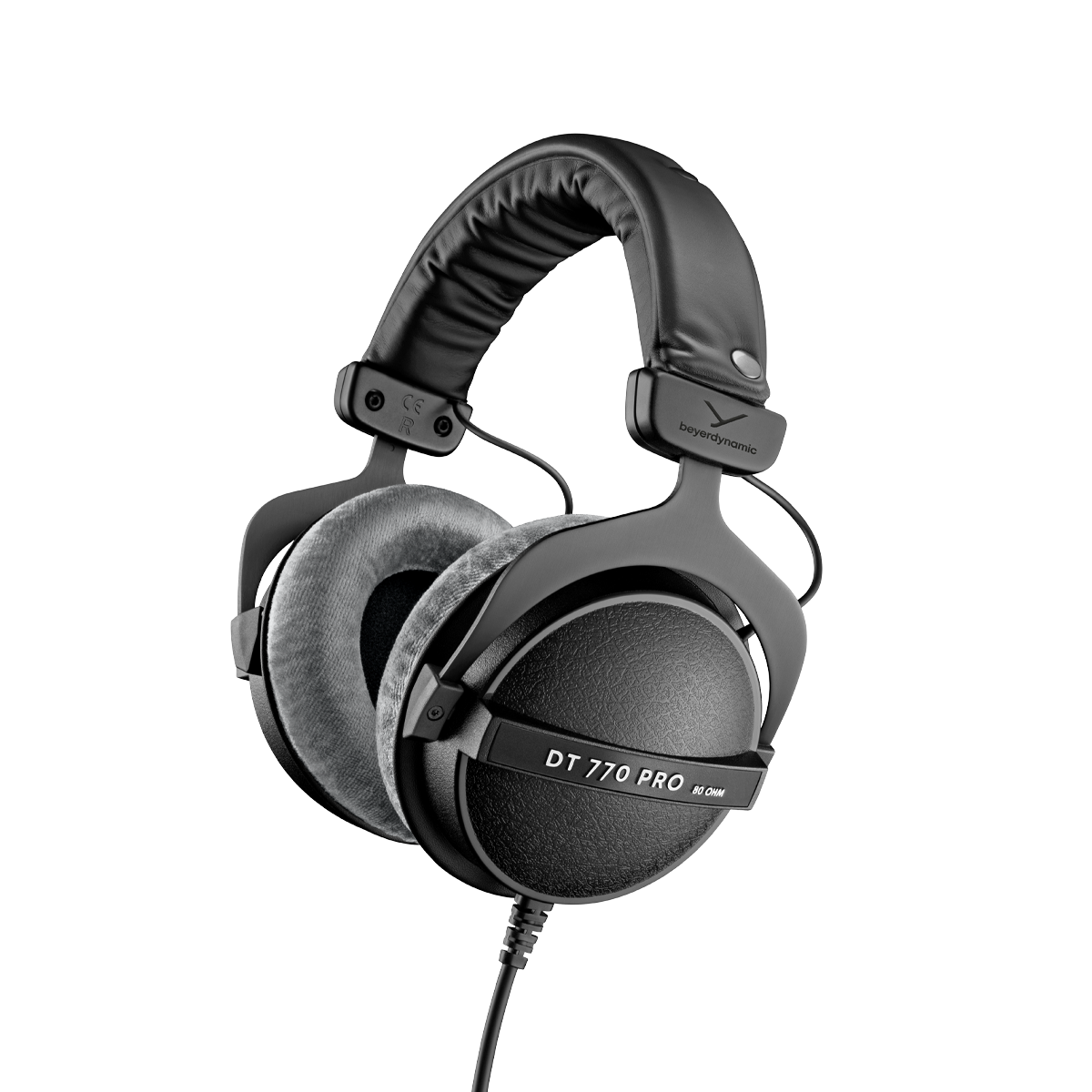
🏆 Best overall: The DT 770 PRO 80 ohm is a closed-back studio headphone with a listed frequency response of 5 to 35,000 Hz and a weight of 270 g. It costs $199.99 on beyerdynamic's North America store.
Top picks ↓Related articles
1★ Best Pick🏆 Best overallbeyerdynamic DT 770 PRO 80 Ohm
80-ohm version. Other impedances are sold; check the listing.
The DT 770 PRO 80 ohm is a closed-back studio headphone with a listed frequency response of 5 to 35,000 Hz and a weight of 270 g. It costs $199.99 on beyerdynamic's North America store. Closed cups make it usable for recording next to a microphone, and 80 ohms works with most audio interfaces.
Pros
- ✓Closed back for recording
- ✓80 ohms suits most interfaces
- ✓270 g
Cons
- ✗$199.99
- ✗Check the cable type on the listing
2🎚️ Best open back for mixingbeyerdynamic DT 990 PRO 250 Ohm
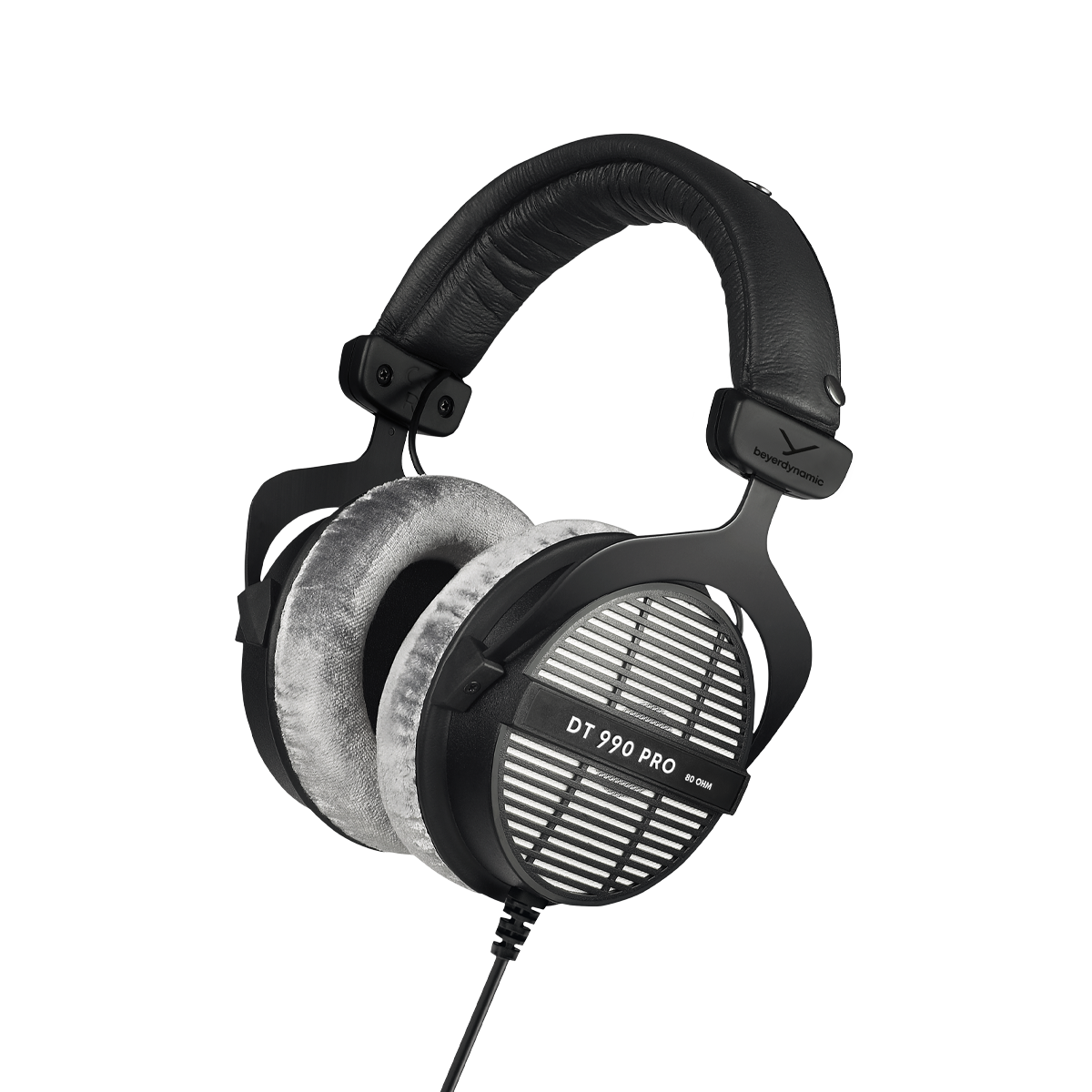
250-ohm open-back version.
The DT 990 PRO is an open-back studio headphone with a listed frequency response of 5 to 35,000 Hz and a weight of 250 g, the lightest here. It costs $199.99. The 250-ohm version needs an interface or headphone amplifier. It leaks sound, so it is for mixing in a quiet room, not for recording.
Pros
- ✓Open back for a wide sound
- ✓250 g
- ✓Same price as the DT 770 PRO
Cons
- ✗250 ohms needs an interface or amp
- ✗Leaks sound
3🔇 Best isolationSennheiser HD 280 PRO

Closed back, 64 ohms.
The HD 280 PRO is a closed-back monitoring headphone at $99.95. Sennheiser lists up to 32 dB of ambient noise attenuation, 64 ohms impedance, a frequency response of 8 Hz to 25 kHz and a weight of 285 g without the cable. The ear cups fold and rotate. The cable is single-sided.
Pros
- ✓Up to 32 dB attenuation listed
- ✓$99.95
- ✓Folding ear cups
Cons
- ✗Firm clamping is common in owner reviews
- ✗Narrower listed range than beyerdynamic
Subscribe to our newsletter
Occasional updates and new releases — no spam.
4💻 Best for laptopsRODE NTH-100
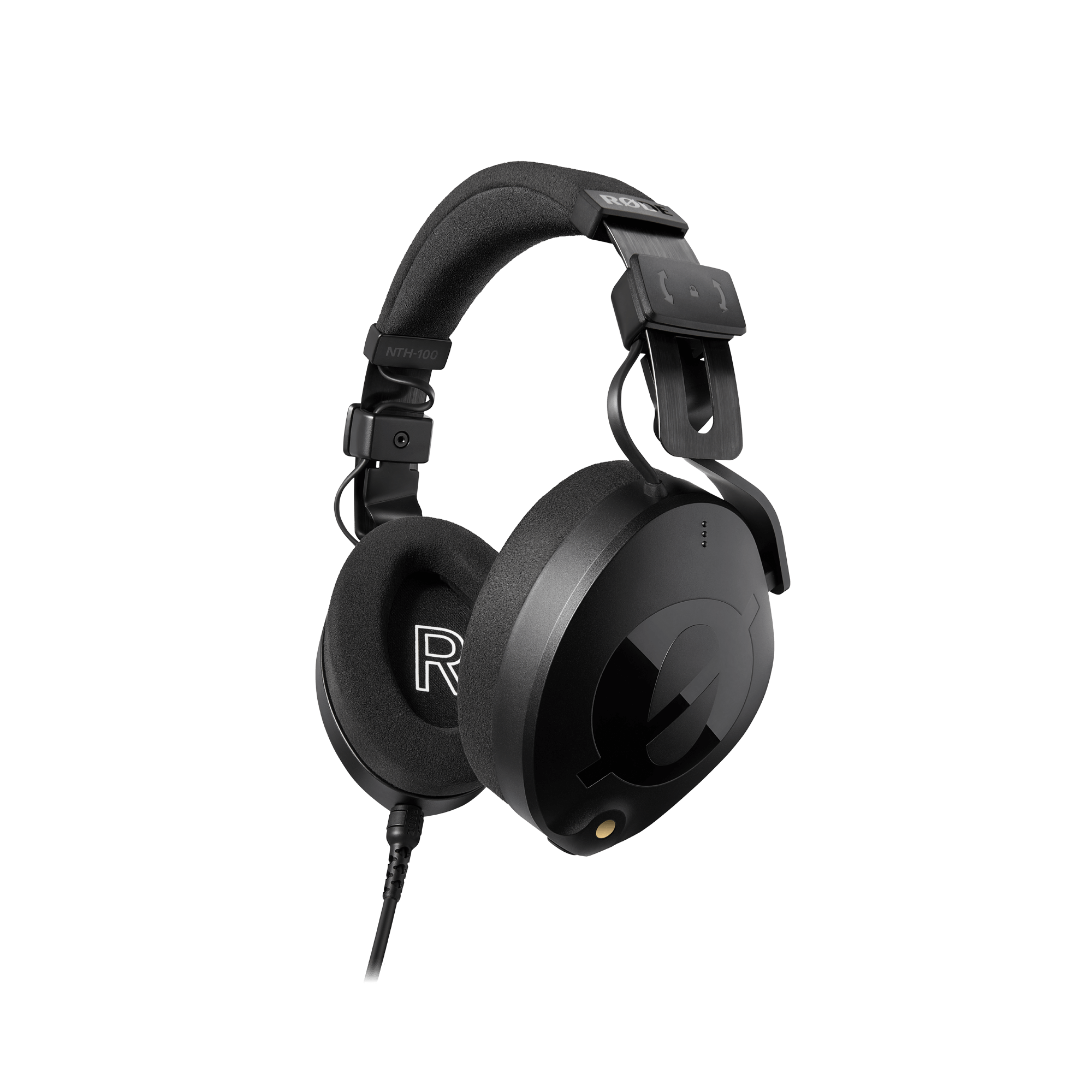
Headphones only. NTH-100M adds a microphone.
The NTH-100 is a closed-back over-ear headphone with 40mm dynamic drivers, 32 ohms impedance and 110 dB sensitivity, so it gets loud from a laptop or phone. RODE lists a frequency response of 5 Hz to 35 kHz and 20 dBA of noise attenuation. At 350 g it is the heaviest pick. We could not confirm a current price.
Pros
- ✓32 ohms, easy to drive
- ✓40mm drivers
- ✓20 dBA attenuation listed
Cons
- ✗350 g
- ✗Price not confirmed
RODE NTH-100
Product details →5💰 Best budgetPreSonus HD9 Professional Monitoring Headphones

Closed back, 45mm drivers.
The HD9 is a closed-back headphone with 45mm neodymium drivers at $79.99 on PreSonus's store. PreSonus lists a frequency response of 10 Hz to 26 kHz and power handling of 900 mW per channel into 40 ohms. It is the lowest-priced pick. PreSonus's page does not state the weight.
Pros
- ✓$79.99
- ✓45mm drivers
- ✓Closed back
Cons
- ✗Weight not stated
- ✗Fewer published specifications
Closed back or open back
Closed-back headphones seal the ear cup. Little sound leaks out, so a microphone does not pick up the click track, and outside noise is reduced. They are the choice for recording vocals and instruments.
Open-back headphones let air and sound pass through the cup. The sound feels wider and less boxed in, which helps when judging a mix. They leak sound in both directions, so they do not work for recording near a microphone or in a noisy room.
Four of the five picks are closed back. The table shows each maker's figures and the price on its own store on October 4, 2026.
| Headphones | Type | Impedance | Weight | Price seen |
|---|---|---|---|---|
| beyerdynamic DT 770 PRO | Closed | 80 ohms | 270 g | $199.99 |
| beyerdynamic DT 990 PRO | Open | 250 ohms | 250 g | $199.99 |
| Sennheiser HD 280 PRO | Closed | 64 ohms | 285 g | $99.95 |
| RODE NTH-100 | Closed | 32 ohms | 350 g | Not confirmed |
| PreSonus HD9 | Closed | 40 ohms | Not stated | $79.99 |
Impedance and what you plug into
Impedance, in ohms, tells you how much voltage headphones need to reach a given volume. Low-impedance pairs, around 32 to 64 ohms, get loud from a laptop or phone. High-impedance pairs, such as 250 ohms, need an audio interface or headphone amplifier.
The DT 990 PRO listed here is the 250-ohm version. Plugged straight into a laptop it may sound quiet. The DT 770 PRO at 80 ohms sits in the middle and works with most interfaces. beyerdynamic also sells the DT 770 PRO in other impedances, so check the listing.
The RODE NTH-100 at 32 ohms with 110 dB sensitivity is the easiest to drive of the five.
Isolation, comfort and cables
Isolation matters for recording and for working in a noisy home. Sennheiser lists up to 32 dB of ambient noise attenuation for the HD 280 PRO. RODE lists 20 dBA for the NTH-100.
Weight and clamping force decide whether you can wear a pair for hours. The DT 990 PRO is the lightest at 250 g and the NTH-100 the heaviest at 350 g. Strong clamping improves isolation and tires some wearers.
Cables fail before drivers do. A detachable cable can be replaced; a fixed cable needs repair. Check the listing for the cable type and length, since a long coiled cable suits a studio and is awkward on a train.
How these picks were chosen
We chose studio headphones with published specifications from makers whose official pages we could read. The Audio-Technica ATH-M50x, Sony MDR-7506 and AKG K240 are standard studio choices and deserve a look. They are not covered here because we could not load their official pages, and that is a limit of this page.
Recommendations are editorial. No brand paid for placement, and the links on this page are affiliate links that may earn Pickly a commission at no extra cost to you.
Frequently asked questions
Can I mix on headphones alone?▼
Closed or open back for recording vocals?▼
Do I need a headphone amp?▼
Are studio headphones good for everyday listening?▼
Why do the same headphones come in different impedances?▼
How long do studio headphones last?▼
Is a wider frequency range better?▼
Check the details of the products in this article
- beyerdynamic DT 770 PRO 80 Ohm$199.99Reference price
- beyerdynamic DT 990 PRO 250 Ohm$199.99Reference price
- Sennheiser HD 280 PRO$99.95Reference price
- PreSonus HD9 Professional Monitoring Headphones$79.99Reference price
Prices change. Check the retailer for the current price.
Comments & questions
Discussion happens on nattzy, our community forum. Sign in with Google to post — it takes a second.
Still deciding? Ask the community your own question — Post a question on nattzy ↗
Related articles

Best Ukulele 2026: 5 Soprano, Concert and Tenor Picks
Best Guitar Amp 2026: 5 Home Practice Amps Compared
Best Keyboard for Beginners 2026: 5 61-Key Picks Compared
Best Guitar Wall Mounts 2026: 5 Hangers Compared
Best Electronic Drum Set 2026: 5 Home Kits Compared

Best Racing Wheel 2026: 5 Wheels from Logitech to MOZA