Best Gym Bag 2026: Wet/Dry, Backpack vs Duffel, Sizing
Five gym bags from budget to premium, compared on the factors that actually determine whether a bag works for your gym routine. Carry-on compliance and weight distribution matter more than total capacity.
Quick answer
For gym-plus-commute, the Nike Brasilia 9.5 medium is the pick — 36L fits a change of clothes and most gym lockers, and the ventilated shoe compartment keeps shoes off clean kit. Choose the Under Armour Undeniable 5 for rain commutes, since the UA Storm finish repels surface water best here; the Gymshark Everyday for minimalist street style with laptop compatibility; and the Adidas Defender 4 for a padded laptop sleeve.
Each gym bag was evaluated on wet/dry compartment effectiveness, material durability, locker fit, carry ergonomics, and value — with actual commuter and gym use scenarios weighted more heavily than listed specs.
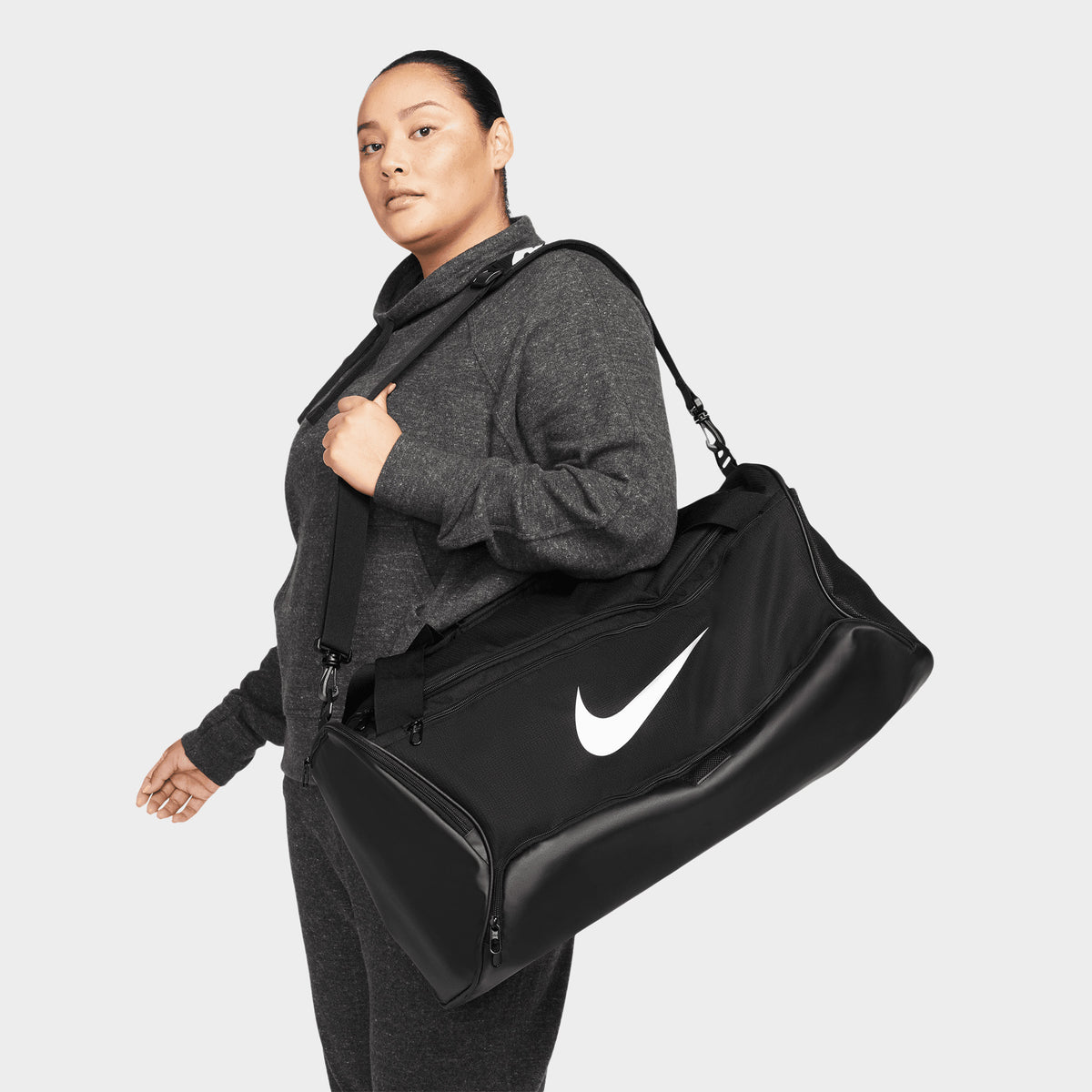
Best Overall: The 36L medium covers gym-plus-commute with a change of clothes, fits most gym lockers, and the separate ventilated shoe compartment actually keeps shoes off clean gear. 600D polyester holds up to locker floors.
Top picks ↓| Product | Capacity | Material | Compartments | Dimensions | Price |
|---|---|---|---|---|---|
| Nike Brasilia 9.5 Training Duffel Bag (Medium) | 36L (medium) | 600D polyester | Shoe + wet/dry pocket + main | 51×28×28cm | Mid-range |
| Under Armour Undeniable 5.0 MD Duffle Bag | 58L (MD) | UA Storm polyester | Wet pocket + moldable main | 61×30×30cm | Mid-range |
| Gymshark Everyday Gym Bag | ~30L | Polyester | Shoe pouch + laptop-compatible main | — | Mid-range |
| Adidas Defender 4 Small Duffel Bag | S size (~30L) | 100% recycled polyester | Shoe/wet pocket + padded laptop sleeve + main | — | Entry-level |
| Gold's Gym Duffel Bag | — | Polyester | Shoe compartment + organizer + main | — | Budget |
Top picks
Related articles

Best all-around duffel for gym use. Separate ventilated shoe compartment keeps shoes isolated from dry kit, multiple size options from 18 L to 60 L, 600D polyester exterior handles daily locker use. Medium at 36 L is the sweet spot for gym-plus-commute. No padded laptop sleeve; ventilated shoe compartment allows some odor transfer into main compartment.
The 36L medium covers gym-plus-commute with a change of clothes, fits most gym lockers, and the separate ventilated shoe compartment actually keeps shoes off clean gear. 600D polyester holds up to locker floors. The gap: no padded laptop sleeve, and the ventilated shoe compartment allows some odor transfer — acceptable for gym shoes, not for dress shoes alongside work clothes.
Pros
- ✓Ventilated shoe compartment genuinely isolates footwear
- ✓36L medium fits most commercial gym lockers
- ✓Wide color selection and multiple size options (18–60L)
Cons
- ✗No padded laptop sleeve at standard price point
Score breakdown
| Capacity | 36L (medium) |
| Material | 600D polyester |
| Compartments | Shoe + wet/dry pocket + main |
| Dimensions | 51×28×28cm |
| Price | Mid-range |

Best water-repellent exterior for commuters who walk or cycle to the gym in rain. UA Storm finish outperforms untreated polyester in light rain, moldable internal dividers allow flexible compartmentalization. Wet pocket is smaller than the main compartment and cannot comfortably hold a full post-workout outfit change.
UA Storm finish repels light rain better than untreated polyester — relevant for walk/cycle commutes. Moldable internal dividers let you reorganize the compartment structure, a genuine advantage over fixed-layout duffels. Wet pocket limitation: it holds shoes and a wet towel, but a full damp post-workout outfit pushes its volume. Machine washing degrades the UA Storm coating.
Pros
- ✓UA Storm finish outperforms standard polyester in rain
- ✓Moldable internal dividers for flexible organization
- ✓58L capacity with comfortable room to spare
Cons
- ✗Wet pocket too small for a full damp post-workout outfit change
Score breakdown
| Capacity | 58L (MD) |
| Material | UA Storm polyester |
| Compartments | Wet pocket + moldable main |
| Dimensions | 61×30×30cm |
| Price | Mid-range |

Best style pick for gym-goers who want a bag that transitions from gym to street without looking like sports kit. Minimalist design, padded laptop-compatible main compartment, ergonomic padded straps for commuters. No dedicated sealed wet compartment — wet gear handling relies on the ventilated shoe pouch.
Minimalist design that doesn't scream sports kit — the main compartment is laptop-compatible, padded straps distribute weight comfortably for commutes. The ventilated shoe pouch handles footwear separation. Trade-off: no sealed wet compartment, so genuinely soaked post-swim gear needs a separate dry bag inside.
Pros
- ✓Minimalist design transitions gym-to-street cleanly
- ✓Padded laptop-compatible main compartment
- ✓Ergonomic padded straps reduce shoulder fatigue on commutes
Cons
- ✗No dedicated sealed wet compartment — wet gear handling limited to ventilated shoe pouch
Score breakdown
| Capacity | ~30L |
| Material | Polyester |
| Compartments | Shoe pouch + laptop-compatible main |
| Price | Mid-range |
Subscribe to our newsletter
Occasional updates and new releases — no spam.

Best compact gym-to-office bag with a padded laptop sleeve in the small duffel size. 100% recycled polyester construction performs equivalently to virgin polyester. Wet compartment is smaller than the medium-sized duffels — holds shoes or wet clothes, not both comfortably.
The standout feature is the padded laptop sleeve in a compact S-size duffel — making it the most useful gym-to-office bag in this comparison. 100% recycled polyester performs equivalently to virgin polyester. The smaller wet compartment is the trade-off: holds shoes or wet clothes, not both simultaneously.
Pros
- ✓Padded laptop sleeve in a compact duffel — unique in this comparison
- ✓100% recycled polyester without performance trade-offs
- ✓Front zip pocket for quick-access items without opening main compartment
Cons
- ✗Wet compartment holds shoes or wet clothes — not both comfortably
Score breakdown
| Capacity | S size (~30L) |
| Material | 100% recycled polyester |
| Compartments | Shoe/wet pocket + padded laptop sleeve + main |
| Price | Entry-level |
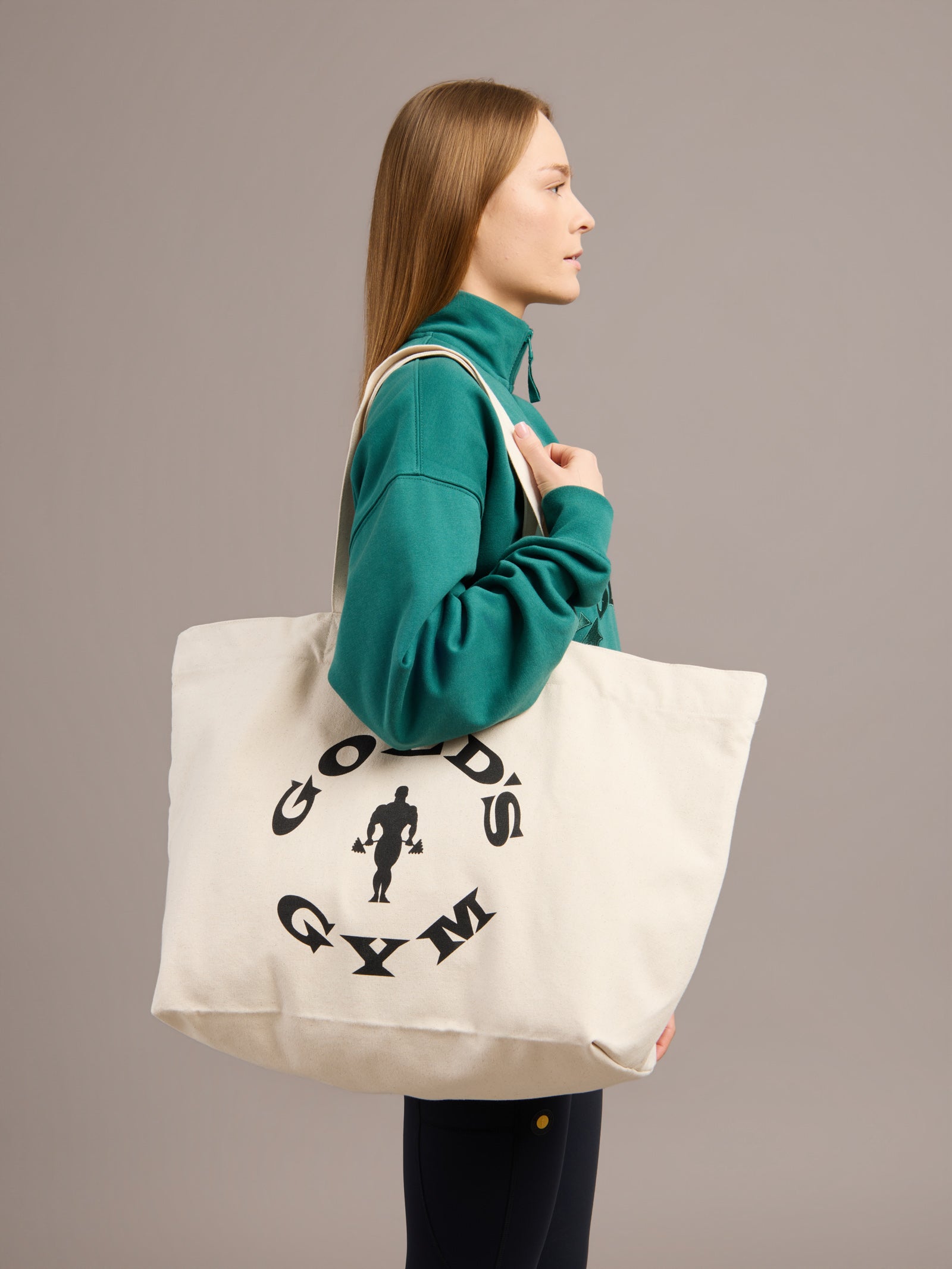
Best budget pick for straightforward gym use. Gold's Gym brand, durable polyester, separate shoe compartment, large main compartment with inner organizer pocket at entry-level pricing. Basic construction without specialized wet/dry separation — for buyers who air their bag immediately after each session.
The Gold's Gym brand at a budget price point delivers durable polyester, a separate shoe compartment, and a large main compartment with inner organizer. No wet/dry specialization — the assumption is you'll air it immediately after each session. For buyers who go straight home from the gym and price is the primary decision, this does the job.
Pros
- ✓Iconic gym brand at entry-level pricing
- ✓Separate shoe compartment plus inner organizer pocket
- ✓Large main compartment for uncomplicated gym-only packing
Cons
- ✗No specialized wet/dry separation — requires airing immediately after sessions
Score breakdown
| Material | Polyester |
| Compartments | Shoe compartment + organizer + main |
| Price | Budget |
Which one is right for you?
For gym-plus-commute with a change of clothes
Nike Brasilia 9.5 Training Duffel Bag (Medium)
36L hits the sweet spot between locker-compatible and spacious enough for a full commuter kit
For rain commutes by walk or bike
Under Armour Undeniable 5.0 MD Duffle Bag
UA Storm finish repels surface water better than any other bag in this comparison
For gym-goers who want street style
Gymshark Everyday Gym Bag
Minimalist design and laptop compatibility without looking like a sports bag
For gym-to-office with a laptop
Adidas Defender 4 Small Duffel Bag
Only bag here with a padded laptop sleeve in a compact, locker-friendly format
For budget gym-only use
Gold's Gym Duffel Bag
Budget pricing for a shoe compartment and enough main space for standard gym kit
Why wet/dry separation is the feature that matters most
A gym bag without a dedicated wet compartment forces a choice: leave damp workout clothes loose in the main compartment (where they transfer moisture and odor to everything else), or carry a separate plastic bag inside (defeating the point of a purpose-built gym bag). The wet compartment solves this by giving sweaty kit its own sealed or semi-sealed pocket, typically lined with waterproof or water-resistant material, separate from the main compartment where dry clothes, valuables, and work items live.
Not all wet compartments are equivalent. The meaningful distinctions are: material lining (TPU-coated polyester or nylon holds moisture without absorbing it; untreated fabric absorbs sweat and transfers odor to the compartment walls permanently), closure type (a zip closure creates a genuine seal; a snap or velcro closure vents moisture back into the bag interior), and compartment volume (a wet compartment that holds only shoes but not wet workout clothes misses half the use case). The Nike Brasilia 9.5 has a separate ventilated shoe compartment and a distinct wet/dry pocket. The Under Armour Undeniable 5.0 uses a water-repellent UA Storm exterior and has an internal organization system with a designated wet pocket. The Adidas Defender 4 has a separate shoe compartment but a smaller wet pocket than the Brasilia. The Anello gym bag and The North Face Base Camp are duffel-first designs that handle wet gear through material water resistance rather than dedicated wet compartments.
For gym-only use where you go directly home or shower at the gym before leaving, the wet compartment requirement is moderate — the main concern is separating muddy shoes from clean gear. For gym-plus-commute use where the bag spends several hours on a train or at a desk between the gym and home, a proper sealed wet compartment with TPU lining is a genuine quality-of-life feature and not a marketing checkbox. If you regularly carry a laptop or work documents alongside gym kit, the wet compartment is essential — water migration from damp clothes to electronics is not a hypothetical; it happens within 30-60 minutes of direct fabric contact.
Backpack vs duffel: what the carry style actually changes
The backpack-versus-duffel choice affects three practical things: how the load distributes across your body, how easily you can access the main compartment, and how the bag fits in train luggage racks and gym lockers. Duffels load weight across one shoulder or hand, which causes shoulder fatigue on commutes longer than 20-30 minutes and on stairs and station platforms. Backpacks distribute weight across both shoulders and the spine, which is significantly more comfortable across longer commutes but requires full backpack removal to access the main compartment — an inconvenience at gym check-in when you need to scan a card or pull out a towel.
Duffels have a physical advantage at the gym: the wide top opening gives immediate access to the full bag interior without unpacking, which matters when you're changing quickly between machines or in a crowded locker room. Backpack gym bags typically have a narrower top opening or a front-access panel that requires unzipping a larger surface area to get the same visibility into the bag. The trade-off in a commute context: a backpack sits on overhead racks and under train seats more predictably than a slouching duffel, and a backpack leaves both hands free on escalators and station stairs.
Convertible designs — bags that function as both backpack and duffel through a strap system — offer flexibility at the cost of neither mode being optimal. The North Face Base Camp S is the only bag in this comparison that functions as a genuine convertible: the shoulder straps stow in a back panel and can be deployed to convert from duffel to backpack carry. The convenience is real, but the backpack harness on a convertible duffel is typically simpler and less load-distributing than a purpose-built backpack, and the duffel access panel is typically smaller than a pure duffel. For commuters who want a single bag that works both ways, a convertible is a reasonable compromise — for commuters who primarily need one mode, a purpose-built bag in that mode is the better execution.
Capacity sizing: gym-only vs gym-plus-commute
The capacity question for gym bags is not 'bigger is always better' — an oversized bag that does not fit gym lockers, train overhead racks, or under-seat storage creates as much friction as an undersized bag that cannot hold everything you need. The practical capacity categories are: gym-only (20-30 L), which holds workout clothes, shoes in a separate compartment, toiletry kit, water bottle, and nothing else; and gym-plus-commute (30-45 L), which additionally holds a change of work clothes, a laptop (typically 13-15 inch), lunch, and work accessories.
Gym lockers in sports facilities vary significantly. Standard municipal gym lockers are typically 30-35 cm wide, 35-40 cm deep, and 40-50 cm tall — they fit a 25-35 L bag packed without extreme expansion but will not accommodate a fully loaded 45 L duffel. Private gym lockers (including major fitness chains) tend to be smaller — some are as compact as 25 cm wide — and bag size is a genuine compatibility concern. The Anello gym bag at approximately 30 L is consistently cited by long-term users as locker-compatible across a range of gym facilities. The Nike Brasilia 9.5 at 36 L (medium size) is the largest of the bags in this comparison that reviewers describe as locker-friendly, though the 41 L large version is frequently reported as too wide for compact lockers.
For gym-plus-commute bags, the critical internal structure questions are: is there a padded laptop sleeve that holds a 15-inch laptop without it sliding into the main compartment and pressing against wet kit? Is the main compartment structured enough to protect a dress shirt or blouse from crumpling under gym gear weight? The Adidas Defender 4 specifically includes a padded laptop sleeve in its construction — a feature the Nike Brasilia 9.5 and Under Armour Undeniable 5.0 lack at the standard price point. For pure gym-to-office commuters who need laptop protection, the Adidas Defender 4 addresses a real gap that the other bags leave unsolved unless you add a separate laptop sleeve.
Material durability: oxford vs nylon vs polyester
Gym bag materials operate in a high-stress environment: repeated compression against locker walls, dragging along wet gym floors, exposure to chlorine spray cleaning products, and constant open-close cycles on the main zipper. Material choice determines how long the bag holds up to this before delaminating, developing zipper failures, or absorbing odors permanently into the fabric.
600D polyester (used in the Nike Brasilia 9.5 and similar widely available bags) is the standard entry-level gym bag material. It is abrasion-resistant enough for daily use on hard surfaces, holds its shape in a mid-loaded state, and is available in a wide range of colorways. The limitation: 600D polyester absorbs moisture more than coated nylon, which means sweat and wet shoes sitting against the exterior for extended periods will transfer some moisture through the fabric. It is not a washable material — machine washing degrades the coating and causes delamination on bags that use internal PVC or TPU layers.
Nylon ripstop (used in The North Face Base Camp and higher-tier outdoor gear bags) is lighter for the same abrasion resistance and repels surface moisture better than polyester. For gym bags used in outdoor commutes that involve cycling or walking in rain, the superior water resistance of nylon ripstop translates to a drier bag interior on wet days. The trade-off: nylon ripstop bags typically cost 50-100% more than equivalent polyester bags, and the material advantage is not perceptible in a pure indoor gym-to-locker-room context. Under Armour UA Storm technology uses a water-repellent finish applied to the base polyester fabric — it provides better surface water resistance than untreated polyester without the cost premium of technical nylon.
Recycled polyester (used in the Adidas Defender 4, which uses 100% recycled polyester) performs equivalently to virgin polyester in the 600D range for abrasion resistance and water resistance, with no functional trade-offs from the sustainability angle. The material choice is relevant if brand sustainability claims are part of your purchasing criteria; it is not relevant to gym bag performance.
Locker compatibility and gym context
Locker size is a practical constraint that comparisons written for global audiences frequently skip. Gym lockers at public sports centers use a standard locker that is approximately 30-35 cm wide, 35-40 cm deep, and 45-55 cm tall. Private gym chains have smaller lockers on average — some budget chains have lockers under 30 cm wide. A bag that fits comfortably at a public sports center may not fit at a private chain gym.
The practical locker test is bottom width and depth more than height — most lockers have adequate vertical space for a moderately loaded duffel or backpack, but the horizontal footprint of a bag laid flat or the standing width of a backpack determines whether the door closes. The bags in this comparison range from approximately 27 cm to 36 cm in bottom width when loaded. The Anello gym bag's soft construction allows it to compress laterally to fit into tighter lockers that a rigid-frame backpack would not accommodate. The North Face Base Camp S at 50 L is the largest bag in this comparison and will not fit comfortably in compact private gym lockers — it is sized for commuting and travel use where locker space is not the constraint.
Reviewers consistently flag the ability to attach a gym bag to luggage as a practical feature for travel-to-gym use cases. The Anello gym bag includes a back sleeve that fits over luggage handles, which is the primary reason Anello bags are popular among commuters who travel for work. For buyers who regularly fly to gyms or use gym facilities while traveling, the luggage attachment sleeve is a genuine convenience that none of the other bags in this comparison offer.
Nike Brasilia 9.5 Training Duffel Bag
The Nike Brasilia 9.5 is the default gym bag recommendation for buyers who want a well-made duffel with a dedicated shoe compartment, available in multiple sizes (XS 18 L, S 26 L, M 36 L, L 41 L, XL 60 L), and who want a broad colorway selection. The 600D polyester exterior is durable on gym locker floors, the separate shoe compartment at the end of the bag genuinely separates shoes from dry kit (an important feature when shoes are the primary source of odor and moisture), and the medium size at 36 L is the most versatile capacity in the range — large enough for gym-plus-commute with a change of clothes, small enough for most gym lockers.
The Brasilia 9.5 does not have a padded laptop sleeve — buyers who need laptop protection need to add a sleeve separately or use the Adidas Defender 4 instead. The 600D polyester is not machine washable without degrading the construction, so smell management depends on regular airing and spot cleaning of the interior. The shoe compartment is ventilated (mesh panel) rather than sealed, which means shoe odors circulate into the main compartment to a limited degree — adequate for gym shoes but not ideal if you carry dress shoes in the same bag as clean clothes.
Under Armour Undeniable 5.0 Duffel Bag
The Under Armour Undeniable 5.0 uses UA Storm water-repellent technology, which provides meaningfully better surface water resistance than the standard 600D polyester of the Brasilia — relevant for commuters who walk or cycle to the gym in rain. The moldable organization system uses internal dividers that can be repositioned, which provides more flexible compartmentalization than the fixed-compartment design of the Brasilia. The Undeniable 5.0 is available in sizes from S 32 L to XL 109 L, with the M at 58 L being the most common gym use configuration.
The Undeniable 5.0's internal wet pocket is smaller than its main compartment, which limits what it can practically separate — shoes and a damp towel will fit, but a full post-workout outfit change in damp clothes will tax the wet pocket volume. The moldable dividers are a useful organizational feature but add structural complexity that some owners find harder to use than a straightforward zipped main compartment. The UA Storm coating is a topical finish that degrades with repeated machine washing — the bag should be hand washed or wiped clean rather than machine washed if you want to preserve the water-repellent performance.
Adidas Defender 4 Duffel Bag
The Adidas Defender 4 is the sustainability-first option in this comparison, using 100% recycled polyester construction — it performs equivalently to virgin polyester in durability for daily gym use. The standout feature among the duffels in this comparison is the padded laptop sleeve, which makes the Defender 4 the most functional gym-to-office commute bag: you can carry a 15-inch laptop with the same bag as your gym kit without needing a separate laptop bag or sleeve. The front zip pocket provides accessible storage for keys, card, and earphones without opening the main compartment.
The Defender 4 has a smaller dedicated wet compartment than the Brasilia 9.5 — the shoe/wet pocket fits shoes or wet clothes, but not both comfortably. The recycled polyester construction does not include UA Storm or equivalent water-repellent finishing, so the exterior performs similarly to standard polyester in light rain rather than providing the better surface resistance of the Undeniable 5.0. For buyers who do not need laptop protection, the Brasilia 9.5 offers better shoe separation and a slightly cleaner main compartment organization for the same price tier.
Anello Gym Bag
The Anello gym bag occupies a different positioning than the Nike, Under Armour, and Adidas options: it is designed explicitly for the commuter-gym use case, where the bag needs to function as a work bag on the train, fit over luggage for business travel, and hold gym kit for a midday or after-work session. The back sleeve that fits over luggage handles is the defining feature — it is why Anello gym bags consistently appear in recommendations for business travellers who gym on trips.
The Anello's approximately 30 L capacity sits below the Brasilia 9.5 M and the Undeniable 5.0 M, which limits it to gym-only loads with a modest change of clothes — it will not hold a full laptop workbag setup alongside gym kit without overfilling. The bag does not have a dedicated sealed wet compartment in the same category as the Brasilia or Undeniable — wet gear sits in a designated internal pouch, but the separation from dry clothes is less reliable for genuinely soaked post-swim or heavy-sweat gear. For the use case it is designed for — commute-compatible gym bag with luggage attachment — it executes well; for pure gym-to-locker use with maximum wet/dry separation, the dedicated sports brand options are better.
The North Face Base Camp Duffel S (50 L)
The North Face Base Camp Duffel S at 50 L is a different category of bag from the others in this comparison: it is a genuine outdoor/travel duffel that doubles as a gym bag for buyers who want one bag for both gym use and weekend travel or gym trips involving air travel. The 420D ripstop nylon construction and welded base are substantially more durable than any of the polyester bags in this comparison — this bag will outlast them by years under equivalent use. The convertible backpack function (shoulder straps stow in a rear panel) makes it genuinely usable as a backpack for longer gym-plus-commute walks or when arriving at destinations without luggage facilities.
At 50 L, the Base Camp S is too large for most private gym lockers — it is sized for carry-on luggage or oversized locker use. There is no dedicated wet compartment; wet gym gear sits in the main compartment alongside dry items unless you use a dry bag insert. The ripstop nylon construction is not designed to be machine washed. It is the most expensive option in this comparison, and the premium is justified by the durability and travel versatility rather than by gym-specific feature execution. For buyers who want a gym-only bag, the Brasilia 9.5 or Undeniable 5.0 serve that use case better at lower cost.
Frequently asked questions
Does a wet compartment actually keep sweaty clothes separate from dry items?▼
Which is better for commuters — backpack or duffel gym bag?▼
How big should a gym bag be for gym-only use?▼
Are any gym bags in this comparison machine washable?▼
What materials resist gym bag odor most effectively?▼
Wheeled vs carry gym bags — is a wheeled bag worth it?▼
Comments & questions
Discussion happens on nattzy, our community forum. Sign in with Google to post — it takes a second.