Best Push-Up Board 2026: Sportneer vs Perfect Pushup
A push-up board changes one variable in a standard push-up. Weight range and build quality determine long-term value far more than feature lists.
Quick answer
The Sportneer is the board to buy under $30: handles plug in and lock without wobble, the anti-slip base holds on hardwood without tape, and the included progression guide is actually usable. If you have wrist or shoulder impingement history, spend more on the Perfect Pushup Elite — its roughly 45-degree rotating discs cut joint torque through the arc, though they demand consistent form. Broad-shouldered trainees should look at the HASHTAG FITNESS board for its wider platform and twelve positions.
This comparison is desk research. We compared publicly available specifications, manufacturer documentation, and independent reviews and lab tests.

Sportneer Push Up Board Multi-Functional
Best Overall: The Sportneer delivers a solid slot connection, enough hand positions to be genuinely useful, and anti-slip grip that holds on hardwood without tape. It is the most stable fixed board in this comparison under $30.
Top picks ↓| Product | Price | Link |
|---|---|---|
| $25Reference price | ||
| $47.99Price as of 2026-09-24 | ||
| $25Reference price | ||
| $15Reference price | ||
| $30Reference price |
| Product | Handle type | Positions | Base | Carpet stability | Price range | Includes | Rotation range | Base diameter | Surface | Footprint | Best for | Resistance bands |
|---|---|---|---|---|---|---|---|---|---|---|---|---|
| Sportneer Push Up Board Multi-Functional | Fixed plug-in | Multiple (narrow / shoulder-width / wide + angled) | Anti-slip rubber | Good for standard push-ups, can shift during plyometrics | $25–$30 | Workout guide | — | — | — | — | — | — |
| Perfect Pushup Elite Rotating Push Up Handles | Rotating disc | — | — | Less stable than flat boards — discs shift on thick pile | $25–$35 | Nothing additional | ~45° | ~7 inches per disc | — | — | — | — |
| HASHTAG FITNESS 36-Position Push Up Board | Fixed plug-in | 12 color-coded | — | — | $25–$35 | Nothing additional | — | — | Textured polypropylene | Larger than Sportneer | — | — |
| Yes4All Push Up Board Multi-Angle | Fixed plug-in | Color-coded (fewer than HASHTAG FITNESS) | Thin anti-slip | — | $15–$20 | Nothing additional | — | — | — | — | Light use or trial purchase | — |
| Limm Push-Up Board with Resistance Bands | Fixed plug-in | Color-coded | — | — | $30–$40 | Resistance bands | — | — | — | — | Trainees who have outgrown bodyweight push-ups | Included (5–15 lb each) |
Top picks
Related articles
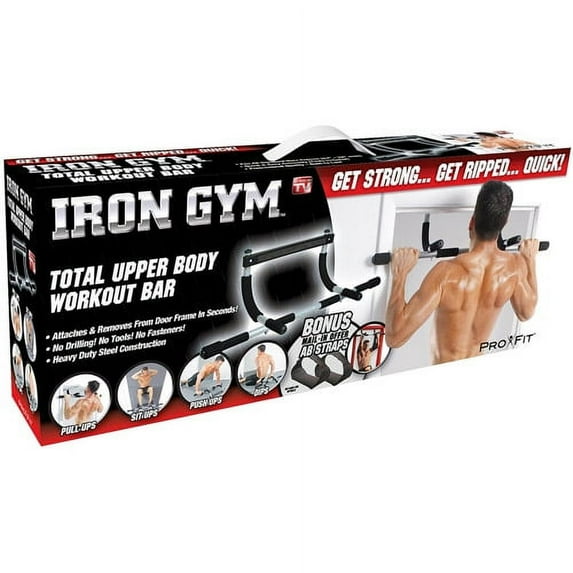


Multi-position color-coded board with stable plug-in handles and anti-slip base. The most stable and well-built board under $30. Best choice for most users who want a reliable push-up board for standard training.
The Sportneer delivers a solid slot connection, enough hand positions to be genuinely useful, and anti-slip grip that holds on hardwood without tape. It is the most stable fixed board in this comparison under $30. The one real caveat: handles do not rotate, which matters for trainees with chronic wrist discomfort.
Pros
- ✓Plug-in handles lock firmly with no wobble
- ✓Anti-slip base holds on hardwood and most floors
- ✓Includes a practical workout guide with progressions
Cons
- ✗Fixed handles — no wrist rotation for trainees with impingement
Score breakdown
| Handle type | Fixed plug-in |
| Positions | Multiple (narrow / shoulder-width / wide + angled) |
| Base | Anti-slip rubber |
| Carpet stability | Good for standard push-ups, can shift during plyometrics |
| Price range | $25–$30 |
| Includes | Workout guide |
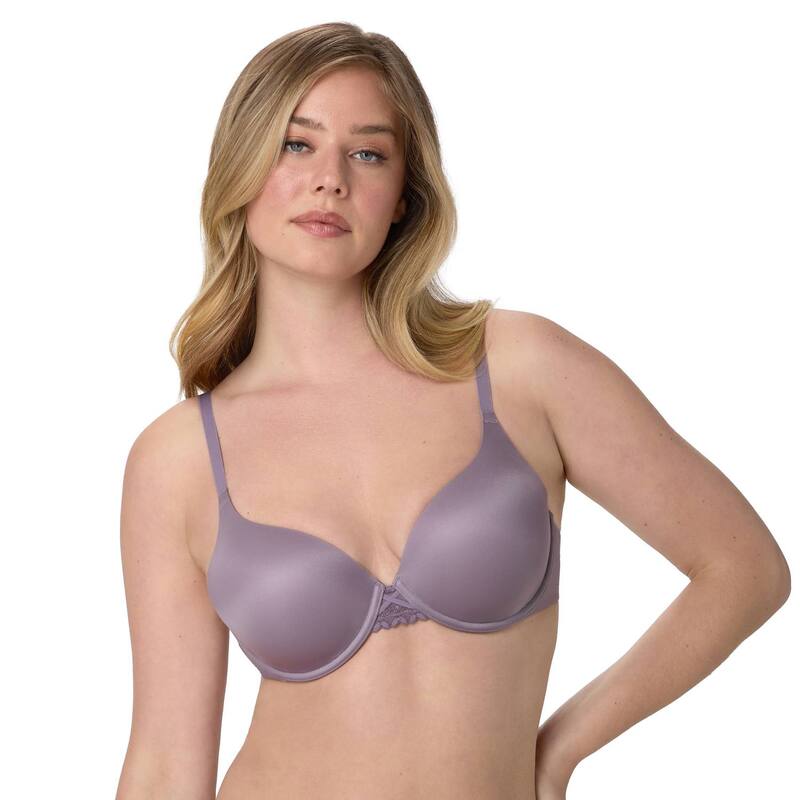
Perfect Pushup Elite Rotating Push Up Handles
Rotating handle design on circular discs — reduces wrist and shoulder joint stress through natural arm arc movement. Best for experienced trainees with wrist discomfort at high push-up volume.
The Perfect Pushup Elite's rotating discs reduce wrist and shoulder torque through the full push-up arc — the key benefit for anyone with impingement history. It is not for beginners: the rolling discs require consistent form, and any lateral drift during a set causes the handle to shift.
Pros
- ✓~45° rotation reduces wrist and shoulder joint torque
- ✓Enables higher volume for trainees with impingement history
- ✓Compact — discs stack flat for storage
Cons
- ✗Discs roll freely — unstable for beginners still learning form
Score breakdown
| Handle type | Rotating disc |
| Rotation range | ~45° |
| Base diameter | ~7 inches per disc |
| Carpet stability | Less stable than flat boards — discs shift on thick pile |
| Price range | $25–$35 |
| Includes | Nothing additional |
36-position wide-format board, accommodates wide hand spans, textured surface. Best for users who want maximum hand position variety and have space for a larger board.
The HASHTAG FITNESS board's extra-wide platform gives broad-shouldered trainees hand placement room that narrow boards can't match. Twelve color-coded positions exceed any competitor in this comparison. Build density is slightly lower than Sportneer at the same price, and the footprint is genuinely large — harder to store.
Pros
- ✓Widest platform suits broad shoulders and long arm spans
- ✓12 color-coded positions — most variety in the comparison
- ✓Textured surface maintains grip under sweat
Cons
- ✗Larger footprint is harder to store than compact boards
Score breakdown
| Handle type | Fixed plug-in |
| Positions | 12 color-coded |
| Surface | Textured polypropylene |
| Footprint | Larger than Sportneer |
| Price range | $25–$35 |
| Includes | Nothing additional |
Subscribe to our newsletter
Occasional updates and new releases — no spam.

Budget option at $15-20 with standard color-coded positions. Adequate build quality for light use. Best as a trial purchase before committing to a more expensive model.
Yes4All's board functions as a standard color-coded push-up platform at roughly half the Sportneer's price — a fair trial option before upgrading. Handle connections have slightly more play than premium boards, and the thin base can flex during heavier sets.
Pros
- ✓Lowest price in the comparison — good trial purchase
- ✓Standard color-coded positions cover basic targeting
- ✓Lightweight and easy to store
Cons
- ✗Handle fit looser than Sportneer; base flexes under heavy use
Score breakdown
| Handle type | Fixed plug-in |
| Positions | Color-coded (fewer than HASHTAG FITNESS) |
| Base | Thin anti-slip |
| Price range | $15–$20 |
| Includes | Nothing additional |
| Best for | Light use or trial purchase |

Limm Push-Up Board with Resistance Bands
Push-up board with included resistance bands that add 5-15 lb resistance at the top of the push-up movement. Best for users who find bodyweight push-ups too easy and want added resistance without a weighted vest.
Limm's built-in resistance bands attach to add 5–15 lb of load at the top of the push-up — the only board in this comparison that provides progressive resistance. The bands are light enough to be a genuine supplement rather than a replacement for weighted progressions, and the board quality itself is solid for the price.
Pros
- ✓Resistance bands add progressive load for trainees beyond bodyweight
- ✓Bands attach cleanly without modifying push-up form
- ✓Board quality comparable to Sportneer
Cons
- ✗Bands are light (5–15 lb each) — not a substitute for a weight vest at high loads
Score breakdown
| Handle type | Fixed plug-in |
| Resistance bands | Included (5–15 lb each) |
| Positions | Color-coded |
| Price range | $30–$40 |
| Best for | Trainees who have outgrown bodyweight push-ups |
| Includes | Resistance bands |
Which one is right for you?
For most users starting out
Sportneer Push Up Board Multi-Functional
Firm handles, anti-slip base, and a workout guide — the most training-useful board under $30.
For trainees with wrist or shoulder pain
Perfect Pushup Elite Rotating Push Up Handles
Rotating discs let the wrist track naturally through the movement, reducing joint torque that fixed handles can't address.
For broad-shouldered trainees
HASHTAG FITNESS 36-Position Push Up Board
The widest platform in the comparison — 12 positions with enough surface area that wide-grip push-ups don't feel cramped.
For testing before committing
Yes4All Push Up Board Multi-Angle
At $15–$20, the Yes4All is a sensible first purchase before deciding whether a push-up board is worth keeping long-term.
For trainees who find bodyweight too easy
Limm Push-Up Board with Resistance Bands
Built-in resistance bands add a real training stimulus without requiring a weighted vest or additional equipment.
What push-up boards actually do — and what they can't fix
Push-up boards address two real problems: wrist angle discomfort and targeting confusion. When doing pushups on a flat floor, your palms are fully pronated (facing down) and your wrists are in extension. For people with tight forearm flexors, previous wrist injuries, or larger hands, this position is uncomfortable and sometimes painful over high-volume sets. Handles that rotate allow the wrists to settle into a more neutral position through the movement, reducing strain at the cost of some stability.
The color-coded targeting system on boards like the HASHTAG FITNESS and Sportneer is a teaching tool, not a body part switch. Moving your hands wider does increase the relative contribution of the chest; moving them closer does increase tricep involvement. The boards make these positions explicit and repeatable, which is useful for beginners learning push-up mechanics and for people who want to track which variation they're doing.
What push-up boards can't do: they don't make push-ups easier for people who can't do them, they don't add resistance as you get stronger, and they don't replace other chest training. A push-up board is a push-up accessory. If push-ups are already easy for you, the board changes stimulus but doesn't increase load. If push-ups are too hard, the board makes them slightly more comfortable but doesn't provide progressions — a simpler solution is incline push-ups using a bench or table.
The rotating handle pick: Perfect Pushup Elite
The Perfect Pushup Elite is not a board — it is a pair of rotating handles on circular discs that spin freely as your arms move through the push-up arc. This design is fundamentally different from color-coded slot boards. As you lower into the push-up, the handles rotate to allow your forearms to trace a more natural path through the movement, reducing the torque on the wrist and elbow joints.
The practical effect depends on your anatomy. Lifters with shoulder impingement or wrist pain frequently report that the Perfect Pushup allows training volume they couldn't maintain with flat-hand push-ups. The rotation is subtle — about 45 degrees of arc — but it aligns with the natural supination/pronation cycle the arm would prefer if the wrist were not locked in position.
The limitation is stability. The Perfect Pushup discs roll freely, which means any lateral hand movement can cause the handle to shift. Beginners learning push-up form benefit less from rotating handles than from the fixed hand position stability of a flat board. The Perfect Pushup is best for experienced trainees who already have consistent push-up mechanics and want to reduce joint stress at higher volumes.
The board pick: Sportneer for most users
The Sportneer Push Up Board earns the top board recommendation for straightforward reasons: it is stable, it has enough hand position variety to be genuinely useful, and it costs under $30. The push-up board slots accommodate narrow (triceps), shoulder-width, and wide (chest) positions, plus angled variants of each. The board itself is thick enough that it doesn't flex during use on hard floors.
The slide-in handle design is intuitive — the handles plug into color-coded slots and lock in place. Unlike some competitors where the handles wobble in their slots, the Sportneer maintains a solid connection that doesn't shift during sets. The anti-slip base grips flooring effectively. On carpet it can shift slightly during plyometric push-up variations, but for standard push-ups it stays put.
The included workout guide is a genuine addition rather than a token insert — it shows specific hand positions for each color and provides a basic push-up progression program. For someone new to push-up variations, this context is useful. The guide doesn't require purchasing anything else or accessing an app.
HASHTAG FITNESS: the large-format board option
The HASHTAG FITNESS 36-Position Push Up Board is the widest board in this comparison, with twelve distinct color-coded positions and a large enough footprint that both hands have generous placement options without the board feeling cramped. For people with wider shoulders or longer arm spans, the extra surface area is genuinely useful — narrow boards can feel constrained at maximum-width hand positions.
The build material is medium-density polypropylene with a textured surface. It's not as heavy-duty as the Sportneer at this weight category, but it is adequate for bodyweight training. The main limitation is storage — the large format board is harder to stash under a bed or in a bag than the compact Sportneer.
At $25-35, the HASHTAG FITNESS board is priced similarly to the Sportneer. The choice between them is size preference: if you want the widest possible hand position range and don't mind a larger footprint, the HASHTAG FITNESS is better. If you want something more compact and equally stable, the Sportneer is the better pick.
Yes4All and Limm: the budget and resistance-band options
The Yes4All Push Up Board is the lowest-cost option in this comparison at $15-20. It functions as a standard push-up board with color-coded positions and a plug-in handle system. Build quality is adequate for light use — the handle connection has slightly more play than the Sportneer, and the base is thinner. For someone who wants to try a push-up board before committing to a more expensive model, the Yes4All is a reasonable trial purchase.
The Limm Push-Up Board distinguishes itself by including resistance bands that attach to the board. The bands add resistance to the push-up at the top of the movement — as you press up, the bands pull your hands toward the board, increasing the load at the point where push-ups are normally easiest. This is a meaningful addition for people who find bodyweight push-ups too easy but don't have access to a weight vest or weighted backpack.
The Limm resistance bands are light (approximately 5-15 lb each), not a replacement for heavy loading. But for building volume and adding variety, the combined push-up board and resistance band system offers more training options than any fixed board. At $30-40 it costs slightly more than the Sportneer or HASHTAG FITNESS boards without the bands.
Frequently asked questions
Do push-up boards actually make push-ups more effective?▼
Can you use a push-up board on carpet?▼
What's the difference between a push-up board and push-up bars?▼
Prices change. Check the retailer for the current price.
Comments & questions
Discussion happens on nattzy, our community forum. Sign in with Google to post — it takes a second.